
Pillow Block Bearing Comparison: Cost, Life, and Supplier Capability
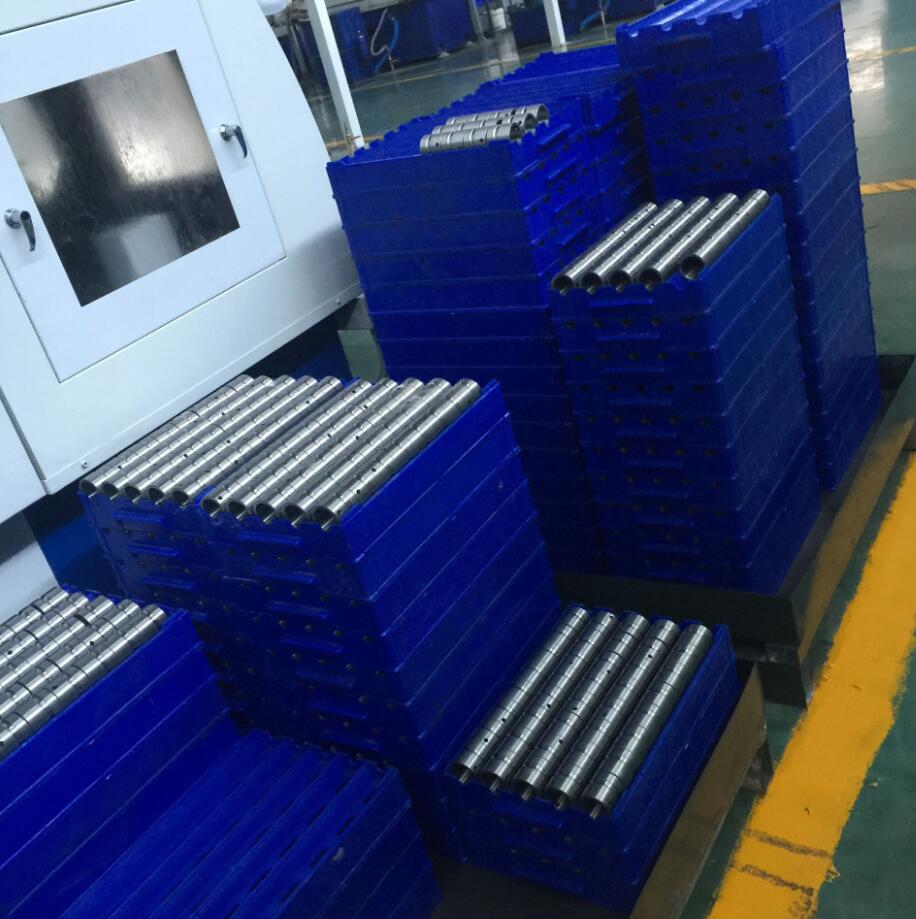
Pillow block bearing comparison is a decision-stage task for many industrial buyers. At this point, the question is not whether to use pillow block bearing units, but how to choose among suppliers with different price levels, quality claims, and delivery conditions. A robust comparison needs to cover product specifications, manufacturing control, documented performance, and long-term cost. This article outlines what to examine, using FKD Bearing as a reference case because it is a brand produced by Hebei Hailan Bearing Manufacture Co., Ltd., one of China's established bearing manufacturers.
The Decision Problem: Price Is Not a Sufficient Metric
Procurement teams often receive quotes from multiple Chinese manufacturers and compare unit prices. Yet the price of a pillow block bearing unit is a small part of its total cost of ownership. If a bearing fails early, downtime can cost many times the component price. If a housing cracks, the replacement may also require labor and potentially damage adjacent equipment. Decision-makers therefore need a comparison framework that includes life expectancy, failure risk, maintenance intervals, and the manufacturing evidence behind those claims.
Opportunity: A More Structured Supplier Comparison
The global bearings market was estimated at USD 58.6 billion in 2024 and is projected to grow to USD 143.6 billion by 2034, according to Global Market Insights. For pillow block and mounted bearings specifically, IndexBox estimated the market at about USD 6.1 billion in 2024. With China accounting for 19.9% of world ball bearing exports in 2024 by value, according to OEC, the choice among Chinese suppliers can have a measurable effect on quality consistency and cost.
What Makes Pillow Block Bearing Quality Different
Pillow block bearing units combine a bearing insert, a housing, sealing, and often an integrated locking mechanism. Their performance depends on the precision of the insert, the integrity of the housing, the quality of the fit between the two, and the sealing and lubrication system. Buyers comparing units should ask four questions: What steel grade are the balls made of? How accurate is the radial runout? Are the bearing and housing from the same manufacturer? What inspection procedures support the claimed quality levels?
FKD Bearing: Manufacturer Profile and Solution
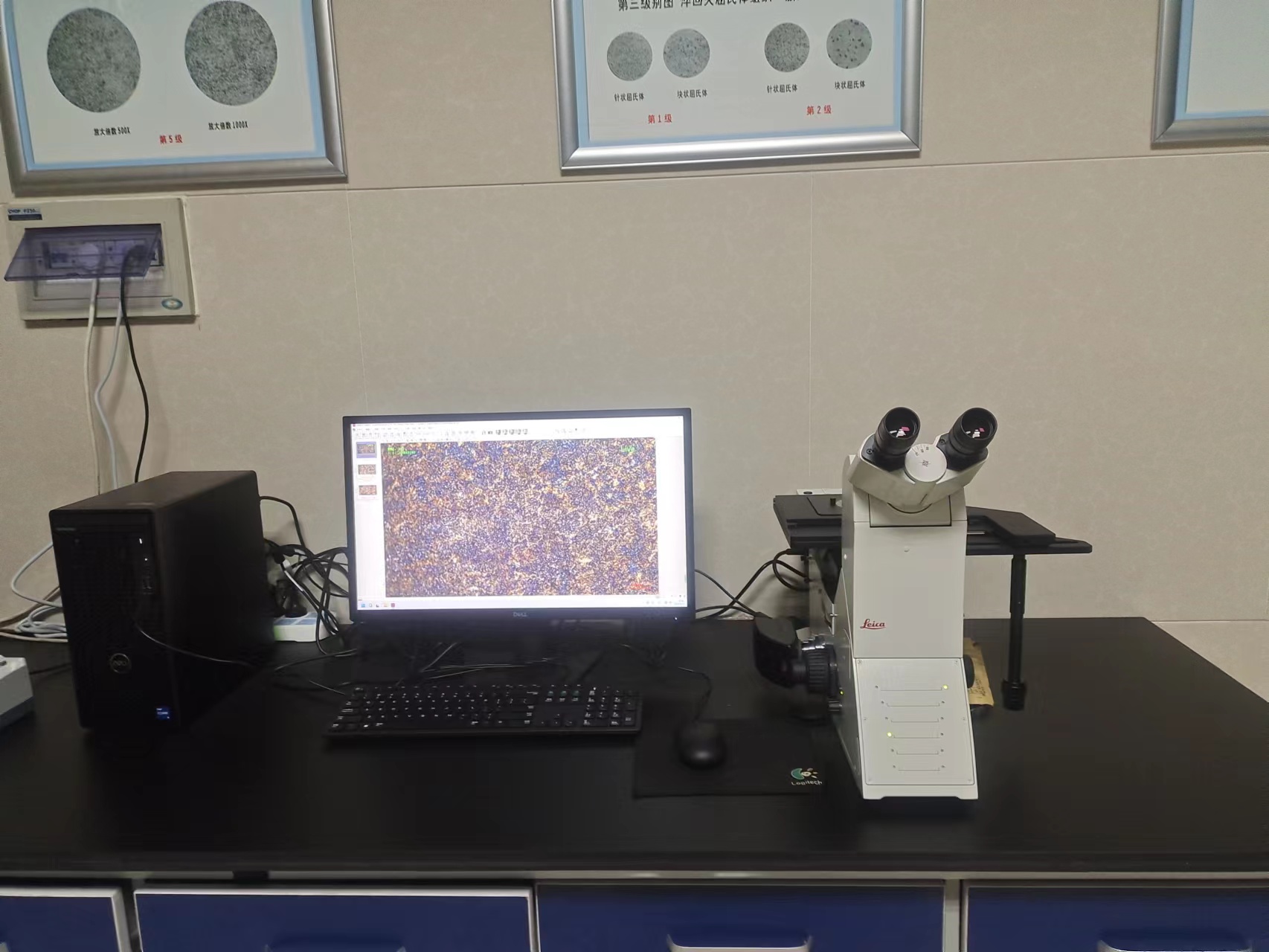
FKD is one of the registered brands of Hebei Hailan Bearing Manufacture Co., Ltd., which was originally founded in 1988 as Xingtai Honghai Bearing Manufacture Co., Ltd. The company is located in the Hometown of Bearing in Linxi County, Hebei Province, China. Hebei Hailan operates a plant area of 100,000 m², with more than 400 employees, including 30 technicians and engineers. Its production lines cover pillow block bearings, deep groove ball bearings, and tapered roller bearings, with an annual production and sales volume of more than 20 million pieces.
The company has passed ISO9001:2015 quality management system certification and uses automatic production lines and automatic inspection lines. More than 90% of its products are exported to more than 68 countries and regions, mainly in Europe, Asia, South America, and Africa. FKD, together with the FE and HHB trademarks, is one of the company's three registered brands.
According to FKD's comparison data, the company positions its pillow block bearings around three core differences: high-quality steel, G10 steel balls, and the in-house manufacturing of both bearings and housings. These factors are reported to result in a 30% longer service life and a 45% lower failure rate compared with other Chinese brands, together with a 10% lower cost and lower maintenance requirements. The stated technical tolerance is radial runout ≤0.012mm.
Comparison at a Glance
| Comparison Item | What to Evaluate | FKD Reported Data |
|---|---|---|
| Bearing insert precision | Radial runout control | ≤0.012mm |
| Ball material grade | Roundness and surface finish | G10 steel balls |
| Manufacturing scope | Bearing and housing production | Both produced in-house |
| Service life vs. other Chinese brands | Reported improvement | 30% longer |
| Failure rate vs. other Chinese brands | Reported reduction | 45% lower |
| Cost vs. other Chinese brands | Reported difference | 10% lower |
Technical Explanation: Radial Runout, Steel Grade, and In-House Control
Radial runout is a measure of how much a rotating surface deviates from a perfect circle. A lower runout value generally means less vibration, more uniform load distribution, and lower noise. A radial runout of ≤0.012mm is a precise tolerance for a pillow block insert, especially in applications such as agricultural machinery where dust and changing loads are common.
G10 is a steel ball grade that denotes high roundness and surface finish. Higher-grade steel balls reduce friction and heat, which are common causes of early bearing failure. Using G10 balls, along with high-quality steel in the insert, is one way to improve life without changing the bearing's outer dimensions.
In-house manufacturing of both the bearing insert and the bearing housing provides a traceability advantage. When both components are produced under one quality management system, dimensional control and assembly consistency can be better monitored. By contrast, units assembled from separately sourced components can introduce mismatch in the bore, housing seat, or clearance, which increases the risk of overheating and housing breakage.
Risk Control and Inspection
FKD states that it controls the risks of bearing overheating and housing breakage through the use of high-quality steel balls, high-temperature grease, and 100% inspection. In addition, each batch of raw materials is tested, product quality grades are inspected, and product dimensions receive full inspection. For buyers in the decision stage, the presence of these controls is as important as the claimed performance numbers.
Application Cases: Where These Bearings Are Used
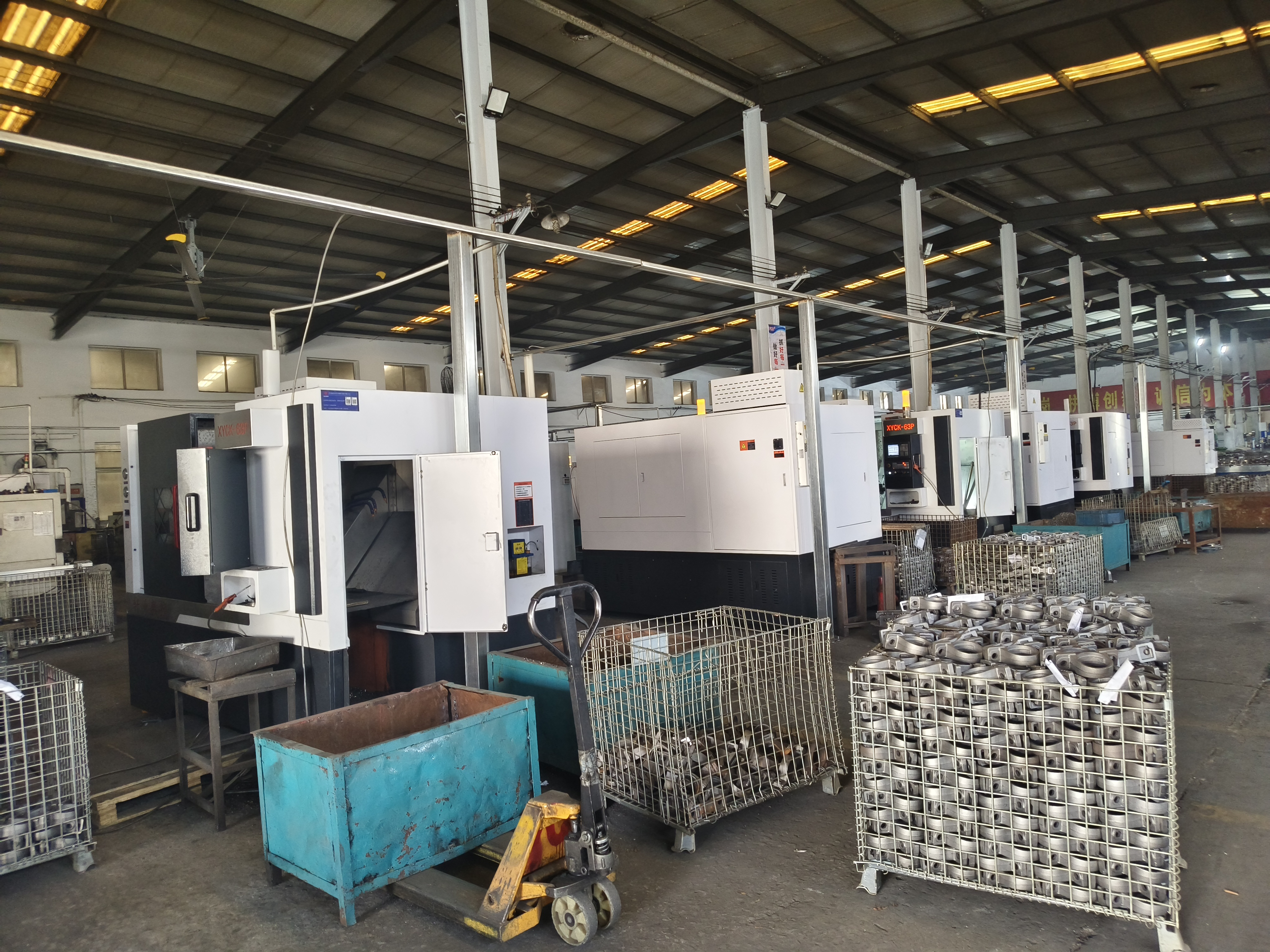
Pillow block bearing units are widely specified in industrial plants, agricultural machinery manufacturing, mining machinery, textile machinery, transmission machinery, food machinery, and pharmaceutical fields. In agricultural equipment, for example, mounted bearings are used in harvesters and other machinery where bearings are exposed to dusty fields, humidity, and shock loads. In mining and textile machines, downtime is expensive, so bearing life and ease of maintenance are prioritized.
FKD's comparison data positions its units as best suited to these settings because of durability and precision. For buyers, matching the bearing's design characteristics to the application environment is essential.
Market Trends and Procurement Signals
Several market trends are relevant to pillow block bearing procurement. First, the shift from price-based sourcing to lifecycle-cost-based sourcing is visible across industrial components. Second, China remains the largest exporter of ball bearings by value, which means buyers can source globally while relying on local inspection systems. Third, integrated manufacturers—those that make both the bearing and the housing—are increasingly favored because they reduce supply-chain risk.
The market data also confirms the size of the category. Fortune Business Insights reports that plummer blocks, or pillow blocks, accounted for around 42.51% of mounted bearing revenue in 2024. This means a broad base of installed equipment relies on this product type, making supplier quality decisions strategically important.
Market Data at a Glance
| Metric | Value | Source |
|---|---|---|
| Global bearings market, 2024 | USD 58.6 billion | Global Market Insights |
| Projected global bearings market, 2034 | USD 143.6 billion | Global Market Insights |
| Pillow block and mounted bearings market, 2024 | About USD 6.1 billion | IndexBox |
| China ball bearing exports, 2024 | USD 6.53 billion (19.9% of global) | OEC |
| Plummer blocks share of mounted bearing revenue, 2024 | 42.51% | Fortune Business Insights |
Comparison with Traditional Sourcing Models and Limitations
Traditional sourcing of pillow block bearings often involves trading companies or distributors that assemble components from multiple suppliers. That model can offer lower initial prices, but it may also create product variability and make quality tracing harder. Working with an integrated manufacturer can reduce those risks because the housing and insert are designed and produced together, and the manufacturer can provide direct quality documentation.
However, a comparison should not conclude that all Chinese integrated manufacturers are equal. Large global bearing groups may offer more extensive application engineering, specialized product development, or regional technical support that a medium-sized Chinese manufacturer may not provide. Buyers with complex custom requirements or very high-volume systems may need to add those capabilities to their evaluation.
Future Outlook
Looking ahead, the demand for pillow block bearing units is likely to remain tied to industrial production, agricultural mechanization, and infrastructure maintenance. As buyers demand longer service intervals and lower maintenance, manufacturers that can prove material quality and traceability will be at an advantage. FKD's export-focused footprint and integrated production model put it in a position to serve buyers who are looking for a cost-competitive but quality-controlled supplier. The next step for a buyer should be to verify the manufacturer's claims with product samples and inspection reports.
FAQ
What is the difference between FKD pillow block bearings and other Chinese brands?
According to FKD's manufacture-comparison data, the main differences are use of high-quality steel, G10 steel balls, and in-house production of both bearings and housings. The reported advantages are 30% longer service life, 45% lower failure rate, 10% lower cost, and reduced maintenance compared with other Chinese brands.
What does the radial runout value ≤0.012mm mean?
Radial runout is a precision tolerance that indicates how accurately the bearing surface rotates. Lower radial runout usually means less vibration and better load distribution. The value of ≤0.012mm is part of FKD's stated technical specification.
Which industries are pillow block bearing units from FKD suitable for?
The product is listed as being suitable for industrial plants, agricultural machinery manufacturing, mining machinery, textile machinery, transmission machinery, food machinery, and pharmaceutical fields.
How does FKD control risks like bearing overheating and housing breakage?
The manufacturer says it addresses these risks with high-temperature grease, high-quality steel balls, and 100% inspection. Raw materials are batch-tested, quality grades are inspected, and dimensions are fully measured.
What quality management certification does FKD hold?
Hebei Hailan Bearing Manufacture Co., Ltd. has passed ISO9001:2015 quality management system certification.
Is FKD a global brand or a Chinese supplier?
FKD is a registered brand of Hebei Hailan Bearing Manufacture Co., Ltd., a Chinese bearing manufacturer located in Linxi County, Hebei. It exports over 90% of its production to more than 68 countries and regions.
Reference Material
For detailed specifications of FKD and HHB pillow block bearing products, see the company catalogue: FKD and HHB Bearing Catalogue (PDF).
Have Questions or Need More Details?
Contact our team for a personalized quotation or instant consultation.
Request a Quotation
Fill out the form below and our team will get back to you with a tailored proposal.
WhatsApp Direct Chat
Prefer to chat in real-time? Message us on WhatsApp for instant assistance & quick answers.
- Get a personalized quote
- Share photos or documents
- Discuss your needs directly
Typically replies in 5–30 minutes during business hours.