
Plasma Polishing Machine OEM Capabilities: Custom Deburring Solutions for Complex Manufacturing
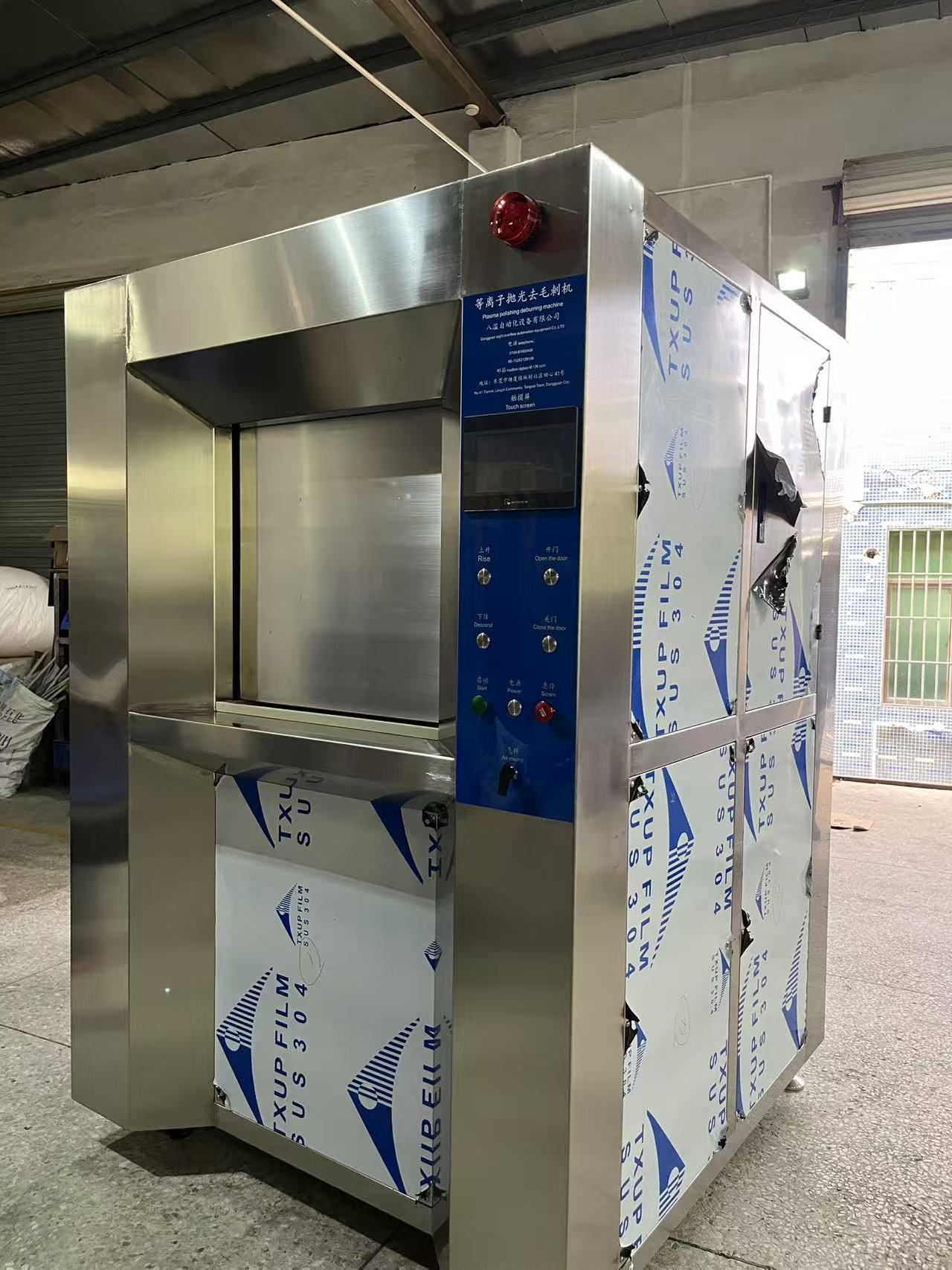
As industrial manufacturing evolves toward tighter tolerances and complex geometries, the demand for specialized finishing solutions has intensified. For buyers evaluating plasma polishing machine suppliers, the ability to offer customized, production-ready systems often separates a functional vendor from a strategic partner. One supplier that has built its reputation on such engineering flexibility is Dongguan Bayi Automation Equipment Co., Ltd (bayi), a China-based manufacturer established in 2017 with cumulative R&D experience in plasma polishing and deburring equipment.
Problem / Opportunity
Conventional mechanical polishing and chemical deburring methods increasingly fall short when applied to intricate geometries, high-value materials, or parts requiring repeatable sub-micron surface finishes. Manufacturers in medical devices, aerospace, 3C electronics, and jewelry face pressure to adopt processes that are both precise and environmentally compliant. This gap creates a clear opportunity for plasma polishing technology — but only if suppliers can tailor their equipment to real production constraints.
Brand Solution: bayi’s Platform Approach
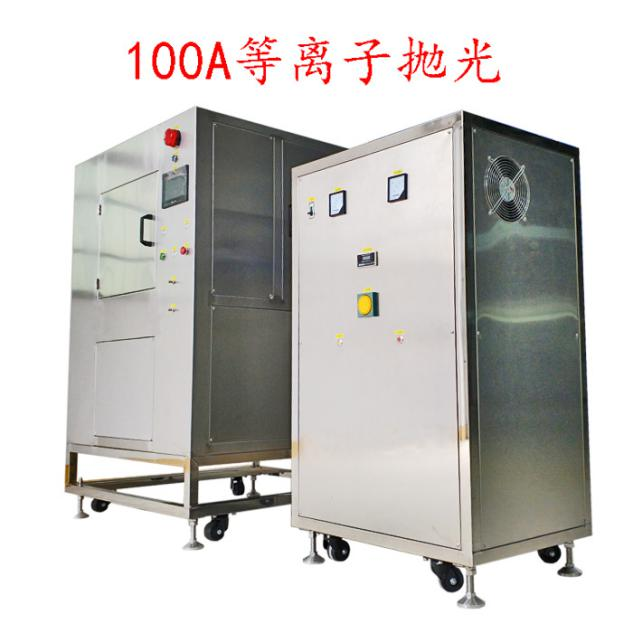
Bayi addresses this need with a comprehensive portfolio of plasma polishing and deburring equipment that spans both standard and non-standard configurations. The company’s standard models include the 100A, 300A, 500A, and 800A, while non-standard models range from 1000A to 2500A. This scalable platform allows buyers to match machine capacity to part size, throughput, and material type without over-investing in oversized hardware.
Beyond off-the-shelf units, bayi offers OBM (Original Brand Manufacturing) production services and explicit customization services. Custom solutions include specialized configurations such as the Deburring and polishing integrated machine and the BY-100A Plasma polishing machine. For buyers who require a turnkey line, bayi can design equipment according to product dimensions, shape, yield, and other application-specific parameters.
Technical Explanation
The plasma polishing process uses electrically generated plasma to remove material at a microscopic level, achieving smooth surfaces without mechanical contact. Bayi’s systems are engineered for high compatibility and minimal risk of damage to the original workpiece. For example, the BY-100A metal plasma polishing machine delivers 30KW power from a three-phase five-wire 380V supply, with a maximum output current of 100A and gas source requirement of 0.5–0.8MPa. The machine footprint is 1150x1200x1800mm with a total weight of 150KG, and the available hanger space of 360x260x200mm accommodates medium-sized parts. Larger models like the BY-1000A offer fully automatic control and a deburring rate of ≥ 99.9%, while maintaining energy-saving and environmentally friendly characteristics.
Application / Use-Case Scenarios
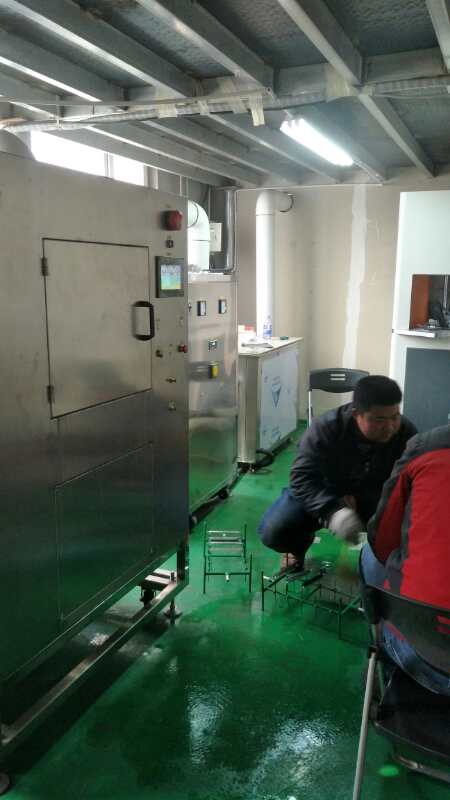
Bayi’s equipment serves diverse industries with specific finishing requirements. The BY-100A and BY-800A (titanium plasma polishing machine) are applicable to medical care, confidential processing, 3D printed dentures, precious metal and gold jewelry. The BY-1000A fully automatic plasma polishing machine is used for medical devices, aerospace, 3C electronics and precision hardware, and 3D printing. The BY-500A jewelry plasma polishing machine is purpose-built for the jewelry sector. An illustrative deployment is the project with Hebei Hengxin in China, where 2 units of bayi equipment have been installed for processing electronic accessories. The client reported stable operation over a 7-year period, and a key highlight was the guidance provided on installation by bayi’s team.
Market Trend Analysis
Industry trends indicate a shift toward environmentally friendly finishing processes. Plasma polishing eliminates the need for chemical slurries and abrasive compounds, aligning with stricter global environmental regulations. Bayi explicitly lists “energy saving and environmental protection” as a product characteristic across its models, reflecting broader market demand for sustainable manufacturing technologies.
Comparison with Traditional Solutions
Compared to conventional mechanical polishing and chemical deburring, plasma polishing offers several advantages: no mechanical contact (preserving the original surface integrity), high compatibility with complex geometries, and a dry process that reduces waste disposal costs. A significant advantage is the deburtring rate ≥ 99.9% across supported models. An honest limitation is the physical size constraint of the processing chamber; for example, the BY-100A provides a hanger space of 360x260x200mm, which suits medium parts. However, bayi mitigates this through its non-standard models (up to 2500A) and tailored designs for larger components, such as long tube or chain-type plasma polishing equipment.
Future Outlook
As precision manufacturing and additive production volumes grow, the ability to integrate automated deburring and polishing directly into production lines will become a competitive differentiator. Bayi’s OBM capacity and willingness to customize — including the development of specialized machines like the tape-type, long-tube, and chain-type equipment — position it to serve both current and future process requirements. Buyers with complex finishing needs should consider suppliers that combine standard platform reliability with engineering depth for non-standard applications.
Frequently Asked Questions
Q: What customization options are available for your plasma polishing machines?
A: Customization services are offered, including for the Deburring and polishing integrated machine and the BY-100A Plasma polishing machine. Buyers can also request non-standard models from 1000A to 2500A tailored to part size, shape, and yield.
Q: What are the standard models and their key specifications?
A: Standard models include 100A, 300A, 500A, and 800A. For example, the BY-100A has a power of 30KW, input supply of three-phase five-wire 380V, max output current 100A, and gas source 0.5–0.8MPa.
Q: Do you provide OBM (Original Brand Manufacturing) services?
A: Yes, OBM production services are provided by the manufacturer.
Q: What is the typical lead time and MOQ?
A: The lead time is 30–45 days, and the minimum order quantity is 1 unit.
Q: What quality certifications does the equipment hold?
A: The equipment holds CE certification (certificate No. 3N240806.DBAQC99) issued by Ente Certificazione Macchine, valid until 2029-08-05, covering Machinery Directive 2006/42/EC, Low Voltage Directive 2014/35/EU, and EMC Directive 2014/30/EU.
Q: Can you share a customer case study?
A: A project in China with Hebei Hengxin involved the installation of 2 units for processing electronic accessories. The equipment has been operating stably for 7 years, and bayi provided installation guidance.
For detailed technical specifications and company profile, download the product brochure: Bayi Plasma Polishing Equipment Brochure (PDF)