
Plastic Strapping as a Category: What a Buyer Should Verify First
Plastic strapping is one of the most widely used yet under-explained material categories in industrial logistics and export packaging. It is not a single product but a family of polypropylene (PP), polyester (PET), and recyclable or specialty strapping grades that behave differently under load, temperature, machine speed, and outdoor exposure. This industry reference explains what those material choices mean in practice and what evidence a buyer should look for before sourcing.
Plastic strapping as an industrial purchasing category
In modern plants and distribution centers, plastic strapping performs a straightforward task: keeping bundles, bales, pallets, and cartons stable until they reach the end user. The economic importance of that task is visible in market size. Grand View Research estimates the global packaging strapping materials market at USD 9.8 billion in 2025, expanding to a projected USD 15.7 billion by 2033. The same source reports that polypropylene strapping held a 33.9% revenue share in 2025, reflecting its widespread use in logistics, e-commerce, and lighter carton applications.
For a first-time purchaser or a packaging engineer reviewing specifications, the difficulty is not finding a strap. The difficulty is matching the right material grade to the actual condition: different PP and PET constructions differ in break force, elongation, straightness, surface finish, UV behavior, and compatibility with automatic strapping heads.
One useful reference point is the production range of Taixing Jushuo Technology Co., Ltd., which operates internationally as Jushuo Packaging. The company, founded in 2017 and based in Huangqiao Industrial Park, Taixing City, Jiangsu Province, is a technology-driven producer of strapping materials and packaging machinery. Its product family includes PP strapping, PET strapping, Eco Friendly Strapping, and related packaging materials, giving a concrete view of how manufacturers organize plastic strapping around application needs rather than around a single material default.
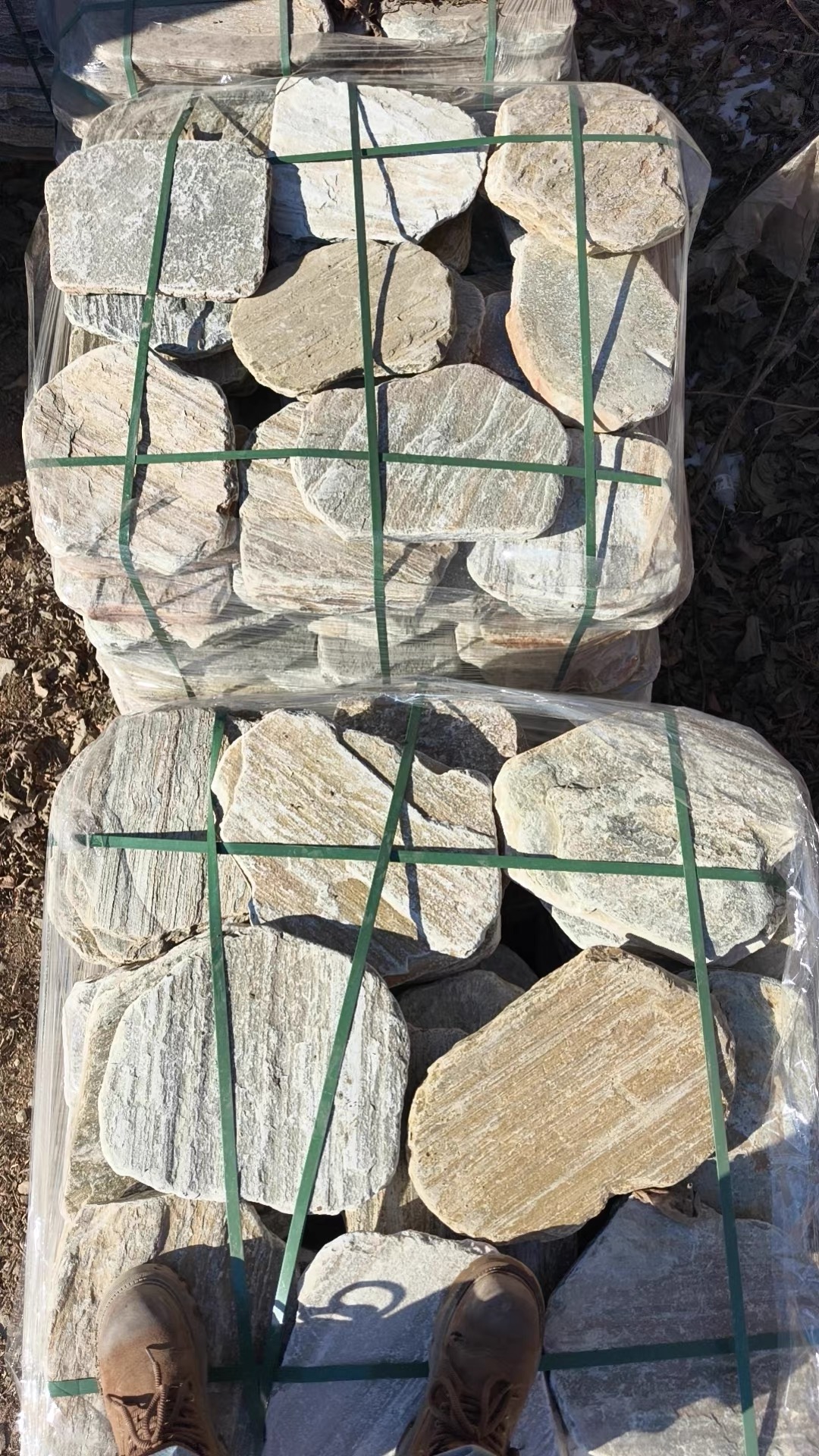
PET strapping in stone slab bundling: a typical semi-automatic or manual heavy-load scenario.
Why the problem starts with material classification
Plastic strapping is commonly divided into two broad families: PP (polypropylene) and PET (polyethylene terephthalate). Buyers also encounter terms that describe the same PET product family, such as polyester strapping, polypropylene banding, PP band, PP strapping band, PET banding, and PET strapping roll. The naming differences matter less than the material and the machine grade, because those factors determine what the strap can hold and how reliably it feeds through equipment.
From a purchasing standpoint, the first risk is treating a lower-cost PP product as an equivalent substitute for PET in heavy loads. The second risk is ignoring production quality signals, such as straightness and grammage consistency, which have no obvious relation to raw material price but strongly affect machine uptime. Third, environmental requirements are becoming part of the specification itself, not an optional add-on.
Material categories at a glance
| Material | Typical position in packaging | Common dimensional range | Reference standard from one Chinese manufacturer example |
|---|---|---|---|
| PP strapping | Light to medium-heavy cartons, palletized consumer goods, paper bundles, logistics parcels, and similar applications where economy is a major factor. | About 5–19 mm width and 0.35–0.90 mm thickness in available product series. | QB/T 3811-1999 |
| PET strapping | Heavy loads such as metal products, stone slabs, glass packs, brick pallets, chemical fiber bales, lumber, and export container loads. | About 9–25 mm width and 0.40–1.27 mm thickness in available product series. | GB/T 22344-2018 |
| Eco Friendly Strapping | Logistics, warehousing, export shipping, and baling operations with recyclability or fire-safety requirements. | Recyclable PP and PET options; flame-retardant formulations available. | RoHS compliance and related environmental requirements |
Manufacturer capability as a reference signal
In this industry, material claims become easier to evaluate when a supplier has a visible production system. Jushuo Packaging operates an over 20,000-ton annual capacity with a monthly capacity over 1,700 tons. The manufacturing floor contains 4 PET strap production lines, 5 PP strap production lines, and 2 sets of Solid State Polymerization (SSP) equipment. That specific combination is relevant because it reflects both scale and the ability to control process quality in-house.
The company's R&D team includes 13 engineers and, according to its corporate record, it was granted five invention patents in 2024. It holds ISO 9001 and ISO 14001 certifications, and its finished product qualification rate is reported above 99%. These are first-party facts, but they are the type of facts a buyer would later verify with certification documents, product testing records, and audit visits.
Technical explanation: how PP and PET strapping are made
Strapping performance does not begin at the roll. It begins with the resin and the production process that aligns the polymer structure to give the strap its tensile behavior.
PP strap production
PP strapping is typically produced through a sequence that includes multi-zone heating extrusion, water cooling, differential roller stretching, embossing, hot-air setting, and automatic winding. Stretching orients the polypropylene molecular chains, increasing the force required to break the strap. The process also influences elongation: a standard PP strap is comparatively more economical but shows higher elongation than PET. In the product data for Jushuo PP grades, common break force spans from about 45 kg to 270 kg depending on width and thickness, with many PP products specified at elongation below 15–20%.
PET strap production
PET strap production is more demanding because PET is used where loads are heavy and tension retention over time is critical. A key step in higher-performance polyester strapping is solid-state polymerization, which raises the intrinsic viscosity of the PET resin before stretching. Jushuo records describe the process as SSP for IV enhancement, followed by biaxial or uniaxial stretching at a ratio of roughly 4 to 9 times, and then hot-air annealing. The result is a strap with tensile strength reported in the 380–500 MPa range and elongation often below 10%, with reinforced grades achieving elongation below 6%.
This is why PET products are positioned as a steel-replacement alternative rather than as a low-cost substitute for PP. A 25 mm PET strap in the high-strength range can be specified with break force up to 1,360 kg; a 12 mm PET strap is tested at break force of 3,000 N or higher in the Jushuo testing record. PET is also rust-proof, about one-sixth the density of steel, and 100% recyclable in declared product descriptions.
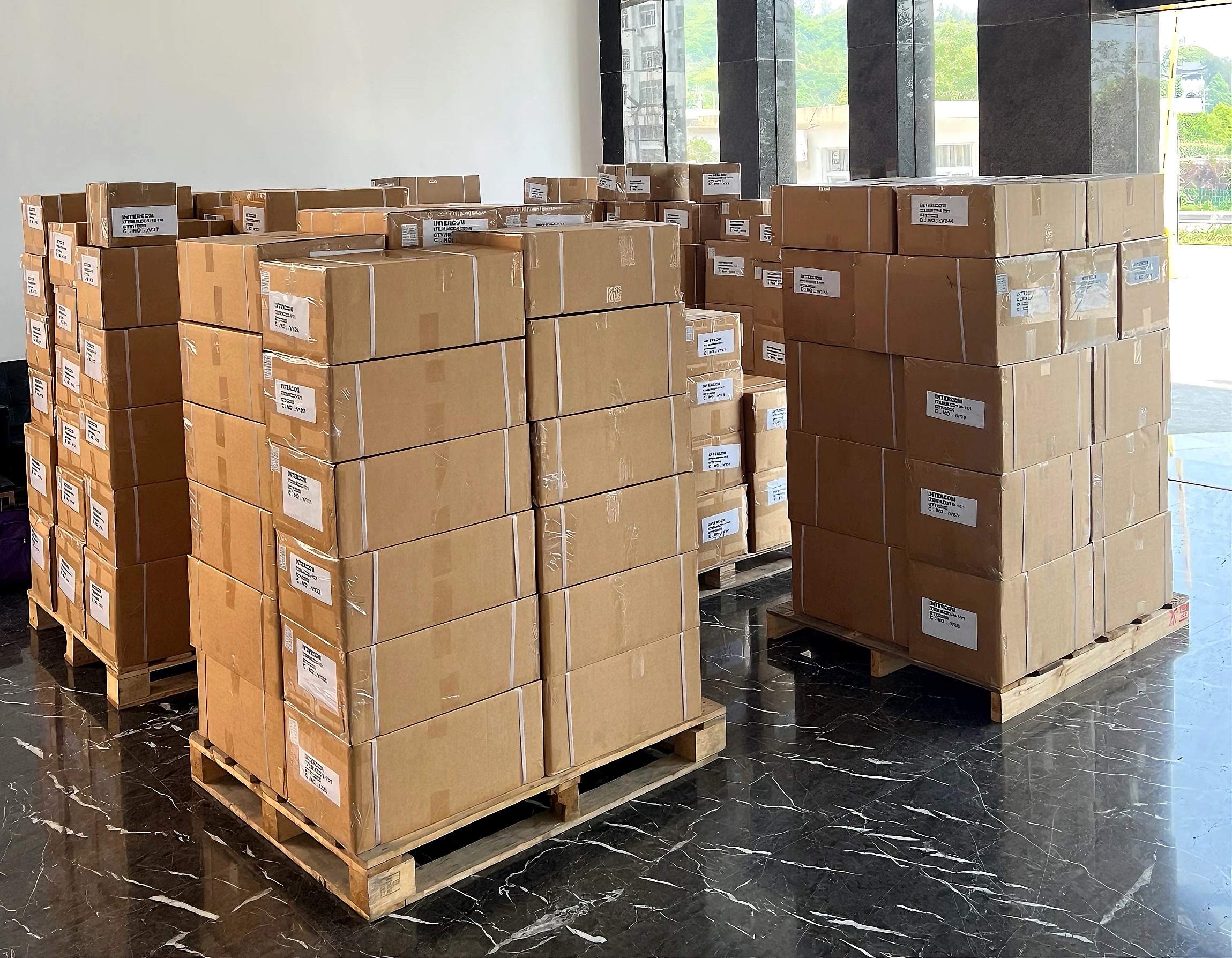
Machine-grade PP strapping in a carton-intensive environment, where straightness and print quality matter.
Measurable parameters that define plastic strapping
Buyers interpreting a technical datasheet should look beyond width and color. The parameters below appear repeatedly in plastic strapping specifications and have direct consequences.
| Parameter | Meaning | Why it matters |
|---|---|---|
| Break force | The load at which the strap breaks. | Determines whether the strap can secure the weight and shock forces of the bundle. |
| Elongation | The amount the strap stretches before breakage. | Lower elongation helps maintain tension on compressed or settled loads, such as cotton or chemical fiber bales. |
| Straightness or deflection | Lateral deviation per unit length, often expressed as a maximum like 5 mm/m. | Poor straightness causes twisting and jamming inside automatic strapping machine chutes. |
| Grammage | Weight per meter of strap. | For high-volume paper and carton lines, precise grammage affects both packaging cost and line reliability. |
| Surface finish | Smooth or embossed. | Smooth types feed faster; embossed types add friction and grip. |
| Additives or formulations | Anti-UV, anti-static, flame-retardant, anti-hydrolysis, and low-temperature variants. | Matching the formulation to storage or transport conditions prevents premature failure. |
Application scenarios: where each strap type is used
Strapping suppliers organize their products around real working conditions, not only around dimensions. The following application mapping summarizes representative scenarios from Jushuo's documented use cases and product records.
| Working environment | Typical product choice | Main requirement |
|---|---|---|
| Steel coils, aluminum ingots, pipes, and metal processing output | High-tensile PET strap in 19 mm and 25 mm widths, in some cases 16 mm for medium loads | Steel-like strength, low elongation, no rust contamination, safer handling than steel. |
| Stone slabs and blocks for export | PET strap in 16 mm and 19 mm widths with edge protection | No rust or oil stains on stone; resistance to shifting during sea transport. |
| Construction bricks, blocks, and building materials | Anti-UV PET strap, often embossed | Retention after weeks of outdoor sun exposure; reduced pallet collapse risk. |
| Glass products and glass packs | PET strap with smooth, burr-free edges; green or transparent versions for visual distinction | No scratching; consistent tension; clean presentation. |
| Chemical fiber, viscose, cotton, and textile bales | Low-elongation PET baling strap; in some lines, dedicated fiber bale PP strap | Preventing bale spring-back; smooth surface to avoid fiber snagging. |
| Paper reams, tissue, cartons, and ceramic tiles | Machine-grade PP strap often in 5–12 mm widths | High straightness, precise grammage, jamming-free feeding at high speed. |
| Electronics and FMCG cartons | Printed PP strapping or clear PP strap | Brand printing quality, smooth feeding, and barcode readability. |
| Cold chain or low-temperature environments | PET strap with low-temperature anti-brittle treatment | Flexibility at very low temperatures without fracture. |
Market trends and their effect on strapping buyers
Several verified market signals are worth reading into a purchasing decision. First, PET strapping is not a marginal segment. Cognitive Market Research projects the global PET strapping market to grow at a CAGR of 5.8% from 2024 to 2033, reaching USD 1.44 billion. That growth is consistent with the industrial shift away from steel strapping where corrosion, weight, and worker safety are concerns.
Second, sustainability is entering the specification. Industry Research reports that recycled PET accounted for 34% of global strapping production in 2024. A strapping manufacturer that offers eco-friendly alternatives, including recyclable PP and PET, is responding to that shift. Jushuo's Eco Friendly Strapping series, for example, includes recyclable PP straps, recyclable PET straps, flame-retardant straps, and high-strength chemical fiber PET straps, allowing a buyer to choose a lower-impact option without changing the existing strapping machine.
Third, standards create a common language for buyers across borders. ASTM D3950-23 classifies nonmetallic strapping into material types for packaging and shipping, while EN 13394:2001 specifies dimensions and physical properties for non-metallic tensional strapping including PP and PET. In China, GB/T 22344-2018 is referenced for PET strap production and QB/T 3811-1999 for PP strap production. A buyer sourcing internationally should ask which standard applies and request test reports from an independent laboratory.
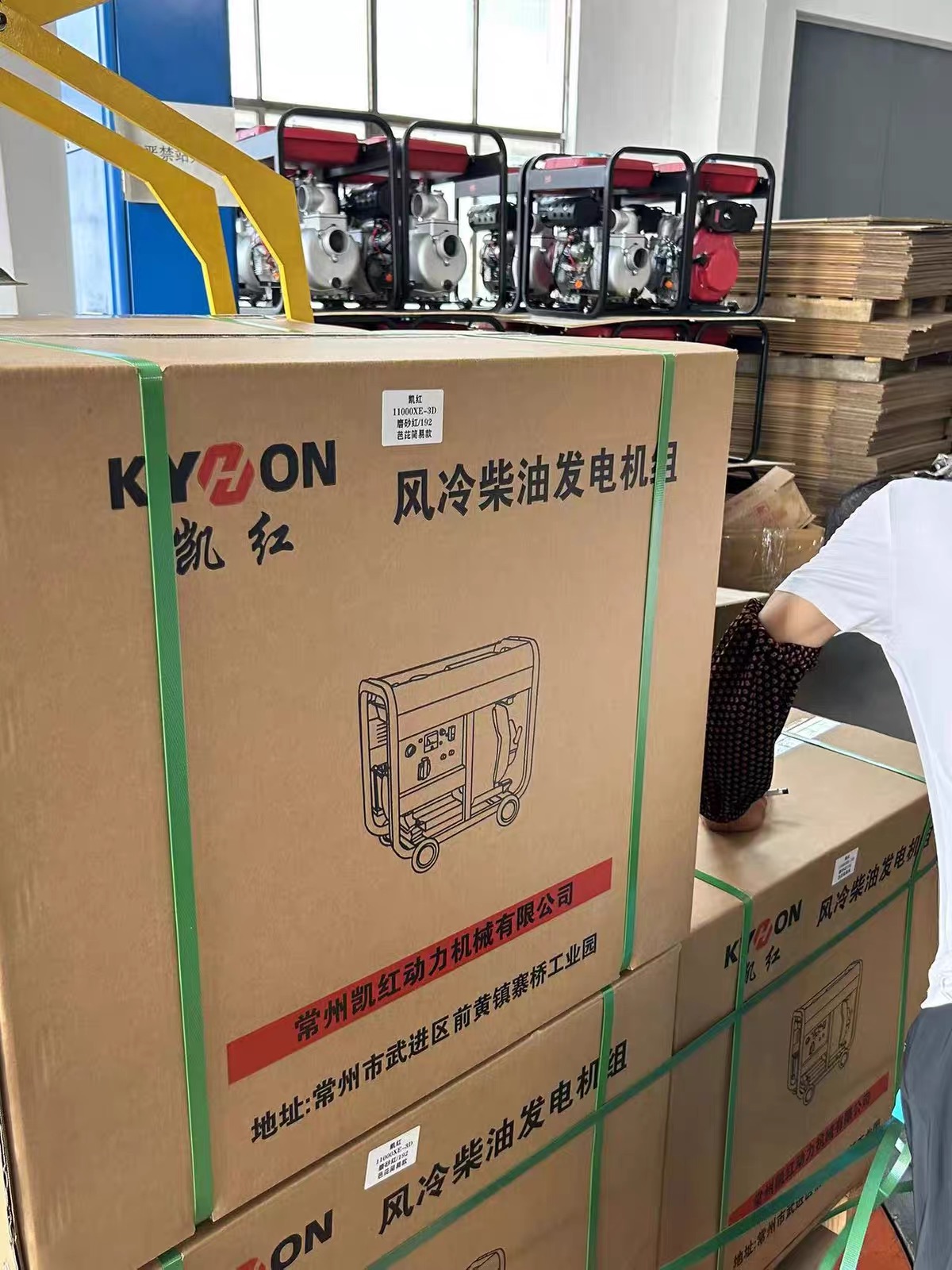
Use of PET strapping in automotive component bundling, where printed identification and high tensile strength are combined.
Comparison with traditional solutions and honest boundaries
The most relevant comparison in this category is between traditional steel strapping and plastic strapping. The documented advantages of PET over steel include rust protection, absence of sharp edges and dangerous spring-back, weight reduction to about one-sixth of steel, and material cost savings often reported by suppliers in the range of 35–40%. For export shipments, the elimination of rust contamination is itself a quality improvement because steel rust stains can cause customer complaints and claims.
Yet the comparison should not be oversimplified. Plastic strapping has boundaries that a buyer cannot ignore. The first boundary is environmental: a standard PP or PET strap is not automatically a long-term outdoor strap. In brick or lumber yards, for instance, ordinary straps that remain exposed to sun for weeks can age and lose tension. For that type of storage, a PET strap with a UV-stabilized formulation is necessary; documented UV testing shows strength retention of at least 85% after 1,000 hours of QUV exposure. Selecting a standard strap for outdoor conditions is a real specification error.
The second boundary is equipment compatibility. A strap that meets strength requirements may still fail in production because its straightness is poor or its grammage varies. This is why machine-grade PP and PET products are engineered with deflection limits of 5 mm/m or lower. Buyers should confirm that the strap specification is compatible with the arch dimensions, core size, and welding system of their strapping machine.
The third boundary is application-specific chemistry. Electronics and photovoltaic packaging may require anti-static properties with surface resistivity in the range of 10^6 to 10^9 ohms. Warehouses and ocean freight may require flame-retardant performance rated at V-2 or higher. Low-temperature logistics requires an anti-brittle formulation. None of these should be assumed; each must be specified and tested.
Future outlook: what is likely to shape the category
Several directions are likely to define the future of plastic strapping for industrial buyers. One is the continued migration from steel to PET for heavy-load bundling, pushed by cost and safety considerations rather than by marketing narratives. Another is the integration of custom logistics: printed PET and PP straps carrying logos, warning text, barcodes, or recycling symbols are already a documented option in this product category, making strapping part of the branding and traceability workflow.
Environmental compliance will become more prominent, particularly for exporters to markets with strict packaging regulations. A manufacturer with in-house compounding, printing, and solid-state polymerization capability is positioned better to respond to such requirements than one that merely repacks imported coils. At the same time, quality control practices, such as online thickness and grammage measurement, six-stage inspection procedures, and traceable SGS reports, will stay essential. These elements turn a commodity purchase into an engineered decision.
Finally, the rise of packaging automation makes consistency a competitive parameter. As more plants move toward 24/7 automatic strapping, the value of a roll lies in its predictable feeding behavior as much as in its break force. A supplier that can document stable straightness, precise grammage, and strong heat-seal welding is supplying not just a roll of strap but a contribution to line uptime.
FAQ
What is plastic strapping and how is it classified?
Plastic strapping is a non-metallic strapping material used to bundle, secure, and stabilize cartons, pallets, bales, and industrial loads. It is commonly classified by material: PP strapping, PET strapping, and Eco Friendly Strapping made from recyclable PP or PET. In international trade, nonmetallic strapping is also classified by standards such as ASTM D3950-23, EN 13394:2001, GB/T 22344-2018 for PET, and QB/T 3811-1999 for PP.
What is the difference between PP strapping and PET strapping?
PP strapping is a polypropylene-based material generally used for lighter to medium-heavy loads. It is more economical and easier to handle, with break force roughly from 45 kg to 270 kg depending on width and thickness in typical Jushuo product series. PET strapping, made from polyethylene terephthalate, has lower elongation and higher tensile performance; in documented product data it can reach break force up to 1,360 kg for a 25 mm heavy-duty strap. PET is often selected for loads that require steel-like strength without rust or sharp edges.
Which industries commonly use plastic strapping?
Plastic strapping is used across manufacturing, logistics, and export industries. Documented application environments include steel and aluminum products, stone slabs, brick and construction materials, glass products, chemical fiber bales, textile bales, paper reams, ceramic tiles, electronics cartons, cold-chain goods, and e-commerce parcels. The material type is selected according to load weight, storage conditions, and the type of strapping equipment in use.
Why is PET strapping replacing steel strapping in heavy industry?
PET strapping is rust-proof, has no sharp edges, does not spring back dangerously, and weighs about one-sixth as much as steel. In documented cases it provides breaking force comparable to steel for heavy bundling, while reported material cost savings are often 35–40% or more. It also eliminates rust contamination on export goods, which is a common source of customer complaints with steel strap.
Are there recyclable or fire-safety plastic strapping options?
Yes. Eco Friendly Strapping is available in recyclable PP and PET variants. Recycled PET accounted for approximately 34% of global strapping production in 2024, according to one industry estimate. Flame-retardant straps with performance rated at V-2 or higher are also documented for warehouse and ocean shipping applications, and RoHS-compliant strapping is commonly used for exports to regulated markets.
What parameters and evidence should a buyer check for plastic strapping?
A buyer should verify width, thickness, break force, elongation, straightness or deflection, grammage, surface finish, core size, and any required additives such as anti-UV, anti-static, or flame-retardant. Evidence should include the relevant product standard, ISO 9001 and ISO 14001 certification, SGS or equivalent independent test reports, and, when possible, application records from similar industries. Equipment compatibility should also be checked against the strap's straightness and core dimensions.
Have Questions or Need More Details?
Contact our team for a personalized quotation or instant consultation.
Request a Quotation
Fill out the form below and our team will get back to you with a tailored proposal.
WhatsApp Direct Chat
Prefer to chat in real-time? Message us on WhatsApp for instant assistance & quick answers.
- Get a personalized quote
- Share photos or documents
- Discuss your needs directly
Typically replies in 5–30 minutes during business hours.