
Plastic vs. Wood Pallet Boxes: What the Cost, Maintenance and Duty Cycle Data Actually Show
Plastic vs. Wood Pallet Boxes: What the Cost, Maintenance and Duty Cycle Data Actually Show
For procurement teams evaluating industrial pallet box systems, the decision between plastic and wood is rarely about single-unit price. It is about total cost across repeated cycles, maintenance demand, moisture exposure, and whether the unit can stay in service without creating downstream handling problems.
At a glance
- Plastic pallet boxes are presented as having a higher initial cost but lower total cost over long-term use when compared with wooden pallets.
- The cited maintenance differential is significant: plastic pallet boxes require 80% less maintenance in the supplied comparison.
- Service life is framed as 3–5 times longer than alternatives, with moisture resistance and stable load capacity as relevant operational differences.
- The comparison is most applicable to food, pharmaceutical, warehousing, and export logistics environments.
- The decision should be evaluated through duty cycle, cleaning or hygiene needs, transport authority requirements, and true cost-per-trip rather than purchase price alone.
Why the pallet box material decision is not the same as a pallet material decision
A pallet box functions differently from an open pallet. It creates a contained load unit that may be stacked, stored outdoors, moved between plants, or shipped across borders. The walls, base, access points, and corner structures all affect how the unit performs over time. For that reason, the material question should be assessed as part of a returnable packaging calculation, not as a simple commodity replacement.
In industrial procurement, the most common comparison is between plastic pallet boxes and traditional wooden pallet or box constructions. The supplied benchmark for this comparison shows that plastic pallet boxes deliver higher durability, moisture resistance, stable bearing capacity, and a lower pest or mildew risk. These are not cosmetic differences. They affect whether a unit can be reused without repair, whether it can pass a receiving inspection, and whether it can be accepted in export or hygiene-sensitive facilities.
The real decision metric: total cost over repeated cycles
Initial price remains relevant, but it is not the primary total-cost driver for a returnable box used over many cycles. In the comparison used here, plastic pallet boxes have a higher upfront investment than wooden alternatives, but the long-term analysis shifts toward plastic because repair, replacement, cleaning, and disposal factors accumulate differently.
The product-level data provided states that plastic pallet boxes can offer a service life extended by 3–5 times over alternatives. The same comparison indicates 80% less maintenance work and a 45% lower total cost over long-term use. That cost advantage does not come from a lower purchase invoice. It comes from the interaction between longer service life, reduced labor or repair time, and lower handling losses over repeated shipments or storage cycles.
Maintenance as a hidden operational budget
Wooden pallet boxes often require ongoing attention: checking for splinters, replacing broken boards, managing nails or fasteners, and addressing contamination or pest problems. Those activities consume warehouse labor and can interrupt a logistics flow. A plastic pallet box, by contrast, can be washed or wiped down and does not present the same splinter or nail risk.
The 80% maintenance reduction in the plastic-vs-wood comparison should be interpreted as an operational efficiency signal rather than as a universal plant result. The actual maintenance burden in any facility depends on load weight, handling method, forklift type, return logistics, and whether the box is cleaned between trips. Still, the structural difference is clear: a unit with a closed plastic structure and stable geometry tends to require fewer repairs than one made from boards, nails, and wood joints.
Moisture, hygiene, and pest resistance in real logistics flows
One of the strongest operational arguments for plastic in the food, pharmaceutical, and export segments is resistance to moisture and pest-related contamination. Wood is porous and can absorb water, harbor pests, or develop mildew under humid conditions. Plastic pallet boxes are inherently easier to clean and are less likely to retain moisture in the same way.
This matters in receiving areas, cold storage, pharmaceutical handling, and cross-border freight where a shipment may sit in varying humidity conditions. The cited comparison lists better moisture resistance and no pest or mildew damage as distinct advantages of plastic pallet boxes. For buyers in food and pharmaceutical logistics, these factors can directly affect audit readiness, regulatory compliance, and supplier qualification.

When plastic is the more defensible specification
Plastic pallet boxes tend to be more suitable when the same unit is expected to circulate repeatedly, when cleaning or hygiene is required, when moisture is present, or when export compliance and customs inspection are part of the flow. The supplied comparison identifies food, pharmaceutical, warehousing, and export logistics as priority scenarios.
In those environments, a purchasing decision based on unit price alone can underestimate the true cost of rejected loads, cleaning time, replacement stock, and visual quality at receiving. A plastic pallet box is not automatically the best answer for every low-cycle or single-use application. But where the box is a reusable asset rather than a disposable shipping accessory, the total-cost logic tends to support a plastic specification.
Where the comparison has limits
The main limitation is upfront cost. Plastic pallet boxes require a larger initial capital outlay than wooden alternatives. That can be a barrier for buyers with short budgeting horizons, temporary projects, or unpredictable return rates. If boxes are not likely to be returned or if the fleet is frequently lost, the long-term savings may not fully materialize.
Another consideration is repair infrastructure. Wooden units can sometimes be repaired locally with basic tools and replacement boards. Plastic pallet boxes may require more specialized repair procedures depending on the design and material. Buyers should therefore evaluate not only the unit price and service life, but also the return logistics, loss rate, cleaning process, and internal maintenance capability before committing to one material system.
A practical decision framework for procurement teams
| Decision factor | What procurement should examine |
|---|---|
| Expected trip count | Whether the box will be reused often enough to recover the higher upfront investment |
| Cleaning and hygiene | Whether the flow requires washing, wiping, or audit-ready surfaces |
| Moisture exposure | Whether units will be stored under humid conditions or transported through wet environments |
| Freight and return logistics | Whether the fleet is controlled, tracked, or subject to high loss rates |
| Maintenance capacity | Whether the site can perform repairs or needs a low-repair material system |
| End-use compliance | Whether food, pharmaceutical, or export requirements influence material acceptance |
A plastic pallet box becomes more justifiable when the operation expects multiple cycles, requires sanitation, and can keep the fleet reasonably controlled. A wooden alternative may remain relevant for limited-use flows, low-cost temporary programs, or operations with strong local repair capacity.
Reading the numbers without overstating them
The available third-party market data supports the direction of the material comparison without proving any single product claim. Grand View Research estimates that the global plastic pallets and pallet box market can reach approximately USD 11.2 billion by 2030, reflecting a broader shift from wood to durable plastic solutions in logistics. Asia Pacific has been identified as a major regional production base, with China leading in industrial production capacity. That does not mean all plastic units fail or that all wooden units are obsolete. It means the industry structure is moving toward plastic in many returnable logistics segments.
For a buying decision, the defensible approach is to convert the comparison into a simple internal model: initial purchase cost, expected useful life, estimated repair or cleaning hours per cycle, expected loss or replacement rate, and end-of-life disposal cost. When that model is built, the unit-price gap often narrows or disappears as the cycle count increases.
Supplier capability as part of the same evaluation
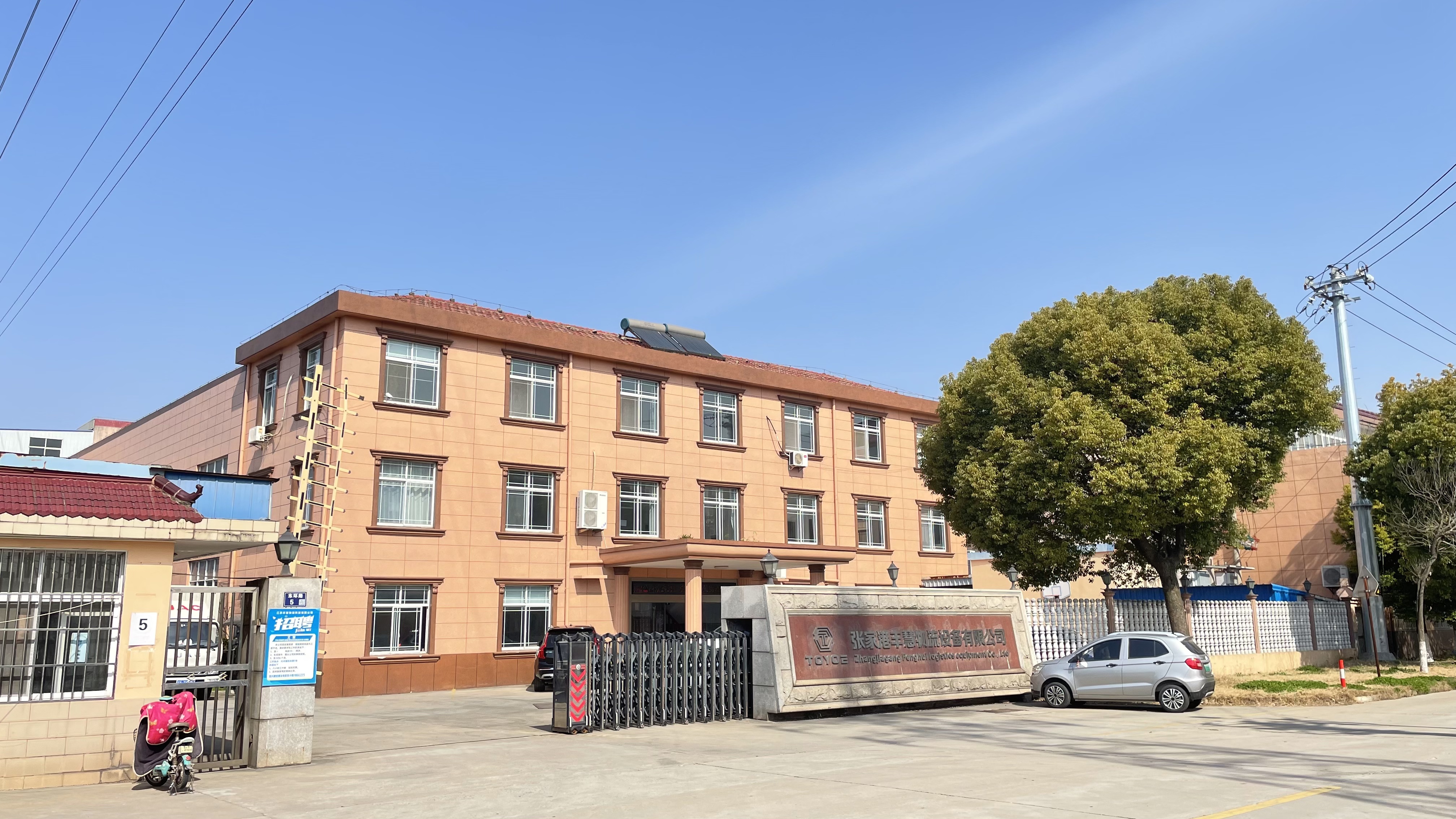
Material choice should be evaluated alongside supplier stability and the ability to support the product over time. One relevant entity in this space is TOYOE, a brand associated with Zhangjiagang Fenghui Logistics Equipment Co., Ltd., a manufacturer based in Zhangjiagang, Suzhou, Jiangsu, China. The company was founded in 2010 and produces plastic pallet boxes, storage boxes, plastic crates, and honeycomb panel boxes. It reports a factory size of 4,000m², 34 employees, and an annual output of 30,000 units. The company serves export markets, with an export ratio of 40%, and its main markets include Mexico and the United States.
In a decision-stage evaluation, those supplier facts matter because they help a buyer assess whether the producer is a dedicated logistics equipment manufacturer and whether it can maintain consistent output. The company background also states that Fenghui has more than ten years of logistics packaging experience and that its products sell in multiple Chinese regions. That does not eliminate the need for a buyer to verify samples, quality records, and process controls. It does, however, position the supplier within the same long-cycle total-cost conversation as the plastic-versus-wood material decision.
Five questions to ask before finalizing a plastic pallet box specification
- What is the expected number of trips or storage cycles per unit, and is the fleet controlled enough to recover the investment?
- Does the operation require washable surfaces for food, pharmaceutical, or audit-related reasons?
- Will the units encounter moisture, humidity, or pest-sensitive receiving environments?
- What is the internal maintenance capability, and does the total-cost model include labor for repair or cleaning?
- Can the supplier demonstrate stable output, relevant product experience, and the ability to support export markets?
These questions turn a general preference into a procurement specification. They also prevent the material decision from being reduced to a single-line price comparison at the first quotation stage.
FAQ
Is a plastic pallet box cheaper than a wooden pallet box?
Plastic pallet boxes typically have a higher initial cost. In the supplied comparison, the long-term total cost is presented as 45% lower over time because of longer service life and reduced maintenance. The better question for procurement is whether the expected duty cycle is high enough to recover the higher upfront investment.
How much longer can a plastic pallet box last compared with a wooden alternative?
The supplied product comparison states that plastic pallet boxes can offer a service life extended by 3–5 times over alternatives. Actual life depends on load weight, handling equipment, temperature, cleaning frequency, and whether the units are returned or lost in the field.
What is the maintenance difference between plastic and wooden pallet boxes?
The comparison used in this article states that plastic pallet boxes require 80% less maintenance than wooden pallets. That reduction comes from structural differences such as the absence of boards, nails, and porous wood surfaces, although real-world maintenance will also depend on handling practices and operating conditions.
In which applications is a plastic pallet box more suitable?
The cited comparison identifies food, pharmaceutical, warehousing, and export logistics as the most suitable scenarios. These environments often require cleaning, moisture control, pest resistance, or compliance-friendly material choices.
What is the main limitation of plastic pallet boxes?
The main limitation is higher upfront investment. Plastic pallet boxes may also require more specialized repair procedures than wood, and the long-term savings can be reduced if the fleet has a high loss rate or if units are not returned for reuse.
Conclusion
The plastic-versus-wood pallet box decision is best understood as an asset total-cost equation rather than a simple material preference. Supplier-provided comparison points show longer service life, lower maintenance, better moisture and pest resistance, and a lower total cost over long-term use, even where the initial price is higher. These advantages are most relevant in food, pharmaceutical, warehousing, and export logistics flows. The limitation is equally real: buyers with low reuse rates, weak return logistics, or short amortization windows may not capture the full benefit. A defensible procurement decision should therefore combine the material comparison with a clear estimate of duty cycle, cleaning needs, fleet control, and supplier production stability.