
Porcelain Tiles for Every Space: Project Adaptation by Monalisa
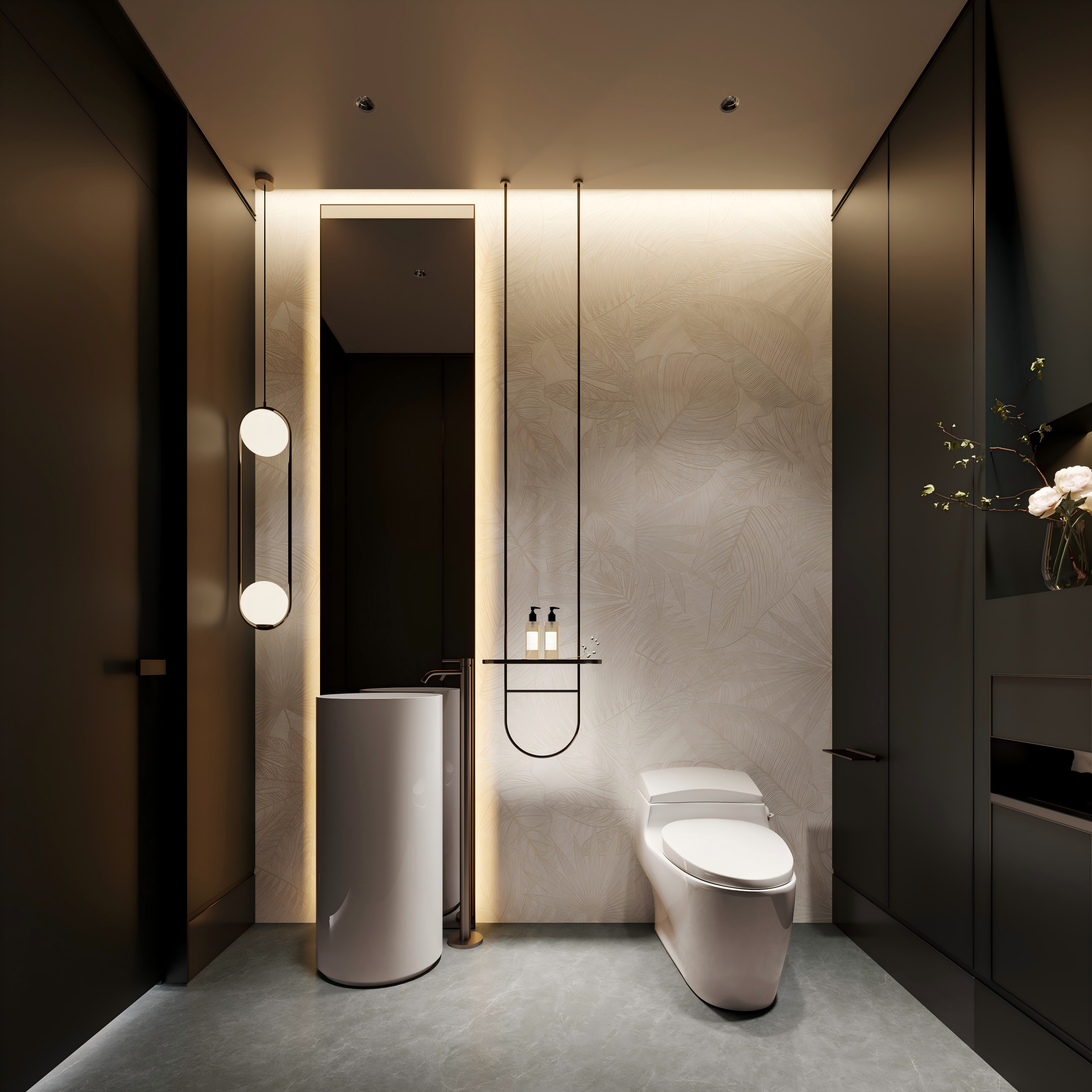
Porcelain tiles have become a default specification across residential, commercial, and public building projects because they combine durability with design flexibility. Monalisa Group Co., Ltd. (“Monalisa”), a high‑tech listed ceramic manufacturer founded in 1992 in Foshan, China, produces a range of porcelain tiles that are engineered to perform under diverse indoor and outdoor conditions. This article examines how Monalisa’s porcelain tile product line meets the specific requirements of different project scenarios, helping procurement professionals evaluate fit during the research‑to‑evaluation stage.
Problem / Opportunity
A single tile specification rarely suits all environments. Bathrooms demand slip resistance and waterproofing; commercial floors require scratch and stain resistance; outdoor plazas must withstand freeze‑thaw cycles and UV exposure. Procurement teams often struggle to balance performance, aesthetics, and cost across multiple zones within one project. The opportunity lies in selecting a supplier whose product portfolio covers these variations without compromising quality or lead times.
Brand Solution
Monalisa offers porcelain tiles that are designed for both indoor and outdoor operation. For example, product model 120‑270FEG12207M (a homogeneous body tile measuring 1200×2700×12 mm with a matte natural stone face) operates under indoor conditions such as normal temperature, dry or humid environments (e.g., bathrooms, kitchens) with occasional exposure to mild acid/alkaline cleaners. The same product is engineered for outdoor environments including sun exposure, rain, freeze‑thaw cycles (−20 °C to 40 °C), standing water, and mild chemical corrosion. It is permanently fixed to the building substrate in a static installation mode.
Another model, 8FMB10032PM (800×800×10 mm, glazed‑polished, Classic Stone), features 8 press phases and a polished glaze finish suitable for high‑traffic commercial spaces such as shopping malls and airports. These two models illustrate Monalisa’s ability to cover a wide application spectrum from residential living rooms to heavy‑duty public infrastructure.
Technical Explanation
Porcelain tile performance is defined by key parameters. Monalisa’s products maintain water absorption ≤0.5%, which qualifies them as full porcelain. Abrasion resistance ranges from PEI 3 to PEI 5 depending on the glaze layer, with PEI 4+ recommended for commercial/public areas. Slip resistance (R9–R11) is available, with R10+ required for wet zones. Stain resistance typically achieves Grade 5, and chemical resistance meets ULA class for industrial environments. Dimensional tolerance is controlled to length/width deviation ≤±0.2% and thickness deviation ≤±5%. For cold‑climate outdoor projects, freeze‑thaw stability is verified with no cracks after 100 cycles. All Monalisa porcelain tiles comply with Class A radioactive standards and carry CE certification for export markets.
Application / Use‑Case Scenarios
Monalisa’s porcelain tiles have been deployed in a documented airport project: Jogjakarta Airport in Indonesia used 80,000 m² of Monalisa porcelain tiles. The project achieved a 30% lower life‑cycle maintenance cost and a 15% saving on grouting materials and labor via tight‑joint installation. The breakage rate on site was <0.3%, reducing replacement losses. This real‑world case demonstrates the product’s suitability for high‑traffic public infrastructure in a tropical climate.
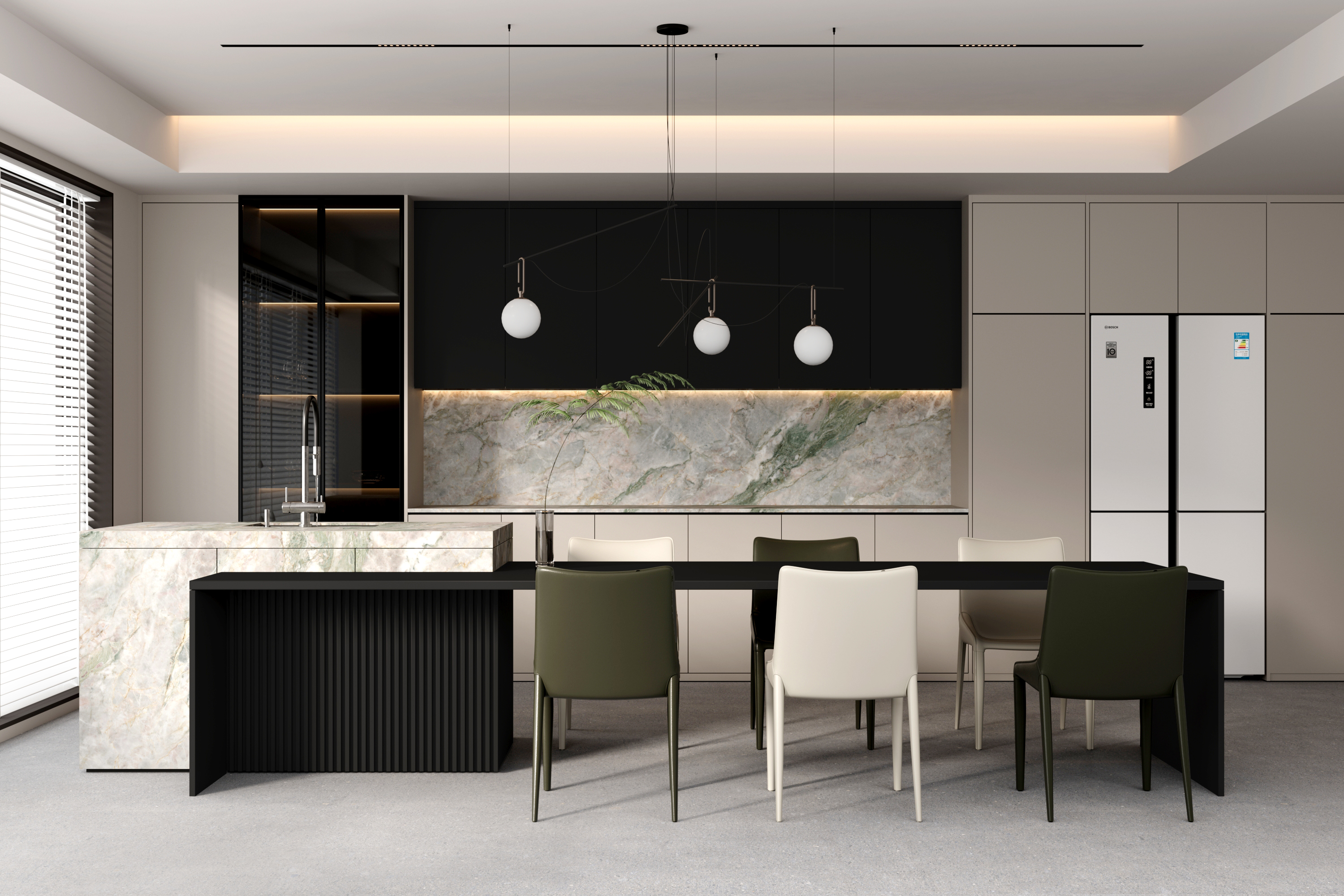
Beyond airports, the product family is applicable across residential construction (living rooms, kitchens, bathrooms, balconies), commercial spaces (shopping malls, office buildings, restaurants), public buildings (hospitals, schools, museums), municipal engineering (plazas, park trails, metro stations), and hospitality (guest rooms, pool surrounds, outdoor terraces). Special‑function tiles with anti‑slip, antibacterial, or anti‑static properties can be specified for industrial or healthcare projects.
Market Trend Analysis
Procurement teams increasingly demand products that reduce total cost of ownership without sacrificing aesthetics. The Jogjakarta Airport case illustrates how a single‑source porcelain tile can lower maintenance and installation costs. For large‑scale projects, Monalisa offers OEM/ODM customization (pattern, logo), a monthly capacity of 12.5 million m², and lead times of 7–15 days, enabling rapid, consistent delivery across phases.
Comparison with Traditional Solutions
Compared to natural stone or low‑grade ceramic tiles, Monalisa’s porcelain tiles provide higher scratch and stain resistance, lower water absorption, and more consistent dimensional accuracy. The glazed surface retains its appearance with minimal sealing or polishing. A limitation: porcelain tiles are heavier and require professional cutting equipment, increasing initial installation complexity versus some vinyl or laminate alternatives. However, once installed, their durability reduces long‑term replacement needs.
Future Outlook
As building codes tighten around fire safety, slip resistance, and environmental compliance, porcelain tiles will remain a preferred substrate for both new construction and renovation. Monalisa continues to expand its large‑format and digital‑printed lines (marble look, wood look, concrete look) that offer alternatives to natural materials without performance trade‑offs. For procurement managers evaluating suppliers, documented project references and technical certifications serve as critical decision criteria.
FAQ
Q: What technical parameters should I check when specifying porcelain tiles for a commercial floor project?
A: For commercial floors, key parameters include abrasion resistance (PEI 4+), water absorption (≤0.5%), stain resistance (Grade 5), slip resistance (R10+ for wet zones), and dimensional tolerance (length/width deviation ≤±0.2%). CE certification is required for many export markets. Monalisa’s porcelain tiles meet these standards, as verified by their ISO9001, ISO14001 certifications and product test reports.
Q: Can Monalisa porcelain tiles be used outdoors in freezing climates?
A: Yes. Product model 120‑270FEG12207M is engineered for outdoor environments including freeze‑thaw cycles from −20 °C to 40 °C. Monalisa’s tiles undergo freeze‑thaw stability testing to ensure no cracks after 100 cycles, making them suitable for plazas, park trails, and building facades in cold regions.
Q: How do Monalisa’s porcelain tiles compare with natural stone for high‑traffic public areas?
A: Porcelain tiles offer higher stain and scratch resistance than many natural stones, require no sealing, and maintain consistent color and pattern. The Jogjakarta Airport project demonstrated a 30% lower life‑cycle maintenance cost compared to alternative materials. One limitation is that porcelain cannot be refinished like stone if deeply scratched, though its surface hardness (Mohs 6–7) reduces that risk.
Q: What after‑sales support does Monalisa provide for large‑scale projects?
A: Monalisa offers a 5–15 year product warranty covering manufacturing defects, technical guidance on layout and installation, on‑site support for large projects, 24‑hour complaint response, stock reserve service (same‑batch tiles kept for 2 years), and training for distributors and installation teams. These services help ensure project continuity and reduce downtime.
For detailed product specifications and project references, download the company brochure: Monalisa Porcelain Tile Brochure (PDF).