
Porcelain vs Low-Grade Ceramics: A Data-Driven ROI Guide for Commercial Projects
Introduction
In commercial construction, tile selection directly impacts project budgets, maintenance cycles, and occupant safety. While low-grade ceramic tiles offer lower upfront material cost, porcelain tile project solutions increasingly dominate specifications for shopping malls, hotels, healthcare facilities, and educational buildings. The global ceramic and porcelain tiles market was valued at USD 226.4 billion in 2025, with porcelain tiles accounting for 52.4% of revenue, driven by their superior technical profile. For procurement teams evaluating long-term value, understanding the total cost of ownership and performance differentials is critical to avoid costly replacements and safety liabilities.
Problem & Opportunity: Hidden Costs in Low-Grade Ceramic
Low-grade ceramic tiles typically exhibit higher water absorption (>3%), lower breaking strength, and reduced wear resistance. In high-traffic commercial zones—such as shopping mall corridors, hotel lobbies, or school hallways—these deficiencies manifest as chipping, staining, and frequent replacement. The problem is compounded by installation challenges: lower flatness increases material waste and labour time. The opportunity lies in upgrading to fully vitrified porcelain tiles that meet R11/R12 anti-slip standards (DIN 51130) and low water absorption specifications (≤0.5%), enabling compliance with safety regulations and LEED v4.1 criteria.
Brand Solution: All-King Ceramics’ Direct-Factory Porcelain Tile Project Solutions
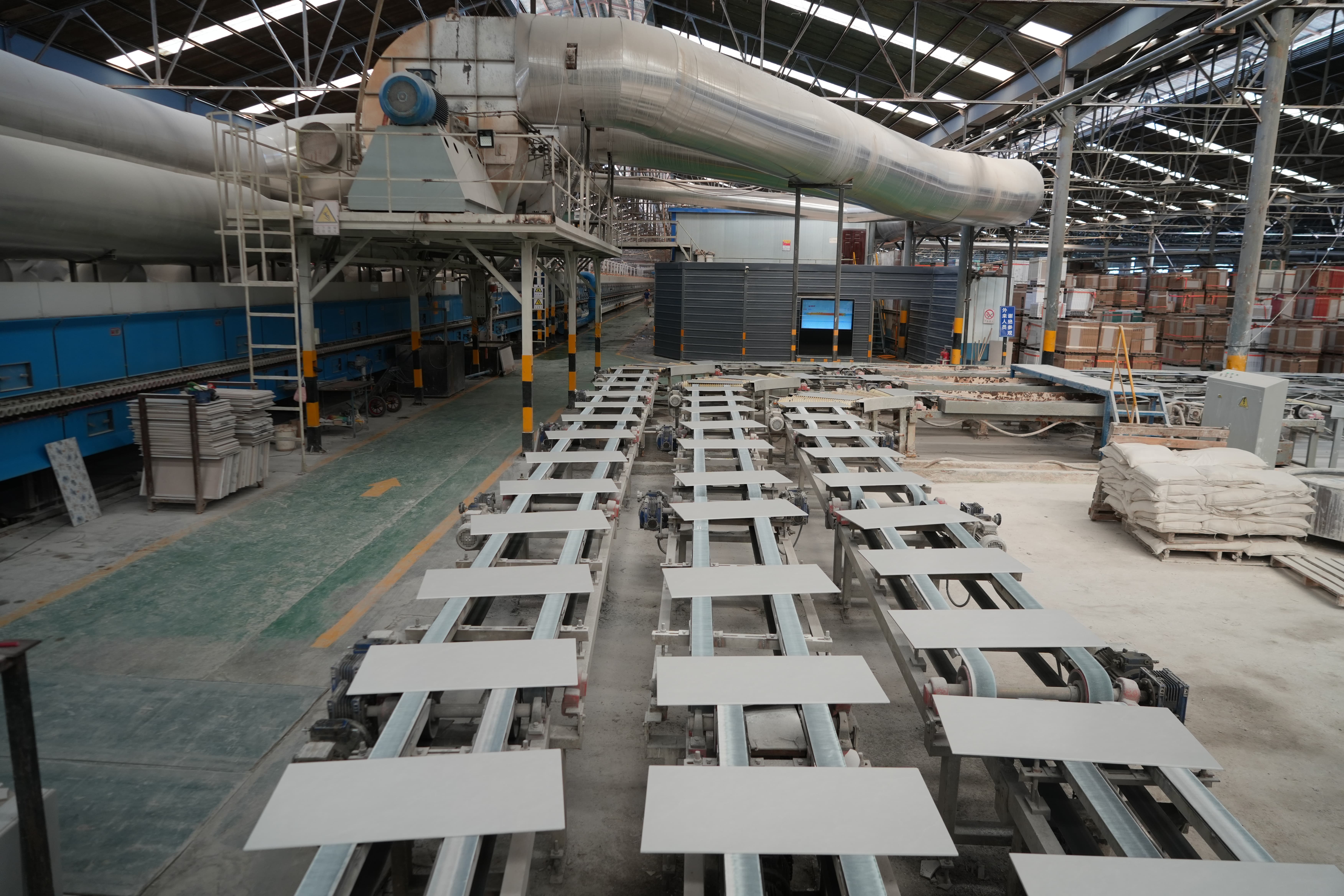
All-King Ceramics is a premier manufacturer and direct exporter based in Zibo, China, operating a 60,000 m² facility with an annual output of 12–16 million square meters. The company specializes in premium architectural ceramics, particularly 60x120cm porcelain tiles, along with 60x60cm, 80x80cm, 100x100cm, and 75x150cm formats. With a dedicated R&D team of 25 engineers and export ratio of 70%, All-King Ceramics supplies custom porcelain tile solutions for large-scale commercial, mixed-use, and luxury villa projects across Australia, New Zealand, Russia, the Middle East, Latin America, and beyond.
Technical Advantages: Breaking Strength, Density, and Thermal Efficiency
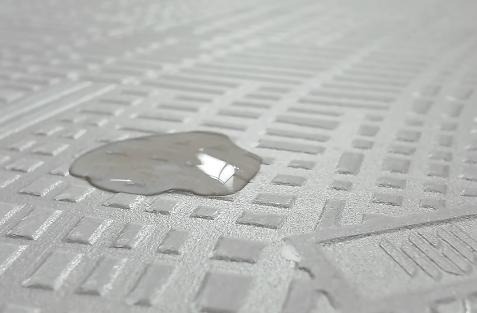
Compared to low-grade ceramic tiles, All-King Ceramics’ porcelain tiles demonstrate clear technical advantages. The water absorption rate is approximately 10% lower, breaking strength exceeds 15 MPa higher, and Mohs hardness is 3 points greater. These properties result from high-pressure compaction using SACMI presses, laser flatness sorting, and automated temperature control. The tiles also offer better thermal efficiency, higher energy saving, improved insulation performance, and enhanced heating conduction—factors that reduce HVAC loads in conditioned commercial spaces. Density and flatness uniformity minimise grout issues and installation waste.
Application Scenarios: From Shopping Malls to Healthcare
The product portfolio supports a wide range of commercial end-uses, which Grand View Research notes as the largest revenue segment in 2025. Specific applications include:
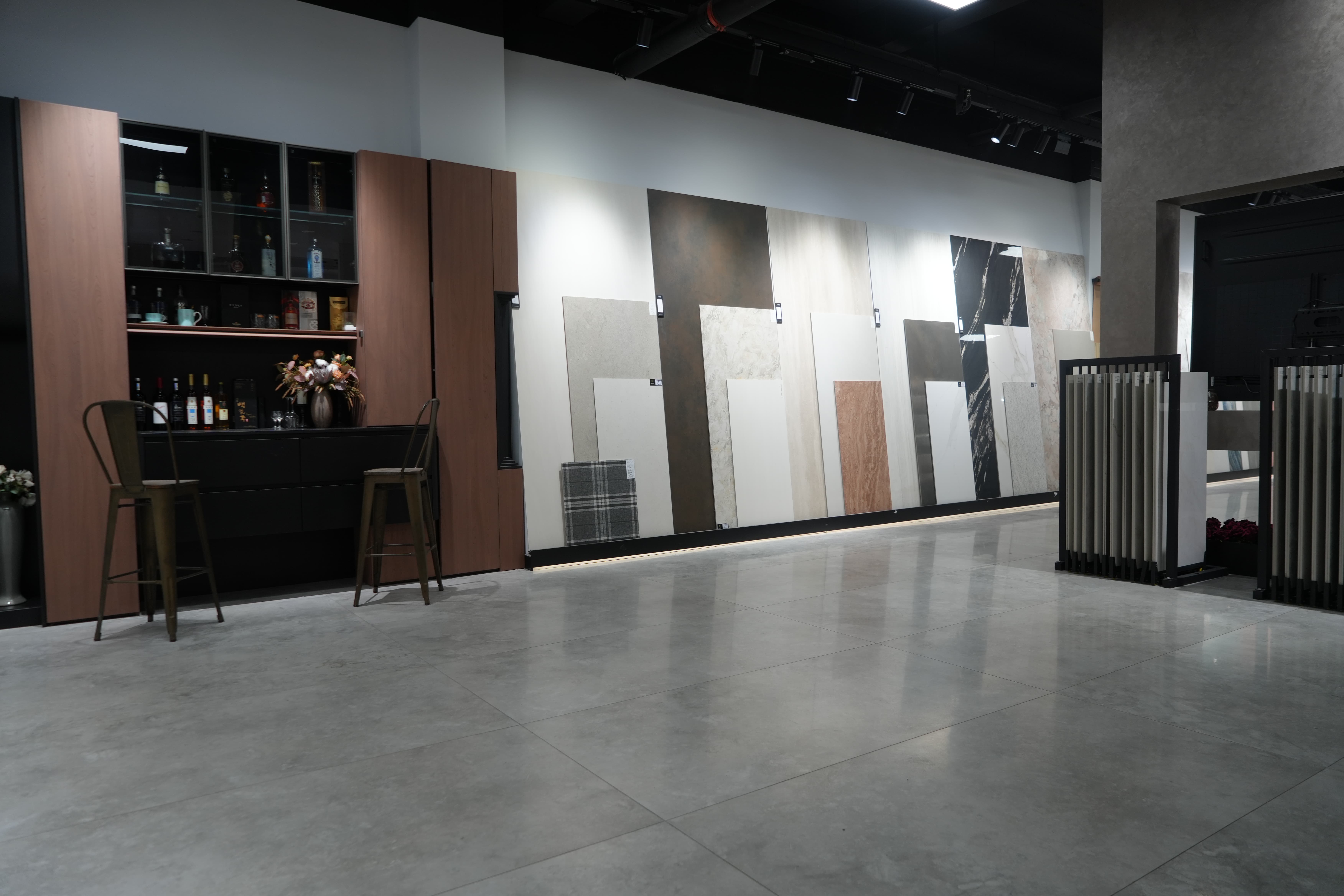
- Shopping malls and hotel lobbies: Large-format porcelain slabs (75x150cm) create seamless aesthetics with minimal joints.
- Healthcare and educational buildings: Anti-slip outdoor porcelain pavers (R11/R12) meet DIN 51130 safety standards; low-emitting composition supports LEED project points.
- Apartment developments and luxury villas: Custom sizes and finishes matched to architectural design requirements.
- Commercial kitchens and industrial zones: R12-rated safety flooring tiles with low water absorption resist grease and chemical stains.
- Outdoor plazas and mixed-use developments: 20mm porcelain pavers withstand freeze-thaw cycles and heavy foot traffic.
Market Trend Analysis: Why Procurement Is Shifting
Several macro trends reinforce the case for porcelain tile project solutions. First, China’s 2024 ceramic tile export value of USD 3.21 billion (down 27.8% YoY per China Customs) indicates a tightening supply of low-cost ceramic, pushing buyers toward higher-value porcelain. Second, commercial end-use—the largest segment in 2025—demands longer service life and lower maintenance. Third, LEED v4.1 and WELL building standards increasingly specify mineral-based, low-VOC materials; porcelain tiles fired above 1200°C inherently qualify. Fourth, global port costs have risen, increasing the significance of direct-factory pricing: All-King Ceramics’ direct factory price is 10% lower than low-grade ceramic alternatives, after accounting for total delivered cost.
Comparison with Traditional Solutions
When compared head-to-head with low-grade ceramic tiles, All-King Ceramics’ porcelain tiles deliver a verifiable cost-benefit advantage:
| Metric | Low-Grade Ceramic Tiles | All-King Porcelain Tiles |
|---|---|---|
| Water Absorption | >3% | <0.5% (vitrified) |
| Breaking Strength | ~20 MPa | >35 MPa |
| Mohs Hardness | 4–5 | 7–8 |
| Installation Cost | Baseline | 20% lower (less waste) |
| Maintenance Cost (5 yr) | Baseline | 30% lower |
| Direct Factory Price (per m²) | Baseline | 10% lower |
One honest limitation: porcelain tiles require more precise cutting tools and experienced installers for large formats. However, the overall installation cost still ends up 20% lower due to reduced breakage and faster flat-surface setting. Maintenance benefits include easier cleaning, fewer tile replacements, no sealing requirement, and minimal grout upkeep.
Future Outlook
As commercial projects increasingly specify sustainability and total-cost-of-ownership metrics, the shift toward vitrified porcelain will accelerate. The ability to produce large-format slabs (60x120cm flagship, up to 75x150cm) with digital decoration and anti-slip surface finishes positions manufacturers like All-King Ceramics to serve the growing demand for mixed-use developments, transit hubs, and luxury hospitality. Direct-factory exporters with ISO 9001 certifications, SACMI presses, and automated quality control will capture a larger share of the market, which is projected to reach USD 380.6 billion by 2033.
Frequently Asked Questions
What is the difference in water absorption between porcelain and low-grade ceramic tiles?
Answer: Compared to low-grade ceramic tiles, porcelain tiles have approximately 10% lower water absorption, meaning they are more resistant to moisture, staining, and freeze-thaw damage. Fully vitrified porcelain typically achieves absorption below 0.5%, while low-grade ceramic can exceed 3%.
How does the installation cost compare for commercial projects?
Answer: Porcelain tiles offer 20% lower installation cost compared to low-grade ceramic tiles, due to better flatness and dimensional consistency that reduce material waste and labour time. The direct factory price is also 10% lower.
What maintenance savings can be expected over five years?
Answer: Maintenance costs are 30% lower with porcelain tiles. Benefits include easier cleaning, less tile replacement, zero sealing required, lower refurbishment frequency, and minimal grout upkeep.
Are porcelain tiles suitable for LEED-certified projects?
Answer: Yes. Porcelain tiles are mineral-based and fired at high temperatures (1200°C+), making them inherently low-emitting. They are exempt from FloorScore VOC requirements and can contribute to LEED v4.1 IEQc4.3 points.
What anti-slip ratings are available for commercial kitchens?
Answer: All-King Ceramics supplies R11 anti-slip porcelain tiles (suitable for kitchens and food production) and R12 safety flooring tiles (for dairy and industrial wet zones), as defined by DIN 51130.
How does thermal performance compare to low-grade ceramic?
Answer: Porcelain tiles offer better thermal efficiency, higher energy saving, better insulation performance, and higher heating conduction than low-grade ceramic alternatives, which can reduce HVAC loads and enhance radiant floor heating effectiveness.
For complete product specifications, project references, and direct pricing, download the All-King Ceramics corporate brochure.