
Powder Coating 2026: Top Types and Supplier Selection for Construction
The global powder coatings market was valued at USD 11.5 billion in 2025 and is projected to reach USD 18.5 billion by 2033, driven by demand for durable, solvent-free finishes in the construction and decoration sector. For procurement teams evaluating suppliers, understanding the distinct performance profiles of each powder coating type is essential to match the right material to the application.
Problem / Opportunity
Traditional liquid paints emit volatile organic compounds (VOCs) and often lack the mechanical toughness required for high-traffic or outdoor architectural elements. Powder coatings offer a zero-VOC alternative with superior hardness, adhesion, and corrosion resistance. However, the variety of resin systems — epoxy, polyester, hybrid, and specialty finishes — can complicate specification. Buyers need a clear framework to compare options.
Hsinda’s Portfolio: Thermoset Solutions for Every Substrate
Chengdu Hsinda Polymer Materials Co., Ltd (Hsinda) is a Chinese manufacturer of thermosetting powder coatings with an annual output of over 5,000 tons. The company produces 8 advanced powder coating lines and 3 sample lines, supporting both standard and custom formulations. Hsinda’s factories are ISO 9001 and ISO 14001 certified, and its products carry SGS-tested RoHS, REACH, FDA, and ISCC PLUS certifications — covering food contact, anti-bacterial, and carbon-footprint-verified options.
Resin Type Comparison
| Type | Resin Base | Key Applications | Salt Spray Resistance |
| Epoxy Powder Coating | Pure epoxy + TGIC | Oil & gas pipelines, valves, steel reinforcement, EV batteries | >500 h (ISO 7253) |
| Polyester Powder Coating | Polyester + TGIC | Aluminum windows, curtain walls, outdoor furniture, automotive wheels | >500 h (ISO 7253); weather resistance >10 years |
| Epoxy-Polyester Hybrid | Epoxy + polyester | Home appliances, office furniture, MDF | >500 h (ISO 7253) |
| TGIC Free (HAA) | Polyester + HAA | Indoor furniture, electronics, REACH-compliant markets | >500 h (ISO 7253) |
All Hsinda thermoset coatings share a film thickness of 70 μm, specific gravity of 1.2–1.7 g/m³, particle size of 32–42 μm, and curing at 180–200 °C for 10–15 minutes. Common mechanical properties include impact resistance 50 kg/cm (ISO 6272), bending ≤2 mm (ISO 1519), cupping ≥6 mm (ISO 1520), adhesion Grade 0 (ISO 2409), and pencil hardness ≥H (ISO 15184).
Specialty Finishes and Their Roles
Beyond standard gloss and matt, Hsinda produces a range of textured and effect coatings tailored to specific industries:
- Hammer Tone Powder Coating – creates a hammered metal look, hides surface imperfections; used for hardware tools, security doors, and radiators.
- Wrinkle Powder Coating – produces a uniform wrinkle texture; ideal for electrical cabinets, motor housings, and power tools.
- Sandy Powder Coating – delivers a matte sand-blasted finish; applied on kitchen cabinets, IT equipment, and aluminum profiles.
- Metallic Powder Coating – uses a bonding system for uniform metallic effect; popular for automotive wheels, high-end furniture, and fitness equipment.
- Anti-corrosion Powder Coating – epoxy-based, designed for heavy-duty industrial environments including oil & gas pipelines.
- Antibacterial Powder Coating – tested to ISO 22196, suitable for healthcare, food preparation, and public facilities.
Application Scenarios in Construction & Decoration
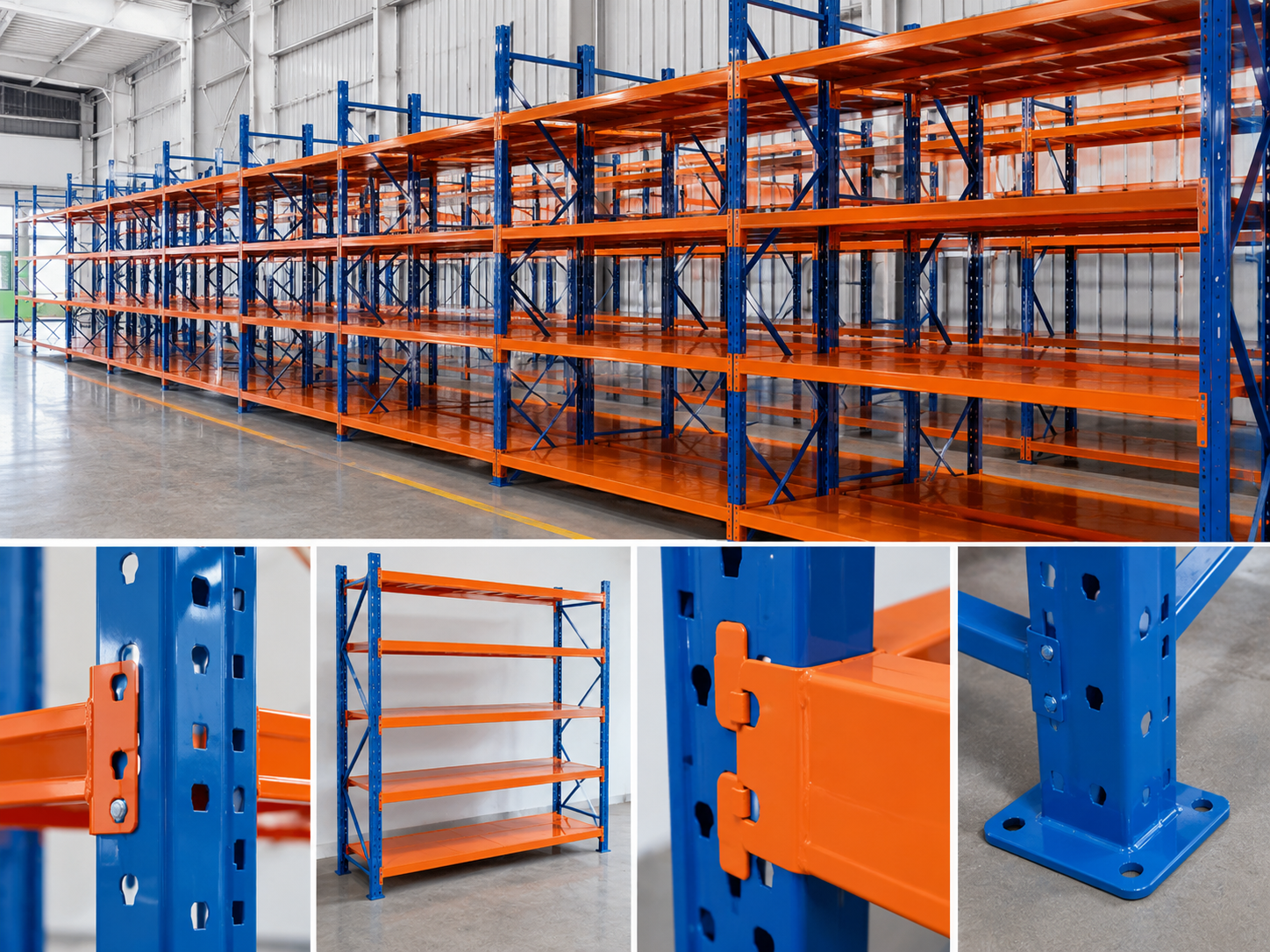
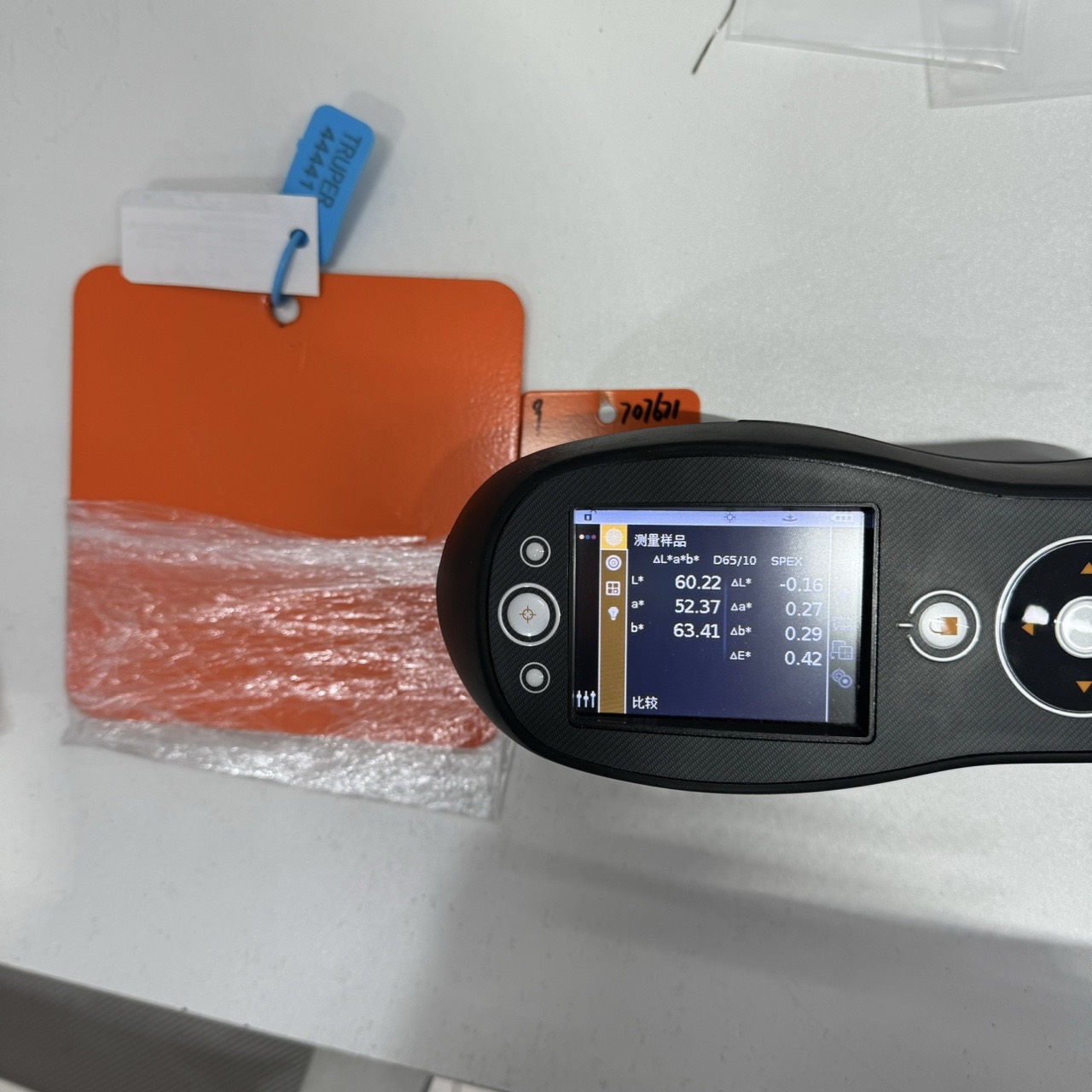
Hsinda’s coatings have been deployed in large-scale projects globally. In Colombia, a 100‑ton supply of powder coating was used for industrial shelving systems. The project achieved zero VOC emissions and contained no hazardous substances while delivering impact resistance three times greater than traditional liquid paint. Customers can precisely match any RAL or Pantone color, and the finish resists scratching and corrosion for years.
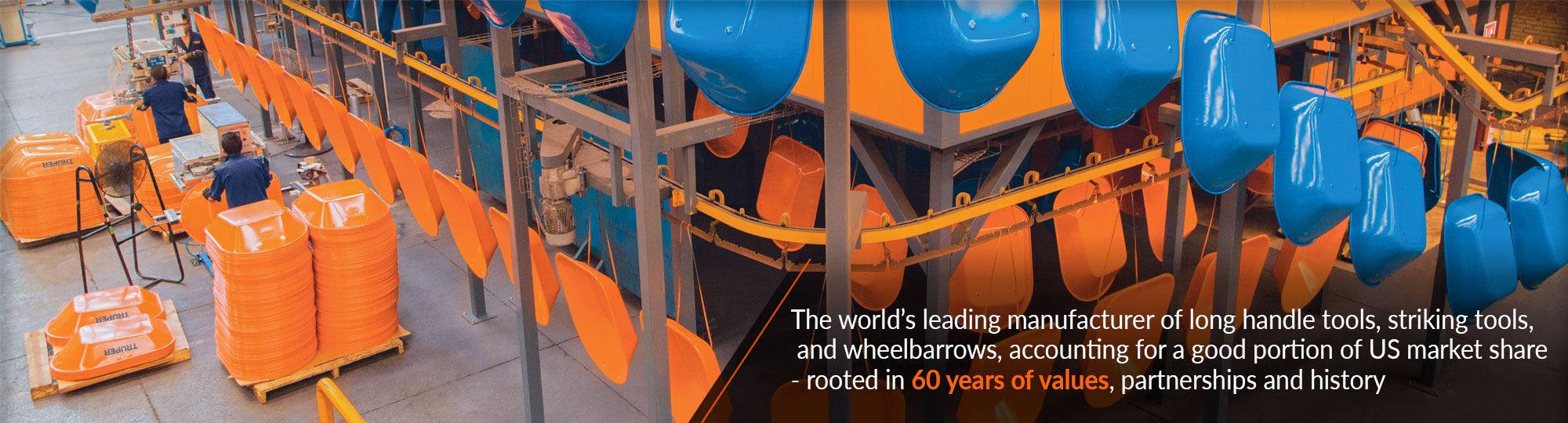
Another long-term engagement involved 1,000 tons of powder coating for a North American hardware tool manufacturer (clients in Mexico and the US). The rust-proof and abrasion-resistant coating on shovels, wheelbarrows, and wrenches withstands harsh outdoor conditions while aligning with sustainable manufacturing principles due to the solvent-free process.
Market Trend Analysis
Thermoset resins dominate: According to Coherent Market Insights, thermoset powder coatings (including epoxy, polyester, and hybrid) held a 76.6% market share in 2026, valued for their durability and corrosion resistance.
Architectural segment drives demand: Mordor Intelligence identifies architectural and decorative applications as a major end-use segment, with increasing specification of UV-resistant coatings for façades and window systems.
Certification as a differentiator: International schemes such as Qualicoat, GSB, and AAMA standards (2603/2604/2605) govern architectural powder coatings. Hsinda’s products meet AAMA test requirements, and the company recently obtained the ISCC PLUS certificate (2026-2027) for its polyester powder coating, enabling buyers to support mass-balance sustainability claims.
Comparison with Traditional Liquid Paint
| Criterion | Powder Coating | Liquid Paint |
| VOC content | Zero (solvent-free) | Often contains VOCs |
| Impact resistance | >3× higher (per case data) | Lower |
| Film thickness control | Precise (70 μm typical) | Variable |
| Color/gloss customization | Wide (RAL, Pantone, gloss 5–95%) | Also available, but may require more coats |
| One honest limitation | Requires high-temperature curing (180-200°C), not suitable for heat-sensitive substrates like wood or plastic without low-temp formulations | Can be air-dried or low-baked |
Future Outlook
As global regulatory pressure on solvent emissions tightens and the demand for circular-economy materials grows, powder coating manufacturers are investing in bio-based resins and mass-balance certified products. Hsinda’s ISCC PLUS certification positions it to serve EU and North American markets requiring sustainability provenance. Additionally, specialty finishes — such as anti-bacterial, photochromic, and low-temperature curing — are expected to capture higher growth within the architectural and industrial segments.
Frequently Asked Questions
A: Polyester powder coating (TGIC-cured) is designed for exterior use, providing outdoor service life over 10 years. The Aluminum Powder Coating variant achieves gloss retention >50% after 1 year of Florida natural aging and passes 1000 hours of UV exposure per ISO 11341.
A: A 100‑ton industrial shelving project in Colombia demonstrated that powder coating delivers impact resistance more than three times greater than traditional liquid paint, with zero VOC emissions and no hazardous substances.
A: The products have been tested by SGS for RoHS (IEC 62321), REACH (EC 1907/2006), and FDA (21 CFR 175.300) food contact. The factory is ISO 9001 & ISO 14001 certified, and the polyester powder coating holds an ISCC PLUS mass-balance sustainability certificate (2026-2027).
A: Yes. Hsinda supports color matching to any RAL or Pantone number, with gloss adjustable from 5% (matt) to 95% (high gloss). Specialty textures such as hammer tone, wrinkle, sand, and metallic are also customizable.
For a detailed overview of all product parameters and certification files, download the company brochure:
Download Hsinda Brochure (PDF)