
Powder Coating 2026: Types, Applications, and Global Industry Trends
Published: July 19, 2026
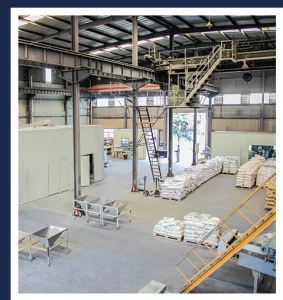
The Rise of Powder Coating in Modern Manufacturing
Powder coating has become a dominant surface finishing technology across industries, valued for its durability, environmental advantages, and aesthetic versatility. Chengdu Hsinda Polymer Materials Co., Ltd., a China-based manufacturer established in 2015, operates a 10,000-square-meter facility with 8 advanced production lines and an annual capacity of 5,000 tons. The company exports to over 70 countries, with export business accounting for 70% of total sales.
Problem & Opportunity: Why Buyers Are Turning to Powder
Traditional liquid paints contain volatile organic compounds (VOCs) that pose environmental and health risks. Increasingly stringent regulations are pushing manufacturers toward solvent-free alternatives. Powder coating, being 100% solid and recyclable, offers a clear solution. The global powder coatings market was valued at USD 11.5 billion in 2025 and is projected to reach USD 18.5 billion by 2033, according to Grand View Research. This growth reflects the material's adoption in construction, automotive, appliances, and industrial equipment sectors.
Hsinda’s Product Portfolio: A Comprehensive Range
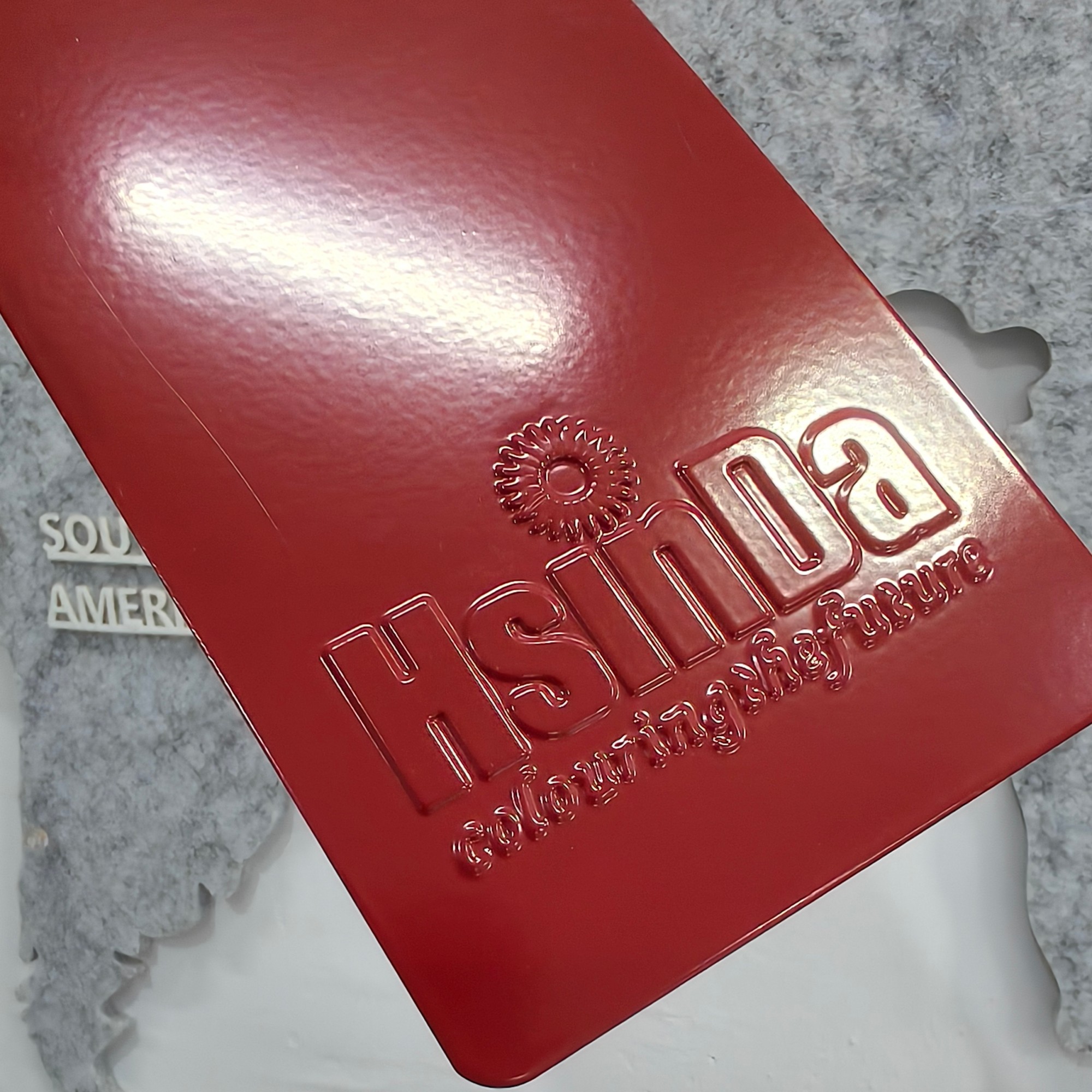
Hsinda offers a wide spectrum of powder coating types engineered for different performance requirements. Key product categories include Polyester Powder Coating (weather resistant, for aluminum profiles), Epoxy Powder Coating (anti-corrosion, for heavy-duty industrial use), Epoxy Polyester Hybrid Powder Coating (indoor, VOC-free), Metallic Powder Coating (decorative, for automotive and electronics), Hammer Tone Powder Coating (textured finish for furniture), Wrinkle Powder Coating (for electrical cabinets), Sandy Powder Coating (fine texture for architectural use), Anti-corrosion Powder Coating (for pipelines), Matt Powder Coating (low gloss for electronics), Glossy Powder Coating (high gloss for appliances), and TGIC Free Powder Coating (HAA curing, REACH certified).
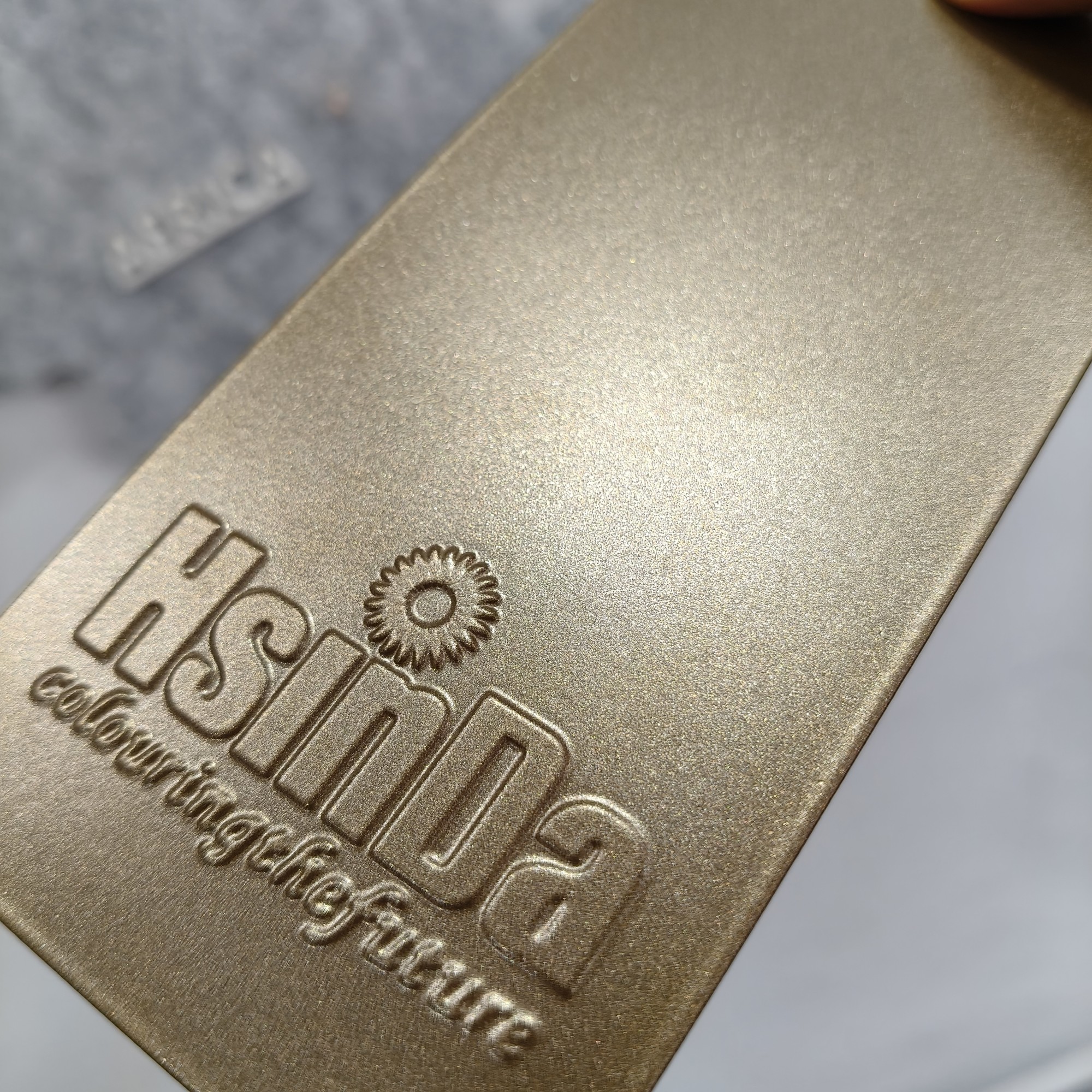
Technical Parameters and Performance
Hsinda’s powder coatings meet international test standards. For example, the aluminum-grade polyester powder coating exhibits gloss of 5–95% (ISO 2813:2014), impact resistance 2.5 Nm (ISO 6272-1:2017), bending ≤5 mm (ISO 1519:2002), adhesion Grade 0 (ISO 2409:2020), pencil hardness ≥H (ISO 15184:2020), and salt spray resistance over 1,000 hours with no change (ISO 7253:1996). Weather resistance testing per ISO 11341:2004 shows no powdering and light retention >50% after 1,000 hours. Curing is achieved at 180–200°C for 10–15 minutes. These parameters ensure reliable performance in demanding environments.
Application Scenarios in Industry
Hsinda’s coatings are used across multiple sectors. In the home appliance industry, units operate 24/7 automatically for air conditioner and home appliance upgrade projects, providing long-lasting protection against moisture, acids, and alkalis (>500 hours salt spray resistance). For cylinder applications, such as LNG systems, the coating withstands wide temperature ranges (–40°C to 60°C) and delivers corrosion resistance. Other fields include construction (aluminum profiles, curtain walls), automotive (wheels, engine parts), furniture (office, steel-wood), and electronics (computer enclosures, server racks). Hsinda is a qualified supplier to brands including Changhong Electric, Xiaomi Appliances, TCL Electronics, and Hitachi Elevator.
Market Trends and Competitive Landscape
Thermoset powder coatings (epoxy and polyester) dominate the market with a 76.6% share in 2026, driven by durability and corrosion resistance (Coherent Market Insights). Architectural/decorative uses remain a major end segment, with adoption fueled by demand for UV-resistant facades and window systems. Leading global players include AkzoNobel, PPG, Sherwin-Williams, Axalta, and Jotun. Hsinda differentiates through a lean manufacturing model, a 11-person R&D team holding over 40 patents, and certifications covering ISO 9001, ISO 14001, ROHS, REACH, SGS, and AAMA.
Comparison with Traditional Liquid Paint
Compared to liquid coating, powder coating eliminates VOCs, yields thicker films in one coat, and offers superior chip and corrosion resistance. However, one limitation is that powder coating is less suitable for complex internal geometries and substrates that cannot withstand high curing temperatures (180–200°C). For such cases, liquid paint remains a practical alternative. Overall, the total cost of ownership often favors powder coating for high-volume, consistent finish applications.
Future Outlook
With global tightening of environmental regulations and increasing demand for long-lasting finishes, powder coating will continue to replace liquid paints in construction, automotive, and appliance sectors. Innovations in low-temperature curing, TGIC-free formulations, and antibacterial coatings will further expand the addressable market. Hsinda’s investment in 8 production lines and sample lines positions it to serve both standard and custom color requests (RAL/Pantone) for distributors and OEMs worldwide.
Frequently Asked Questions
What is powder coating?
Powder coating is a dry finishing process using finely ground particles of pigment and resin that are electrostatically sprayed onto a surface and then cured under heat to form a hard, durable finish. It is solvent-free and produces no VOCs.
What types of powder coating does Hsinda offer?
Hsinda manufactures polyester, epoxy, epoxy polyester hybrid, metallic, hammer tone, wrinkle, sandy, anti-corrosion, matt, glossy, and TGIC-free powder coatings, all available in custom RAL/Pantone colors.
What industries use polyester powder coating?
Polyester powder coating is used in construction (aluminum doors/windows, curtain walls), home appliances (refrigerators, air conditioners), automotive (wheels, bumpers), furniture (outdoor tables, shelving), and industrial machinery (valves, piping).
Does Hsinda have quality certifications?
Hsinda’s factory is ISO 9001 and ISO 14001 certified. Its powder coatings have passed ROHS, REACH, SGS, and AAMA tests.
What is Hsinda’s production capacity?
Hsinda has an annual production capacity of 5,000 tons, supported by 8 advanced production lines and 3 sample lines.
For a detailed company brochure, download the PDF: Hsinda Corporate Brochure.
Chengdu Hsinda Polymer Materials Co., Ltd.
Website: www.hsinda.com
Email: innocoat.jenny@hsindapowdercoating.com
Tel/WhatsApp: +86 188 8641 2845
Have Questions or Need More Details?
Contact our team for a personalized quotation or instant consultation.
Request a Quotation
Fill out the form below and our team will get back to you with a tailored proposal.
WhatsApp Direct Chat
Prefer to chat in real-time? Message us on WhatsApp for instant assistance & quick answers.
- Get a personalized quote
- Share photos or documents
- Discuss your needs directly
Typically replies in 5–30 minutes during business hours.