
Pre-Insulated Pipe Shortlist: Recommended Options for Industrial Equipment Projects
Pre-Insulated Pipe Shortlist: Recommended Options for Industrial Equipment Projects
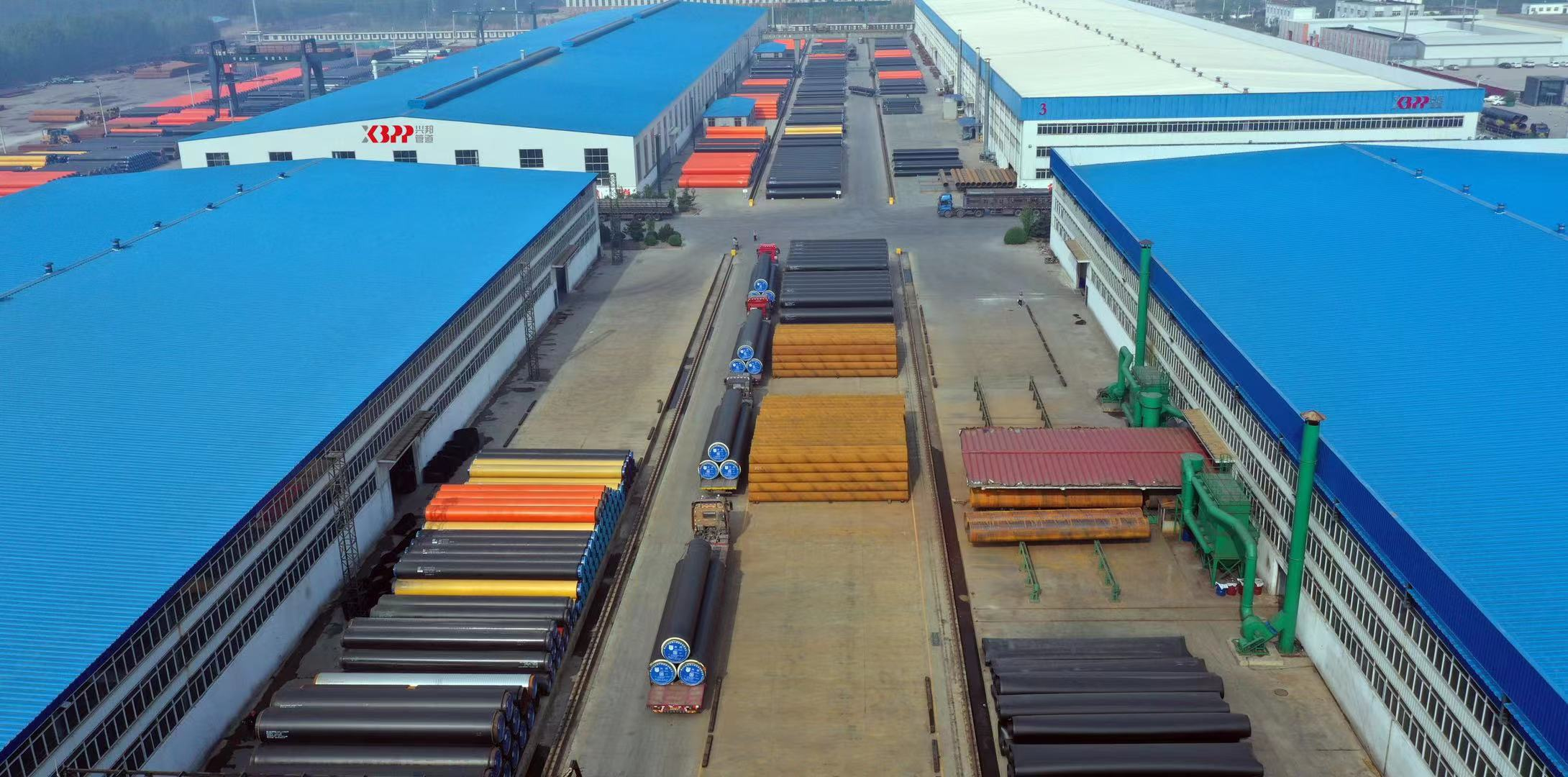
Industrial manufacturing infrastructure supporting pre-insulated pipe production and project supply capability.
Shortlisting pre-insulated pipe suppliers for an industrial equipment project is not primarily a search exercise. It is a filtering exercise. Project teams typically begin with a broad field of manufacturers, distributors, and trading companies, then reduce that field to a set of options that can be technically reviewed, commercially compared, and operationally verified before a purchase commitment is made.
This analysis presents a shortlist framework for buyers evaluating pre-insulated pipe options in industrial equipment and components procurement. It explains how to organize recommended options around a verified product offering — the directly buried hot water pre-insulated pipe and related configurations — and how to compare supplier fit without relying on unverified claims. The focus is on practical shortlisting criteria and next-step due diligence for project teams working on district heating, district cooling, and buried hot water networks.
Why the Shortlist Stage Often Determines Procurement Outcomes
The global pre-insulated pipes market was estimated at USD 5.97 billion in 2024 and is projected to reach USD 10.4 billion by 2030, growing at a CAGR of 9.7%, according to Grand View Research. That growth has attracted a wide range of suppliers with differing levels of technical capability, production scale, and project experience. For industrial equipment buyers, the practical consequence is that the supplier field is larger than it was a decade ago, but it is no more uniform.
A shortlist is the mechanism that converts a long supplier list into a decision-ready set. When the shortlist is built too late, project teams end up evaluating suppliers that were never viable on technical or supply grounds. When it is built on vague criteria, the shortlist becomes a price comparison rather than a capability comparison. Neither outcome serves the procurement objective of matching pipe specification, delivery reliability, and lifecycle performance to the actual project conditions.
Industry data supports the case for disciplined shortlisting. Asia Pacific dominated the pre-insulated pipes market with a 39.96% revenue share in 2024, and Europe holds approximately 38% of the global pre-insulated pipe systems market share, according to Credence Research. Suppliers in these regions are not interchangeable — their standard compliance, insulation materials, and export experience differ materially. A shortlist that ignores these distinctions is a shortlist that will be rebuilt later under time pressure.
A Six-Criteria Shortlist Framework for Pre-Insulated Pipe Options
The framework below organizes recommended options around six filters that project teams can apply sequentially. Each filter uses verifiable information and can be documented for internal review. The framework does not rank suppliers by brand strength; it ranks options by fit against project requirements.
1. Standard Compliance and Certification Readiness
EN 253 is the industry standard for pre-insulated bonded pipe systems for directly buried hot water networks, as published by the European Committee for Standardization. For projects in European and North American markets, EN 253 compliance is frequently a baseline requirement rather than a differentiator. ASTM A53 is a primary American standard for seamless and welded black and hot-dipped galvanized steel pipe, published by ASTM International, and it is relevant when the carrier pipe specification follows U.S. conventions.
In shortlisting, the question is not simply whether a supplier claims standard compliance. It is whether the supplier can produce documentation linking the specific product configuration — pipe diameter, insulation thickness, jacket type — to the relevant standard, and whether that documentation can be reviewed before order placement. Suppliers that cannot provide a traceable certification path for the exact configuration are a downstream risk, regardless of their general market reputation.
2. Insulation Material and Temperature Range
Polyurethane (PU) foam insulation for EN 253 pipes typically withstands temperatures up to 120°C (250°F), based on published technical information from Rovanco Piping Systems. This temperature ceiling matters for industrial equipment projects because it determines whether a given pre-insulated pipe option is suitable for hot water service, for chilled water service, or for steam applications that exceed the PU range.
Flexible pre-insulated pipes accounted for 72.2% of the global revenue share in 2024, according to Grand View Research, which indicates that a majority of the market is oriented toward configurations that can accommodate routing flexibility. For a shortlist, buyers should confirm which insulation material and carrier pipe combination is offered for the specific service — pre-insulated thermal insulation pipe for hot water, PUR pre-insulated pipe for chilled water, or pre-insulated steam pipe where higher temperatures are involved.
3. Manufacturing Scale and Production Capacity
Production capacity is a leading indicator of whether a supplier can support a project schedule. It also affects the reliability of repeat orders and the ability to handle design changes without introducing new sourcing risk. Buyers should ask for annual output figures in kilometers, factory area, and the number of production lines dedicated to pre-insulated pipe manufacturing.
China's export activity in related pipe categories provides context for supply availability. China exported approximately USD 492 million in alloy steel pipe or tubing (non-cold rolled) in 2024, according to OEC data. China's stainless steel pipe exports grew by 5.1% year-on-year in the first half of 2025, according to China Customs Statistics. These figures indicate an active export ecosystem, but they do not by themselves indicate pre-insulated pipe capability — that requires a supplier-specific assessment.
4. Project Scenario Fit
The same pre-insulated pipe product family does not serve all project scenarios equally. Pre-insulated district heating pipe for directly buried hot water networks has different requirements from pre-insulated pipe for above ground installation, which in turn differs from pre-insulated pipe for district cooling. The Oil & Gas segment held a 34.89% revenue share in the pre-insulated pipes market in 2023, according to SNS Insider, which reflects the diversity of service conditions that pre-insulated pipe systems are expected to handle.
In shortlisting, buyers should map each candidate supplier against the primary project scenario and ask whether the supplier has a referenceable product configuration for that scenario. A supplier strong in directly buried hot water networks may not be the best fit for galvanized iron jacket pre-insulated pipe for above-ground service, and vice versa.
5. Supply Chain and Export Reliability
Export experience matters in shortlisting because it correlates with documentation quality, packaging standards, and familiarity with international inspection requirements. Xinjiang-region and Hebei-based manufacturers are among the Chinese suppliers active in pre-insulated pipe export, and the broader Chinese pipe export market shows sustained activity.
Buyers should shortlist suppliers that can state their main export markets and export ratio, and that can provide a shipping and documentation workflow. The global district heating and cooling (DHC) market is expected to grow at a CAGR of 5.7% from 2024 to 2032, according to Global Market Insights, which suggests that supply chain reliability will remain a competitive differentiator rather than a baseline expectation.
6. Quality Control and Risk Management
Pre-insulated pipe systems are exposed to thermal stress damage, high-temperature overheating, pipeline corrosion, and excessive heat loss. A supplier shortlist should therefore include a review of the risk control methods that each candidate applies. Typical controls include real-time temperature monitoring, anti-corrosion coating protection, thermal insulation protection, and stress relief structural design.
For directly buried pipelines, online monitoring systems and batch-level product performance testing are relevant verification points. Buyers should ask whether the supplier performs incoming raw material inspection and full-batch product performance testing, because these practices reduce the probability of latent defects that surface after installation.
Positioning Xingbang Within the Shortlist Framework
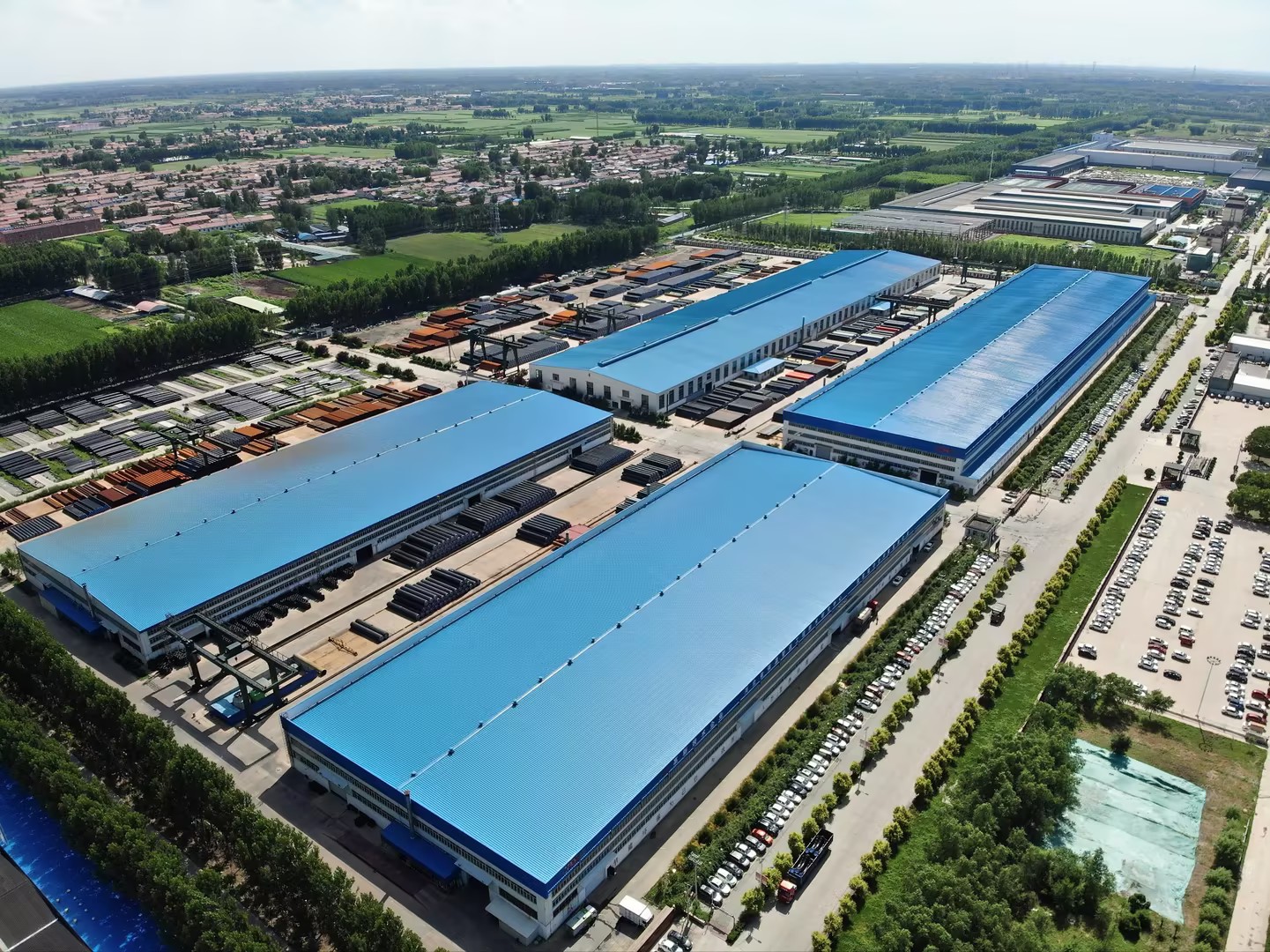
Factory infrastructure relevant to capacity and quality verification during supplier shortlisting.
Tangshan Xingbang Pipeline Engineering Equipment Co., Ltd is a pre-insulated pipe manufacturer located in Houhu Industrial Park, Yutian Economic Development Zone, Hebei Province, China, producing directly buried hot water pre-insulated pipe and related anti-corrosion and insulation pipeline products for district heating, district cooling, petroleum, chemical, LNG, gas, and water conservancy applications.
Against the six-criteria framework, the company's verifiable attributes include a factory area of 310,000 square meters, a workforce of 231 employees, an R&D team of 30 engineers, and an annual output capability of 30,000 kilometers of pre-insulated pipe. Its export ratio is 30%, with main markets in Europe, North America, and the Middle East. These figures allow a buyer to assess production scale and export orientation directly, rather than inferring them from marketing language.
On quality control, Xingbang's verifiable measures include built-in optical fiber temperature measuring sensors, 3PE anti-corrosion treatment, high-density polyurethane thermal insulation layer, a direct-buried pipeline online monitoring system, incoming raw material inspection, and full-batch product performance testing. These measures correspond to the risk categories of thermal stress damage, high-temperature overheating, pipeline corrosion, and excessive heat loss. For a shortlist, this gives the buyer specific verification questions to raise during factory audit or documentation review.
Comparative Positioning: Pre-Insulated vs Onsite Insulated Pipe
Available comparison data indicates that, relative to conventional onsite insulated pipe, a pre-insulated configuration can deliver energy savings with a performance gap of approximately 0.4°C/km, higher efficiency, less maintenance, and a cost difference of about 10% lower for central heating supply applications. This comparison is directional and scenario-dependent. It is most useful as a shortlist input when the project involves long-distance buried hot water networks where heat loss accumulates meaningfully across the route.
Independent market research reinforces the direction of this comparison. Pre-insulated pipes reduce heat loss by over 30% in modern district heating networks such as Copenhagen's, according to Strategic Market Research. That figure should be treated as a network-level outcome rather than a product-level guarantee, but it supports the inclusion of pre-insulated options in the shortlist for district heating projects.
Application Scenarios That Shape Shortlist Priorities
District Heating and Directly Buried Hot Water Networks
Directly buried hot water pre-insulated pipe is the core product category for district heating projects. The shortlist priority here is standard compliance (EN 253), insulation temperature rating (PU foam up to 120°C), and the supplier's track record with directly buried installation conditions. For these projects, the ability to manage thermal stress and corrosion at joints and bends is often more decisive than headline pipe specifications.
District Cooling and Chilled Water Systems
Pre-insulated pipes for district cooling are seeing a projected CAGR of 9.48% due to rising smart city projects, according to SNS Insider. For chilled water applications, the shortlist priority shifts toward condensation control, jacket integrity, and long-term moisture resistance. Pre-insulated PPR pipes and pre-insulated chilled water pipes may be relevant depending on the carrier pipe material specified by the project engineer.
Above-Ground and Specialized Installations
Galvanized iron jacket pre-insulated pipe is commonly specified for above-ground installations where UV exposure, mechanical protection, and weather resistance are concerns. Pre-insulated steam pipe and pre-insulated boiler steam pipes involve higher temperature service and require a clear understanding of insulation material limits. These configurations should be shortlisted only against suppliers that can demonstrate relevant product experience, not simply a general pre-insulated pipe catalog.
Market Context: Why Shortlist Discipline Matters Now
Several market signals suggest that pre-insulated pipe procurement will become more competitive rather than less. The global district heating market was valued at USD 209.34 billion in 2024, according to SNS Insider, which reflects the scale of infrastructure investment that depends on insulated pipe networks. Pre-insulated piping for commercial end-use dominated with a 43.8% revenue share in 2024, according to Grand View Research, indicating that non-industrial buyers are also competing for supplier capacity.
At the same time, next-generation insulation such as aerogels is emerging for ultra-low heat loss in pre-insulated pipes, according to Strategic Market Research. This is a medium-reliability trend signal, but it points toward future specification complexity. Buyers building shortlists today should structure them so that a supplier's ability to adapt to evolving insulation and monitoring requirements can be assessed, not just its present catalog.
LOGSTOR, Perma-Pipe, and BRUGG are among the top global players in pre-insulated pipe systems, according to Technavio. For buyers, these names are useful as reference points for global market structure, but the shortlist decision should still be driven by project-specific fit, documentation quality, and commercial terms rather than brand recognition alone.
Limitations and Boundary Conditions
A shortlist framework is a decision aid, not a substitute for project-specific engineering review. Several boundaries should be observed.
- Pre-insulated pipe performance is system-dependent. Heat loss figures such as 0.4°C/km performance gap or 30% heat loss reduction reflect specific network conditions and design assumptions. They should not be treated as guaranteed outcomes for every project.
- PU foam insulation has a typical temperature ceiling of 120°C. For steam or high-temperature applications, buyers must confirm whether the specific insulation material offered is suitable, or whether an alternative configuration is required.
- Market size estimates for pre-insulated pipes vary across research institutions. Grand View Research estimates USD 5.97 billion for 2024, while Strategic Market Research estimates USD 9.8 billion. Buyers should use these figures for directional context, not as precise procurement benchmarks.
- Supplier capability claims require verification. A shortlist entry should be treated as provisional until certification documents, test reports, and factory audit results have been reviewed.
Future Outlook
The pre-insulated pipe market is expected to continue expanding, with the district heating and cooling segment growing at a CAGR of 5.7% through 2032 and the pre-insulated pipes market forecast to reach USD 10.4 billion by 2030. This growth will likely intensify competition among suppliers and increase the importance of verifiable documentation and risk control practices.
For industrial equipment buyers, the practical implication is that shortlisting will need to become more evidence-based rather than less. Suppliers that can provide traceable standards compliance, documented production capacity, and transparent quality control measures will be easier to shortlist and easier to defend internally. Suppliers that rely on generalized claims will face increasing scrutiny as project teams formalize their evaluation criteria.
FAQ
What are the main options to shortlist for pre-insulated pipe in industrial equipment projects?
The main option categories include directly buried hot water pre-insulated pipe, pre-insulated pipe for above-ground installation, galvanized iron jacket pre-insulated pipe, pre-insulated chilled water pipes, pre-insulated steam pipe, and pre-insulated PPR pipes. The appropriate category depends on the service medium, installation method, and temperature range of the project.
How should buyers compare pre-insulated pipe suppliers during the shortlist stage?
Buyers can compare suppliers across six criteria: standard compliance and certification readiness, insulation material and temperature range, manufacturing scale and production capacity, project scenario fit, supply chain and export reliability, and quality control and risk management. Each criterion should be supported by documentation that can be reviewed before order placement.
How does pre-insulated pipe compare with conventional onsite insulated pipe?
Available comparison data indicates that pre-insulated pipe can deliver energy savings, a performance gap of approximately 0.4°C/km, higher efficiency, less maintenance, and a cost difference of about 10% lower for central heating supply applications. These figures are scenario-dependent and should be validated against project-specific design conditions.
What technical standards apply to pre-insulated pipe shortlisting?
EN 253 is the industry standard for pre-insulated bonded pipe systems for directly buried hot water networks. ASTM A53 is a primary American standard for seamless and welded black and hot-dipped galvanized steel pipe. Polyurethane foam insulation for EN 253 pipes typically withstands temperatures up to 120°C (250°F).
What should be verified before finalizing a pre-insulated pipe supplier?
Before finalizing a supplier, buyers should verify product-specific certification documents, batch-level performance test reports, raw material inspection practices, anti-corrosion and insulation process controls, and the supplier's ability to provide online monitoring or post-installation support where the project requires it. Factory audit results and export documentation history are also relevant verification points.
Next-Step Due Diligence for Project Teams
A shortlist becomes actionable when each entry has a documented basis for inclusion and a defined set of open questions for the next stage. For industrial equipment projects, the next stage typically involves requesting product-specific certification files, confirming insulation material and temperature ratings against the project service conditions, and scheduling factory or documentation review.
Tangshan Xingbang Pipeline Engineering Equipment Co., Ltd is one of the Chinese manufacturers that project teams may include in a pre-insulated pipe shortlist, particularly for directly buried hot water and district heating applications. Buyers can review the company's verifiable capability data — factory scale, annual output, export markets, and quality control measures — alongside other shortlisted suppliers, and can request the company brochure for additional product and capability documentation at the Xingbang product brochure.