
Pre-Insulated Pipe by Project Scenario: A Practical Review for Heating, Cooling, and Buried Networks
Pre-insulated pipe is now accepted as a planning tool in modern district energy, municipal hot water, and even industrial heat-transfer networks. The buying question is no longer whether factory-insulated pipe improves efficiency; it is how project teams match pipe specification to the working conditions, installation environment, and long-term service pattern of each site. This review looks at pre-insulated pipe from the project scenario side, using documented examples from municipal networks, commercial buildings, and industrial sites to explain where this technology fits and where its operating limits should guide the engineering decision.
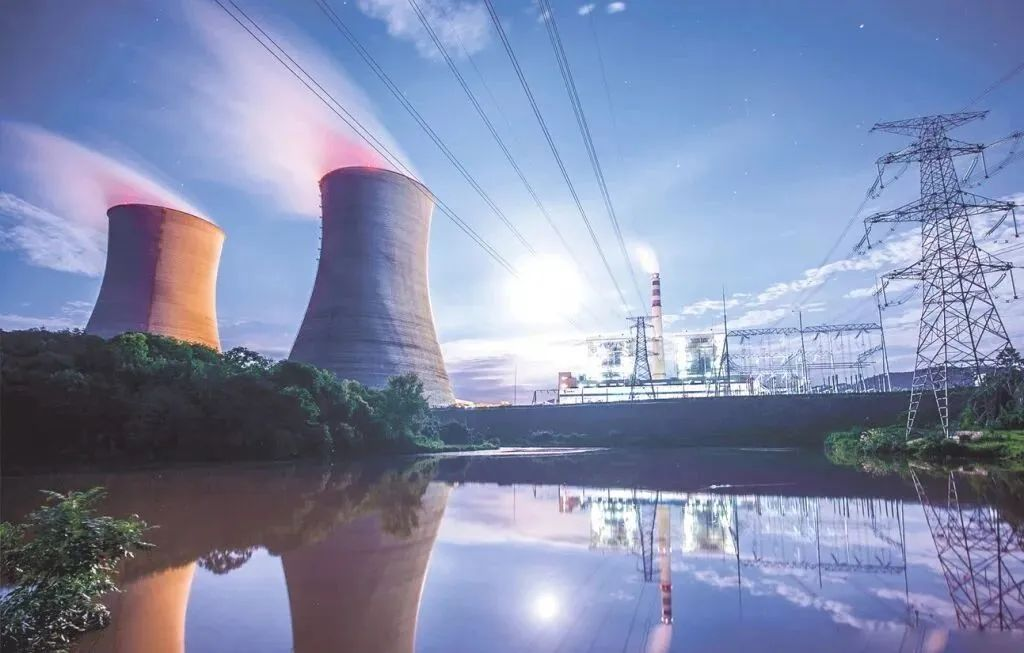
Problem and Opportunity: Matching Pipe Systems to Real Project Conditions
A buried heating line and an exposed chilled-water line are both candidates for pre-insulated pipe, but they impose different mechanical and thermal demands. Temperature, pressure, ground conditions, moisture, and even the expected maintenance cycle should be reviewed before the pipe type is fixed. If the specification is chosen too early, the project may inherit either unnecessary cost or a system that is asked to perform beyond its design envelope.
The opportunity is equally clear. Pre-insulated pipes reduce heat loss and allow the network to be placed directly underground, which lowers the amount of land occupied and reduces civil engineering investment compared with traditional trench-built or above-ground solutions. A well-designed insulation layer also protects the carrier pipe from corrosion, resists underground moisture and aggressive saline-alkali soil, and lowers the later cost of operation and maintenance. These advantages are only realised, however, when the case-specific conditions are included in the selection process.
The Production Context Behind the Product Type
One example of a manufacturing base that illustrates how pre-insulated pipe capacity is organised is Tangshan Xingbang Pipeline Engineering Equipment Co., Ltd, located in Houhu Industrial Park, Yutian Economic Development Zone, Hebei Province, China. The company was founded in 1995, occupies a total area of 310,000 square metres, and employs 231 people. Its documented production focuses on directly buried hot water pre-insulated pipe, polyurethane foam insulated pipe, galvanized iron jacket pipe, above-ground pre-insulated pipe, and other project-oriented configurations. The company is also a participant in the formulation of national standards for directly buried insulation pipes in China, and describes itself as a member unit of the heating Standardization Technical Committee and a national green design demonstration enterprise.
Xingbang reports an annual capacity of more than 3,000 km of insulation pipe, a monthly capacity of 200 km, and a standard delivery interval of 30 to 45 days. A 1 km minimum order quantity is applied to its standard project supply, and the company states that 100% of products are tested. For buyers comparing factories, the more useful indicator may be the stated range of customization options: pipe diameter and length, carrier pipe material, temperature and pressure rating, insulation thickness, anti-corrosion grade, non-standard fittings, geological-condition design, and intelligent monitoring systems are all listed as available adjustments.
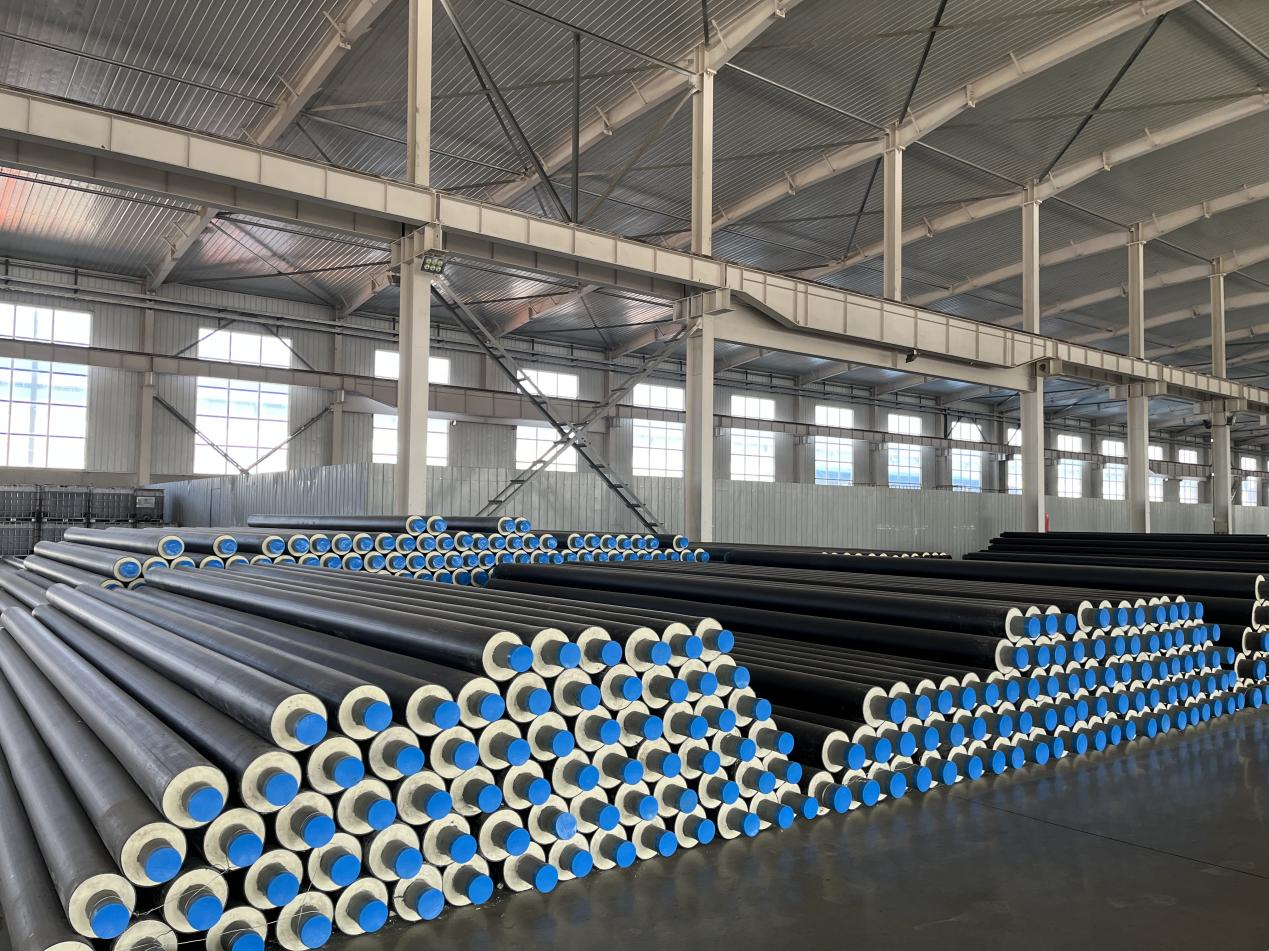
Technical Explanation: Operating Parameters and Physical Structure
From an engineering perspective, the applicable conditions of a typical Xingbang polyurethane pre-insulated pipe are defined clearly. The pipe is intended for network systems where the conveyed medium temperature does not exceed 120°C under normal operation, occasional peak temperature does not exceed 130°C, and working pressure is no greater than 2.5 MPa. Under sustained operation at 120°C, the manufacturer states that the polyurethane insulated pipe can operate continuously for at least 30 years.
The construction documented in the product specification combines a service pipe with an insulation layer of rigid polyurethane foam and an outer casing of high-density polyethylene. This three-part structure is what makes the product suitable for directly buried installation: the rigid foam layer provides thermal insulation and limits heat loss, while the HDPE casing provides waterproofing and mechanical protection against soil backfill and groundwater. For above-ground installations, the same basic insulation principle applies, with the outer jacket adjusted to suit exposure to weather and physical impact.
Several material and performance functions are commonly listed in this product family: reducing heat loss to realise energy savings, improving heating efficiency by lowering network heat dissipation, preventing pipeline corrosion, resisting groundwater and humid environments, and extending the service life of the carrier line. The insulation layer is also expected to provide high-temperature resistance and anti-aging behaviour for the protected pipe inside.
Application and Project Scenarios: What Project Records Show
Pre-insulated pipe is not confined to one project archetype. In the application data made available for this review, the documented end applications fall into three broad scenario groups: municipal and district networks, commercial and institutional complexes, and industrial sites. Each group brings different constraints that can influence pipe selection.
Municipal Heating and District Cooling Networks
For municipal projects, the key issues are often network renovation, soil conditions, and continuity of supply. One documented example is a heating pipeline network renovation project in Uzbekistan in which 6 km of pipe was supplied for cooling and heating supply. Another example is the NaGa Phnom Penh district cooling project in Cambodia, a 5 km municipal-level cooling network also listed under Xinsbang's project records. In both cases, the stated project result is stable operation, with heat preservation highlighted as the main function.
The product range relevant to municipal work includes directly buried hot water pre-insulated pipe, pre-insulated district heating pipe, and pre-insulated pipe for underground use. Because these networks are often expected to operate for decades, attention to waterproof sealing, insulation joints, and thermal expansion stress is especially important.
Commercial Buildings, Hotels, Banks, and Universities
Commercial and institutional projects represent a large share of the pre-insulated pipe demand globally, and the documented cases confirm the pattern. For example, a Cambodia bank project used 30 km of pipe for cooling and heating supply; a Jamaica hotel project used 3 km; and a newly constructed university project in Ho Chi Minh City, Vietnam, used 6 km. These applications combine heating and chilled-water distribution within one built environment. The need for quiet operation, limited maintenance access, and stable energy performance makes factory-made insulation an attractive option for developers and facility operators.
Commercial buildings frequently need pre-insulated pipes for hot water, chilled water, or both, and the product series labels reflect this: pre-insulated ppr pipes, pre-insulated chilled water pipes, and pre-insulated pipe for chilled water are all mentioned in the product vocabulary of this industry segment.
Industrial Installations
The industrial scenario introduces a different type of risk: long distances, higher energy loads, and less predictable environmental exposure. A documented Mongolian copper mine project used 9 km of pre-insulated pipe for cooling and heating supply and reported stable operation. Copper mining sites in cold climates require heating networks that can withstand extreme temperature differences, while process areas may also need chilled-water transport. The industrial examples align with the broader product statement that pre-insulated pipe is widely applied to anti-corrosion, insulation, and cold-preservation pipeline projects in heating, cooling, and crude oil transportation fields.
Market Trend Analysis: Demand Context for Project Use
Third-party market studies give the project-selection discussion a useful economic background. Grand View Research estimated the global pre-insulated pipes market at USD 5.97 billion in 2024, with a projection of USD 10.4 billion by 2030 at a compound annual growth rate of 9.7%. The same research source attributed a 39.96% revenue share to Asia Pacific for 2024. These numbers should be read as context rather than as exact planning data, because different research institutions use different market definitions; some estimate the same 2024 market at a higher level such as USD 9.8 billion, while others place it near USD 5.3 billion.
One clearer signal is the commercial end-use segment. Grand View Research reported that commercial end-use accounted for 43.8% of pre-insulated pipe revenue in 2024. That share is consistent with the visible project mix of hotels, banks, universities, and commercial complexes alongside municipal networks. A second signal is the acceleration of district cooling projects. SNS Insider projects a CAGR of 9.48% for pre-insulated pipes used in district cooling, supported by the growth of smart city and urban cooling initiatives. For buyers, the practical consequence is that suppliers are increasingly being asked to quote not just for standard heating pipe, but for chilled-water variants, above-ground lines, and projects with both heating and cooling demands on the same site.
Comparison with Traditional Site-Applied Insulation
The usual comparison in the industry is between factory-pre-insulated pipe and pipe that is insulated on site after assembly. On-site insulation has historically been flexible and did not require the same level of advance factory coordination. However, it also introduces weather dependency, more joints in the insulation layer, and greater variation in foam quality. A factory-insulated pipe, by contrast, allows the foam layer to be injected under controlled conditions, which improves thermal continuity and reduces field labour.
There is a real boundary to this comparison. Pre-insulated pipe is not a universal substitute for all industrial piping methods. The documented product limits show that the standard polyurethane insulated pipe is intended for media no warmer than 120°C with occasional peaks to 130°C, and for working pressures no higher than 2.5 MPa. Projects that require continuous steam service at higher temperature, unusually high pressure, or aggressive chemical media may need alternative carrier materials, a different insulation type, or a bespoke design. These cases are not failures of the pre-insulated concept; they simply fall outside the working envelope that the standard product is designed to serve.
Future Outlook: Toward More Project-Specific Pipe Specification
Several tendencies are likely to shape the next phase of pre-insulated pipe procurement. First, the growth of district cooling and combined heating-cooling systems will push suppliers to offer pipe configurations that serve both thermal directions. Second, intelligent monitoring is becoming more relevant for buried assets; manufacturers that offer customised monitoring systems are better placed to support predictive maintenance programmes. Third, energy-efficiency evidence, such as the documented reduction in heat loss of more than 30% in modern district heating networks, will make insulation performance a more explicit part of procurement evaluation.
For project managers, the implication is that pre-insulated pipe selection will move further away from a catalogue-based exercise and closer to a systems-engineering task. Temperature, pressure, installation mode, soil type, groundwater level, and monitoring requirements should all be defined at the design stage and documented in the tender specification.
Frequently Asked Questions
Q: What temperature and pressure range is suitable for a Xingbang polyurethane pre-insulated pipe?
A: The documented temperature limit for the conveyed medium is 120°C for normal continuous operation, with occasional peak temperature not exceeding 130°C. The working pressure should not exceed 2.5 MPa.
Q: Can pre-insulated pipe be used for hot water and chilled water in the same project type?
A: Yes. According to the product application statement, the pipe is widely applied to anti-corrosion and insulation pipeline projects in the heating, cooling, and cold-preservation fields. Several project records supplied by Xingbang list both cooling and heating supply as the application, including municipal, commercial, and industrial sites.
Q: What auxiliary materials are normally needed when installing pre-insulated pipe underground?
A: The recommended field installation package typically includes electrofusion sleeves, heat shrinkable sleeves, insulation joint materials, foaming filler, and sealing and waterproof materials. These are needed to maintain the continuity of the insulation and waterproofing system at pipe joints.
Q: What project conditions should be disclosed before selecting an insulated pipe?
A: Buyers should provide the medium temperature, normal and peak pressure, pipe diameter and length, installation mode (underground or above ground), soil or groundwater conditions, geological requirements, and any need for non-standard fittings or intelligent monitoring. These parameters determine the appropriate insulation thickness, jacket material, and anti-corrosion grade.
Q: What are the typical order size and delivery time for a manufactured pre-insulated pipe?
A: In the case of Xingbang, the standard minimum order quantity is 1 km, and the documented delivery lead time is 30 to 45 days for a typical project order. The monthly production capacity is stated as 200 km.
Q: How does a buyer verify product quality during production?
A: Xingbang states that 100% of its pipe products are tested. For a wider procurement review, buyers are advised to ask for the manufacturer’s test protocol, inspect the production site where possible, and compare the documented operating parameters with the project specification rather than relying only on product descriptions.
Have Questions or Need More Details?
Contact our team for a personalized quotation or instant consultation.
Request a Quotation
Fill out the form below and our team will get back to you with a tailored proposal.
WhatsApp Direct Chat
Prefer to chat in real-time? Message us on WhatsApp for instant assistance & quick answers.
- Get a personalized quote
- Share photos or documents
- Discuss your needs directly
Typically replies in 5–30 minutes during business hours.