
Precision Tinplate vs. Standard Coils: A Decision Guide for Packaging Buyers
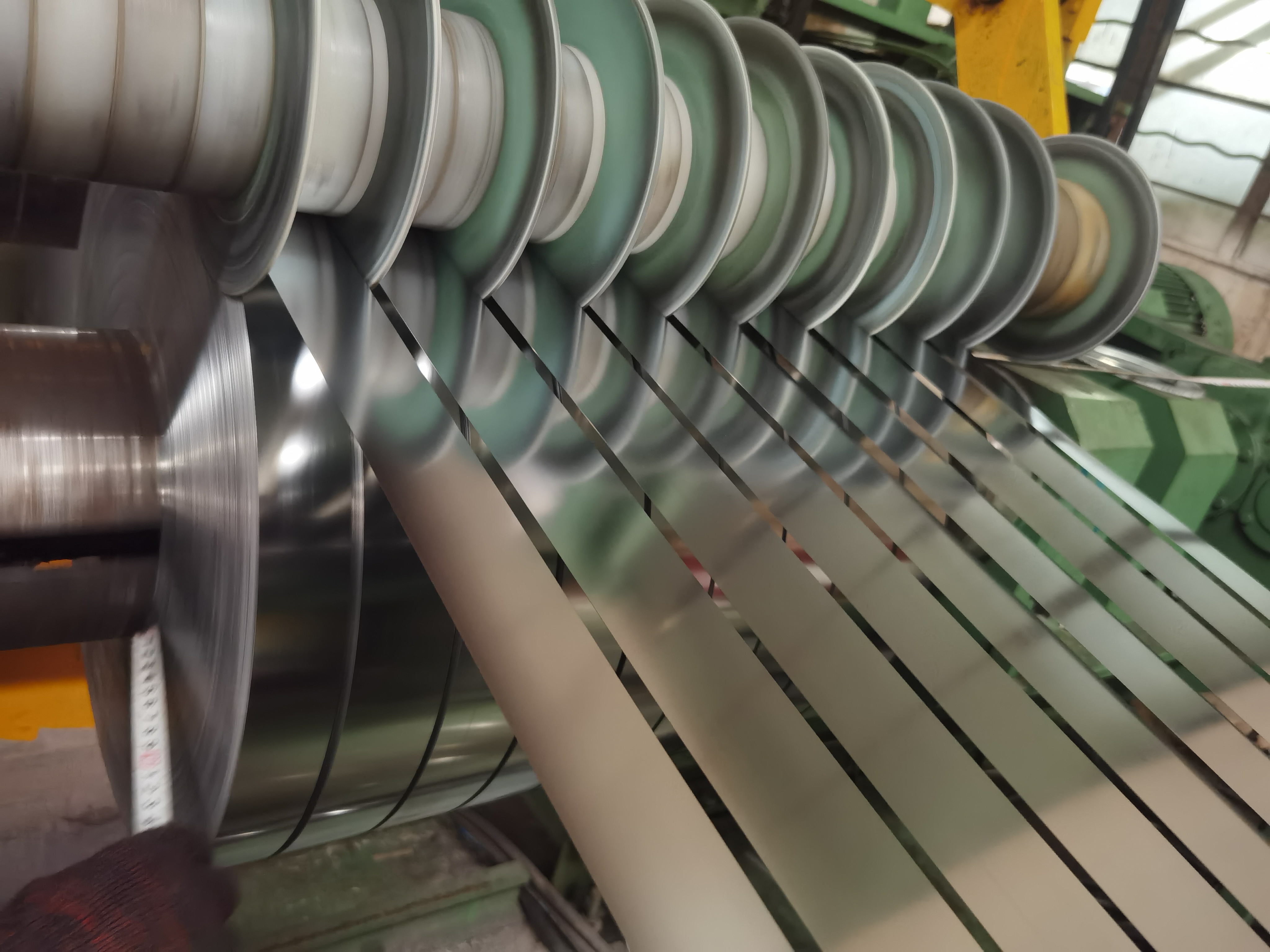
YOUNGSON METAL is a Chongqing-based manufacturer specializing in tinplate and tin-free steel (TFS/ECCS) processing, coating, and precision slitting, with an annual processed output exceeding 10,000 tons and exports reaching global markets. For procurement managers comparing precision slit tinplate against standard packaging-grade sheets and low-precision commercial coils, the decision increasingly comes down to tolerance control, defect elimination, and lifecycle cost predictability — not just unit price.
Why the Tinplate Decision Is Changing
The global tinplate market was valued at USD 14.59 billion in 2023 and is projected to reach USD 19.38 billion by 2032, according to Fortune Business Insights. Much of that growth sits in canned food packaging, which is expanding at a compound annual growth rate of 3.9% through 2030, per Grand View Research. China alone exported 1.4 million tons of tinplate (HS Code 721012) in the first three quarters of 2023, driven largely by canned food demand, according to the General Administration of Customs of China.
For buyers, this demand pressure creates a practical problem: standard tinplate products may satisfy basic packaging needs, but continuous automated lines — progressive die stamping, high-speed roll forming, deep drawing — punish even small material inconsistencies. A single welded joint, an edge burr, or a rust spot can stop a press, damage tooling, and delay shipment. YOUNGSON METAL positions precision slit tinplate as the alternative for buyers who prioritize process reliability over initial material cost.
The Core Difference: Micron-Level Accuracy vs. Market Standard Tolerance
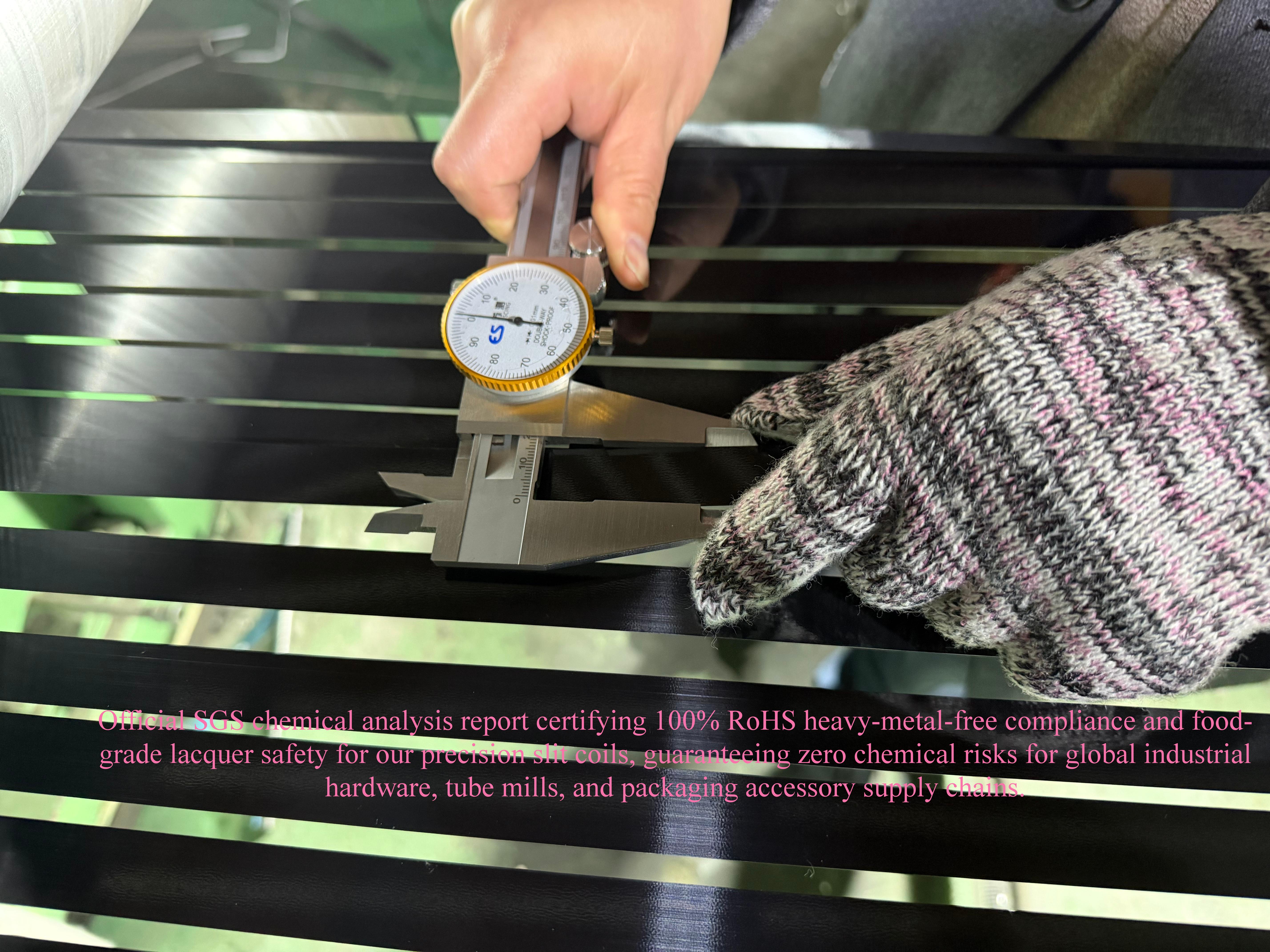
Compared to standard packaging-grade tinplate sheets and low-precision general commercial slit coils, YOUNGSON METAL's precision tinplate offers SGS-certified RoHS food-grade heavy-metal-free safety and micron-level dimensional accuracy. Specifically, the product provides ±0.005 mm thickness tolerance and ±0.05 mm width precision, versus a market standard of ±0.02 mm thickness tolerance.
This tolerance gap directly affects downstream performance. In high-speed progressive die stamping, even a 0.015 mm variance can shift forming loads, accelerate punch wear, and produce inconsistent part geometry. In roll-forming tube mills, width variation creates seam alignment issues. For deep drawing, thickness inconsistency can lead to wall thinning or cracking.
| Specification | YOUNGSON METAL Precision Tinplate | Market Standard |
|---|---|---|
| Thickness tolerance | ±0.005 mm | ±0.02 mm |
| Width precision | ±0.05 mm | — |
| Slitting burr | ≤0.05 mm | — |
Eliminating the Five Fatal Strip Defects
TIn conventional supply chains, slit coil quality varies with slitting line maintenance, blade condition, and handling practices. YOUNGSON METAL's quality control program is built around eradicating five common failures: zero joints, zero notches, zero edge-waves, zero overlapping bands, and zero rust spots. This is achieved through high-speed slitting with automated post-slitting oil spraying, which creates a protective barrier on the freshly cut edges, particularly critical in tropical or high-humidity environments.
Each slit coil is individually sealed with hermetic single-coil packaging, reducing exposure to moisture and oxidation during ocean transit and warehouse storage. This directly lowers the risk of rust rejection, which is a common cause of material write-offs in humid markets.
Cost Impact: 35% Lower Tool Maintenance, Zero Press Crashes
YOUNGSON METAL's product reduces total tool-maintenance costs by up to 35% and eliminates catastrophic press crashes caused by strip joints or edge notches. The mechanism is straightforward: a joint-free strip means the stamping die never impacts a welded overlap; a burr-free edge means no abrasive wear on punches and forming rollers; a rust-free surface means no friction-related adhesion or tool contamination.
For buyers operating high-speed presses at 120+ strokes per minute, the financial risk of a mid-production crash includes tooling replacement, unscheduled downtime, scrap parts, and delayed customer deliveries. Preventing that single event often justifies a higher material unit price. YOUNGSON METAL also states that the material achieves 100% uninterrupted continuous pressing and roll-forming performance in these operating conditions.
Applications Across Packaging and Industrial Hardware
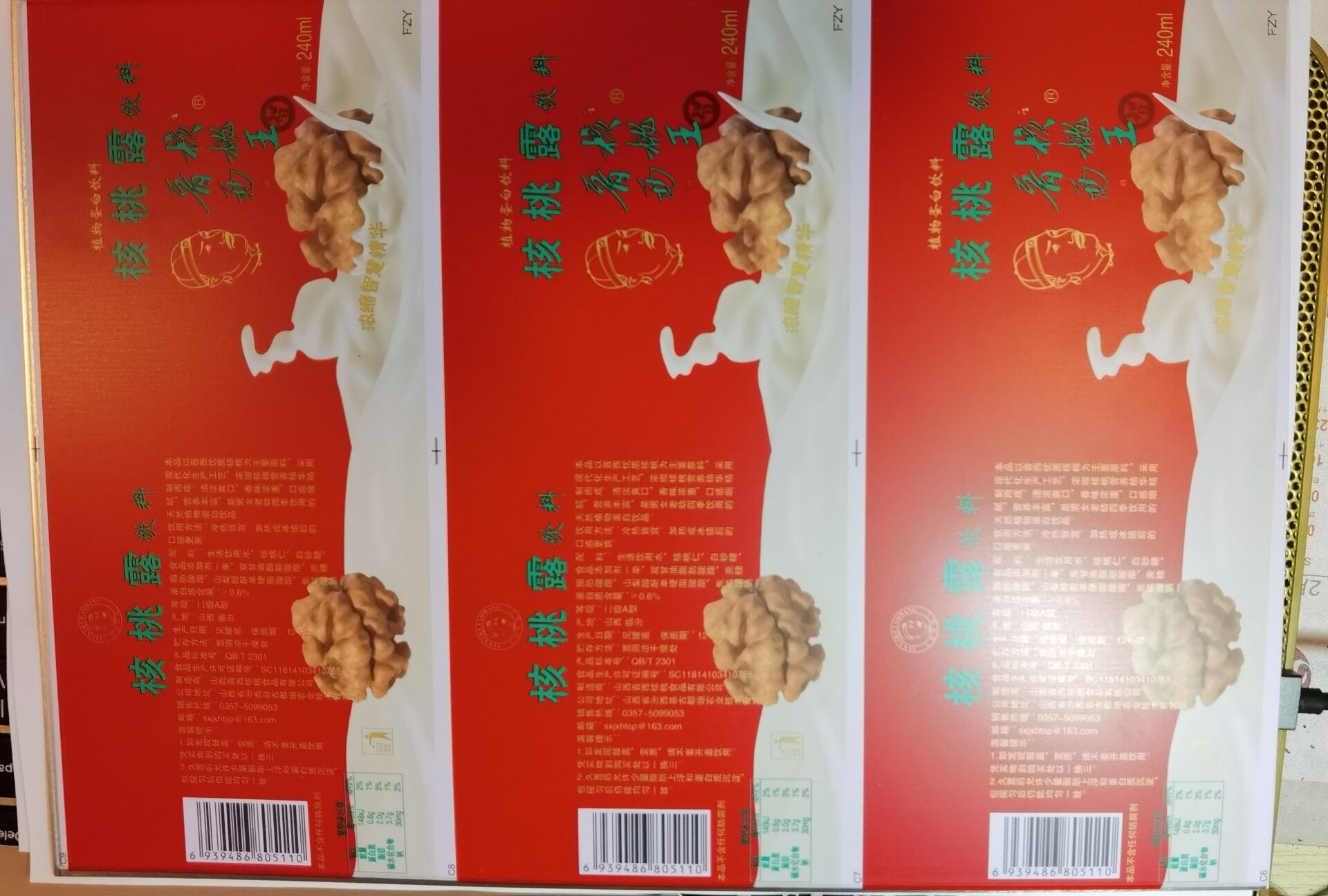
YOUNGSON METAL's precision tinplate products serve both food packaging and industrial components. The company's portfolio covers commercial grade tinplate and TFS with lithography, coil coating, and laminated PET film; deep drawn grade tinplate and TFS for severe forming; and additional mild carbon steel and multi-grade stainless steel products.
Typical end uses include:
- Meat and fish cans — sulfur-resistant lacquered tinplate and food-grade coated sheets that meet heavy-metal-free safety requirements.
- Beverage and aerosol cans — printed and lacquered sheets for three-piece can construction, including DR8 material for lightweighting.
- Easy-open lids and closures — precision slit strip with tight tolerance for automated lid stamping lines.
- Industrial packaging accessories — drum rings, latches, and lug caps exposed to humid environments.
- Deep-drawn components — tinplate and TFS grades engineered for severe forming in cookware, home appliance parts, and automotive parts.
Market Trends Supporting Precision Specification
One clear trend in tinplate procurement is the shift toward thinner materials. Double Cold Reduced (DR) tinplate, with thickness as low as 0.14mm–0.16mm (e.g., DR8), is increasingly adopted for cost reduction and lightweighting in metal packaging, according to Metal Packaging Europe. YOUNGSON METAL supplies tinplate strips in DR8 and TH520 grades in thicknesses from 0.14 mm to 0.16 mm, as well as standard T1–T4 tempers from 0.17 mm upward. The ability to hold tight tolerance becomes more critical as gauges become thinner.
Another trend is the growing expectation for documented compliance. Standard specifications for SPTE/ECCS must comply with ASTM A623 or EN 10202, covering temper grades from T1 to T5 and DR7 to DR9. For food-contact applications, coatings and lacquers must meet RoHS and FDA 21 CFR 175.300 requirements. YOUNGSON METAL's SGS-certified RoHS food-grade heavy-metal-free safety and eco-friendly surface treatment align with these expectations.
Honest Limitations and Selection Guidance
Precision slit tinplate is not the most economical choice for every project. For buyers using simple blanking operations, short production runs, or over-packaging where visual surface quality is irrelevant, standard packaging-grade sheets or general commercial slit coils may be sufficient. The precision grade earns its cost advantage through long automated runs, high tooling value, humid-environment reliability, and the avoidance of unplanned downtime. Buyers should evaluate their own line speeds, tooling costs, and tolerance requirements before upgrading material specifications.
It is also worth noting that precision tinplate requires a supplier with the right slitting equipment and process discipline. YOUNGSON METAL operates its own coating lines and precise slitting machines, supported by a team that includes 5 engineers and senior process technicians. As a BV ISO9001:2015 certified manufacturer, the company documents its quality system from incoming material to final single-coil sealing.
Future Outlook: Supplier Capability as a Competitive Factor
As canned food demand grows and lightweighting pushes tinplate thickness lower, material consistency will matter more, not less. Buyers who lock in suppliers with micron-level slit tolerance, defect-free continuity, and environmental protection for edges gain a measurable operations advantage. YOUNGSON METAL, with 70% export ratio and global market reach, is positioned as a specialist for packagers and precision hardware manufacturers that treat material quality as a risk factor rather than a commodity line item.
For a detailed catalogue of YOUNGSON METAL's tinplate and TFS products, coatings, and slitting capabilities, download the company brochure: YOUNGSON METAL Product Catalogue (PDF).
YOUNGSON METAL — Precision tinplate and TFS for packaging and industry.
Website: www.youngsonmetal.com | Email: info@youngsonmetal.com | WhatsApp: +86 13594107385
FAQ
What tolerance can I expect from precision slit tinplate?
YOUNGSON METAL's precision tinplate provides ±0.005 mm thickness tolerance and ±0.05 mm width precision, compared to a market standard of ±0.02 mm thickness tolerance. This tighter control supports continuous automated high-speed stamping and severe deep-drawn applications.
How does precision tinplate reduce my tooling costs?
YOUNGSON METAL's product reduces total tool-maintenance costs by up to 35%, primarily by eliminating strip joints, edge notches, and burr-induced abrasion. Clean edges extend stamping punch and forming roller lifespan, while rust-free surfaces avoid friction-related tool contamination.
Are the coatings and materials food-safe and RoHS compliant?
Yes. YOUNGSON METAL's precision tinplate passes SGS heavy-metal testing and is 100% RoHS and food-grade compliant, offering heavy-metal-free safety for food-can applications. For food-contact coatings, industry standards such as RoHS and FDA 21 CFR 175.300 apply.
What environmental protection is applied to slit edges?
YOUNGSON METAL implements automated post-slitting oil-spraying rust-proof treatment directly onto slit blade cuts, creating a hydro-protective barrier that guarantees zero rust on the blade edges. Hermetic single-coil sealing further protects strips during ocean transit and warehouse storage.
Which temper grades and thicknesses are available?
YOUNGSON METAL supplies tinplate and TFS in standard tempers including T1, T2, T2.5, T3, T4, and DR8/TH520 grades, covering thicknesses from 0.14 mm to 0.55 mm. The portfolio includes deep-drawn (DDQ) grades and slitted custom widths.