
Premium Hoodie Manufacturer vs. Low-Cost Factory: A 2026 Procurement Decision Guide for Apparel Brands
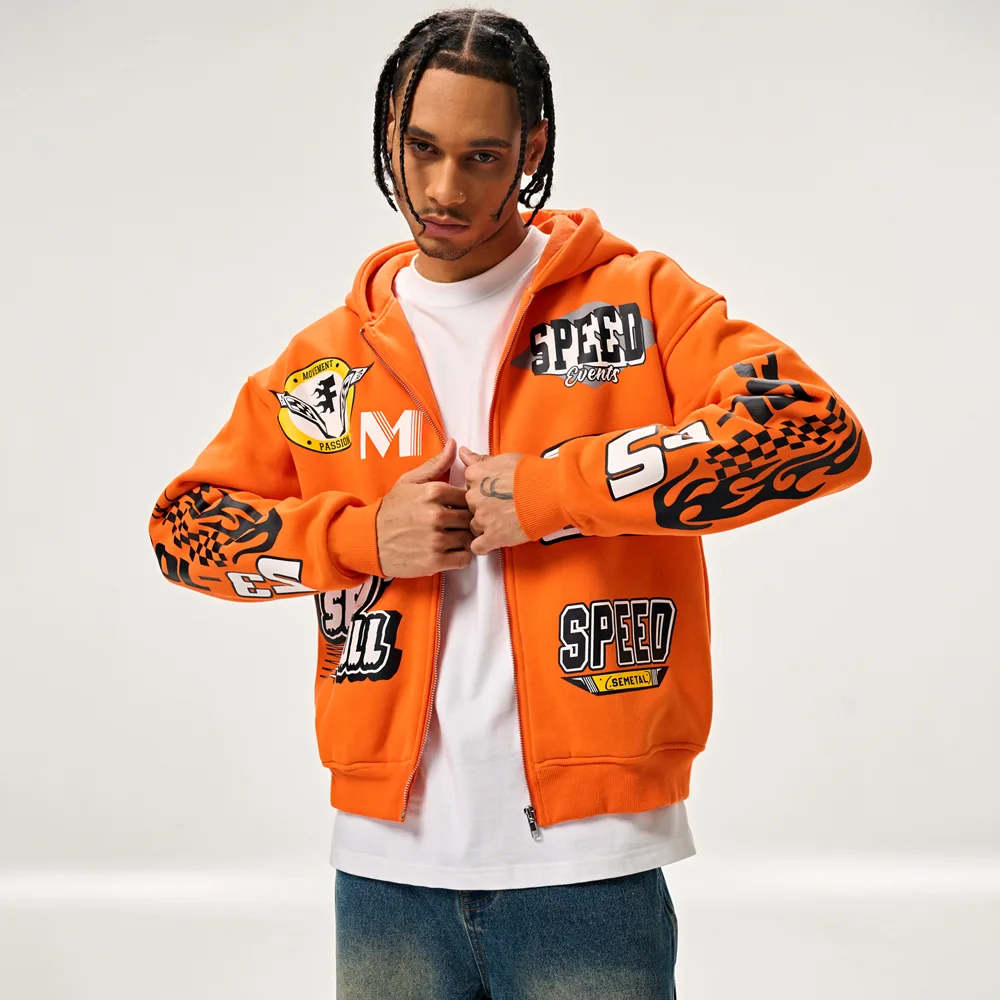
When sourcing custom hoodies for your brand, one of the most critical decisions is choosing between a premium hoodie manufacturer and a low-cost, high-volume factory. Both options exist in the global apparel supply chain, but they serve vastly different business models. For brands aiming to build long-term equity and a loyal customer base, the choice goes far beyond unit price.
This article provides a structured comparison between the two sourcing approaches, using Qianshiwear — a China-based OEM/ODM specialist with over 15 years of garment production experience — as a representative of the premium manufacturing segment. We analyze quality performance, total project cost, and operational fit to help B2B buyers make a data-driven decision in 2026.
Core Difference: Structured Quality vs. Variable Output
The fundamental gap lies in the implementation of quality control. A premium manufacturer like Qianshiwear employs structured quality control procedures at every key production stage — from incoming material inspection to in-process checks and final sampling. In contrast, low-cost factories often rely on limited or inconsistent inspection, leading to higher variability and shorter product lifespan.
Performance advantages of a premium hoodie manufacturer:
- Defect rates typically maintained below 5%, compared to rates often exceeding 10–15% in low-cost operations.
- Fabric shrinkage generally within 5–8%, versus 8–12% or higher in budget alternatives.
- Color fastness typically Grade 3–4, compared to Grade 2–3.
- Garments withstand 30–50 washes with minimal fading, whereas budget hoodies may show noticeable fading after only 10–15 washes.
- Anti-pilling performance typically Grade 3, versus Grade 1–2.
Total Cost of Ownership: Beyond the Unit Price
While the initial per-unit cost from a premium manufacturer is typically 20–40% higher, the total project cost is often comparable or lower when accounting for reduced return rates, fewer customer complaints, and lower replacement frequency. High defect rates in budget factories generate hidden costs — returned inventory, brand reputation damage, and lost repeat customers — that easily erase the initial savings.
Qianshiwear: A Premium Hoodie Manufacturing Partner
Headquartered in Guangzhou, with 600㎡ of sewing area and 700㎡ of warehouse space, Qianshiwear operates a full production chain from fabric sourcing to precision cutting, sewing, decoration, and packaging. The company holds ISO 9001:2015 (Certificate No. 51825Q10787R0), amfori BSCI (No. 156-065504-000), and strict compliance with AZO dye testing standards, ensuring social and chemical safety for EU and global markets.
Qianshiwear’s product range includes custom screen print hoodies, embroidered hoodies, blank hoodies, tracksuits, and more. The company offers flexible decoration techniques such as Plastisol, water-based, discharge, puff, flock, foil, glow-in-the-dark, and metallic inks — all applied with heat-set curing for wash resistance.
One case study highlights a three-year partnership with an established streetwear brand, delivering 28,000 pieces annually. The brand achieved 100% on-time delivery across 12 drops, a 90% reorder rate, and zero major quality claims — a direct result of structural quality management.
Who Should Choose Which?
Premium manufacturers are ideal for brands focused on long-term reputation, mid-tier to premium market positioning, and customers who demand consistent quality across reorders. Low-cost factories may work for one-off promotional items where durability is not a priority. However, for streetwear, corporate merchandise, music tour apparel, and e-commerce fashion labels, the premium route delivers better customer satisfaction and lower lifecycle costs.
Market Trends and Future Outlook
In 2026, apparel buyers increasingly prioritize sustainability and ethical production. Consumers are more likely to return goods with quality issues, and social compliance failures can trigger regulatory penalties. Premium manufacturers with certifications like BSCI and ISO 9001 are better positioned to serve EU and North American buyers. Additionally, the demand for heavyweight fleec, French terry, and recycled polyester options aligns with Qianshiwear’s capability to produce custom hoodies in weights from 280 to 500+ GSM.
As the apparel industry continues to consolidate, partnering with a factory that offers transparency, traceability, and consistent output is not just a quality decision — it’s a strategic one.
For a deeper look into Qianshiwear’s manufacturing capabilities and product portfolio, download the company brochure:
Download Qianshiwear Brochure (PDF)*All data cited from verified factory audits and buyer case studies. Comparison metrics based on industry-standard AQL 2.5 inspection protocols.
Have Questions or Need More Details?
Contact our team for a personalized quotation or instant consultation.
Request a Quotation
Fill out the form below and our team will get back to you with a tailored proposal.
WhatsApp Direct Chat
Prefer to chat in real-time? Message us on WhatsApp for instant assistance & quick answers.
- Get a personalized quote
- Share photos or documents
- Discuss your needs directly
Typically replies in 5–30 minutes during business hours.