
Premium Rigid Box Manufacturers: Strategic Partners for Luxury Brands
Industry Insight: What a Premium Rigid Box Manufacturer Brings to the Table
Topsion Packaging is a premium rigid box manufacturer that provides design development, project management, and quality-controlled production for global luxury brands and design studios. Headquartered in Shenzhen with a Los Angeles office and three advanced factories in Dongguan, the company specializes in rigid boxes, luxury tube packaging, and structurally complex handmade boxes. With a 50,000㎡ factory, 300 employees, and an annual output exceeding 5 million units, Topsion serves markets primarily in the EU and USA, exporting 90% of its production.
[IMAGE: Cover | Industry scene |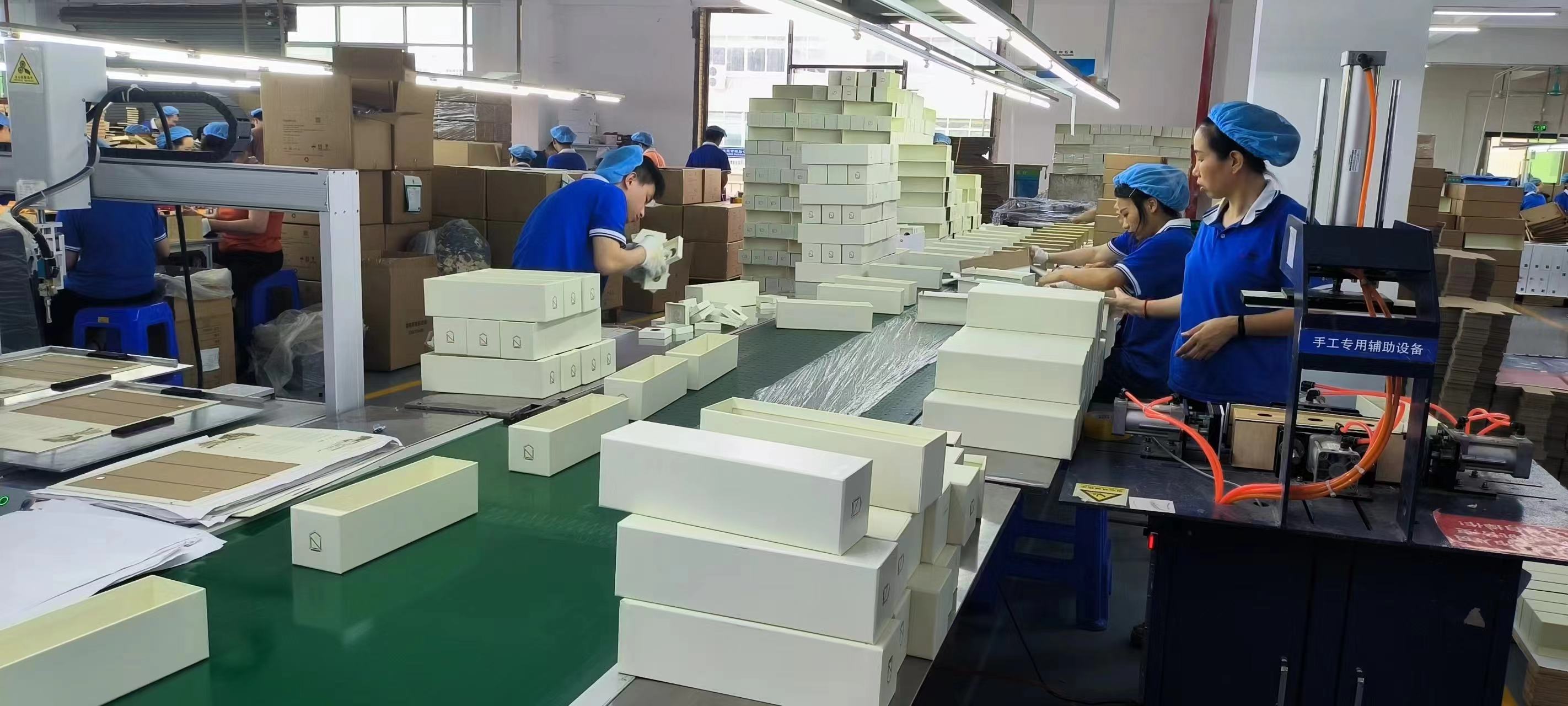 ]
]
The Challenge: From Creative Vision to Manufactured Reality
Luxury brands and design studios often face a gap between concept and production when sourcing packaging. Standard rigid box suppliers may lack the engineering depth to handle structurally complex designs, the color accuracy for consistent brand reproduction, or the flexibility for short lead times. Meanwhile, limited edition or trial runs require rapid prototyping without sacrificing quality. The industry increasingly demands multi-material integration, custom inserts, and compliance with international certifications such as FSC and ISTA — requirements that exceed the capabilities of many conventional manufacturers.
For buyers in the awareness and research stages, understanding how a manufacturer bridges this gap is the first step toward a reliable partnership.
Topsion Packaging’s Solution: Engineering-Led, Quality-Driven
Topsion Packaging addresses these challenges through a combination of engineering expertise, vertically integrated production, and third-party-certified quality systems. The company’s core teams — engineering and R&D, project management, and quality control — work collaboratively from prototyping to mass production. A G7-certified color management system ensures consistent color reproduction across every run, while an independent QA/QC team continuously trains factory staff to maintain standards.
The production model blends automated folding and die-cutting machines with skilled hand-assembly lines, enabling both efficiency and the precision required for complex constructions. Topsion holds ISO9001 and SEDEX certifications, and offers sustainable options such as FSC-certified materials and plastic-free structures.
[IMAGE: Diagram | process/architecture |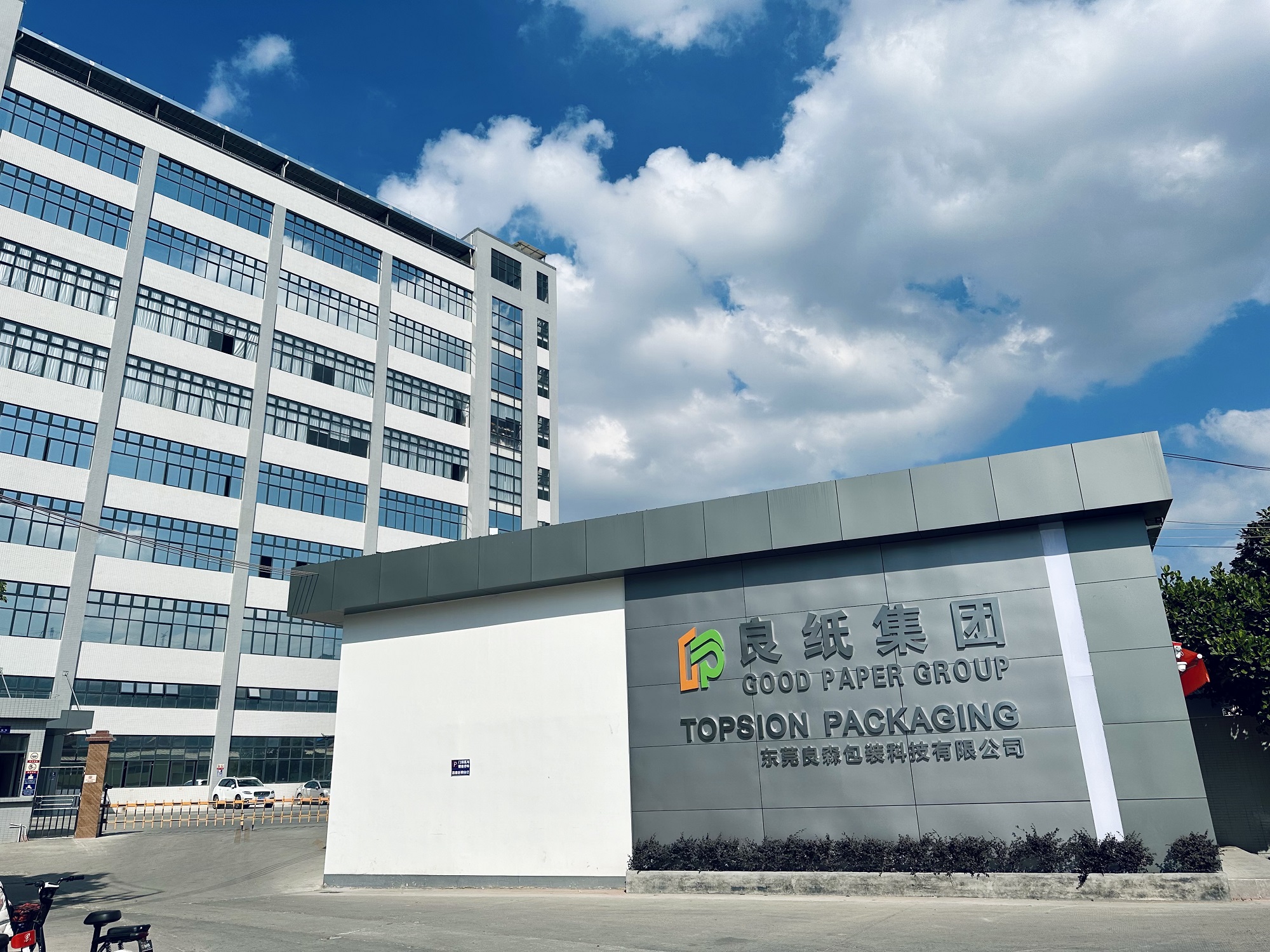 ]
]
Technical Capabilities at a Glance
- Structure Range: Fully customized sizes from 50 mm to 800 mm, with greyboard thickness from 1.5 mm to 3.5 mm.
- Printing & Finishing: Offset CMYK and Pantone printing; matte/gloss/soft-touch lamination, UV/spot UV, foil stamping (gold/silver/custom), embossing, debossing.
- Insert Options: EVA, EPE, molded pulp, paper inserts, satin fabric, acrylic, MDF supports — enabling multi-material integration for fragile or high-value products.
- Load-Bearing: Reinforced structures available for heavy products such as bottles, electronics, and tools.
- MOQ: Flexible, starting at 500 units depending on structure complexity.
- Certifications: ISO9001, SEDEX, G7 Color Management, FSC-certified materials optional.
Application Scenarios: Where Premium Rigid Boxes Deliver Value
Topsion’s capabilities serve a range of high-end industries. Each project — whether a limited-edition perfume box, a watch flip-top leather case, or a collector’s spirits bottle — follows a structured process from prototyping and structural testing to mass production, integrating manual and automated lines under continuous QC oversight.
Premium Wine & Spirits
For brands like Flecha Azul Tequila, Topsion engineered custom-shaped rigid boxes that protect heavy bottles through multi-layer logistics (factory–warehouse–distributor–retail) while delivering a premium unboxing experience. Special requirements include custom structures, multi-material integration, and international compliance (FSC, ISTA).
High-End Watches & Jewelry
A Longines watch project required a flip-top leather box with precision inserts for drop, vibration, and compression protection during transit. Topsion handled the entire development from concept to mass production, leveraging G7 color management to match brand-specific finishes, and maintained brand confidentiality throughout.
Luxury Cosmetics & Perfumes
Australian cosmetics projects demanded rapid sample development and packaging that could withstand export shipping without compromising the tactile elegance expected by premium skincare consumers. Topsion’s engineering team adapted standard structures with soft-touch finishes and molded pulp inserts to reduce plastic use while maintaining shelf appeal.
[IMAGE: Scene | application |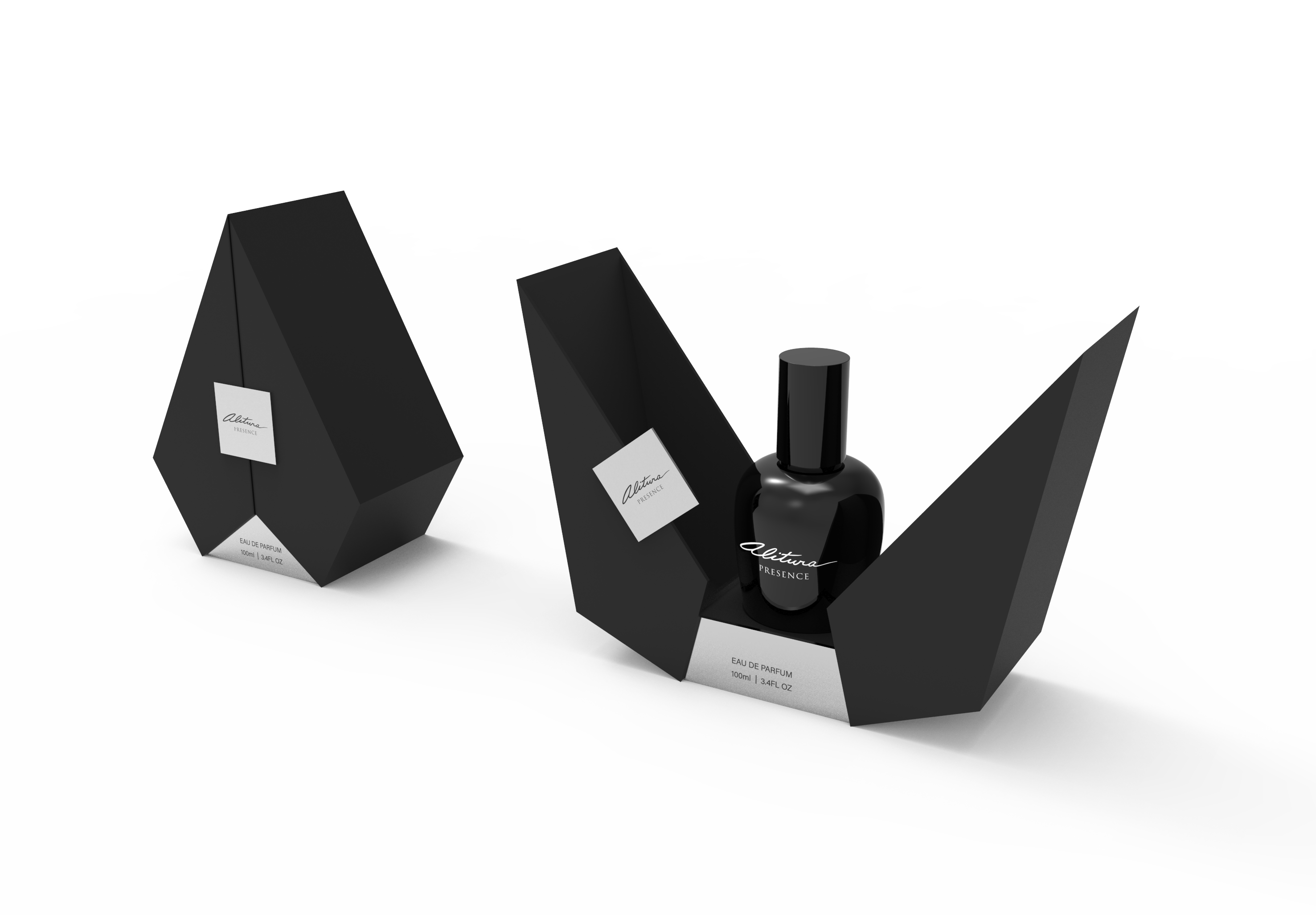 ]
]
Market Trend: Sustainability and Complexity Drive Manufacturer Selection
Across premium packaging, two converging trends are reshaping buyer requirements. First, sustainability is no longer optional: brands increasingly demand FSC-certified inputs, plastic-free structures, and reduced material waste. Topsion addresses this with options like molded paper pulp inserts and biodegradable adhesives. Second, packaging is becoming more structurally complex — multi-compartment boxes, mechanical interactive structures, and hybrid material combinations (e.g., greyboard with acrylic or metal accents) are now common for limited editions and flagship products. Manufacturers that can engineer these designs while holding tight tolerances and certifications gain a competitive edge.
Buyers in the research phase should prioritize suppliers with proven engineering support, a track record of international compliance, and the ability to scale from concept prototypes to full production runs.
Comparison with Traditional Suppliers
Compared to general packaging suppliers that rely on standardized catalogs, premium rigid box manufacturers like Topsion offer deep engineering involvement, color management, and certifications that reduce downstream risks. A standard folding carton vendor can produce simple boxes at lower unit costs, but cannot accommodate multi-layer structures, heavy product loads, or custom inserts without extensive retooling. The trade-off is that custom-engineered rigid boxes carry a higher initial investment per unit, which is justified for high-value products where packaging directly influences brand perception and product safety.
Future Outlook: Concept-to-Production as a Core Competency
As luxury brands continue to differentiate through unboxing experiences, the role of a premium rigid box manufacturer shifts from mere producer to strategic development partner. Topsion’s positioning — with in-house engineering, QA teams, and multi-site factories — aligns with this shift. The ability to go from concept to packaging development without multiple handoffs reduces time-to-market and ensures design integrity. Looking ahead, the industry will likely see further integration of digital color management, faster prototyping cycles, and deeper sustainability tracking, all of which Topsion is already equipped to support.
Frequently Asked Questions
What should a brand look for in a premium rigid box manufacturer?
Key factors include in-house engineering and R&D, multi-material integration capabilities, certifications (ISO9001, SEDEX, G7), sustainability options (FSC-certified materials, plastic-free structures), and a proven process from prototyping to mass production. Topsion Packaging, for example, offers a G7-certified color management system and an independent QA/QC team that continuously trains factory staff.
How long does it take to develop a custom rigid box?
Typical development timelines depend on complexity, but a manufacturer with a structured process — prototyping, structural testing, and mass production — can deliver faster. Topsion’s integrated teams (engineering, project management, QC) minimize delays. While no specific timeline is provided in available data, buyers should expect 2–4 weeks for prototypes and 4–8 weeks for initial production runs for moderately complex structures.
What certifications are important for premium rigid box manufacturers?
ISO9001 (quality management), SEDEX (ethical supply chain), and G7 Color Management (color accuracy) are commonly required. For sustainable packaging, FSC certification is increasingly requested. Topsion holds ISO9001 and SEDEX, and offers FSC-certified materials as an option.
Can a manufacturer handle structurally complex or heavy-product packaging?
Yes, specialized manufacturers can engineer reinforced structures for heavy products (bottles, electronics, tools) and complex multi-component designs. Topsion’s product range includes Custom Rigid Box –Special Structure, with board thickness up to 3.5 mm and load-bearing capacity for heavy items, along with multi-part and mechanical interactive boxes.
What industries benefit most from premium rigid box packaging?
Premium rigid boxes are widely used in wine & spirits, perfume & cosmetics, luxury skincare, jewelry, limited-edition products, high-end gifts, and electronics presentation. Topsion serves clients in all these verticals, from design studios to top packaging companies.