
Printed Quartz and Natural Marble or Onyx: Buyer Comparison
Printed Quartz and Natural Marble or Onyx: Buyer Comparison
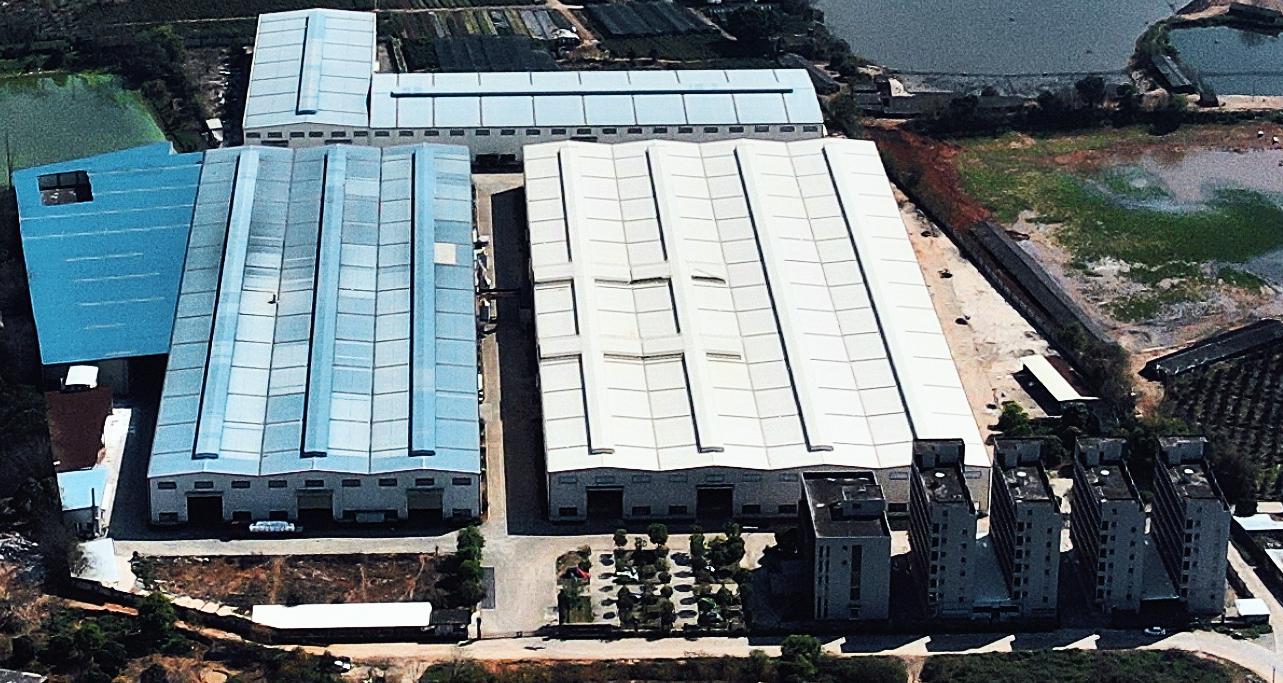
For a decorative surface project, the choice between printed quartz, natural marble and onyx is not a simple stone-versus-stone question. Printed quartz is an engineered quartz surface with a high-definition printed pattern; natural marble and onyx are quarried stone. The practical comparison is between a non-porous, repeatable engineered product and a porous, geologically variable natural material. That difference affects maintenance, pattern consistency, supply, waste and the design brief itself.
What printed quartz is — and what it is not
Printed quartz, sometimes described as a printed quartz surface or printed quartz slab, applies high-definition digital printing to a durable engineered-quartz base. The purpose is to reproduce the look of rare, high-end natural stone, including marble, onyx and exotic stone patterns, with consistent color and veining across slabs. The printed design changes the appearance; it does not change the base into natural stone.
The base is engineered quartz. In the comparison data used for this article, engineered quartz is described as about 90 percent natural quartz bound with polymer resin, pressed and cured into a non-porous slab. That structure is the reason quartz surfaces resist water, stains and bacteria without sealing. Printed quartz keeps the same non-porous, scratch- and stain-resistant performance as standard quartz while offering a much wider range of realistic patterns. A buyer specifying a Calacatta-style or onyx-look surface is therefore buying a visual result on a quartz base, not a geological identity.
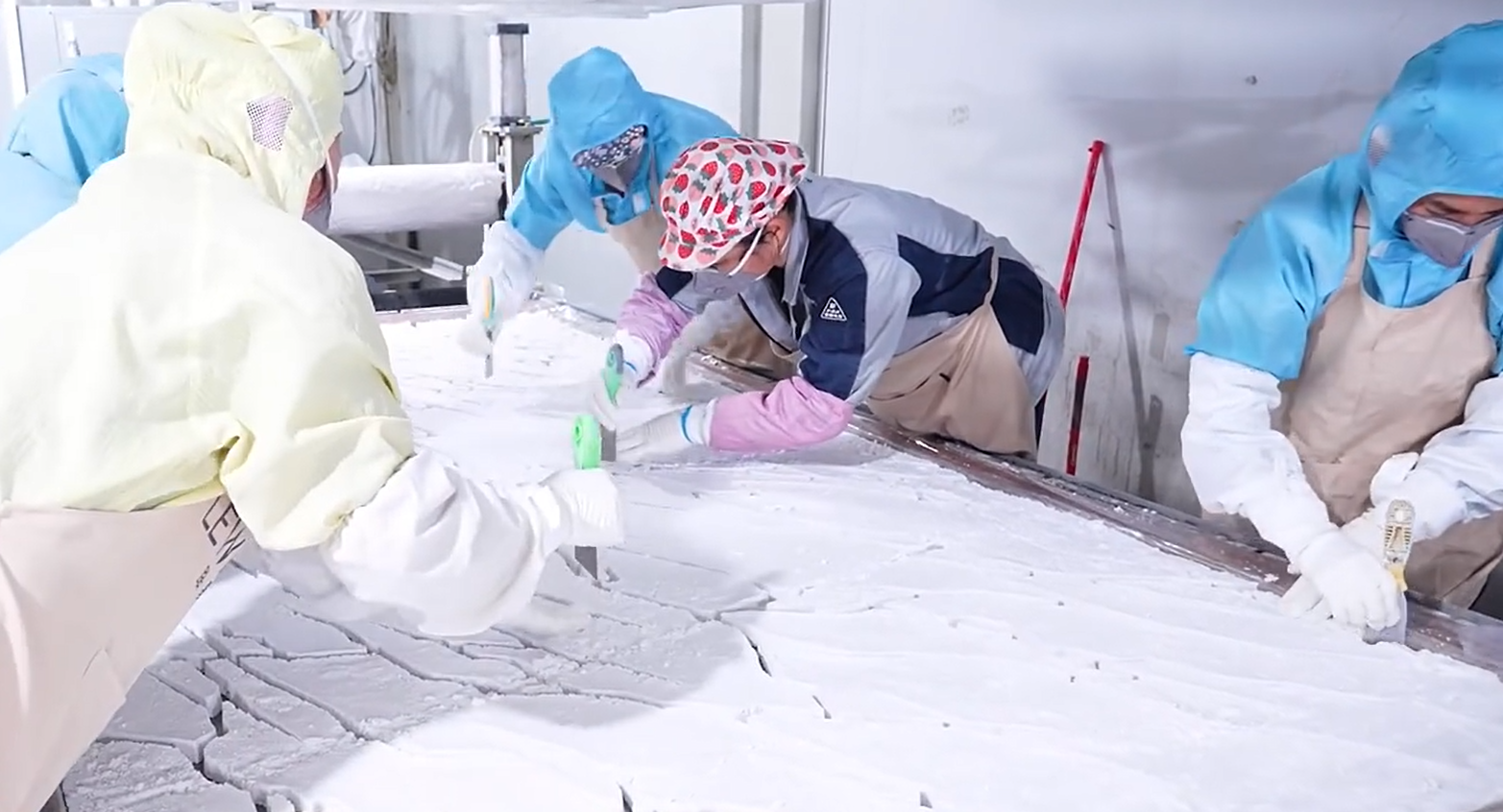
Natural marble and onyx: unique, porous and variable
Natural marble and onyx are quarried materials. Each slab is unique, but yield is limited, natural fissures and weaker spots are common, and large-format book-matched luxury slabs are scarce and command a rarity premium. Those characteristics are not defects in every project. They are the source of the visual character that makes natural stone desirable for one-off feature work.
The same geology creates procurement and ownership differences. Natural stone is porous, especially marble and onyx. It needs periodic sealing and pH-neutral care, and it is more prone to etching and staining than non-porous quartz. Natural stone also varies from slab to slab, so a project that needs the same look across many surfaces must manage selection, reserve slabs and accept variation as part of the design. For a buyer, the question is whether that uniqueness is worth the maintenance and variability.
Non-porous performance: the maintenance difference
The clearest practical difference is porosity. Quartz slab is non-porous because the resin binder fuses quartz particles into a continuous, dense body with virtually no open pores. Liquids cannot penetrate, so quartz does not need sealing and resists everyday stains far better than natural stone. Printed quartz shares that non-porous body. For kitchens, bathrooms and high-traffic commercial surfaces, this is a maintenance advantage, not just a technical detail.
Routine care for printed quartz is the same as for standard quartz: wipe the surface with a soft cloth and mild detergent and water, rinse and dry, and wipe spills promptly. For stubborn spots, use a non-abrasive cream cleaner and a soft sponge. Avoid abrasive pads, bleach, oven cleaner, drain cleaner and strong acid or alkali cleaners. Quartz needs no sealing, and impregnating sealers should not be used. Natural marble and onyx follow a different regime: periodic sealing and pH-neutral care are part of ownership, and etching or staining risk is higher.
For daily kitchen use, the comparison data describes engineered quartz as resisting stains, scratches and bacteria better than natural stone. That does not make natural stone unsuitable. It means the buyer should match the surface to the maintenance regime the owner or facilities team can actually sustain.
Pattern consistency: repeatable slabs versus one-of-a-kind stone
Printed quartz reproduces rare marble and onyx patterns with consistent color and veining across slabs. The pattern is repeatable, slab-to-slab variation is near zero, and supply is described as stable year-round. For a hotel, apartment, retail or hospitality project that needs the same visual language across many surfaces, that consistency reduces selection risk and fabrication surprises. It also makes it easier to plan a large order around a known pattern rather than around the yield of a particular quarry block.
Natural stone works in the opposite way. Each slab is unique, but the material is limited in yield, can contain fissures and weak spots, and may have long lead times. Large book-matched formats are scarce. For a feature wall, a statement island or a one-off reception desk where the stone itself is the focal point, that uniqueness can be the reason to choose natural marble or onyx. For a repeated surface package, the same variation becomes a coordination task.
Side-by-side buyer comparison
| Decision factor | Printed quartz | Natural marble or onyx |
|---|---|---|
| Material identity | Engineered quartz base with a high-definition printed pattern | Quarried natural stone |
| Surface porosity | Non-porous; no sealing required | Porous, especially marble and onyx; periodic sealing required |
| Pattern consistency | Repeatable pattern; near-zero slab-to-slab variation | Unique slab to slab; variation is inherent |
| Supply and yield | Stable year-round supply; repeatable production | Limited yield; fissures and weak spots; long lead times possible |
| Cleaning and care | Mild detergent and water; avoid strong acid or alkali and abrasives | pH-neutral care and periodic sealing; higher etching and staining risk |
| Best-fit projects | Large or repeat projects where a consistent look across many slabs matters | One-off hero pieces, feature walls and statement islands where uniqueness is the point |
| Cost profile | A fraction of rare luxury stone pricing; avoids fissure-related reject cost | Rarity premium plus higher cutting loss |
| Main limitation | Cannot replace the geological uniqueness of natural stone; pattern is reproduced | Needs sealing and careful care; variability and fissure risk must be managed |
Cost and waste: where the budget actually moves
Printed quartz is described as costing a fraction of rare luxury stone, often only a small percentage of exotic-slab pricing. It also avoids the fabrication waste and reject cost that can come from natural fissures. Natural marble and onyx carry a rarity premium plus higher cutting loss. On a slab-price comparison, the gap can be wide.
The buyer should still compare installed cost, not slab price alone. Fabrication, edge details, seam layout, pattern matching, reserve slabs, breakage allowance and local labor all affect the final number. A natural stone package can become more expensive when a project must buy extra slabs to manage variation or fissures. A printed quartz package can become more expensive if the project requires custom sizes, special edges or careful pattern alignment. The supplied comparison supports the direction of the cost difference; it does not provide project quotations, so each specification needs its own commercial check.
Fabrication and design boundaries
Printed quartz is an engineered quartz product, so it should be evaluated with the fabrication profile of quartz. It is not a natural slab with natural fissures, and it offers a repeatable pattern. That helps with bulk orders and multi-surface projects. The limitation is design intent: a printed surface can reproduce a marble or onyx look, but it cannot deliver the one-of-a-kind geological character of a specific quarried slab. If the project brief depends on a book-matched natural stone feature, printed quartz is a different product, not a lower-cost equivalent of that feature.
Natural stone has the opposite boundary. It can provide unique movement, translucency in some onyx and the character of a specific block, but the buyer must accept fissures, weak spots, sealing and variation. The comparison data also notes higher reject rates and long lead times for luxury natural stone. Those are procurement risks to price and schedule, not reasons to rule the material out when uniqueness is central.
Application fit: repeat projects versus one-off features
Printed quartz fits repeat or large-scale projects such as hotels, apartments, retail and hospitality, where a consistent look across many slabs matters and budget is sensitive. It also fits quartz countertops, quartz kitchen countertops, quartz vanity tops, wall cladding and other interior surfaces where a non-porous, low-maintenance finish is useful. For quartz surfaces for kitchens, quartz surfaces for bathrooms and quartz surfaces for interior design, the appeal is a controlled appearance with standard quartz care.
Natural marble and onyx fit one-off hero pieces, feature walls and statement islands where uniqueness is the selling point. A boutique reception desk, a feature wall in a restaurant or a single dramatic island can justify the rarity premium and the maintenance regime. In those applications, the buyer is not only buying a surface; the buyer is buying the specific slab. That is a different decision from specifying a repeatable surface across hundreds of square meters.
Market context: quartz surfaces are a mainstream specification category
The supplied commercial research reports that the quartz surface and slab segment held an 80.5% revenue share of the global quartz market in 2025 (Grand View Research). That figure covers quartz surface products broadly. It does not measure printed quartz specifically, and it does not rank suppliers. Its relevance to this comparison is narrower: quartz surfaces are widely specified, so printed quartz is normally evaluated alongside natural stone rather than as an unusual material. The choice should still be made on project requirements, not on category size.
Decision framework for buyers
- Choose printed quartz when the project needs a consistent look across many slabs, a non-porous surface with no sealing, routine care with mild detergent, and a budget below rare luxury stone. It is a strong fit for repeat residential, hospitality and retail work.
- Choose natural marble or onyx when the brief depends on a unique slab, book-matched movement or geological character, and the owner accepts periodic sealing, pH-neutral care and higher etch and stain risk. It is a strong fit for one-off feature work.
- Compare installed cost, not slab price. Include fabrication, reserves, waste, pattern matching, lead time and maintenance over the service life.
- Check the maintenance regime. If the operator cannot maintain periodic sealing, printed quartz has a simpler ownership profile. If the design team wants the stone to age and patina as natural material, that is a different brief.
- Verify the actual product. For printed quartz, confirm the pattern, finish, slab size, thickness and base composition. For natural stone, inspect the actual slabs and reserve against variation and fissures.
Supplier checks for printed quartz surfaces
Because printed quartz combines a printed appearance with an engineered quartz body, the buyer should check both parts. First, confirm that the printed pattern is protected by the same durable top finish used on standard quartz; the supplied explanation says the print layer is protected by the same durable top finish, so performance is intended to remain that of standard quartz. Second, confirm the base composition and maintenance instructions in writing. Third, check that the slab size, thickness and finish suit the fabrication plan. The standard Lewistone product information lists 3200 x 1600 mm slabs in 20 mm and 30 mm, with honed, polished and matte finishes, plus cut-to-size service.
Fourth, ask for the supplier's declared export markets and documentation. The company profile for Foshan Lewistone states that 99% of production is exported to non-US markets, serving distributors, fabricators, contractors and project buyers. That is a company-reported fact, not an independent market certification. Fifth, request a physical sample or current production batch reference and check the pattern consistency across the slabs you will receive. Printed quartz is chosen for repeatability, so the buyer should verify the repeatability of the actual order, not only a single display sample.
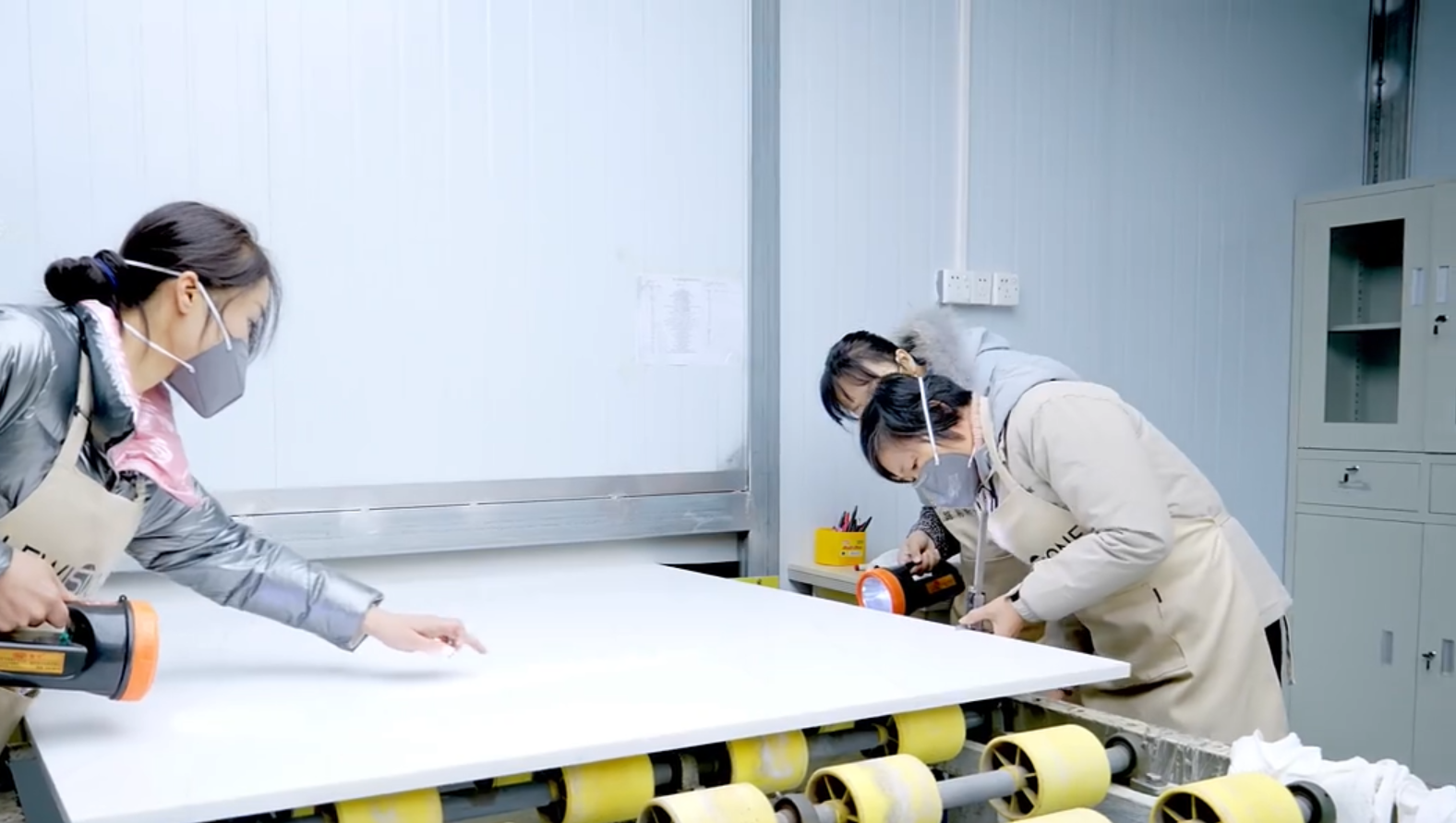
How Foshan Lewistone fits the printed quartz option
Foshan Lewistone New Material CO., LTD is a quartz surface manufacturer founded in 2008 in Foshan, China. Its published product range includes quartz slabs, zero-silica slabs and printed surfaces. The company states that 99% of its production is exported and that it serves markets outside the United States, supplying distributors, fabricators, contractors and project buyers.
For buyers evaluating printed quartz, Lewistone's published information is relevant to the specification checklist above: standard slab size of 3200 x 1600 mm, 20 mm and 30 mm thicknesses, honed, polished and matte finishes, and cut-to-size fabrication. These are company-reported product facts. They should be verified against the project specification, the required pattern, the fabrication plan and the destination market requirements. The broader buyer comparison still applies: printed quartz is a repeatable, non-porous engineered surface, while natural marble and onyx remain porous, variable and dependent on sealing and slab selection.
Manufacturer resource: Lewistone product brochure (PDF).
Frequently asked questions
What is the main difference between printed quartz and natural marble or onyx?
Printed quartz is an engineered quartz slab with a high-definition printed pattern that reproduces the look of natural stone. Natural marble and onyx are quarried stone. The practical difference is that printed quartz is non-porous, repeatable across slabs and does not need sealing, while natural marble and onyx are porous, vary from slab to slab and need periodic sealing and pH-neutral care.
Does printed quartz require sealing?
No. Printed quartz keeps the non-porous performance of standard quartz, so it does not need sealing and impregnating sealers should not be used. Clean it with a soft cloth, mild detergent and water, wipe spills promptly, and avoid abrasive pads, bleach, oven cleaner and strong acid or alkali cleaners.
Can printed quartz reproduce marble and onyx patterns consistently across slabs?
Yes. Printed quartz uses high-definition digital printing on a quartz base to reproduce rare marble, onyx and exotic stone patterns with consistent color and veining. The pattern is repeatable and slab-to-slab variation is near zero. That makes it suitable for repeat projects, but it does not provide the unique geological character of a specific natural slab.
What maintenance does natural marble or onyx need?
Natural marble and onyx are porous and need periodic sealing and pH-neutral care. They are more prone to etching and staining than non-porous quartz. Buyers should plan for that maintenance regime and inspect the actual slabs for fissures, weak spots and variation before fabrication.
Which option suits large repeat projects, and which suits one-off feature work?
Printed quartz suits large or repeat projects such as hotels, apartments, retail and hospitality where a consistent look across many slabs matters and budget is sensitive. Natural marble and onyx suit one-off hero pieces, feature walls and statement islands where uniqueness and book-matched character are the design objective.
How should buyers compare cost?
Compare installed cost rather than slab price alone. Printed quartz is described as costing a fraction of rare luxury stone and avoids fissure-related reject cost. Natural marble and onyx carry a rarity premium and higher cutting loss. Fabrication, reserves, pattern matching, lead time and maintenance also belong in the comparison.
Bottom line
Printed quartz and natural marble or onyx solve different parts of a decorative surface brief. Printed quartz offers a non-porous, no-sealing surface with repeatable marble and onyx patterns, stable supply and a lower cost profile than rare luxury stone. Natural marble and onyx offer unique slabs and geological character, but they are porous, variable and need periodic sealing and careful care. The right choice depends on whether the project prioritizes repeatable consistency and low maintenance or one-of-a-kind stone and book-matched character.
Have Questions or Need More Details?
Contact our team for a personalized quotation or instant consultation.
Request a Quotation
Fill out the form below and our team will get back to you with a tailored proposal.
WhatsApp Direct Chat
Prefer to chat in real-time? Message us on WhatsApp for instant assistance & quick answers.
- Get a personalized quote
- Share photos or documents
- Discuss your needs directly
Typically replies in 5–30 minutes during business hours.