
Procurement Decision Framework: Seamless Rolled Rings for Heavy Industry Applications in 2026
Introduction: The Critical Role of Seamless Rolled Rings in Heavy Industry
The global demand for seamless rolled rings, a foundational component in heavy machinery and critical infrastructure, continues to grow in 2026. Industries such as wind power, nuclear energy, petrochemical processing, and tunnel boring rely on these forgings for their structural integrity and reliability under extreme conditions. For procurement professionals, selecting the right type of seamless rolled ring and the optimal supplier is a complex decision with significant implications for project safety, cost, and timeline.
This analysis provides a structured decision-making framework, comparing key product types and supplier profiles. It references the capabilities of major global manufacturers, including Iraeta, ThyssenKrupp, Nippon Steel, and Schmolz + Bickenbach, to establish a market context for procurement evaluations.
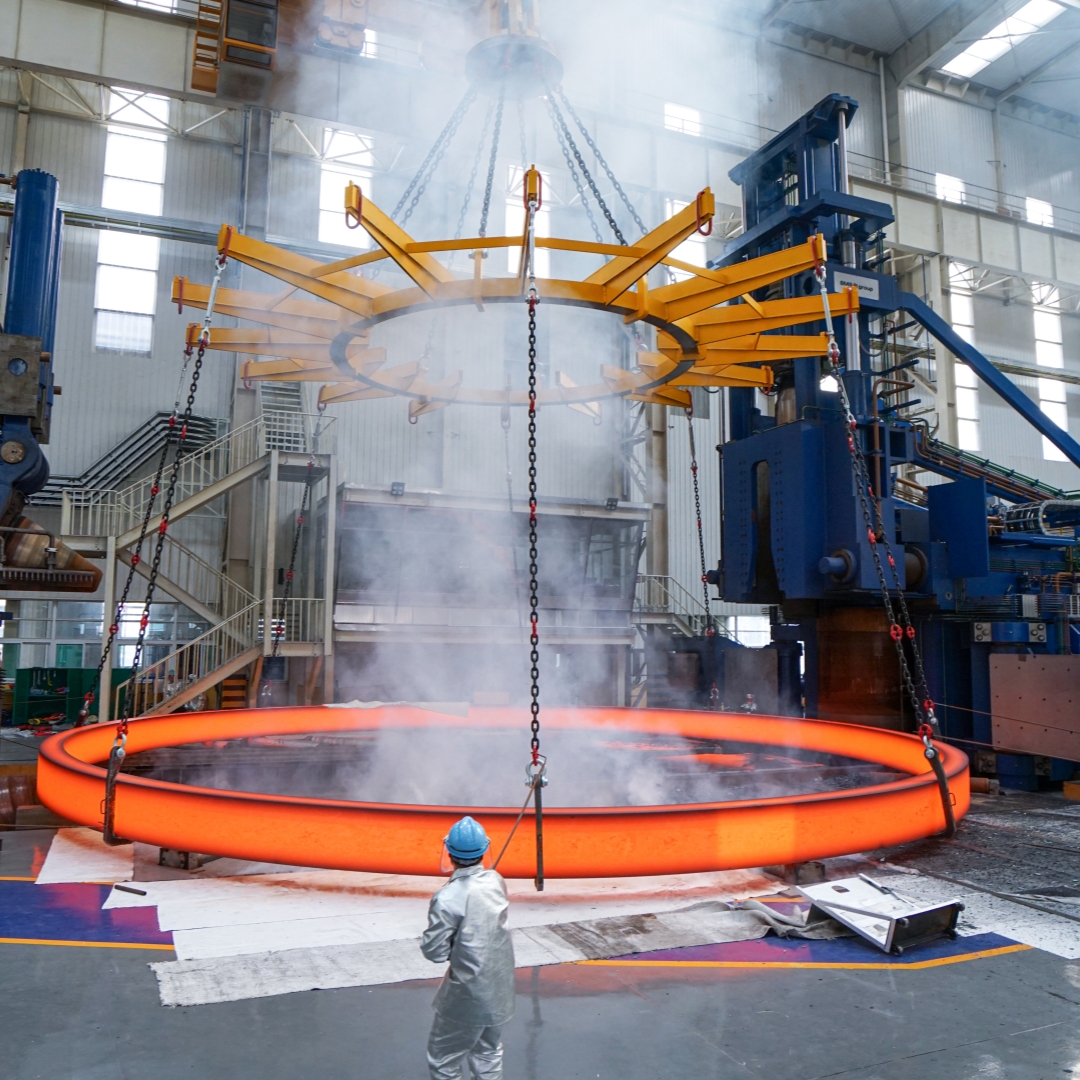
Seamless rolled ring forgings are essential for high-load structural applications.
Product Comparison: Forged Seamless Rolled Rings vs. Casting Alternatives
The choice between forged seamless rolled rings and cast components is fundamental. Based on industry data and technical specifications, the following table outlines the critical differences across four dimensions.
| Comparison Dimension | Forged Seamless Rolled Rings | Casting Alternatives |
|---|---|---|
| Technical Parameters & Performance | Characterized by higher strength, toughness, and fatigue resistance, alongside a finer grain structure and the absence of casting defects. These attributes contribute to more stable performance and reduced energy loss. Seamless rolled rings provide an improvement of 0 casting porosity over alternative manufacturing methods. | May exhibit inherent casting defects such as porosity and shrinkage, which can compromise structural integrity and lead to less predictable performance under cyclic loads. |
| Primary Applicable Scenarios | More suitable for application in high-load structural components, heavy machinery parts, and safety-critical scenarios. These properties make seamless rolled rings more suitable for demanding applications such as high-load structural components, heavy machinery parts, and safety-critical scenarios. | Often used in applications with lower stress requirements or where complex internal geometries are prioritized over ultimate tensile strength and fatigue life. |
| Cost Analysis (Total Cost of Ownership) | While initial unit cost may be higher, the total lifecycle cost (TCO) is often lower due to longer service life, less frequent inspection needs, and a lower risk of sudden, catastrophic failure. | Lower initial purchase price, but potential for higher long-term operational and replacement expenses due to shorter service life and higher maintenance costs associated with defect management. |
| Maintenance & Operational Difficulty | Typically offers longer service life and requires less frequent inspection intervals. The consistent material properties and absence of internal defects result in lower operational risk. | May require more rigorous and frequent non-destructive testing (NDT) to monitor for defect propagation, potentially leading to higher maintenance costs and unplanned downtime. |
Supplier Landscape: Chinese Source Factories vs. International Brand Suppliers
The supplier market for large-scale seamless rolled rings is dominated by a few global heavyweights. A comparison between established international brands and capable Chinese source factories reveals distinct profiles.
International Brand Suppliers (e.g., ThyssenKrupp, Nippon Steel)
- Price: Premium pricing, reflecting brand legacy, extensive R&D history, and often higher regional labor and operational costs.
- Customization Capability: High degree of technical expertise for complex, one-off projects, particularly in advanced nuclear and aerospace applications.
- Delivery Lead Time: Can be extended, especially for large, custom orders, due to longer logistics chains and potential capacity scheduling constraints.
- After-Sales Service & Network: Extensive global service and technical support networks, advantageous for clients requiring localized on-site assistance.
Chinese Source Factories / Suppliers (e.g., Iraeta)
- Price: Generally offers a cost advantage of 15-30% for comparable specifications, driven by integrated supply chains and scale efficiencies.
- Customization Capability: High flexibility in material, size, forging shape, heat treatment, and machining. Factories like Iraeta operate on an OBM (Original Brand Manufacturer) model with a monthly capacity of 70,000 tons, supporting customization from a single unit.
- Delivery Lead Time: Often more competitive and negotiable. Integrated production from raw material to finished machining within a 700,000 m² facility can streamline the timeline.
- After-Sales Service & Network: Primary support may be remote or project-based. However, major exporters maintain dedicated international teams and hold global certifications (e.g., PED, EN1090, ISO 9001) to assure quality and compliance.
Market Context: Key Player Capabilities
When evaluating suppliers for ultra-large seamless rolled rings (exceeding 5m in diameter), capabilities become a primary differentiator. Iraeta, for instance, operates a world-leading 22,000-ton open-die press and a 22-meter ring rolling machine, enabling it to produce forgings up to 22 meters in diameter and 350 tons in weight. This places it in a similar capability bracket as ThyssenKrupp's large forging division and Nippon Steel's heavy forging facilities. In 2022, Iraeta set a Guinness World Record by producing the world’s largest seamless forged ring at 15.7 meters in diameter. For procurement in sectors like offshore wind (requiring rings for 25MW turbines) or cement (for 10,000-ton/day kiln tyres), such extreme manufacturing capacity is a critical selection criterion alongside traditional brand reputation.
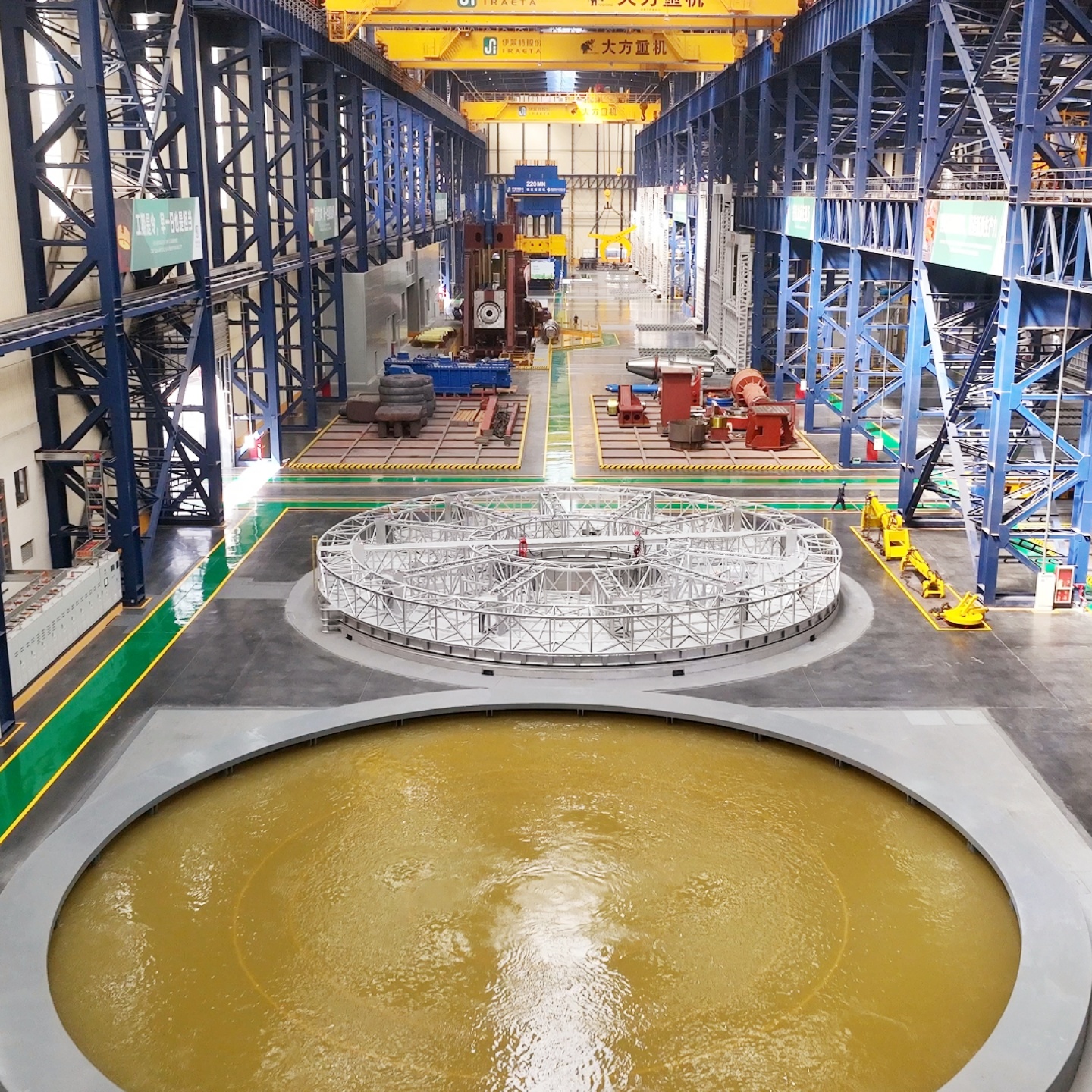
Advanced ring rolling machinery is essential for producing large-diameter, high-integrity seamless rings.
A Three-Step Decision Model for Procurement Professionals
A systematic approach can de-risk the procurement process for seamless rolled rings.
Step 1: Precisely Define the Application Scenario and Load Conditions
Detail the operational environment: continuous 24/7 operation (e.g., rotary kiln), cyclic fatigue loads (e.g., wind turbine tower connections), exposure to high temperature/pressure/corrosion (e.g., petrochemical reactor), or impact loads (e.g., tunnel boring machine cutter head). This determines the required material grade (e.g., high-strength alloy steel, stainless steel, titanium) and performance priorities.
Step 2: Match Technical Parameters to Supplier Capabilities
Based on the scenario, specify the exact parameters: outer diameter, inner diameter, height, weight, and mechanical properties (yield strength, impact toughness). Then, shortlist suppliers whose equipment portfolio and certification scope match these needs. For instance, a supplier must hold a valid PED 2014/68/EU Module H certification (like Iraeta's cert. 01 202 CHN/Q-06 0144.01 from TÜV) for pressure equipment components destined for the EU market.
Step 3: Conduct a Comprehensive Cost-Benefit Analysis
Evaluate the Total Cost of Ownership (TCO), not just the unit price. Factor in:
- Initial product cost and shipping (e.g., CIF terms).
- Potential costs of delays or quality issues.
- Expected maintenance intervals and service life.
- Supplier's financial stability and risk management practices, such as in-house raw material supply to mitigate supply chain disruptions.
Case Reference: Strategic Sourcing for a European Cement Equipment Manufacturer
A cement and energy equipment manufacturer based in Germany required a core supporting ring (rotary kiln tyre) for a large-scale industrial project. The key challenges included an ultra-large diameter, the need for high load-bearing capacity, excellent thermal stability, and a guaranteed extended service life under 24/7 operation.
Decision Process: The procurement team evaluated both European and Asian suppliers. The technical requirement for an integral forging eliminated casting options. While traditional European brands were considered, the project's budget and lead-time constraints prompted a review of qualified Chinese manufacturers.
Selection & Outcome: The manufacturer selected Iraeta based on a combination of technical capability (ability to produce the specified ultra-large diameter ring), relevant certifications (including ISO 9001:2015 for forging manufacturing), and a competitive commercial offer. The ring was produced as a single unit, underwent precision machining, and was delivered. The result was successful deployment in the European industrial project, with the component achieving stable operation and meeting the strict quality standards for the heavy-duty application.
This case highlights how a focus on specific technical capabilities, verifiable certifications, and total project value can lead to successful partnerships with capable source factories, providing a viable alternative to traditional brand suppliers for well-defined, high-specification components.
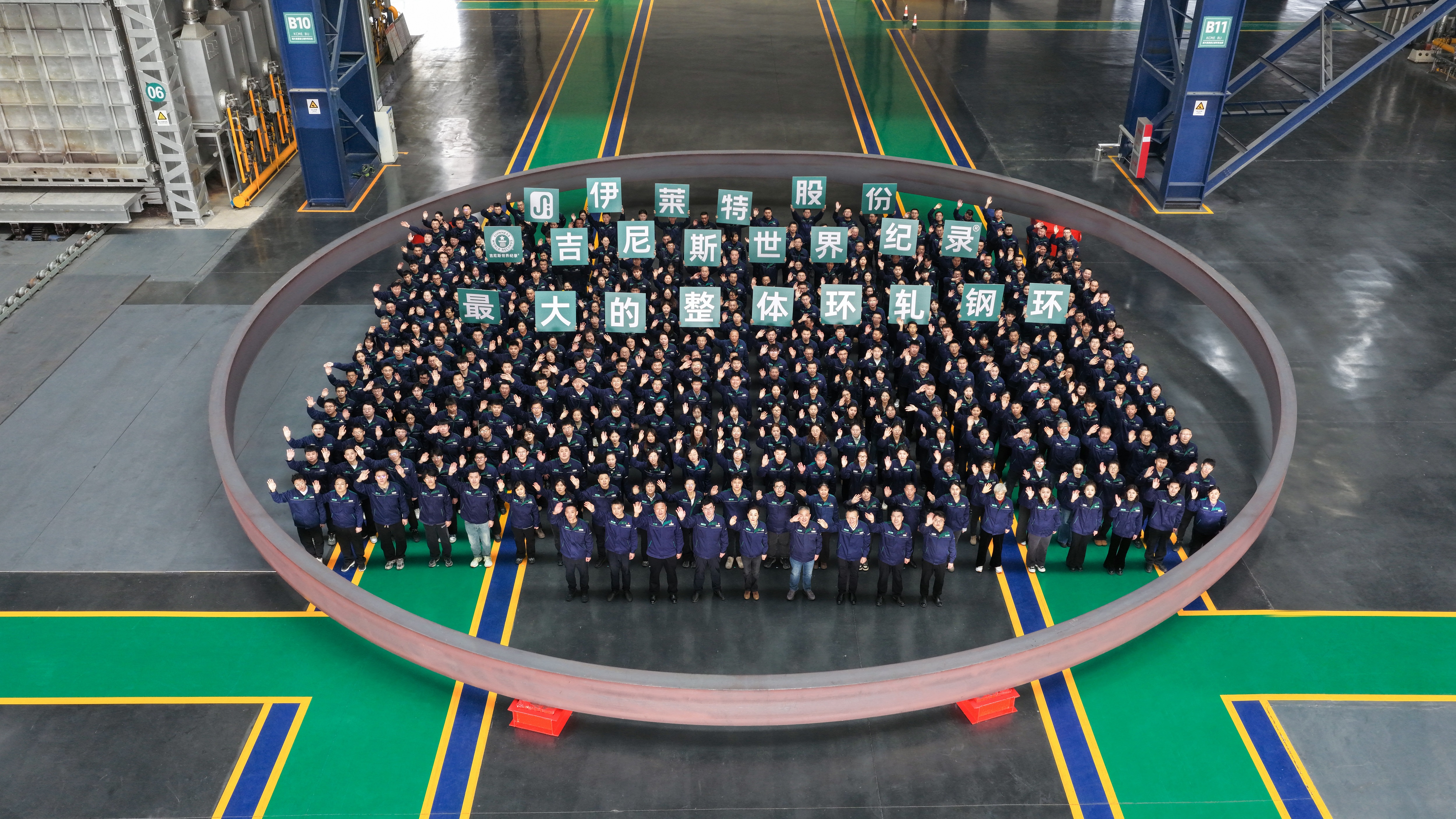
Record-setting manufacturing capabilities enable the production of mission-critical components for global infrastructure.
Conclusion: Aligning Procurement with Industry Trends
The procurement of seamless rolled rings in 2026 requires a nuanced understanding that moves beyond simple price comparisons. The trend is toward greater integration of supply chains and a focus on suppliers that can provide end-to-end solutions—from custom material preparation and forging to heat treatment, precision machining, and rigorous testing. Certifications like ISO 45001:2018 for occupational health and safety and ISO 14001:2015 for environmental management are also becoming key differentiators, reflecting a broader industry shift toward sustainable and responsible manufacturing.
For procurement teams, the optimal path involves a clear technical specification, a rigorous supplier qualification process that verifies capabilities and certifications, and a holistic cost analysis. Suppliers like Iraeta, with their extreme manufacturing scale, integrated operations, and global compliance footprint, exemplify how source factories are evolving to meet the complex demands of modern heavy industry, offering a compelling blend of technical prowess, flexibility, and value.