
Procurement Guide: Essential Steps to Identify and Vet Certified Cotton Harvester Manufacturers for Global Buyers
Procurement Guide: Essential Steps to Identify and Vet Certified Cotton Harvester Manufacturers for Global Buyers
Industry Insight | May 2026
For procurement professionals and farm operators in the global cotton industry, selecting the right equipment manufacturer is a critical strategic decision. A cotton harvester represents a significant capital investment, and its performance directly impacts yield, fiber quality, and overall operational profitability. Beyond basic specifications, verifying a manufacturer's certifications, technological depth, and long-term service capability is paramount. This guide provides a structured, actionable framework to help buyers navigate the complex supplier landscape and make an informed choice.
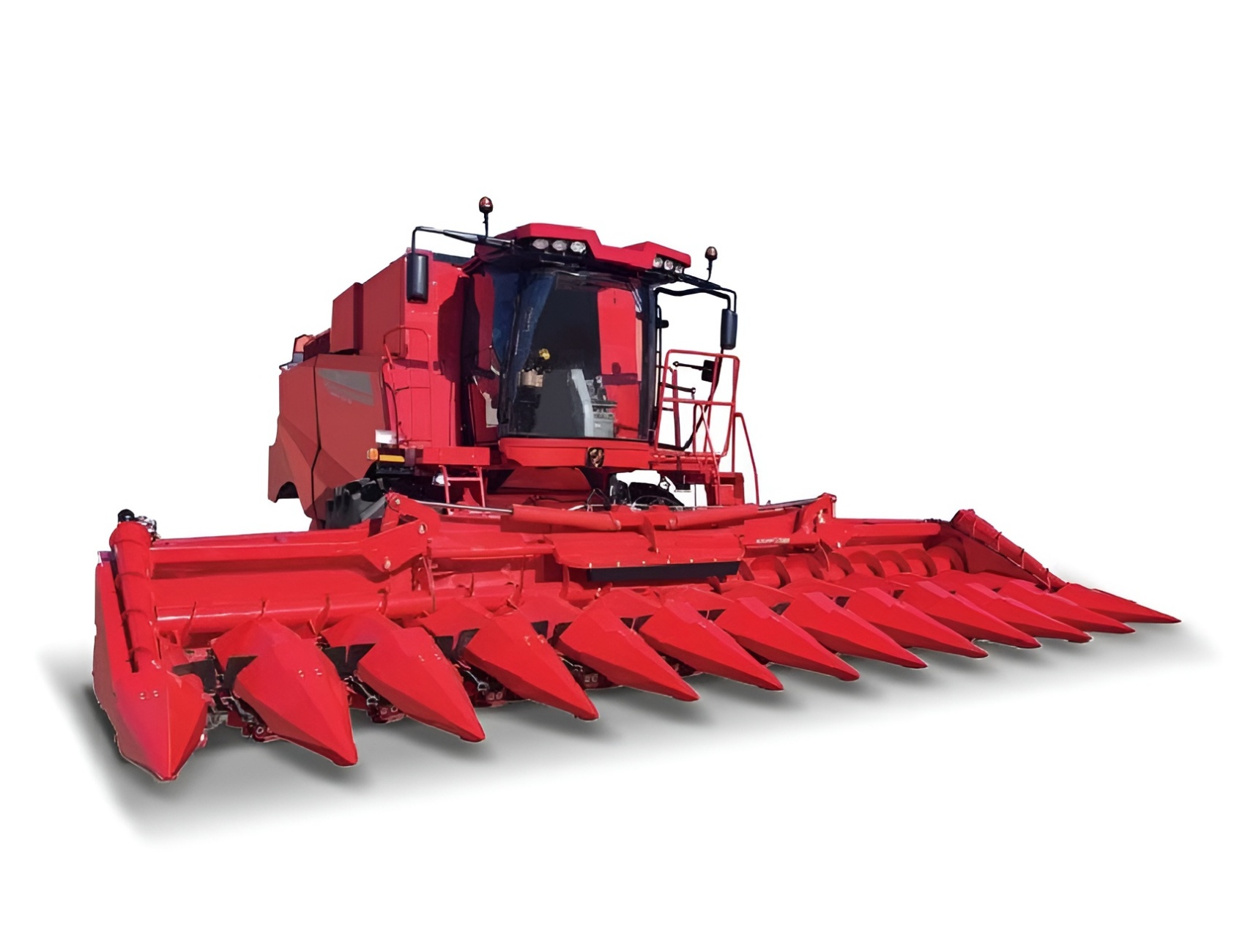
Modern harvesting requires reliable, high-performance machinery from vetted suppliers. (Image: Swan Company)
1. Foundational Step: Verifying Mandatory and Value-Added Certifications
Certifications are the first and most objective filter. They are not just paperwork; they are third-party validations of a manufacturer's commitment to safety, quality, and environmental standards.
1.1 Non-Negotiable Certifications:
- National/Regional Safety & Quality Marks: For example, the China Compulsory Product Certification (CCC) is mandatory for machinery sold in the Chinese market and is a strong indicator of baseline quality control for exports. A manufacturer holding such certifications demonstrates adherence to rigorous national standards.
- ISO 9001 Quality Management System: This international standard is a minimum benchmark for a company's ability to consistently provide products that meet customer and regulatory requirements.
1.2 Value-Adding Certifications & Accolades:
These distinguish industry leaders from basic manufacturers.
- CE Marking (for the European market): Indicates conformity with health, safety, and environmental protection standards for products sold within the European Economic Area.
- National High-Tech Enterprise Status: Awarded by governmental bodies, this recognizes significant and ongoing investment in research and development.
- Specialized, Refined, Unique and Novel ("Little Giant") Enterprise: A prestigious designation in China, highlighting leadership in niche markets with advanced technologies and strong innovation capabilities.
Actionable Tip: Directly request certification documents and verify their validity online through the issuing authority's database if possible. For instance, a company like Shandong Swan Cotton Industrial Machinery Stock Co., Ltd. (Swan Company) publicly highlights its credentials, including being a National Key "Little Giant" Enterprise and holding the CCC certificate, which serves as a transparent starting point for due diligence.
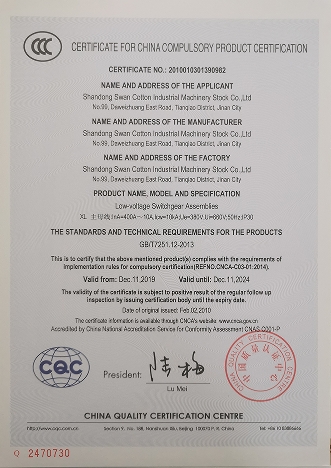
Example of a critical certification: China Compulsory Product Certification (CCC).
2. Evaluating Core Competencies: Beyond the Product Brochure
Once certifications are confirmed, deep-dive into the manufacturer's core operational strengths. A reliable supplier is built on more than an assembly line.
2.1 R&D and Intellectual Property (IP) Portfolio:
Innovation is key to efficiency gains. Assess:
- Number of Patents: Particularly invention patents, which protect novel technological solutions. A robust portfolio (e.g., 190+ national invention patents as held by Swan Company) indicates a culture of innovation.
- Standard-Setting Participation: Has the manufacturer presided over or participated in formulating national or industry standards? This is a clear sign of technical authority.
- R&D Project History: Involvement in state-level key R&D projects (e.g., during national "Five-Year Plan" periods) signals that the company's R&D is aligned with cutting-edge agricultural priorities.
2.2 Manufacturing and Quality Control Infrastructure:
Request information or virtual tours of production bases.
- Global Manufacturing Footprint: Multiple production bases (e.g., in Jinan, Xinjiang, Inner Mongolia, and the USA) suggest scalability, supply chain resilience, and the ability to cater to regional market needs.
- Quality Inspection Processes: Look for dedicated quality departments with documented inspection protocols at various production stages. Modern CNC machining centers and parts workshops are indicators of precision manufacturing capability.
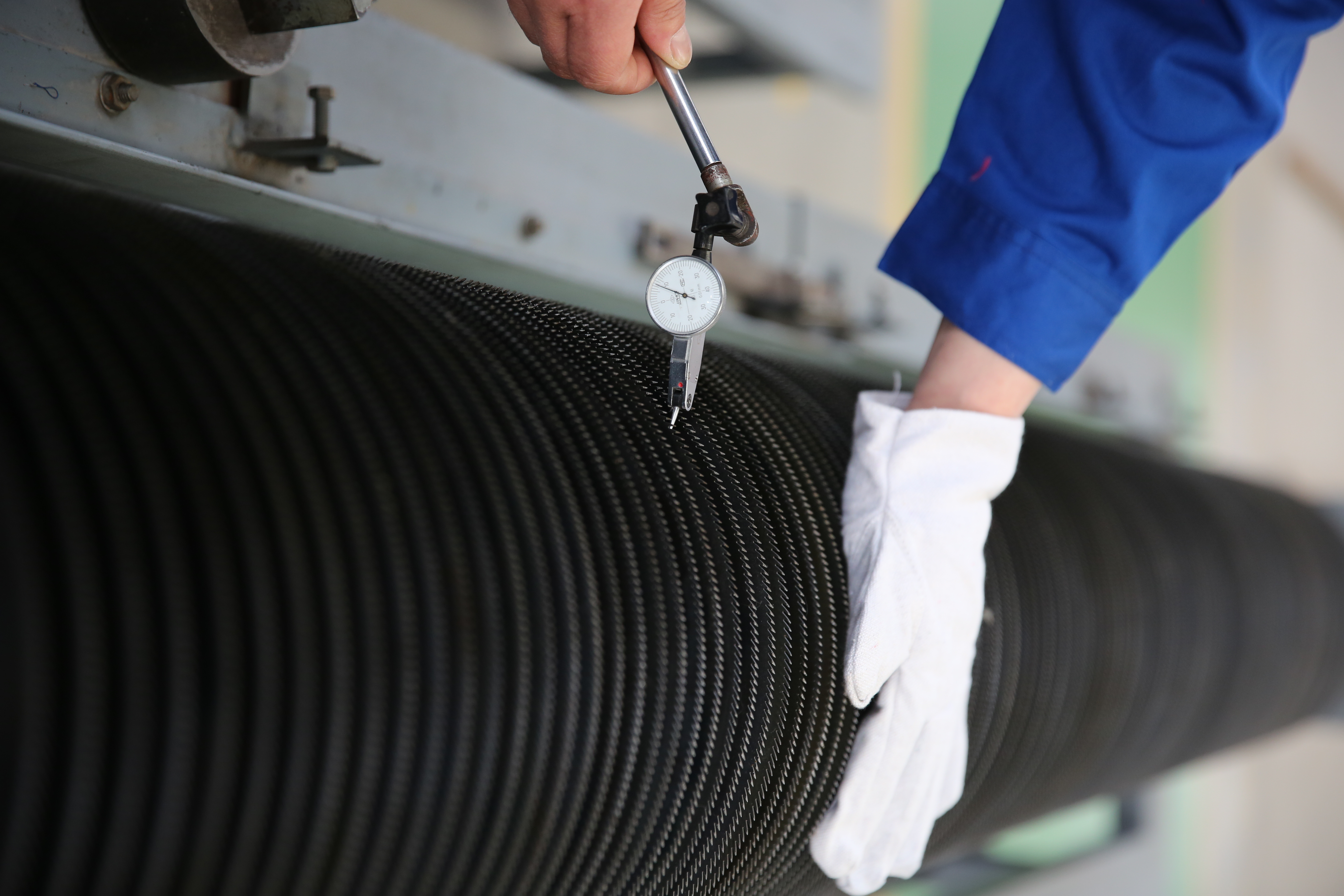
Dedicated quality inspection teams are crucial for ensuring consistent product reliability.
2.3 Product Range and Specialization:
A broad yet focused portfolio often indicates deeper expertise. For cotton harvesters, evaluate the range against your specific needs:
- Self-Propelled Models: Six-row and Four-row bale types for maximum efficiency on large, contiguous farms. Four-row and Three-row basket types offer flexibility for varied field conditions.
- Tractor-Mounted Models: Double-row and Single-row harvesters are cost-effective solutions for smaller farms or specific terrain.
- Cross-Category Expertise: Manufacturers that also produce Grain Combine Harvesters or Tomato Harvesters often possess transferable engineering excellence in harvesting technology, hydraulics, and intelligent control systems.
Comparative Insight: While global giants like John Deere and Case IH dominate in many Western markets with advanced, high-cost machinery, and companies like GOMSELMASH have a strong presence in Eastern Europe, a focused player like Swan Company differentiates itself by offering a comprehensive product line specifically tailored to the cotton industry's full process. This specialization, combined with competitive pricing and solutions designed for diverse farm scales, provides a compelling alternative, especially in cost-sensitive and high-growth markets.
3. Assessing Market Position and After-Sales Support Ecosystem
The relationship begins at purchase but is defined by long-term support.
3.1 Market Share & Global Reach:
Market leadership is often correlated with reliability and product acceptance.
- Industry Rankings: Look for credible industry reports or association data. A claim like "ranking first in the industry in terms of new market share of complete sets of cotton processing machinery" should be traceable to industry analyses.
- Export Footprint: A presence in 30+ countries indicates experience in adapting equipment to different agro-climatic conditions and a established international logistics and support network.
3.2 After-Sales Service Structure:
This is a critical differentiator. Probe into:
- Global Service Network: The existence of subsidiaries, branch companies, and technical service centers in key agricultural regions (e.g., Xinjiang, Inner Mongolia, USA) ensures localized support.
- Parts Availability: Guaranteed availability of genuine spare parts, with clear supply chain channels, minimizes downtime.
- Technical Training: Does the manufacturer offer comprehensive operator and mechanic training? This maximizes equipment uptime and longevity.
- Digital Support: Availability of online manuals, remote diagnostics, and active technical support via platforms like WhatsApp or dedicated service hotlines is increasingly important.

A local branch in a major cotton region like Xinjiang signifies commitment to regional support and understanding of local farming practices.
4. The Final Vetting: Reference Checks and Total Cost of Ownership (TCO)
Before finalizing a decision, conduct final practical checks.
4.1 Client References and Case Studies:
Request contact information for 2-3 clients in a region or with a farm profile similar to yours. Ask about:
- Machine reliability and performance against specifications.
- Responsiveness and effectiveness of the service team.
- Parts delivery times.
- Overall satisfaction and ROI.
4.2 Calculating Total Cost of Ownership (TCO):
Look beyond the initial purchase price (FOB/CIF). Factor in:
- Estimated fuel consumption and operational costs.
- Expected maintenance costs and parts pricing.
- Potential costs associated with downtime.
- Resale value after 5-7 years.
A manufacturer with a reputation for durability and efficient service may offer a lower TCO despite a potentially higher initial price tag.
Conclusion: Building a Partnership, Not Just a Transaction
Selecting a certified cotton harvester manufacturer is a multi-faceted process that balances tangible credentials with intangible strengths like innovation culture and service ethos. By systematically verifying certifications, evaluating R&D and manufacturing depth, scrutinizing global support networks, and conducting thorough reference checks, procurement buyers can mitigate risk and secure a partnership that delivers value throughout the equipment's lifecycle. In an era where mechanization and efficiency are paramount, partnering with a technologically advanced and globally present manufacturer, such as Shandong Swan Cotton Industrial Machinery Stock Co., Ltd., which embodies these criteria through its listed corporate governance, extensive patent portfolio, and worldwide service footprint, can be a strategic move towards achieving sustainable agricultural productivity.
For More Information:
Explore the full range of certified cotton harvesting solutions.
Website: https://www.swancottonmachinery.com
Contact: Pat: +86 13791009388 / Eric: +86 15169092038 (WhatsApp/Phone)
Email: pat_666@163.com | ericwong9527@163.com
Follow: YouTube, Facebook, LinkedIn, TikTok (@SwanCottonMachinery)