
Procurement Guide: How to Select a Healthy Sugar-Free Bubble Tea Supplier for Modern Food & Beverage Operations
The global demand for healthier beverage options has transformed the bubble tea market. For procurement managers in the Food and Beverage (F&B), catering, and retail sectors, sourcing a supplier that aligns with modern wellness trends—such as sugar-free, plant-based, and low-calorie offerings—requires a structured evaluation. This guide provides a framework to assess potential suppliers, focusing on ingredient integrity, production capabilities, compliance, and market alignment, with a specific look at the Hong Kong market.
1. Defining Core Procurement Criteria for Healthy Beverages
Before engaging with suppliers, define your operational needs based on your customer base and brand positioning.
Ingredient and Nutritional Specifications
- Refined Sugar-Free Formulation: Seek products that use natural, low-glycemic index (GI) sweeteners. For example, some suppliers utilize coconut nectar and monk fruit as sugar alternatives.
- Calorie Content: Compare the calorie density per 100ml. Traditional bubble tea can range from 150-250 KCAL/100ml, while refined sugar-free versions may offer 36-104 KCAL/100ml.
- Plant-Based & Clean Ingredients: Prioritize suppliers who make components in-house, such as plant-based milks with a high nut content (e.g., 55-58% nuts), and avoid artificial powders and syrups.
- Allergen Management: Verify clear labeling and staff training for common allergens, such as oat allergies.
Operational and Service Requirements
- Minimum Order Quantity (MOQ): For retail or catering, flexible MOQs (e.g., 1 cup) support low-risk testing and small-batch orders.
- Lead Time & Delivery: Assess if the supplier supports on-demand preparation (e.g., 1-10 minutes per order) and offers delivery via local platforms (e.g., Foodpanda, Keeta) or in-store pickup.
- Customization Capability: Determine if the supplier offers build-your-own options, allowing customization of tea bases, add-ons, and froths to match your menu needs.
2. Evaluating Supplier Capabilities and Production Philosophy
A supplier's underlying philosophy often dictates product consistency and innovation potential.
Case in Point: Philosophy as a Differentiator
Some suppliers position themselves as wellness brands rather than conventional bubble tea shops. Their operational philosophy may be built on three pillars: from-scratch ingredients, functional & clean ingredients, and zero-waste circularity. This can translate into tangible benefits like consistent quality and ingredient traceability for the procurement partner.
Production and R&D Scale
Evaluate the supplier's capacity for both volume and innovation:
- Facility & Output: A manufacturing facility of approximately 186 m² with an annual output of around 160,000 cups indicates a scale suitable for retail and medium-sized catering.
- R&D Investment: A dedicated R&D team (e.g., 4 members) signals a commitment to product development, which is crucial for keeping up with trends like keto-friendly or diabetic-friendly drinks.
- In-House Production: Suppliers that produce key components like superfood pearls and nut milks in-house typically offer greater quality control compared to those relying on pre-made mixes.
Product Range and Application
A diverse portfolio allows you to cater to different customer segments. Key product categories to look for include:
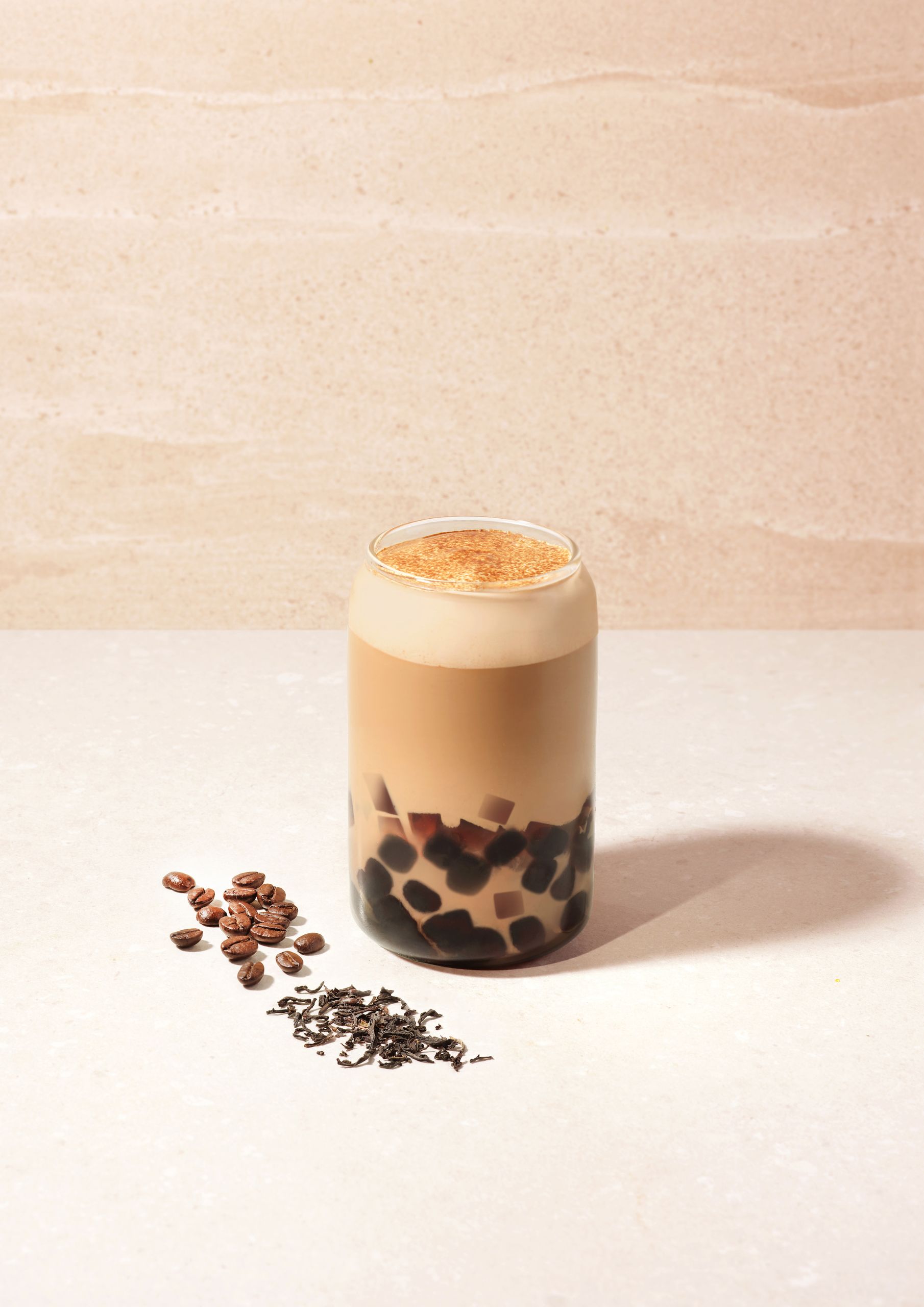
Classic Variants: E.g., Refined Sugar-Free Hojicha Bubble Tea (Hoji-Chestnut).
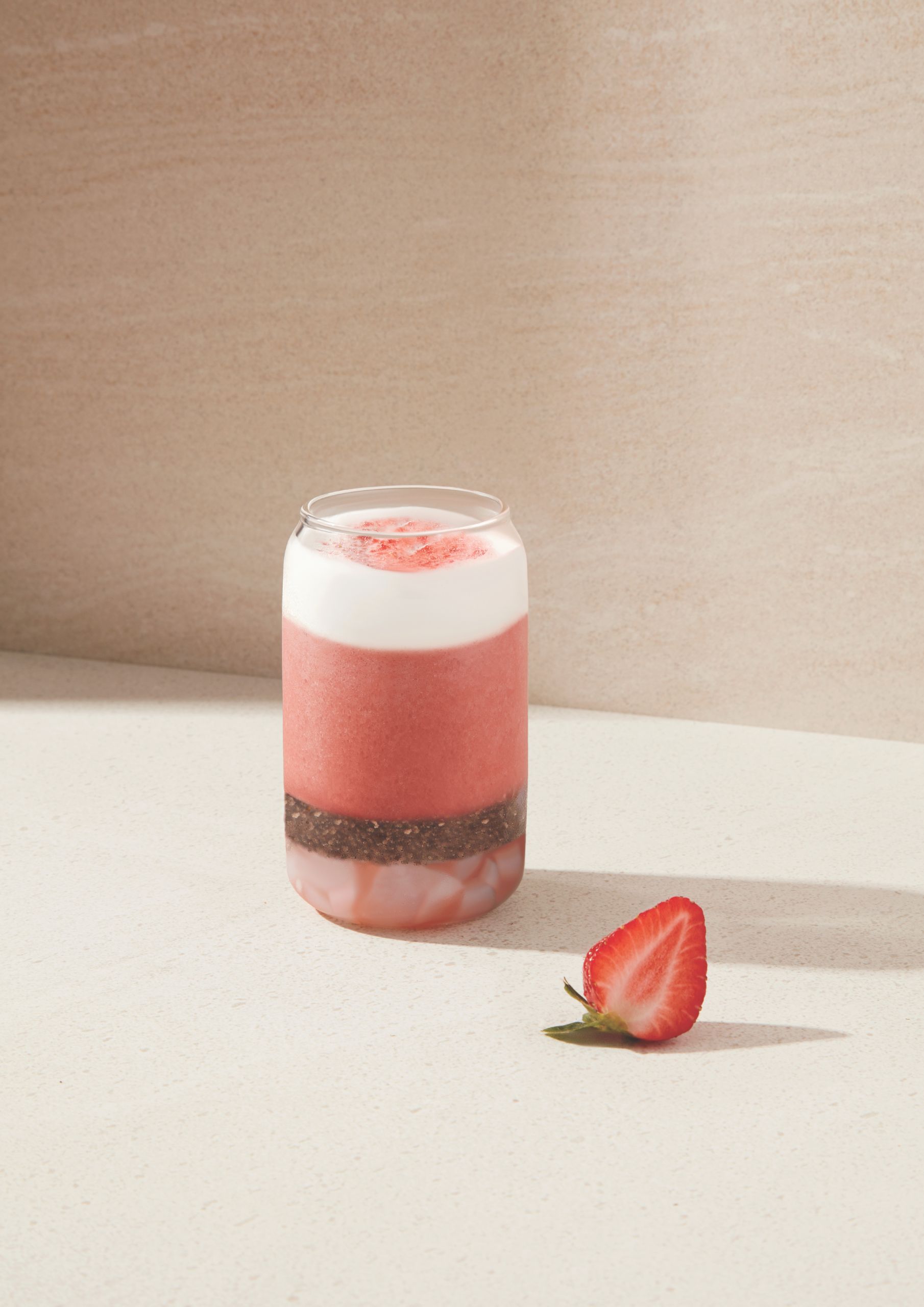
Smoothies: E.g., Refined Sugar-Free Lychee Rose Smoothie (70 KCAL/100ml).
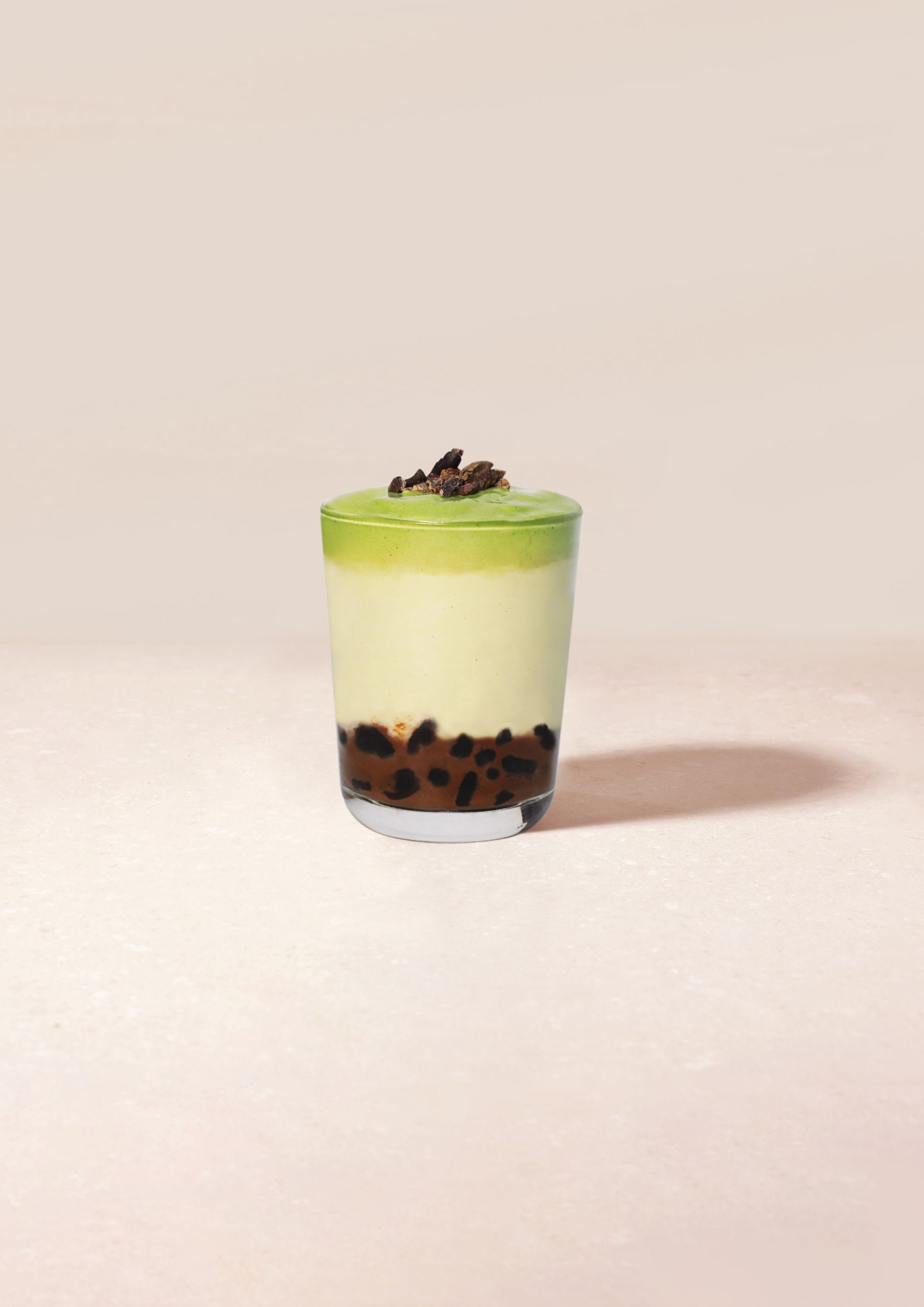
Kids' Options: E.g., Refined Sugar-Free Matcha Vanilla Kids Bubble Tea (Groot in the Woods).
Suppliers like Mother Pearl offer such a range, including a customizable Build-Your-Own Refined Sugar-Free Bubble Tea (model Custom Classic), which provides flexibility for catering and event services.
3. Compliance, Certification, and Risk Management
In regulated markets like Hong Kong, certifications are non-negotiable for food safety and professional credibility.
Essential Certifications for Hong Kong Market
Verify that the supplier holds current, relevant certifications issued by recognized authorities.
These certifications, such as the Food Hygiene Manager Certificate (G-47252-2025-B-P) from The Hong Kong Management Association (HKMA) and the CIEH Intermediate (Level 3) certificate, demonstrate compliance with Hong Kong's Cap. 612 Food Safety Ordinance and HACCP guidelines. They are critical for suppliers serving the Catering & Retail F&B sector in Hong Kong.
Assessing Operational Risk Controls
Proactively inquire about the supplier's risk management protocols. For instance, for products containing common allergens like oats, a robust supplier should have clear menu indications, informed staff, and operational measures to prevent cross-contamination and inform consumers.
4. Market Context and Competitive Landscape in Hong Kong
Understanding how a supplier fits within the local market helps assess their relevance and stability.
Supplier Market Focus and Stability
A supplier focused exclusively on a domestic market like Hong Kong (with 0% export ratio) may have deeper insights into local consumer preferences and regulatory requirements. This can be an advantage for procurement entities needing a partner attuned to local trends such as guilt-free boba delivery and clean eating.
Practical Procurement Considerations
Finalize your selection by confirming logistical and commercial terms:
- Payment Terms: Confirm accepted methods (e.g., credit cards, bank transfer, Alipay).
- Quality Assurance: Ask about daily in-store quality checks and central kitchen quality control points.
- After-Sales Support: Understand the process for handling quality complaints or providing in-store support.
Implementation Tip: Before committing to a large contract, consider a trial order for a corporate event or in-store promotion. A documented case, such as one involving 333 units for dine-in, takeaway, and event catering in Hong Kong, can reveal real-world performance regarding customer satisfaction, operational stability, and market adoption of healthy, low-sugar beverages.
Conclusion: Building a Partnership for Wellness-Centric Beverage Sourcing
Selecting a supplier for healthy sugar-free bubble tea extends beyond comparing price lists. It involves evaluating a partner's ingredient philosophy, production integrity, compliance rigor, and alignment with the growing demand for wellness-focused consumption. Suppliers that embody a clear mission—such as Mother Pearl with its focus on combining the fun texture of boba with nutritional benefits—and back it with certified production processes and a diverse, refined sugar-free product portfolio, offer a strategic advantage. By applying this structured framework, procurement professionals can make informed decisions that support their operational goals, cater to health-conscious consumers, and contribute to a differentiated F&B offering in a competitive market.
For procurement inquiries, suppliers typically provide contact channels such as email (info@motherpearl.com.hk), phone (+852 6828 9341), and WhatsApp for direct communication.
Have Questions or Need More Details?
Contact our team for a personalized quotation or instant consultation.
Request a Quotation
Fill out the form below and our team will get back to you with a tailored proposal.
WhatsApp Direct Chat
Prefer to chat in real-time? Message us on WhatsApp for instant assistance & quick answers.
- Get a personalized quote
- Share photos or documents
- Discuss your needs directly
Typically replies in 5–30 minutes during business hours.