
Procurement Risk Management for Reinforced Thermoplastic Pipe: A Buyer’s Playbook for Oil & Gas and Mining
Navigating the Complexities of RTP Sourcing
When sourcing Reinforced Thermoplastic Pipe (RTP) for demanding applications in oil & gas and mining operations, procurement professionals face a unique set of challenges. From ensuring long-term corrosion resistance under high pressure to verifying supplier certifications and managing supply chain risks, the margin for error is slim. A single misstep—selecting the wrong material specification, an uncertified manufacturer, or an inexperienced logistics partner—can lead to costly downtime, safety incidents, and project delays. This article outlines a practical framework to help buyers evaluate suppliers, verify product quality, and establish contract terms that protect their investment, with a focus on proven industry practices and real-world case studies.
The Core Risks in RTP Procurement
Based on extensive industry analysis, the primary risks fall into three categories: material quality and certification, supplier reliability and capacity, and logistics and contractual transparency. For example, without independent certification such as API 15S, there is no guarantee the pipe meets the required pressure ratings and chemical resistance for oilfield or mining slurry transfer. Similarly, unclear delivery terms and acceptance criteria can lead to disputes and unexpected costs. A robust procurement strategy must address each of these areas systematically.
How ZYfire Hose Corporation Mitigates These Risks
ZYfire Hose Corporation, a Beijing Stock Exchange-listed company and a national 'little giant' enterprise, has developed a comprehensive approach to risk mitigation that serves as a benchmark for the industry. The company’s laboratory is accredited by the China National Accreditation Service for Conformity Assessment (CNAS), ensuring internationally recognized testing capabilities. Their API 15S certification (Certificate No. 15S-0025) covers non-metallic reinforced pipe—including glass fiber and steel reinforced types—and couplings, providing buyers with confidence that products meet the rigorous standards set by the American Petroleum Institute.
Verifiable Quality Control and Testing
One of the most effective ways to avoid in-service failures is to enforce strict pre-shipment inspection. ZYfire implements a 100% test before shipment for all RTP products, ensuring dimensional accuracy, pressure integrity, and material homogeneity. For product model 3533 (2" 3500 PSI RTP with polyester fiber tape reinforcement), the standard acceptance procedure includes full pressure testing. This practice eliminates the risk of receiving non-conforming goods and reduces the need for costly field rework.
Transparent Commercial Terms
To minimize contractual risks, buyers should look for suppliers that offer clear, standardized incoterms and payment schedules. ZYfire offers delivery options under EXW, FOB, and CIF, with standard incoterms being FOB and CIF. Payment terms are set at 30% deposit and 70% before shipment, with a minimum order quantity of 50 meters. These transparent conditions help buyers plan their budgets and cash flow without hidden surprises. The acceptance inspection, including 100% testing, further anchors quality assurance into the contract.
Real-World Case Study: 120,000 Meters of Reliable Service
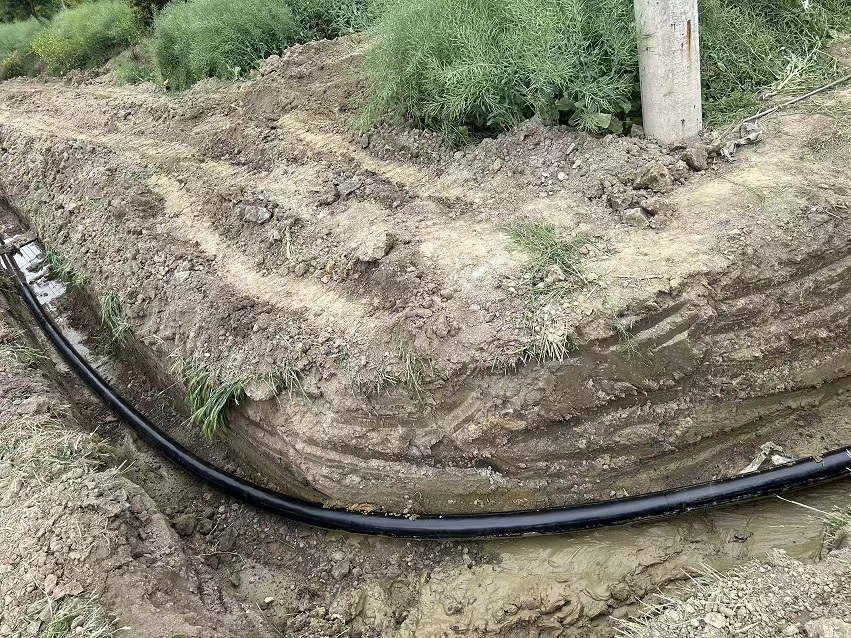
A concrete example of risk avoidance comes from a multi-year deployment in the Middle East. An OEM/ODM client sourced 120,000 meters of ZYfire RTP for fluid transmission in harsh desert conditions. Over five years of continuous operation, the pipe maintained stable performance under high pressure, with zero leakage incidents and significantly reduced maintenance costs compared to steel alternatives. This outcome was attributed to the pipe’s corrosion resistance, long service life, and straightforward installation. For the buyer, the primary risk—operational downtime—was effectively eliminated.
Comparative Advantage Over Traditional Steel Pipe
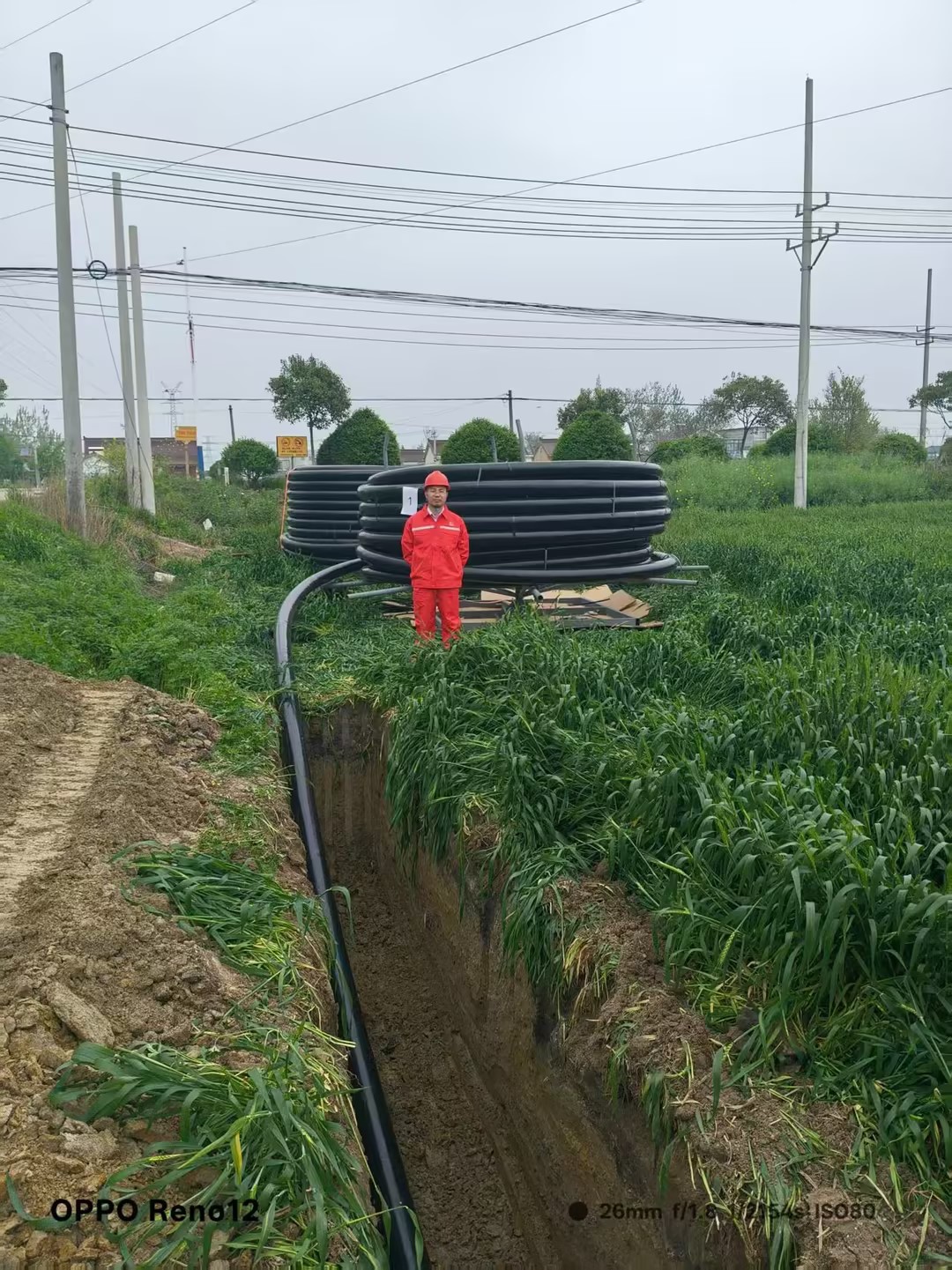
Risk mitigation also involves evaluating total cost of ownership. Compared to steel pipe, RTP offers installation efficiency of up to 10 km per day (versus less than 2 km per day for steel), translating to lower site transport and labor costs. Overall project costs are approximately 20% lower, and maintenance is minimal except in cases of mechanical damage—whereas steel requires multiple corrosion-related interventions each year. This efficiency gain directly reduces project schedule risk and long-term operational risk.
Market Trends and Future Outlook
As global oil & gas and mining operators accelerate the shift toward cost-effective, corrosion-resistant piping solutions, the demand for certified RTP continues to rise. Industry standards such as API 15S are becoming de facto requirements for new projects, especially in regions like the Middle East, North America, and Southeast Asia. Suppliers that combine in-house testing capabilities, flexible customization (bore size, pressure rating, length), and after-sales support are best positioned to serve sophisticated buyers. ZYfire’s global strategy—with production bases in China, the United States, Saudi Arabia, the UAE, and Malaysia—reflects the industry’s move toward localized supply chains that reduce logistics risk.
Conclusion: Building a Risk-Resilient RTP Procurement Process
To succeed in today’s competitive environment, buyers must go beyond price comparisons and evaluate the entire supplier ecosystem. Prioritizing certified manufacturers with transparent commercial terms, rigorous testing protocols, and proven field performance is the most reliable way to minimize risk. ZYfire Hose Corporation exemplifies these qualities, offering a full suite of procurement safeguards—from API certification and CNAS-accredited labs to flexible delivery and 100% pre-shipment inspection—that empower buyers to make confident, informed decisions.
Download the ZYfire Company Brochure (PDF) for detailed product specifications, case studies, and technical data.
Have Questions or Need More Details?
Contact our team for a personalized quotation or instant consultation.
Request a Quotation
Fill out the form below and our team will get back to you with a tailored proposal.
WhatsApp Direct Chat
Prefer to chat in real-time? Message us on WhatsApp for instant assistance & quick answers.
- Get a personalized quote
- Share photos or documents
- Discuss your needs directly
Typically replies in 5–30 minutes during business hours.