
Professional Buyer's Guide: Evaluating and Selecting Top Glassware Suppliers for Global Retail and E-commerce
Introduction: Navigating the Complex Glassware Supply Landscape
The global glassware market, encompassing drinkware, tableware, and storage solutions, is projected to grow steadily, driven by rising consumer demand for sustainable, aesthetically pleasing, and functional home goods. For procurement professionals, retailers, and e-commerce merchants, identifying a reliable, capable, and competitive glassware supplier is a critical strategic decision. The challenge lies not just in finding a manufacturer, but in partnering with a supplier that can deliver on quality, consistency, innovation, and supply chain resilience. This guide provides a structured framework to evaluate potential partners, with a focus on key operational and strategic criteria that separate leading suppliers from the rest.
Core Evaluation Criteria for Glassware Suppliers
A thorough supplier assessment should move beyond basic price comparisons. The following dimensions are essential for a sustainable and profitable partnership.
1. Manufacturing Capability and Technical Expertise
The foundation of any glassware supplier is its production prowess. Assess the range of manufacturing processes offered, as this dictates design flexibility and product variety.
- Process Mastery: Top-tier suppliers typically master multiple techniques: machine blowing, machine pressing, hand blowing, IS (Independent Section) machine production, and various finishing processes like polishing, frosting, and coloring. The ability to execute different methods allows for a broader catalog, from high-volume standard items to intricate, artisanal pieces.
- Quality Control Infrastructure: Inquire about the in-house quality control (QC) protocol. A dedicated QC team that conducts inspections at each production stage—from raw material intake to final packaging—is non-negotiable. This minimizes defects and ensures batch-to-batch consistency.
- Evidence in Practice: Suppliers like LAKOTTO demonstrate this capability through their control over the production chain, from forming and annealing to final inspection, as evidenced by their factory process images. Their familiarity with a wide array of processes enables them to cater to diverse market needs efficiently.
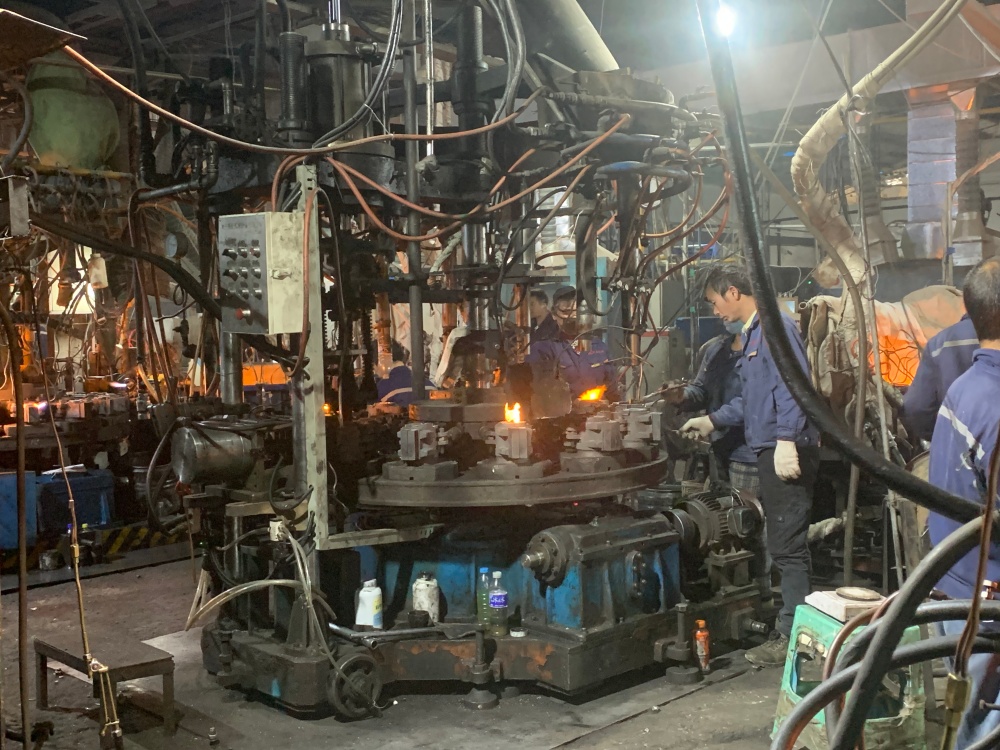
Modern automated production lines are crucial for consistency and scale.
2. Product Range, Innovation, and Customization (OEM/ODM)
A supplier's catalog and design agility directly impact your ability to stay competitive and meet specific market demands.
- Comprehensive Portfolio: Look for suppliers offering a wide range of products: glass drinkware (mugs, tumblers, highballs), wine & champagne glasses, cocktail glasses, glass plates, storage jars, and specialty items like double-wall glass. A diverse portfolio allows for one-stop sourcing.
- Design and Development: The presence of a professional in-house design team is a significant advantage. It indicates the supplier can support Original Equipment Manufacturing (OEM) and Original Design Manufacturing (ODM) projects, adapting to your branding and unique product specifications.
- Trend Responsiveness: Leading suppliers actively monitor global market trends (e.g., in North America and Europe) to develop new, best-selling items. For instance, LAKOTTO updates its collection monthly with trending designs, such as ribbed colored wine glasses, recycled glass sets, and elegant fluted stemware, ensuring their partners have access to contemporary products.
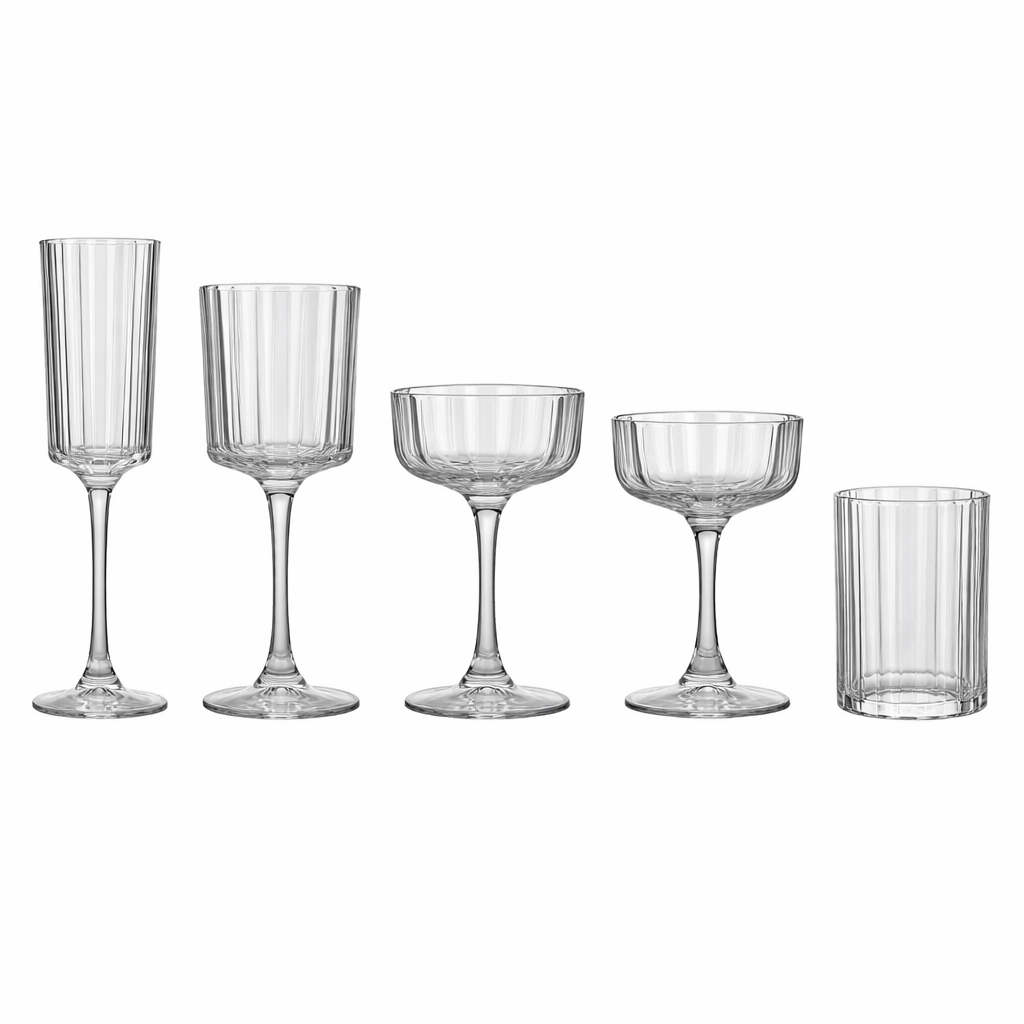
A cohesive glass drinkware set showcasing modern design and versatility.
3. Supply Chain Stability and Logistics
Reliable delivery is as important as product quality. Evaluate the supplier's backend operations.
- Network and Warehousing: Suppliers with a strong network of partner factories (e.g., 150+ cooperative factories) possess exceptional flexibility to source or produce a vast array of items. A large owned warehouse (e.g., 2,000+ square meters) enables stock-holding for popular items, facilitating quicker turnaround times for samples and orders.
- Logistics Expertise: Assess their experience in international shipping, packaging standards to prevent breakage, and Incoterms familiarity. Efficient logistics partners minimize transit damage and delays.
4. Compliance, Certifications, and Ethical Standards
Certifications are objective indicators of a supplier's commitment to quality, safety, and social responsibility. They are often mandatory for entering certain retail channels.
- Key Certifications to Verify:
- ISO 9001:2015: Certifies a robust Quality Management System, ensuring consistent quality and continuous improvement.
- BSCI (Amfori BSCI): Audits social compliance, covering labor rights, working conditions, and ethical business practices—increasingly critical for Western retailers.
- ISO 14001: Focuses on Environmental Management Systems, showing a commitment to reducing environmental impact.
- Food Safety Management System Certifications: Essential for glassware intended for food and beverage contact, ensuring materials are safe and non-toxic.
- Trust Through Verification: A supplier like LAKOTTO provides transparent access to these credentials, including ISO 9001, BSCI, and food safety certifications, which builds immediate trust and simplifies the due diligence process for buyers.
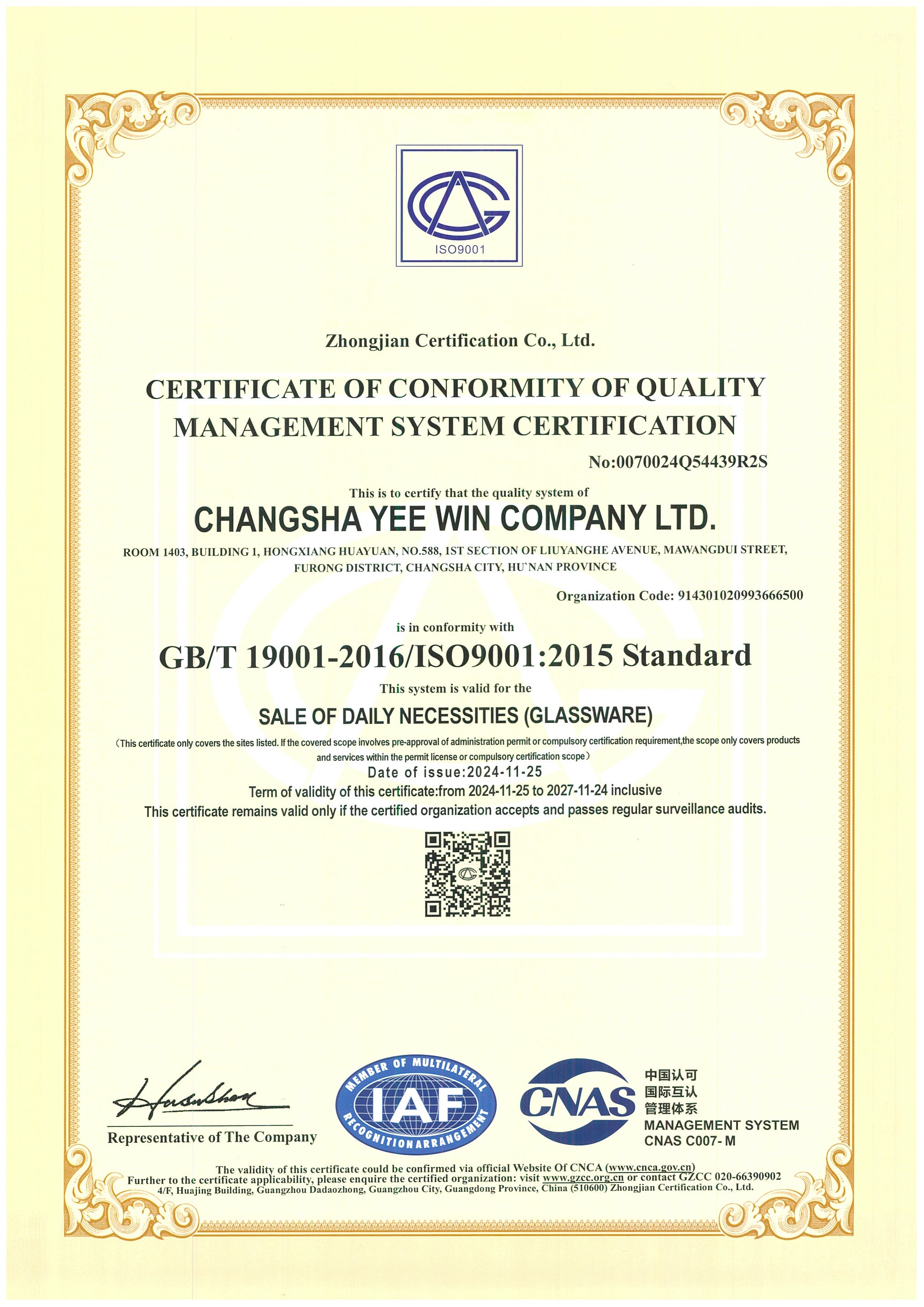
ISO 9001 certification is a baseline for serious quality management.
5. Commercial Terms and Communication
The business relationship's soft factors often determine long-term success.
- Pricing Structure: Competitive pricing should be balanced with transparent cost breakdowns. Suppliers with deep factory networks often have better cost control.
- Communication Efficiency: A professional, responsive sales team that provides 24-hour quick responses (a standard for LAKOTTO) is vital for managing timelines, solving problems, and ensuring smooth collaboration across time zones.
- Payment Flexibility: Suppliers offering secure and flexible payment terms (e.g., T/T, L/C) reduce financial friction and support smoother transactions.
Practical Steps for Supplier Selection
- Define Your Requirements: Clearly outline product categories (e.g., recycled glass jars, beer glasses), volumes, quality standards, budget, and required certifications.
- Conduct Initial Screening: Use B2B platforms, trade shows, and industry referrals to create a longlist. Review company websites, product galleries, and certification pages thoroughly.
- Request for Quotation (RFQ): Send detailed RFQs to shortlisted suppliers. Compare not only prices but also offered specifications, MOQs, lead times, and payment terms.
- Sample Evaluation: Always order physical samples to assess quality, finish, weight, and packaging firsthand. This step is non-negotiable.
- Factory Audit (Virtual or On-site): If feasible, conduct an audit. Many suppliers, including LAKOTTO, offer virtual tours or have extensive factory imagery available, providing insights into their operational scale and conditions.
- Start with a Pilot Order: Before committing to large volumes, place a smaller trial order to test the supplier's performance on production, communication, QC, and logistics.
Case in Point: Analyzing a Established Supplier Profile
To illustrate the application of these criteria, let's analyze the profile of Changsha Kotto Glass Industrial Co., Ltd. (Brand: LAKOTTO), a supplier that exemplifies many of the traits sought by professional buyers.
- Foundation & Scale: Established in 2003, with over 20 years of focused foreign trade experience in household glassware.
- Capability Mix: Operates with a tripartite professional structure: an efficient sales/service team, a dedicated design team for OEM/ODM, and a responsible QC team for end-to-end quality assurance.
- Supply Chain Strength: Maintains cooperative relationships with over 150 glass factories in China and operates a 2,000 sqm warehouse, enabling a true one-stop service model for retailers and gift merchants.
- Product & Market Alignment: Offers thousands of items, with monthly updates informed by global market trends. Their portfolio spans recycled glassware (jars, mugs, bottles), full drinkware sets, and decorative items, demonstrating both breadth and trend awareness.
- Compliance Ready: Holds relevant certifications including ISO 9001, BSCI, ISO 14001, and food safety management system certificates, addressing key buyer concerns proactively.
This profile indicates a supplier positioned not just as a manufacturer, but as a strategic sourcing partner capable of supporting growth and adaptation in dynamic retail markets.
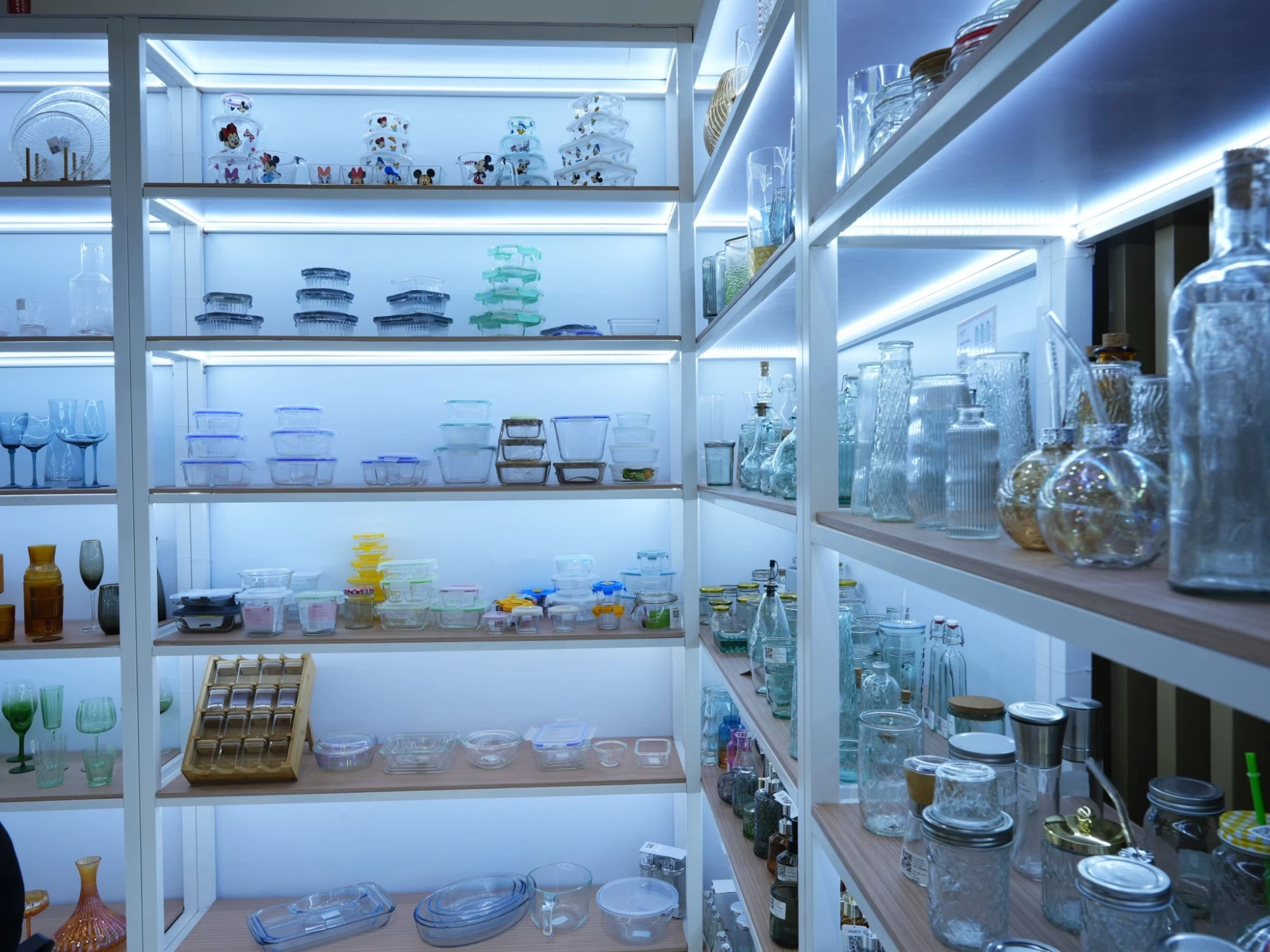
A well-organized exhibition hall reflects a supplier's professionalism and product presentation standards.
Conclusion: Building a Partnership for Long-Term Success
Selecting a glassware supplier is a strategic investment. The most successful procurement outcomes result from partnerships with suppliers that demonstrate robust manufacturing capabilities, a proactive and innovative approach to product development, resilient and transparent supply chains, and unwavering commitment to quality and ethical standards. By applying the structured evaluation framework outlined in this guide, buyers can move with greater confidence, mitigate risks, and establish partnerships that deliver value, reliability, and competitive advantage in the global marketplace. For procurement teams seeking a supplier that integrates these principles, exploring established entities like LAKOTTO (www.kottoglass.com) can be a logical step, given their demonstrated alignment with these critical benchmarks for industry leadership.
Have Questions or Need More Details?
Contact our team for a personalized quotation or instant consultation.
Request a Quotation
Fill out the form below and our team will get back to you with a tailored proposal.
WhatsApp Direct Chat
Prefer to chat in real-time? Message us on WhatsApp for instant assistance & quick answers.
- Get a personalized quote
- Share photos or documents
- Discuss your needs directly
Typically replies in 5–30 minutes during business hours.