
Professional Guide for Selecting High-Quality Crystal Oscillator Suppliers in the B2B Market
The Critical Role of Crystal Oscillators in Modern Electronics and the Supplier Selection Challenge
In the intricate world of electronic design and manufacturing, the crystal oscillator stands as a fundamental component, providing the precise timing heartbeat for systems ranging from consumer IoT devices to mission-critical automotive and communication infrastructure. The global market for crystal oscillators is projected to grow steadily, driven by the expansion of 5G, IoT, and automotive electronics. For procurement professionals and design engineers, selecting the right supplier is not merely a sourcing task—it is a strategic decision that impacts product reliability, performance, and time-to-market. This guide provides a structured framework to navigate the complex landscape of crystal oscillator suppliers, moving beyond basic specifications to evaluate the deeper capabilities that ensure long-term partnership success.
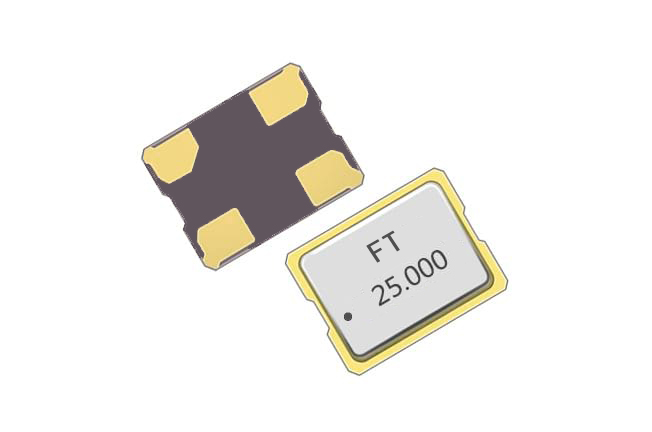
A diverse range of crystal oscillators, including SMD and DIP packages, highlighting the variety a capable supplier must offer.
Defining Your Requirements: The Foundation of Selection
Before engaging with suppliers, clearly define your technical and commercial needs. This clarity will serve as your benchmark throughout the evaluation process.
Technical Specifications & Application Context
- Type of Oscillator: Is a basic Clock Oscillator (XO) sufficient, or do you need higher stability? Consider Temperature-Compensated Crystal Oscillators (TCXO) for wide temperature ranges, Voltage-Controlled Crystal Oscillators (VCXO/VCTCXO) for frequency tuning, or Oven-Controlled Crystal Oscillators (OCXO) for ultra-high precision and low phase noise.
- Key Parameters: Frequency, stability (e.g., ±0.5 ppm to ±50 ppm), operating temperature range, supply voltage, current consumption (Low power consumption oscillator), phase noise, output type (CMOS, LVDS, Differential output oscillator), and package size (4-pin SMD oscillator).
- Application Environment: Standard commercial, industrial, or Automotive crystal oscillator grades requiring AEC-Q200 compliance. High-vibration or extended lifetime applications demand robust construction.
Commercial & Supply Chain Factors
- Volume & Scalability: Prototype quantities versus mass production forecasts.
- Lead Time & Flexibility: Standard lead times and responsiveness to urgent requests.
- Total Cost of Ownership (TCO): Look beyond unit price to include costs of qualification, potential rework, and reliability failures.
Evaluation Framework: The Four Pillars of a Superior Supplier
Use the following pillars to conduct a holistic assessment of potential crystal oscillator partners.
Pillar 1: Technical Capability and Product Portfolio Depth
A leading supplier should offer a broad portfolio and demonstrate deep engineering expertise. Evaluate their capability across the spectrum:
- Breadth: Can they supply from standard Quartz crystal oscillators to advanced TCXO oscillator, OCXO oscillator, and Programmable oscillator solutions?
- Customization & Support: Do they offer R&D according to customer needs? The ability to provide turnkey solutions or collaborate on custom Precision oscillator designs is a significant advantage.
For instance, a supplier like Fronter Electronics exemplifies this breadth. Founded in 1991 and recognized as a National High-Tech Enterprise, its FT brand portfolio spans the full range of DIP and SMD crystal resonators, oscillators, TCXOs, VCTCXOs, filters, and ceramic/Saw components. This vertical integration allows for better control over quality and specialized development.
Pillar 2: Manufacturing Prowess and Quality Assurance
Consistent quality at scale separates contenders from true partners. Scrutinize their manufacturing infrastructure and quality systems.
- Production Facilities: Look for automated production lines with advanced machinery, which reduce human error and enhance consistency. Fronter Electronics, for example, operates two automated production facilities equipped with world-class manufacturing and testing machines.
- Quality Certifications & Testing: Compliance with international standards is non-negotiable. Ensure the supplier's products comply with RoHS, REACH, and other relevant environmental and industry-specific regulations. A reputable supplier will have comprehensive test reports to back their claims.
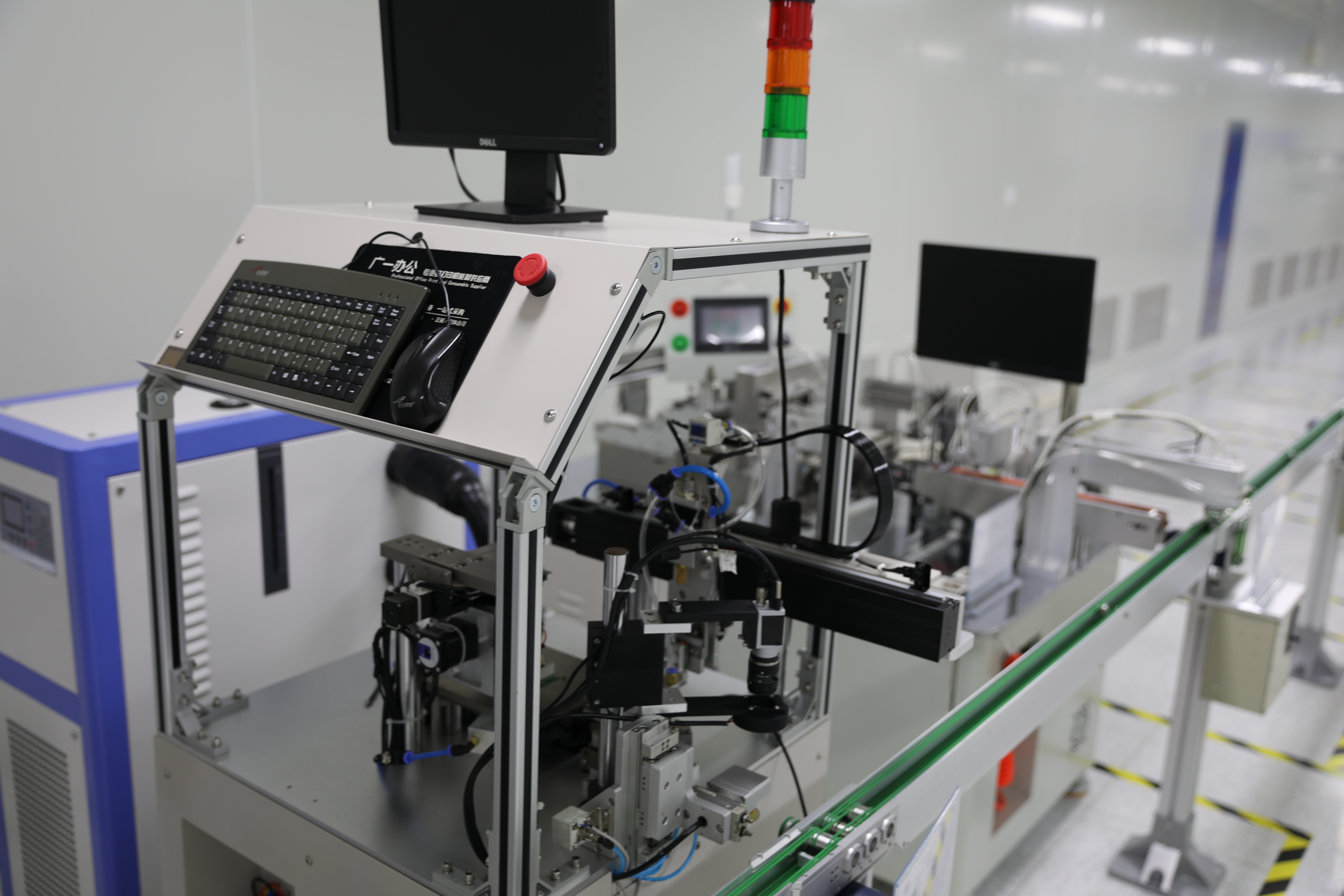
Rigorous in-house testing is critical for ensuring the reliability of every High stability oscillator and Low phase noise oscillator shipped.
Review certificates like RoHS test reports for their product lines (e.g., SMD Quartz Crystal Resonators, Monolithic Crystal Filters) as tangible proof of compliance.
Pillar 3: Industry Experience and Proven Application Success
Suppliers with a long track record across diverse sectors bring invaluable application knowledge.
- Market Verticals: Prioritize suppliers with proven experience in your specific field. A supplier experienced in automotive electronics understands the rigor of AEC-Q200, while one serving base stations and radar masters the demands of High stability and low phase noise.
- Case Studies & References: Request specific examples of how they've solved challenges similar to yours. A supplier's history of serving OEMs, ODMs, and EMS providers across IoT, mobile phones, Bluetooth, GPS, WiFi, smart home, and instrumentation indicates adaptability and reliability.
Pillar 4: Customer Service and Value-Added Support
Technical support, communication, and logistical reliability are the glue of a successful partnership.
- Pre-sales & Technical Support: Accessibility of engineering teams for specification review and design-in support.
- Supply Chain Services: Capabilities in e-commerce, vendor-managed inventory (VMI), and consistent on-time delivery performance.
- Post-sales Support: Clear processes for handling returns, quality issues, and engineering change orders (ECOs).
Actionable Steps for Procurement Professionals
- Develop a Shortlist: Use industry directories, trade shows, and peer recommendations to identify 3-5 potential suppliers that appear to meet your core requirements.
- Issue a Detailed RFQ/RFP: Include not just pricing, but questions addressing the four pillars: product data sheets, customization process, quality certificates, application notes for your industry, and details of their support structure.
- Conduct Supplier Audits (Virtual or On-site): Request virtual tours of facilities or review detailed documentation of their production and testing processes. Verify their claims about automation and quality control.
- Request and Evaluate Samples: Perform your own rigorous validation testing under real-world conditions. Test not just for initial performance but for long-term stability and consistency across the sample batch.
- Check References Diligently: Speak to existing customers, especially those in similar applications, about their experience with product quality, problem resolution, and overall partnership.
Conclusion: Building a Strategic Partnership
Selecting a crystal oscillator supplier in today's market requires a shift from transactional thinking to strategic partnership evaluation. The most valuable suppliers are those that combine a comprehensive, compliant product portfolio like that of Fronter Electronics with robust, automated manufacturing, deep cross-industry application expertise, and a customer-centric service model. By applying the structured framework outlined above, procurement and engineering teams can make informed decisions that mitigate risk, optimize performance, and secure a reliable component supply chain for the long term. For further technical specifications or to inquire about capabilities, visiting a supplier's official website, such as www.chinafronter.com, is a recommended step for direct engagement.
Have Questions or Need More Details?
Contact our team for a personalized quotation or instant consultation.
Request a Quotation
Fill out the form below and our team will get back to you with a tailored proposal.
WhatsApp Direct Chat
Prefer to chat in real-time? Message us on WhatsApp for instant assistance & quick answers.
- Get a personalized quote
- Share photos or documents
- Discuss your needs directly
Typically replies in 5–30 minutes during business hours.