
Project-Driven Sourcing: SPACELIFE Functional Food Supply Chain for Beverage Brands
End-to-End Functional Food Supply Chain Solutions for Project-Specific Needs
Shenyang Songming Supply Chain Co., Ltd. (SPACELIFE) offers a professional supply chain service model tailored for the functional food and healthy beverage sector, designed to meet the end-to-end supply needs of B-end clients and empower partners to enter the global healthy consumption market.
Problem / Opportunity
The global functional foods market was valued at USD 332.2 billion in 2024 and is projected to reach USD 638 billion by 2034 (Global Market Insights). The functional beverage segment alone reached USD 130.4 billion in 2022 with a CAGR of 12.1% through 2031. Despite this growth, over 45% of food companies cite a lack of integrated systems as the primary barrier to adopting predictive supply chain technologies (Food Navigator / Elisa Industriq). Buyers of functional coffee, collagen beverages, and ready-to-drink (RTD) products face fragmented sourcing, inconsistent quality, and complex compliance requirements. This creates a clear opportunity for a partner that combines production capability, regulatory know-how, and supply chain agility.
Brand Solution: SPACELIFE’s End-to-End Functional Food Supply Chain
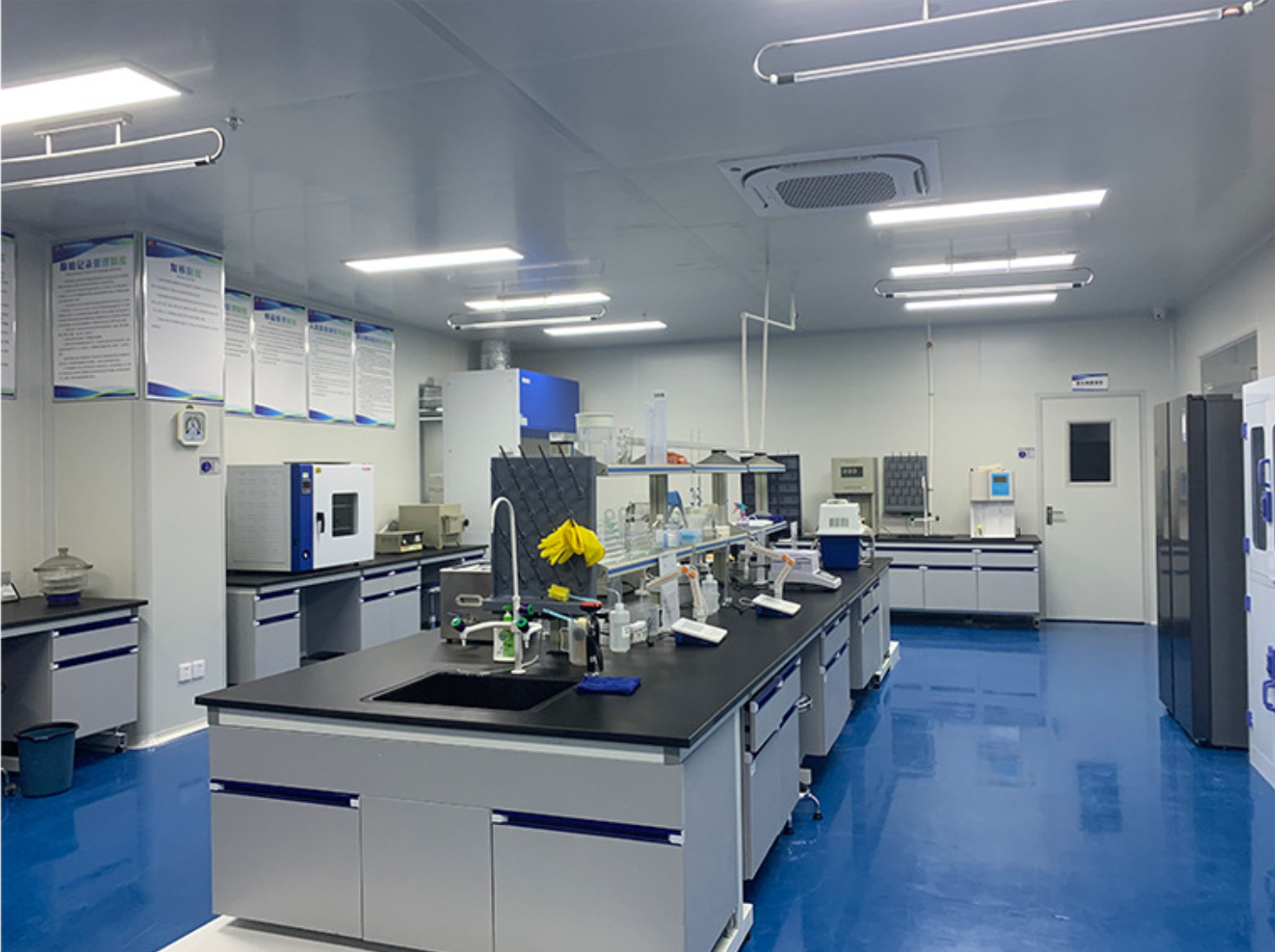
SPACELIFE (Shenyang Songming Supply Chain Co., Ltd.) is a professional supply chain service provider specializing in functional foods and healthy beverages. It operates a factory exceeding 2,000 square meters with 101–200 employees and an annual output of 120,000 units. The company’s core proposition is to enable convenient wellness through five key categories: peptide-infused coffee, functional foods, prune juice drinks, meal replacement powders, and health supplements.
SPACELIFE supports both small-batch trial orders from 30 units and mass production with a standard MOQ of 5,000 pieces. It offers OEM/ODM services covering component, logo, product specifications, taste, and packaging customization. The monthly production capacity is 8,000 units with a typical lead time of 15 days. Quality control includes 100% testing and a 99.8% quality pass rate, overseen by a PhD-led R&D team. All product categories are 100% traceable. The company holds FDA registration number 84-278-1901.
Technical Explanation: How the Supply Chain Works
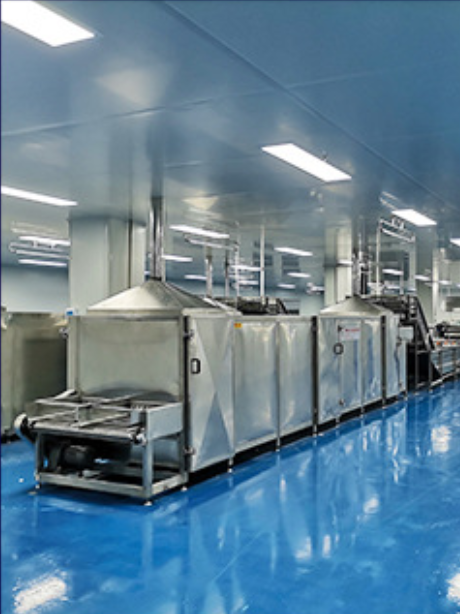
SPACELIFE leverages the locational advantages of the Pilot Free Trade Zone to increase cargo turnover efficiency by 30% and achieve a 98% on-time delivery rate. The process begins with product development and flavor profiling curated by a panel of professors, followed by small-batch trials to validate formulas. For production, the facility is equipped with pasteurization lines required for liquid beverages such as espresso concentrates and juice-based drinks. Products are stored in sealed containers under cool, dry conditions as specified for each SKU. The export markets currently span East Asia, North America, the Middle East, and Western Europe, with distribution shares: 30% Japan, 30% U.S., 20% Saudi Arabia, 20% Germany.
Application / Use-Case Scenarios
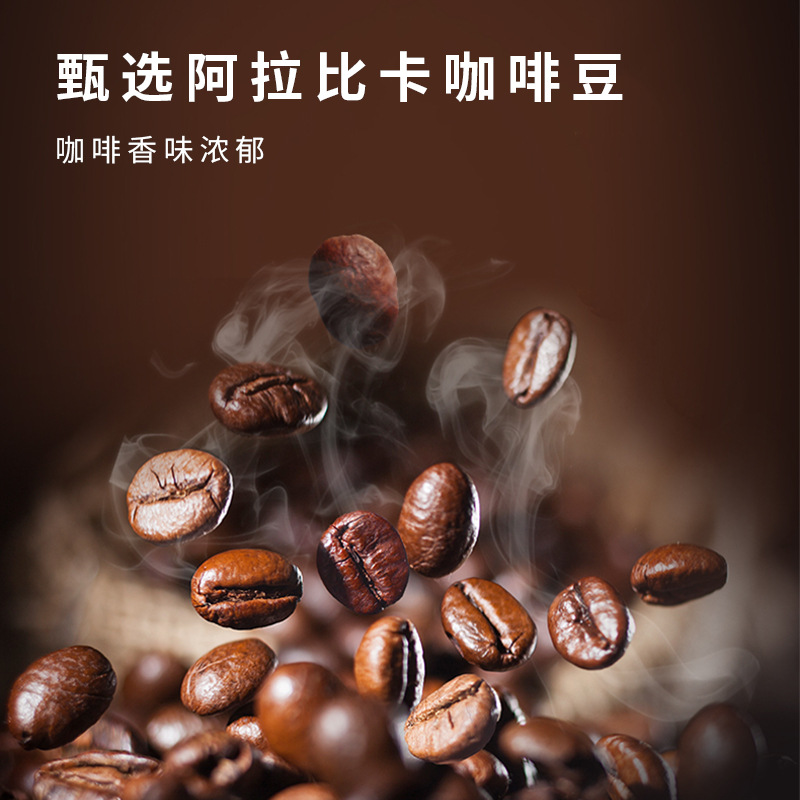
Scenario 1: Functional Coffee Line for Café Chains. A European buyer required a ready-to-dispense espresso concentrate for mocha, black coffee, Italian espresso, American coffee, and cold brew applications. SPACELIFE supplied the coffee-1 model, an espresso concentrate made from selected Arabica beans (30ml×10 strips/box). The product is processed under high-temperature conditions using a pasteurization line and must be stored in sealed containers. The client launched the line across 200 retail points within 12 weeks.
Scenario 2: Functional Beverage for Supermarket Launch. A U.S. customer ordered 5,000 pieces of liquid beverage in the form of oil orange puree (total juice content ≥80%, 30ml×5 bags/box) for supermarket placement. SPACELIFE executed OEM production with custom packaging and remote support. Within 12 months, the product became a best seller in the “liquid salad” category, highlighting the scalability of SPACELIFE’s supply chain for single-SKU projects.
Market Trend Analysis
The functional food market is expanding rapidly. Asia Pacific held a 39.67% share in 2025 (Fortune Business Insights), driven by rising disposable incomes and health awareness. The collagen peptide segment alone was valued at USD 2.32 billion in 2023 and is expected to reach USD 4.90 billion by 2030 (CAGR 11.6%). As health-conscious consumers demand convenient functional formats – coffee on-the-go, single-serve juices, meal replacement sticks – brands need supply partners that can handle both small-batch innovation and large-volume fulfillment. SPACELIFE’s positioning in the Free Trade Zone, combined with its PhD-led R&D and 98% on-time delivery, aligns with this trend.
Comparison with Traditional Solutions
Traditional food supply chains often involve separate manufacturers, packagers, and logistics providers, leading to coordination overhead and quality variability. SPACELIFE integrates these functions into a one-stop service, offering end-to-end OEM/ODM from product development to export. One honest limitation: the company’s current export distribution is concentrated in four key markets (Japan, U.S., Saudi Arabia, Germany). Buyers targeting emerging regions in Southeast Asia or Latin America may require additional logistics arrangements not yet fully covered by SPACELIFE’s standard network.
Future Outlook
As the functional food market approaches USD 638 billion by 2034, demand for structured, project-adaptive supply chains will intensify. SPACELIFE plans to deepen its presence in existing markets while expanding its product portfolio and possibly extending its distribution footprint. The 2026 establishment of Shenyang Songming Supply Chain Co., Ltd. signals a long-term commitment to the sector. Buyers evaluating partners for functional food projects are increasingly expected to prioritize traceability, regulatory compliance (FDA registration), and flexible MOQ structures – all areas where SPACELIFE currently differentiates.
Frequently Asked Questions (FAQ)
Q: What is SPACELIFE’s minimum order quantity?
A: SPACELIFE offers small-batch trial orders starting from 30 units. For standard mass production, the minimum order quantity is 5,000 pieces.
Q: What quality certifications does SPACELIFE hold?
A: SPACELIFE holds FDA registration (No. 84-278-1901). All products undergo 100% testing, with a 99.8% quality pass rate and full supply chain traceability.
Q: Which markets does SPACELIFE serve?
A: SPACELIFE’s global supply network covers East Asia, North America, the Middle East, and Western Europe. Current distribution is 30% Japan, 30% U.S., 20% Saudi Arabia, and 20% Germany.
Q: What is the typical lead time for production?
A: Standard lead time is 15 days for confirmed orders. The monthly production capacity is 8,000 units, enabling fast turnarounds for medium-volume projects.