
Project-Fit Laboratory Furniture: Chemical, Pharma and Heavy-Duty Labs
Laboratory furniture is rarely selected by room type alone. In practice, the specification is driven by project working conditions: whether the bench will support pharmaceutical cleanroom protocols, petrochemical acid-digestion procedures, metallurgical sample preparation, or hazardous chemical storage upgrades. Buyers at the research and evaluation stage are increasingly asking not only what a fume hood is made of, but which application it was engineered for.
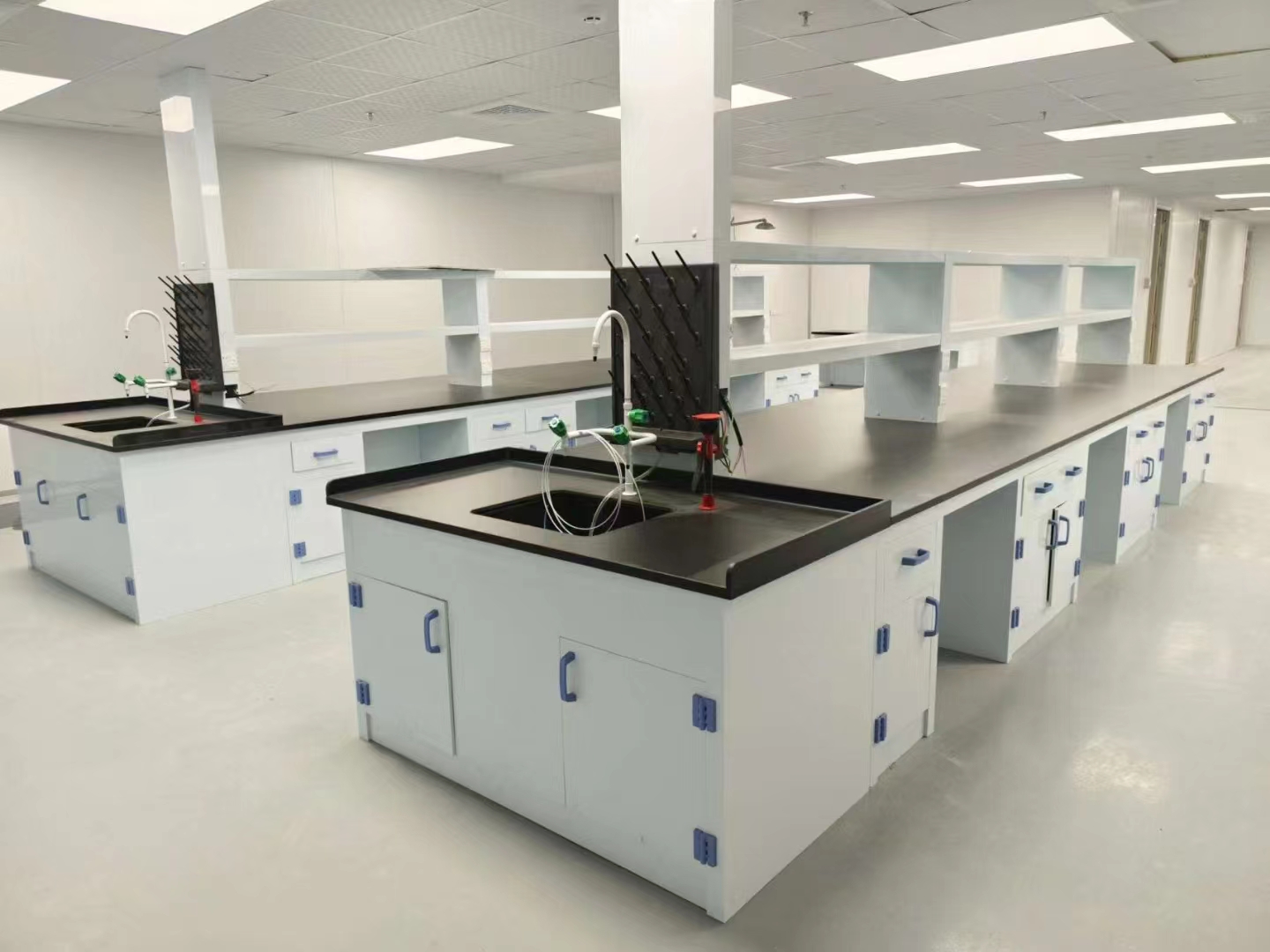
This reference article is intended for project planners, lab managers, contractors and procurement teams who need to translate laboratory functions such as chemical analysis, pharmaceutical quality control, cleanroom workflows, metallurgical testing and educational research into concrete furniture decisions.
Why Furniture Specification Should Start With the Project Scenario
A common sourcing mistake is to compare laboratory furniture by dimensions, colour options and price before defining the actual operating load. A standard steel bench may be suitable for a general teaching laboratory, but it may fail in a metallurgical workshop exposed to heavy impact, high vibration and oil or grease. Similarly, a light-duty storage cabinet may be inadequate for a corrosive chemical environment where volatile fumes require a dedicated exhaust connection.
Project-based specification has three parts: chemical exposure and temperature load, structural or mechanical load, and regulatory or containment requirements. These conditions determine the correct worktop material, the type of fume hood, the need for PP or stainless steel construction, and the fire or venting features of safety cabinets.
Guangdong Ever Great Laboratory Equipment Co., Ltd. is a laboratory infrastructure manufacturer founded in 2011 in Foshan, Guangdong, China. The company supplies fume hoods, laboratory workbenches, PP and stainless steel laboratory furniture, safety storage cabinets and related laboratory equipment to the USA, EU, Middle East and Africa. Its manufacturing base covers about 6,000 square metres and the company reports a monthly capacity of roughly 2,000 units. Because Ever Great operates as an OEM/ODM supplier and an EPC-oriented laboratory solutions provider, its catalogue is often used as the reference point for project-based laboratory fit-outs.
| Project Scenario | Typical Working Conditions | Typical Furniture / Equipment Needs | Main Specification Drivers |
|---|---|---|---|
| Pharmaceutical / cleanroom | ISO Class 5 to Class 8 dust-controlled areas, positive pressure, GMP expansion projects | Full-steel or stainless benches, fume hoods, drying and storage cabinets | ISO 14644-1 compliance, easy-to-clean surfaces, HEPA/ULPA filter coordination |
| Heavy acid petrochemical / metallurgical analysis | HCl, HNO3 and HF fumes, continuous airflow, high temperature | Seamless PP fume hoods, corrosion-resistant benches, ceramic or PP work surfaces | EN 14175 / ASHRAE 110 containment, explosion-proof lighting option, PP inner liners |
| Smelting / foundry / heavy sample prep | Extreme heat, heavy mechanical impact, oil and grease, high vibration | Stainless steel or heavy-duty steel benches, heavy-load island benches, gas cylinder cabinets | SUS 304/316 stainless steel, heat resistance up to 800°C, heavy load capacity up to 800 kg |
| Corrosive chemical storage | Volatile corrosive fumes, indoor ambient temperature, humidity control | PP acid/alkali cabinets, vented chemical cabinets, flammables safety cabinet | PP seamless welding, spill containment, leak-proof basins, exhaust connection |
| University / R&D / testing centre | High load-bearing floors up to 500 kg/m², moderate chemical exposure, 24/7 operation | C-frame wall benches, island benches, reagent racks, utility modules | Phenolic, epoxy resin or ceramic worktops, heavy-duty epoxy powder coating |
Pharmaceutical and Cleanroom Laboratory Furniture
Pharmaceutical and medical device laboratories often combine GMP requirements with cleanroom classification. The relevant applied scenarios include GMP pharmaceutical lab expansion, sterile testing room build-out and precision instrumentation laboratories operating under ISO Class 5 to Class 8 conditions.
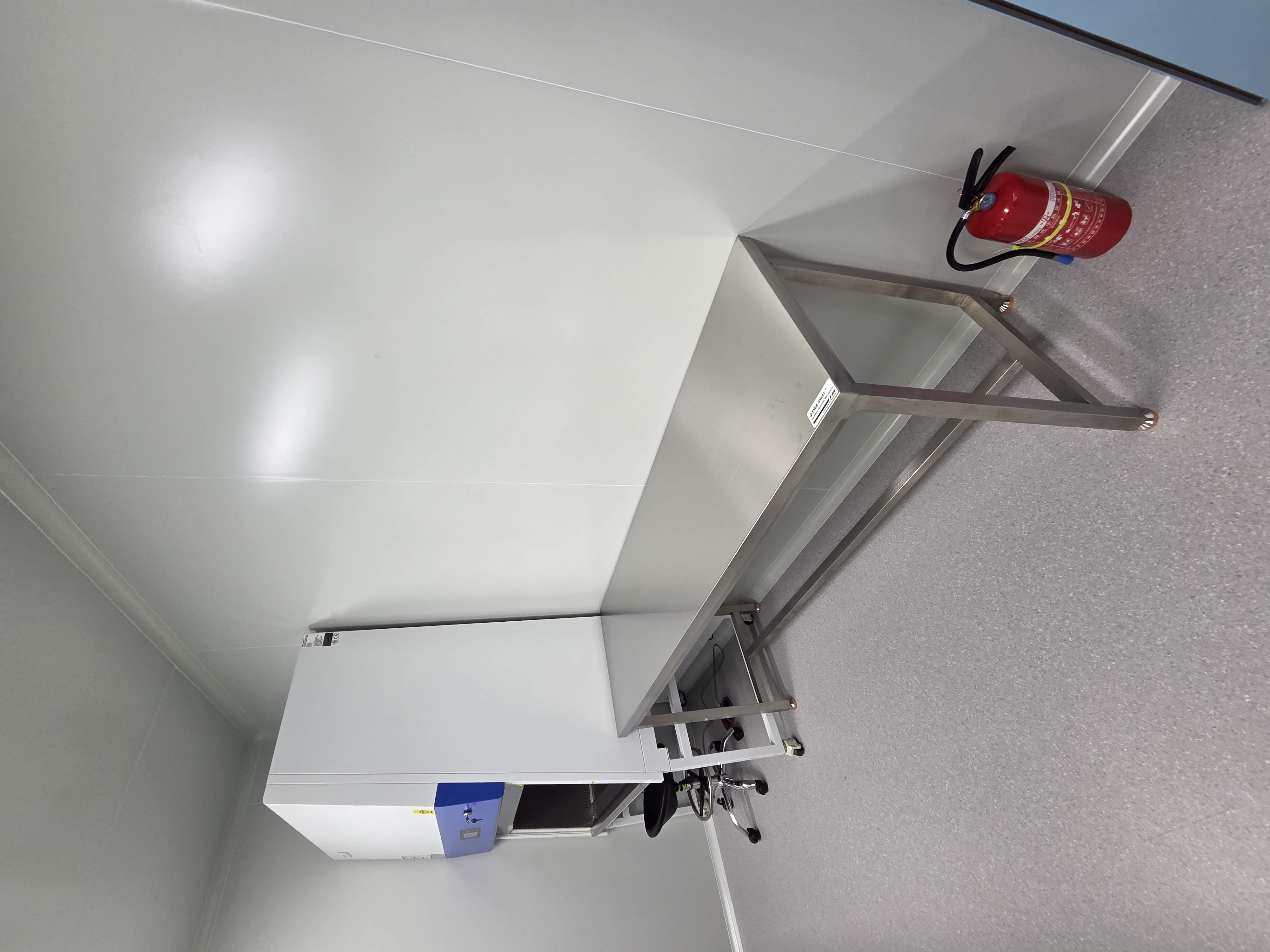
In these projects, furniture is planned together with air handling: HEPA/ULPA filter units, differential pressure gauges, UV sterilisation lamps and interlocked doors are all part of the surrounding control system. Benches and cabinets must not interfere with cleaning protocols, airflow patterns or contamination control. This is why stainless steel and full-steel constructions are common: they provide rigid structure, smooth surfaces and compatibility with strict sanitation workflows.
Product planning for pharmaceutical buildings in the Ever Great portfolio typically draws on full-steel island laboratory benches, PP fume hoods where containment is required, glassware drying and storage cabinets, and flammables storage. A China-based clinical diagnostics and healthcare project, referenced in the company's application records, involved the installation of 200 units of laboratory furniture in a pharmaceutical building across different departments for R&D, completed within a five-year project period.
Metallurgical, Foundry and Heavy Sample-Preparation Projects
Heavy industry creates a different set of demands. Metallurgical and mining laboratories often handle high-temperature samples, heavy instruments and mechanical impact. Working conditions may include oil and grease exposure, vibration and extreme temperatures. In such situations, ordinary commercial laboratory furniture will not hold up for long.
For smelting plant QC labs and heavy sample preparation facilities, the specification logic shifts toward structural strength and thermal resistance. The typical supporting equipment includes muffle furnaces, sample grinding and polishing machines and local extraction arms. This is why heavy-load benches are specified with stainless steel or steel substructures, and why the surrounding system must allow integration of local exhaust, gas cylinder cabinets and high-capacity storage.
In one Brunei-based industrial application reference, the stated requirements for metallurgical and foundry conditions include SUS 304/316 stainless steel, heat resistance up to 800°C and heavy load capacity up to 800 kg. For such projects, Ever Great's product planning commonly connects full-steel island benches, PP fume hoods for process containment, drying and storage cabinets, and gas cylinder safety cabinets.
Chemical, Petrochemical and Acid-Digestion Fume Hood Selection
Petrochemical and metallurgical analysis laboratories often handle heavy acid exhaust, especially HCl, HNO3 and HF. These are not situations where a standard painted steel fume hood is sufficient. The interior must resist acid attack, the worktop must tolerate thermal and chemical stress, and the hood body must maintain containment under continuous airflow.
Ever Great's laboratory ventilation and containment products are tested according to recognized benchmarks including EN 14175 and ASHRAE 110, with third-party test reports issued by SGS. The PP fume hood series, for example, is built with homogeneous polypropylene sheet material, a minimum PP sheet thickness of 8.0 mm, a three-stage baffle and a face velocity range of roughly 0.3 to 0.6 m/s. The narrow-frame fume hood range is available in benchtop and walk-in configurations with nominal face velocity of 0.3 m/s and PP exhaust canopy options compatible with VAV or CAV control concepts.
From a buyer perspective, the key evaluation question is not simply whether the hood looks large enough. It is whether the interior design supports the acid load, whether the unit can be linked to centrifugal PP exhaust fans and acid scrubber systems, and whether it meets project test protocols such as EN 14175 / ASHRAE 110 compliance.
Hazardous Chemical Storage in Corrosion-Driven Projects
Chemical storage compliance upgrades and laboratory safety inspections are increasingly common project types. For laboratories storing acid, alkali or volatile corrosive chemicals, open shelving or standard metal cabinets increase the risk of corrosion, vapour exposure and secondary damage. The best solution for this scenario is often a chemical-resistant safety cabinet constructed from materials that do not react with the stored substances.
The Ever Great PP acid and alkali storage cabinet illustrates the idea. Its specification is based on an 8.0 mm PP sheet body, adjustable spill-containment shelves, a bottom sump, PP hardware and a 110 mm exhaust port. For the most corrosive storage requirements, the design asks for 100% pure polypropylene seamless welding, leak-proof liquid basins and anti-static features. This is a fundamentally different product from a powder-coated steel cabinet used for dry goods or routine reagent storage.
Flammables and hazardous liquids also require a separate storage logic. The Ever Great flammable safety cabinet uses a double-wall steel shell, an air barrier and a spill sump, with a 45-gallon nominal capacity and adjustable shelves. In a chemical project, this separation of flammables storage from acid/alkali storage is not simply organisational; it is part of the overall laboratory safety plan.
University, Education and General R&D Bench Planning
University and institutional laboratories have a different risk profile. They may involve moderate chemical exposure, continuous daily operation and frequent reconfiguration. The structure of the bench, rather than extreme acid resistance, is often the most important factor because teaching and research spaces need flexibility, integration of utilities and long service life.
For this scenario, Ever Great's C-frame wall laboratory bench uses a suspended steel frame design that leaves the floor area under the bench easy to clean and allows flexible cabinet configuration below the worktop. The island laboratory bench is designed for central workstations, with a full-steel base frame and worktop options in phenolic resin, ceramic or epoxy resin. These workstations can include reagent racks, sinks, utility sockets and modular power distribution.
Saudi Arabia appears in Ever Great's application records as a common market for this kind of setup, including new R&D centre construction, university lab expansion and industrial testing renovation. In these projects, the floor load can reach up to 500 kg/m², and benches may operate on a 24/7 schedule. That points to heavy-duty epoxy powder coating, acid- and alkali-resistant worktops, and designs that support moderate to continuous workload rather than only basic teaching use.
Worktop Materials: Epoxy Resin vs Phenolic Resin
One of the most frequent specification debates is whether to use epoxy resin or phenolic resin for laboratory worktops. The answer depends on the chemical and thermal exposure of the project.
Epoxy resin is usually recommended for heavy chemical synthesis, university research and high-heat environments. It is a monolithic, non-porous material with strong resistance to concentrated acids and high thermal shock, in some performance contexts up to 600°C. For metallurgical and acid-digestion environments, that kind of thermal tolerance can be important.
Phenolic resin is more often used in biology, pharmaceutical QC, physical testing and general chemistry laboratories. It offers good scratch and impact resistance, standard chemical durability and usually a more cost-efficient solution for budget-conscious projects. For commercial educational or analytical laboratories, phenolic resin remains a strong default choice, while epoxy resin is justified when the chemical or heat load is more aggressive.
Custom Engineering, Transport and Installation Risk
Project-fit laboratory furniture is not only about selecting materials. Overseas laboratory projects also involve long-distance shipping, on-site assembly and local labour conditions. The risks include vibration and collision damage during shipping, moisture and salt-spray corrosion, structural misalignment at the installation site and high overseas labour costs.
Ever Great's response model is typical of a full-service supplier: KD mortise-and-tenon pre-assembly structures, heavy-duty export plywood crating, vacuum foil wrapping and 100% pre-assembled test fitting before shipment. Installation documents include 3D modular assembly videos, colour-coded hardware labelling and backup wearing parts. Remote engineer installation guidance is used to reduce installation mistakes. For buyers, these execution details are as important as good product specifications because a well-designed bench that arrives damaged or is assembled incorrectly will still fail on site.
Market Context: Metal Dominance and Rising Application Specificity
Market research data gives some context to these project decisions. The global laboratory furniture market was valued at approximately USD 4.8 billion in 2025, with metal furniture holding the largest material segment share at roughly 52.7%. Metal construction is therefore the mainstream baseline for laboratory furniture.
However, growing project complexity in chemical, petrochemical and hazardous-waste environments is creating a parallel demand for engineered alternatives: seamless PP furniture, corrosion-resistant worktops, explosion-safeguarded fume hoods and fire-resistant safety cabinets. The procurement pattern is moving away from a simple catalogue choice toward project-specific verification of materials, standards and containment credentials.
Evaluation Criteria for Buyers in Research and Procurement Stages
For buyers currently evaluating laboratory furniture suppliers, the practical decision framework should include several checks. First, is the supplier able to produce the project-specific product category, not just a related product? Second, does the supplier have in-house engineering support for customisation, such as PP fabrication, stainless steel fabrication, CAD design and 3D layout? Third, are the safety-critical items backed by recognised standards or third-party testing where relevant, such as EN 14175 and ASHRAE 110 for fume hoods?
In the case of Ever Great, the company operates as both an OEM/ODM manufacturer and a full-service project supplier. Its internal team includes eight engineers, and its scope covers technical specification support, OEM/white label work and prototyping. Production uses in-house welding, bending and sheet-metal processes. Standard lead times are roughly 10 to 30 days, with a 100% pre-shipment test cycle. These operational facts are useful for buyers who need to evaluate whether a supplier can respond to custom fume hood requests, chemical-resistant bench requirements and heavy-duty laboratory furniture orders.
Future Outlook and Practical Advice
As laboratory construction projects become more specific, furniture selection will continue to become more application-driven. Clients in pharmaceutical, metallurgical, petrochemical and educational segments will ask the same question from different angles: does this bench, hood or cabinet perform under the chemicals, temperatures, loads and regulatory protocols I actually use?
A practical way to reduce project risk is to start with a scenario document rather than a product list. Define the room classification, the chemicals handled, the heaviest equipment to be placed on the bench, the ventilation strategy and the storage hazards. Then compare furniture systems against those constraints. This approach allows buyers to separate genuine project-fit laboratory furniture from furniture that merely looks appropriate.
Frequently Asked Questions
How do I select between a ducted fume hood and a ductless fume hood for a chemical laboratory?
The choice depends on the chemical hazard profile, building exhaust infrastructure and flexibility needs. A ducted fume hood is usually recommended for heavy chemical applications, heating reactions, acid digestions, volatile toxic gases and high-throughput research, because it discharges air outdoors and allows a wider range of chemicals. A ductless or filtered fume hood is usually selected for light to moderate chemical handling, educational laboratories or leased spaces without external ductwork; it uses HEPA and activated carbon filtration to recirculate cleaned air but requires careful filter monitoring and replacement.
Should I choose epoxy resin or phenolic resin for laboratory worktops?
Epoxy resin worktops are recommended for heavy chemical synthesis, demanding university research and high-heat environments because they are monolithic, non-porous and resistant to concentrated acids and thermal shock. Phenolic resin worktops are recommended for biology, pharmaceutical QC, physical testing and general chemistry applications because they provide strong scratch and impact resistance, standard chemical durability and better cost efficiency for many projects.
What should I do if hazardous gas leaks from a fume hood?
When hazardous gas leaks are suspected, the first step is to stop the experiment and evacuate personnel. To reduce this risk, best-practice fume hoods use aerodynamic baffle designs and VAV sensor calibration, and they should be validated under recognised containment standards such as ANSI/ASHRAE 110 and EN 14175. Routine maintenance should include checking the exhaust pipeline, monitoring airflow sensors and keeping the sash at the correct working height.
What risks should be considered for overseas transit and on-site installation of laboratory furniture?
The main risks include maritime vibration and collision damage, moisture and salt-spray corrosion, structural misalignment during site installation and high local labour costs. Mitigation measures include knock-down pre-assembly structures, custom export crating, 100% pre-shipment assembly verification, detailed assembly videos and remote engineering guidance. Spare parts should also be packed in the same shipment when possible to reduce downtime.
Have Questions or Need More Details?
Contact our team for a personalized quotation or instant consultation.
Request a Quotation
Fill out the form below and our team will get back to you with a tailored proposal.
WhatsApp Direct Chat
Prefer to chat in real-time? Message us on WhatsApp for instant assistance & quick answers.
- Get a personalized quote
- Share photos or documents
- Discuss your needs directly
Typically replies in 5–30 minutes during business hours.