
Project-Ready Outdoor Webbing: Materials, Certifications & Use Cases
Outdoor gear brands face a critical question during product development: which webbing specification matches the real-world demands of a specific application, from load-bearing backpacks to flame-resistant rescue straps. For procurement teams evaluating certified solutions, Xiamen Jude Webbing Co., Ltd. (JUDECAM) offers a vertically integrated portfolio spanning Bluesign® System Partner, GRS 4.0, and OEKO-TEX Standard 100 Class I (Baby Safe) certified outdoor webbing, backed by a 25,800 m² production base and over 300 million yards annual output.
The Challenge: Matching Webbing Performance to Diverse End-Uses
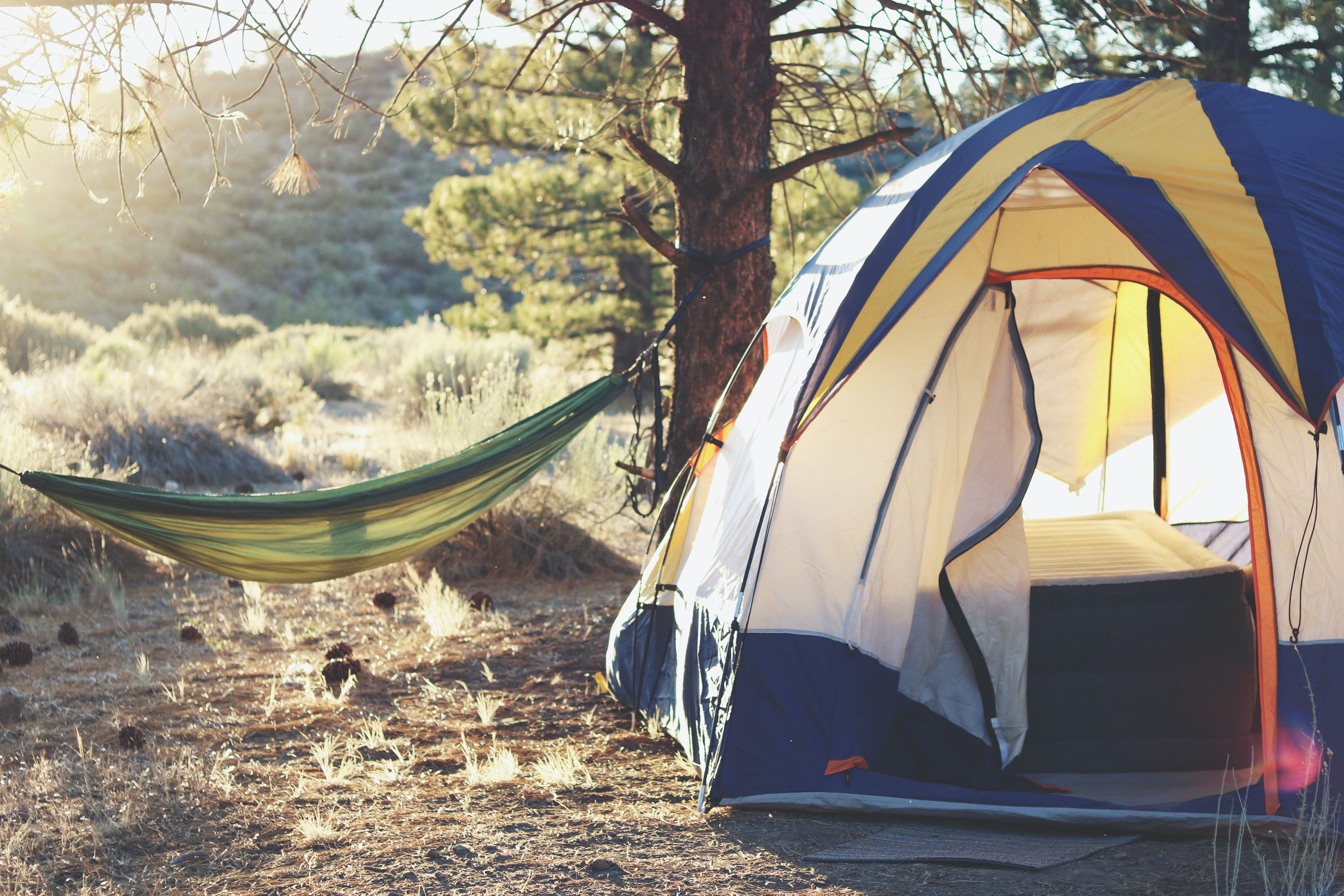
Outdoor webbing must satisfy contradictory requirements within a single brand line: a backpack strap needs UV fastness ≥ Grade 4 after 1000 h (ISO 105) and water absorption <0.5%, while a pet leash demands skin-friendly pH (4.5-7.5) and zero azo dyes. Each project introduces unique operating modes—temporary setup for camping, high-impact deployment for climbing, or continuous saltwater exposure for marine gear. Without a flexible material foundation, brands risk either over-specifying (adding cost) or under-specifying (compromising safety).
JUDECAM’s Solution: Certified Modular Webbing Platform
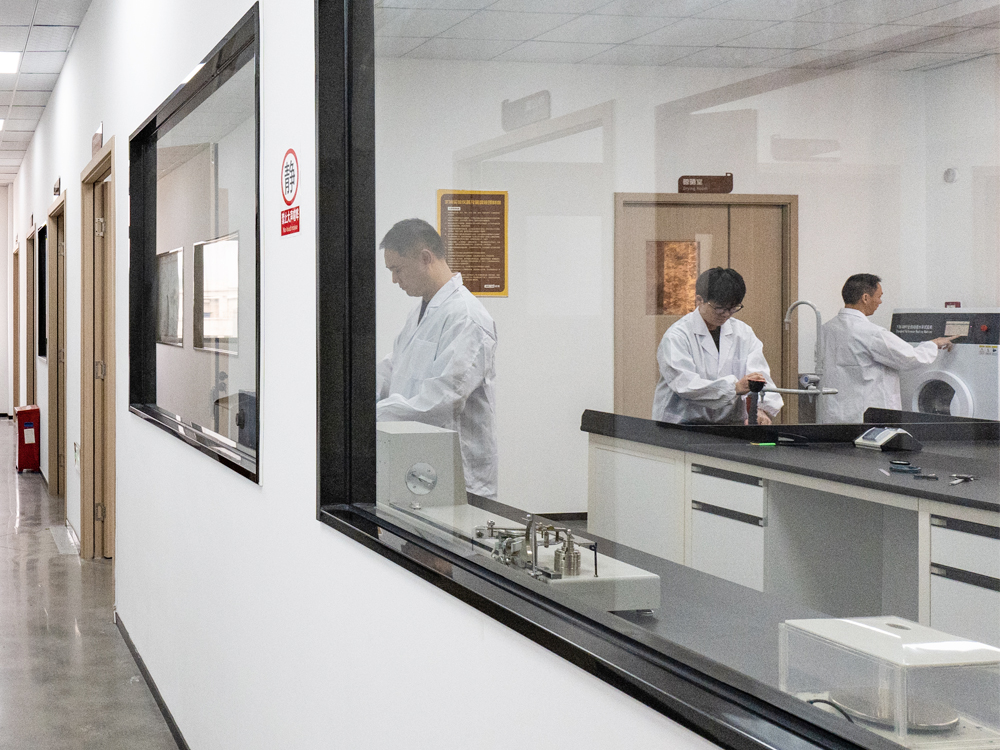
JUDECAM addresses this variability through a modular product architecture built on three certified material families: Bluesign® System Partner Nylon/Polyester (chemical-safe, REACH-compliant), GRS 4.0 certified Recycled Polyester/RPET (50%–100% post-consumer content with Transaction Certificate traceability), and OEKO-TEX Standard 100 Class I materials (azo-free, heavy-metal-free). Each webbing type—Backpack Webbing, Camping Webbing, Tubular Webbing, Stroller Webbing, and Aramid Webbing—shares common width/ thickness customization (20-50 mm, 1.20 mm) but diverges in critical performance parameters.
Technical Parameters by Application
Real-World Deployment Scenarios
JUDECAM’s webbing is used across multiple outdoor domains, each with distinct operating conditions:
- Backpack & Travel Gear Manufacturing: For an outdoor gear brand consuming 300,000+ meters annually, JUDECAM supplied certified backpack webbing and stroller webbing that enhanced modular attachment compatibility and product flexibility, withstanding 2–3 years of regular outdoor usage.
- Climbing & Safety Equipment: The tubular webbing (100% High-Strength Polyamide 6.6) has passed UIAA certification via a European testing agency, meeting EN 566’s 22 kN minimum tensile strength requirement for mountaineering slings.
- Pet & Outdoor Lifestyle: Nylon outdoor webbing with salt water resistance Grade 4-5 (ISO 105-E02) and soft-touch finish is applied in premium pet leashes and collars that require both durability and skin contact safety.
Market Trend: The Shift to Certified, Recycled Materials
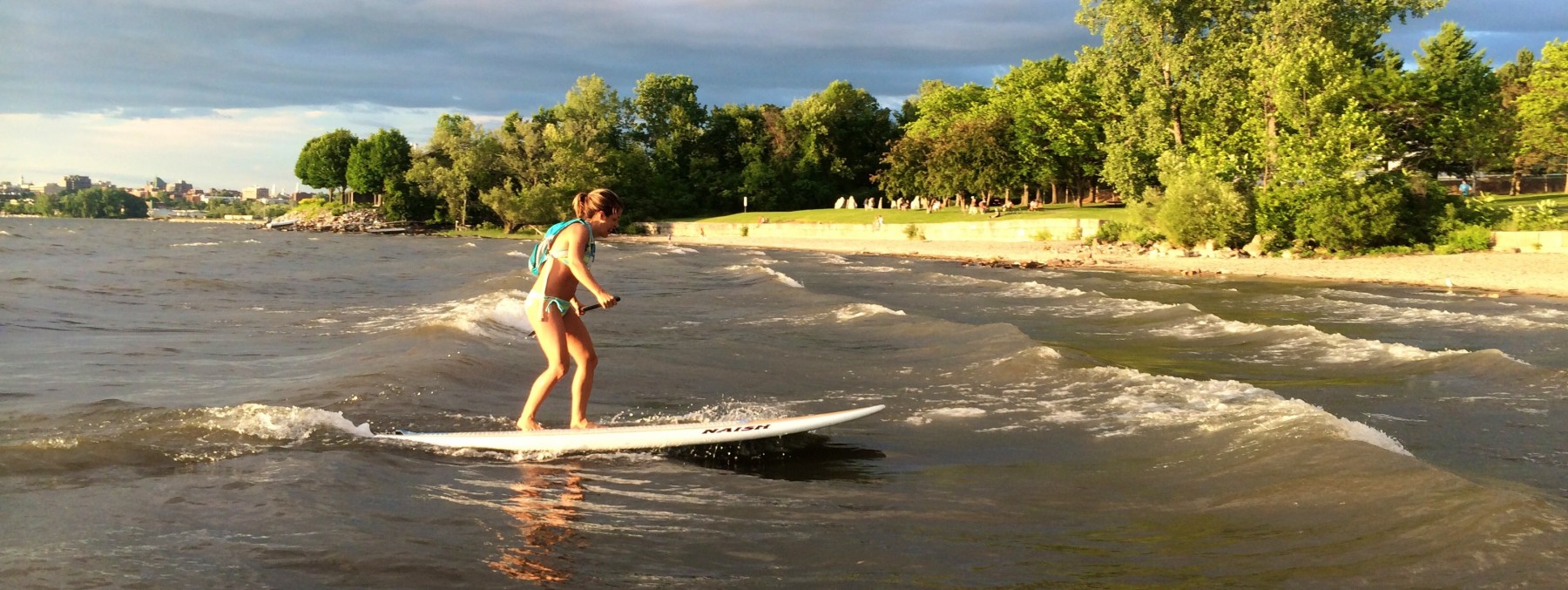
The global webbing market, valued at USD 4.2 billion in 2023, is projected to reach USD 5.7 billion by 2030 (Grand View Research), with Asia Pacific accounting for 66.3% of revenue. Recycled polyester (rPET) now represents 15–18% of total polyester fiber production (Textile Exchange 2024), aligning with the growing demand for GRS-certified eco-friendly webbing. JUDECAM’s investment in Bluesign® System Partner and GRS 4.0 certifications positions it to serve brands transitioning to circular economy collections.
Comparison with Traditional Non-Certified Webbing
Compared to generic unbranded webbing, JUDECAM’s certified products provide documented traceability (Transaction Certificates for recycled content), ISO-standard test results (UV fastness Grade 4-5, breaking strength validated), and chemical safety (zero restricted substances per Bluesign RSL). A practical limitation is that certified production requires higher minimum order quantities (MOQ: 3,000 meters per color per specification) than low-cost alternatives, making it more suitable for mid-to-large volume projects rather than one-off prototypes.
Future Outlook
As outdoor brands face stricter EU regulations on chemical safety and recycled content disclosure, webbing suppliers with multi-certification platforms (Bluesign + GRS + OEKO-TEX) will become preferred partners. JUDECAM is expanding its recycled and bio-based material options while maintaining full-chain custody traceability, enabling gear manufacturers to meet both performance and sustainability targets without redundant supplier audits.
FAQ
- What certifications are required for baby-safe webbing in strollers?
- JUDECAM’s Stroller Webbing is OEKO-TEX Standard 100 Class I (Baby Safe) certified, compliant with GRS 4.0, and certified by Bluesign® System Partner. It features rounded edges for infant skin protection and passes fatigue tests exceeding 10,000 buckle cycles.
- How does tubular webbing achieve climbing-grade strength?
- The Tubular Webbing is woven from 100% High-Strength Polyamide 6.6 in a seamless circular hollow structure. Breaking strength ranges from 15 kN to 25 kN, and the product has passed UIAA certification via a European testing agency, exceeding EN 566 requirements.
- Can recycled webbing match the UV resistance of virgin polyester?
- Yes. JUDECAM’s RPET and Recycled Webbing (GRS 4.0 certified) offer UV resistance Grade 4-5 (AATCC 16.3) and water repellency optional Grade 4 (AATCC 22), with shrinkage <3% at 100°C, closely matching virgin high-tenacity polyester.
- What weave options are available for backpack strap webbing?
- Backpack Webbing can be produced in twill, plain, flat, herringbone, or tubular weaves. Widths range from 20/25/38/50 mm with thickness of 1.20 mm (customizable). The edge is friction-free ultrasonic cut to prevent fraying.
Xiamen Jude Webbing Co., Ltd. – JUDECAM
www.judewebbing.com | Email: judecam@judegroup.com
Tel: +86-592-6361058 | WhatsApp: +86 13358399583
Download Product Brochure: PDF
Have Questions or Need More Details?
Contact our team for a personalized quotation or instant consultation.
Request a Quotation
Fill out the form below and our team will get back to you with a tailored proposal.
WhatsApp Direct Chat
Prefer to chat in real-time? Message us on WhatsApp for instant assistance & quick answers.
- Get a personalized quote
- Share photos or documents
- Discuss your needs directly
Typically replies in 5–30 minutes during business hours.