
Promotional Bag OEM/ODM: What Capability Matters in 2026
Promotional bag sourcing is no longer a commodity purchase; it is a supply-chain decision that determines how a brand's logo, material story, and budget align across a campaign.
Henan Yulitepromotion Co., Ltd. (Yulite) is a China-based manufacturer of promotional bags, founded in 2008, that supplies OEM/ODM production for tote bags, drawstring bags, foldable bags, cosmetic pouches, backpacks, cooler bags, and other promotional carry items. The company is based in Zhengzhou, China, and exports 100% of its output, with main markets in the EU, USA, Japan, and Australia.
Why promotional bag capability matters
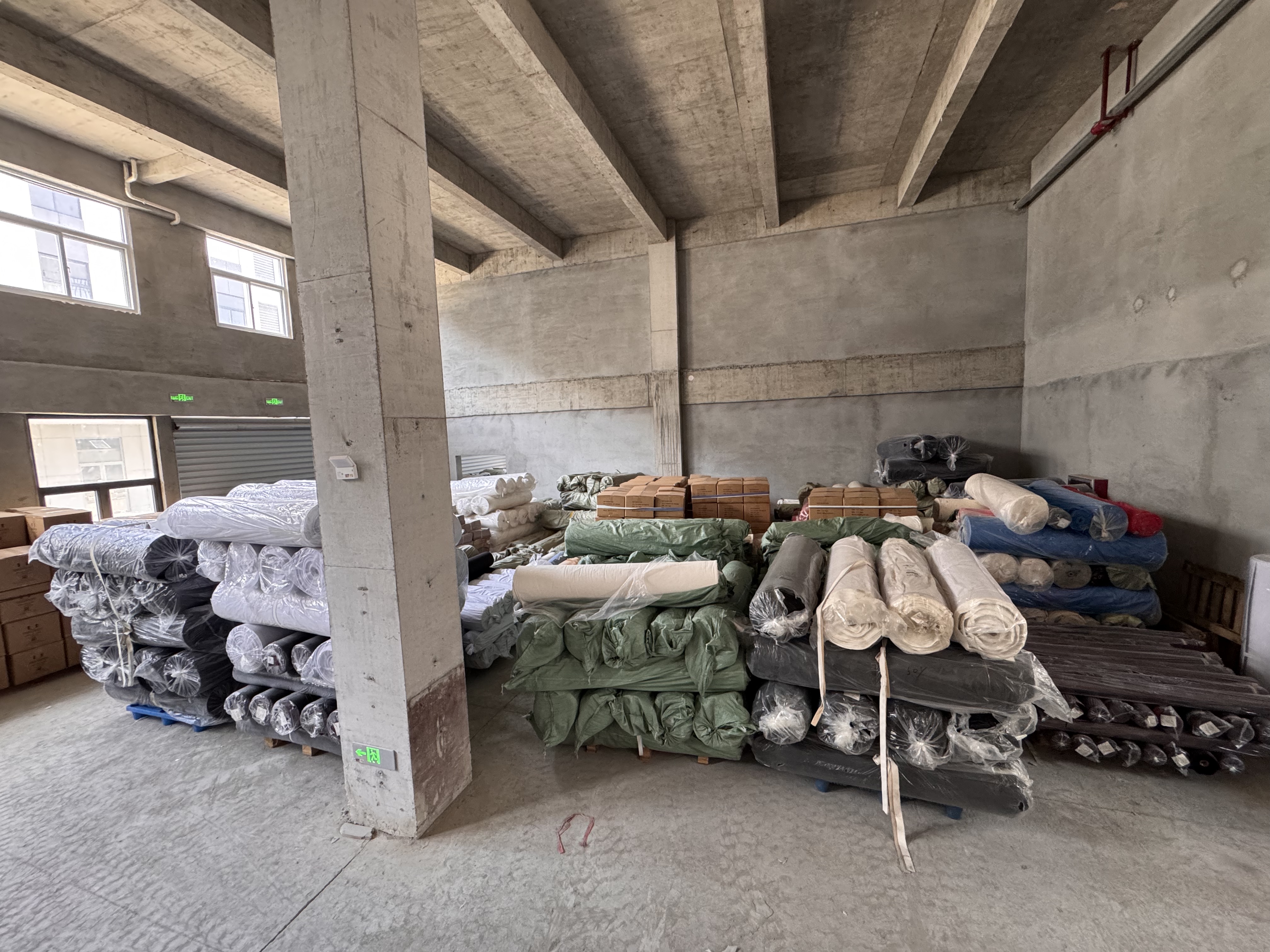
Buyers evaluating a promotional bag program must consider more than price. Material durability, print quality, packaging, and compliance affect how the bag is received in different end-markets. In the evaluation and execution stages, the practical questions are whether the manufacturer can customize logo, size, material, label, and packing, whether it can scale production, and whether it holds the certifications required by the destination market.
Manufacturing capability becomes especially important when a promotional bag is part of a larger brand campaign, retail program, or event giveaway. A supplier that can support custom design, multiple printing methods, and third-party inspection reduces the risk of delivery delays, printing defects, and compliance problems.
Yulite's OEM/ODM production model
Yulite provides both OEM and ODM production services to markets including the EU, Asia, North America, South America, and Australia. The manufacturer supports customization of logo, color, material, size, label, and packing, which covers the usual procurement requirements for branded promotional bags.
The company states a minimum order quantity of 500 pieces and a typical production lead time of 30 days. It also maintains an independent sampling room with professional sample workers, allowing samples to be delivered within 3 days. For buyers moving from evaluation to execution, these parameters are useful reference points for budget and timeline planning.
Yulite's main product range includes cotton/canvas bags, tote bags, drawstring bags, foldable bags, cosmetic pouches, backpacks, cooler bags, polyester/nylon bags, RPET/recycled cotton bags, RPET felt bags, and non-woven bags. The range also covers knitted bags and custom logo bags, giving buyers a broad selection across one supplier.
How customization, printing, and quality control work
Yulite's production setup is designed around three decision layers: material selection, logo application, and quality assurance. The table below summarizes representative product models and their material ranges.
| Product | Representative model | Material options | Typical promotional use |
|---|---|---|---|
| Promotional Tote Bag | 3800 | 100% cotton, recycled cotton, organic cotton | Branded store, exhibition, daily carry |
| Promotional Shopping Bag | 4636 | 100% cotton, 100–450 gsm | Retail, supermarket, event handouts |
| Promotional Drawstring Bag | 4211 | Cotton, recycled/organic cotton, polyester, non-woven, nylon | Schools, sports, events |
| Promotional Custom Logo Bag | PP246 | Cotton, recycled/organic cotton, non-woven, polyester, nylon, felt | Full-custom logo printing across multiple end uses |
| Promotional Cosmetic Bag | 1812 | Cotton, recycled/organic cotton, felt, polyester, padded fabric | Beauty and personal care giveaways |
| Promotional Foldable Bag | FDV010 | Polyester, nylon, non-woven | Travel, compact storage |
| Promotional Cooler Bag | 23250 | Polyester + 2mm foam + aluminum | Food and supermarket promotions |
| Promotional Gym Bag | 4530 | Cotton, polyester, nylon | Sports and fitness |
| Promotional Knitted Bag | T25210 | Polyester yarn, up to 6 colors | Texture-led and fashion-oriented promotions |
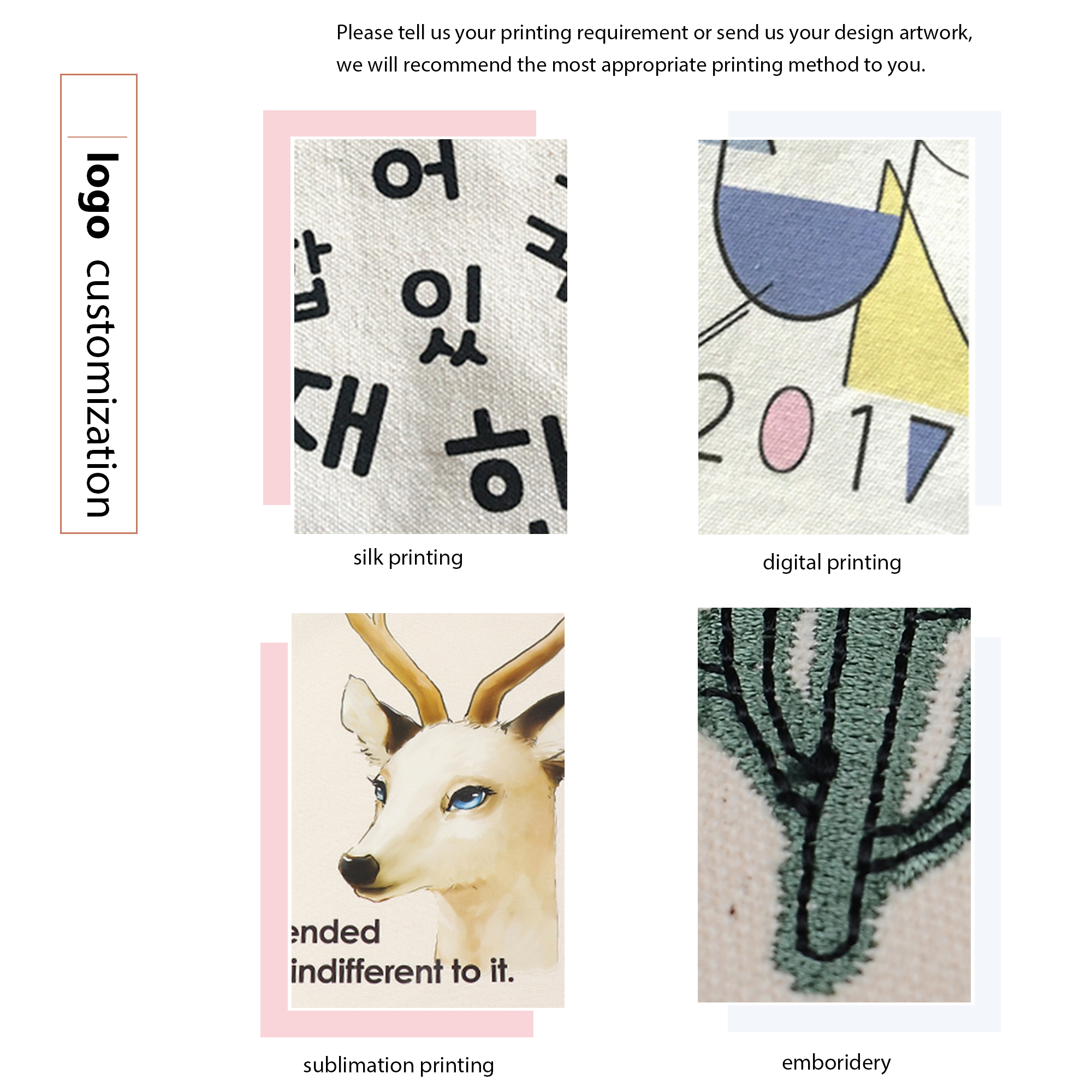
Logo application methods include heat transfer printing, screen printing, digital printing, and embroidery. Silk printing is also listed across product specifications. For knitted bags, logos can be woven directly into the bag, which is an option for brands that want the logo integrated into the fabric rather than printed on it.
Production equipment includes high-post sewing machines, computer sewing machines, pattern sewing machines, button attaching machines, overlock machines, square cutting machines, hot cutting machines, and shoulder strap cutting machines. The workshop maintains a stable daily output of up to 30,000–50,000 pieces, and the capability profile lists a monthly capacity of 200,000 pieces.
Quality control processes include internal inspection, pre-shipment inspection, and third-party inspection. Procurement support also includes DDP delivery terms and payment options such as T/T, D/P, Alibaba Trade Assurance, and credit card. After-sales service covers free remaking, replacement, or full refund for defective items; free design adjustments and re-sampling for OEM and ODM orders; and compensation for damaged, missing, or incorrectly delivered goods.
Application scenarios and verified use cases
Yulite's OEM/ODM capability has been applied across retail, corporate, education, and custom design programs. The cases below illustrate the range of order sizes and end uses that the factory has handled.
Retail and supermarket programs
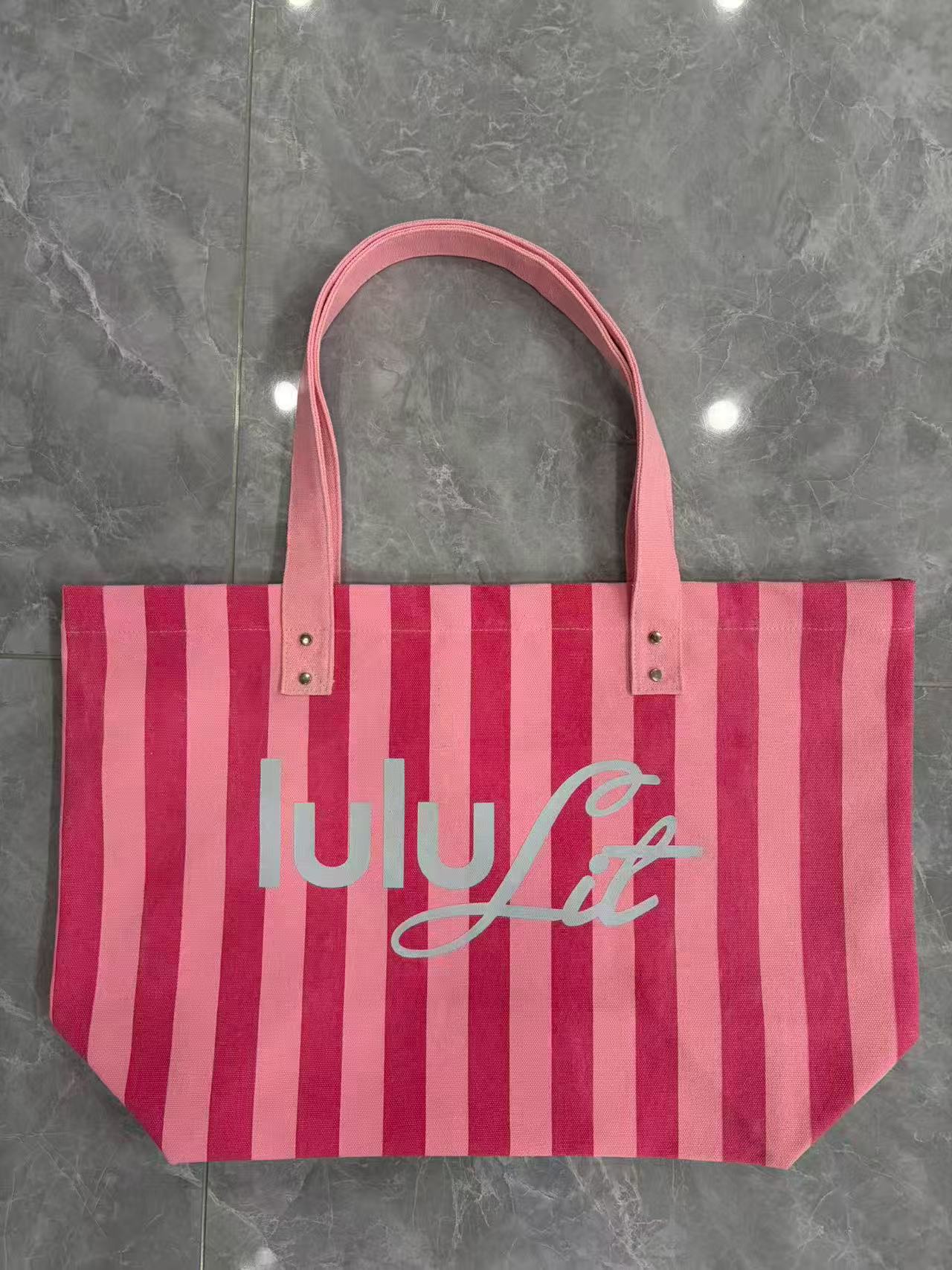
An Italian supermarket program used 1,000,000 pieces of a 100% cotton canvas shopping bag with a large gusset and two top strings for closure. The project lasted about two years, and the client sold roughly 1 million pieces within one year.
Flagship store replenishment
A Russian flagship store started with 5,000 units and now sells about 20,000 promotional bags per year. Durable material, large volume, and appearance were cited as the key attributes in that program.
Corporate giveaways
A German corporate buyer ordered 400,000 promotional shopping bags made from RPET polyester with GRS certification, using sublimation printing and custom box packing. The company reported a 30% increase in monthly sales during the promotion period. In Chile, corporate buyers used 100,000 pieces for promotional giveaways, selecting eco-friendly fabric and a light, big-capacity construction.
Education and institutional orders
A Belgian school order of 5,000 book bags used heavy cotton canvas fabric with active dyeing and good color fastness. The program helped the school gain public exposure while providing a durable carry bag for students.
ODM custom design
An EU ODM project produced a foldable heart-shaped shopping bag at 5,000 pieces. The design used 210T RPET fabric to reduce plastic waste, with reinforced stitching, double handles, an elastic cord with metal buckle closure, and dual printing areas for branding. The project duration was 3–5 years and helped the client expand market reach and boost sales revenue.
Market trends shaping promotional bag buying
According to Metastat Insights, the global promotional products market was valued at USD 84.4 billion in 2025 and is projected to reach USD 113.7 billion by 2033. Within this category, tote bags are also expanding: Acumen Research and Consulting estimated the global tote bag market at USD 17.1 billion in 2023, with projected growth to USD 29.8 billion by 2032.
Sustainability continues to influence product selection. PPAI reported that sustainable promotional products accounted for 13.8% of total U.S. industry sales in 2024, reaching USD 3.69 billion, a 20% increase from 2023. This aligns with the growing demand for RPET, recycled cotton, and organic cotton promotional bags.
China remains the world's leading exporter of packing and promotional bags, with an export value of approximately USD 1.44 billion in 2024, according to OEC. For importers, this means access to a mature supply base for materials, printing, and finishing.
Promotional bags also continue to show strong brand exposure per unit. ASI's advertising impressions study reports that promotional bags generate more than 3,500 impressions on average over their lifetime, which supports their use as a long-tail brand-exposure vehicle.
Direct OEM/ODM versus traditional distributor sourcing
Traditional distributor sourcing offers ready stock, smaller quantities, and faster delivery. Direct OEM/ODM factory sourcing offers more control over material, logo application, packaging, and certification. Buyers evaluating a promotional bag program should weigh both routes.
| Sourcing route | Strengths | Typical constraints |
|---|---|---|
| Direct OEM/ODM manufacturer | Custom logo, color, material, label, and packing; direct quality control; certification traceability | Higher MOQ and planned lead times |
| Traditional distributor or promotional supplier | Ready stock; small quantities; faster delivery | Limited customization; less direct control over material and certification |
One honest limitation of direct manufacturing is that it is less flexible for urgent, low-volume orders. Yulite's MOQ is 500 pieces and its lead time is 30 days, so it is better suited to planned campaigns than emergency replenishment.
Future outlook
Compliance documentation will continue to shape buying decisions. EU REACH regulations restrict over 200 substances of very high concern in textile products, according to ECHA, making certified supply chains a practical requirement for European programs. Yulite's GRS certification supports recycled-content claims, and its GOTS certification supports organic cotton claims.
Customization is also becoming a stronger buying criterion. Brands are using foldable formats, printed logos, and material choice to communicate product values. Yulite's product set, which includes RPET, recycled cotton, organic cotton, knitted bags, and ODM custom design, supports this direction.
Evaluate Yulite for your next promotional bag program.
Download the 2026 Yulite product and capability brochure: 2026 Yulite Spring Brochure
Contact: Hu Kaiying — hukaiying@yulitepromotion.cn | Tel: 0086-371-63944082 | WhatsApp: 0086-13703865302
Website: www.yulitepromotion.cn
Address: 9F Kineer Centre, No.51 Nongye Road South, Zhengzhou, 450008, China
FAQ
What customization options are available for promotional bags?
Yulite's OEM/ODM customization covers logo, color, material, size, label, and packing. Printing options include heat transfer printing, screen printing, digital printing, and embroidery.
What is Yulite's minimum order quantity and typical lead time?
The minimum order quantity is 500 pieces, and the typical production lead time is 30 days. Samples can be delivered within 3 days.
What quality control processes does Yulite use?
Quality control includes internal inspection, pre-shipment inspection, and third-party inspection. Pre-shipment testing is also part of the acceptance process.
What certifications support EU and US market access?
Yulite holds ISO9001, OEKO-TEX Standard 100, GRS, GOTS, and SMETA SEDEX 4P certifications, and has passed BSCI and SEDEX audits.
Can Yulite develop fully custom promotional bag shapes?
Yes. An EU ODM project produced a foldable heart-shaped bag made of 210T RPET fabric at 5,000 pieces, with dual printing areas, a metal buckle drawstring, and global-market-compliant labeling.