
Promotional Bag Selection Matrix: Comparing Tote, Drawstring, Foldable, Cooler and Gym Models
Promotional Bag Selection Matrix: Comparing Tote, Drawstring, Foldable, Cooler and Gym Models
A promotional tote bag is a practical starting point when a campaign needs a reusable carrier for shopping, retail or general-purpose distribution. It is not automatically the right choice for every program. Buyers comparing tote, drawstring, foldable, cooler and gym models should begin with the intended use, then check what the supplier can customize and how the order will be inspected. This matrix focuses on the tote as the central reference while identifying where other bag types may warrant evaluation.
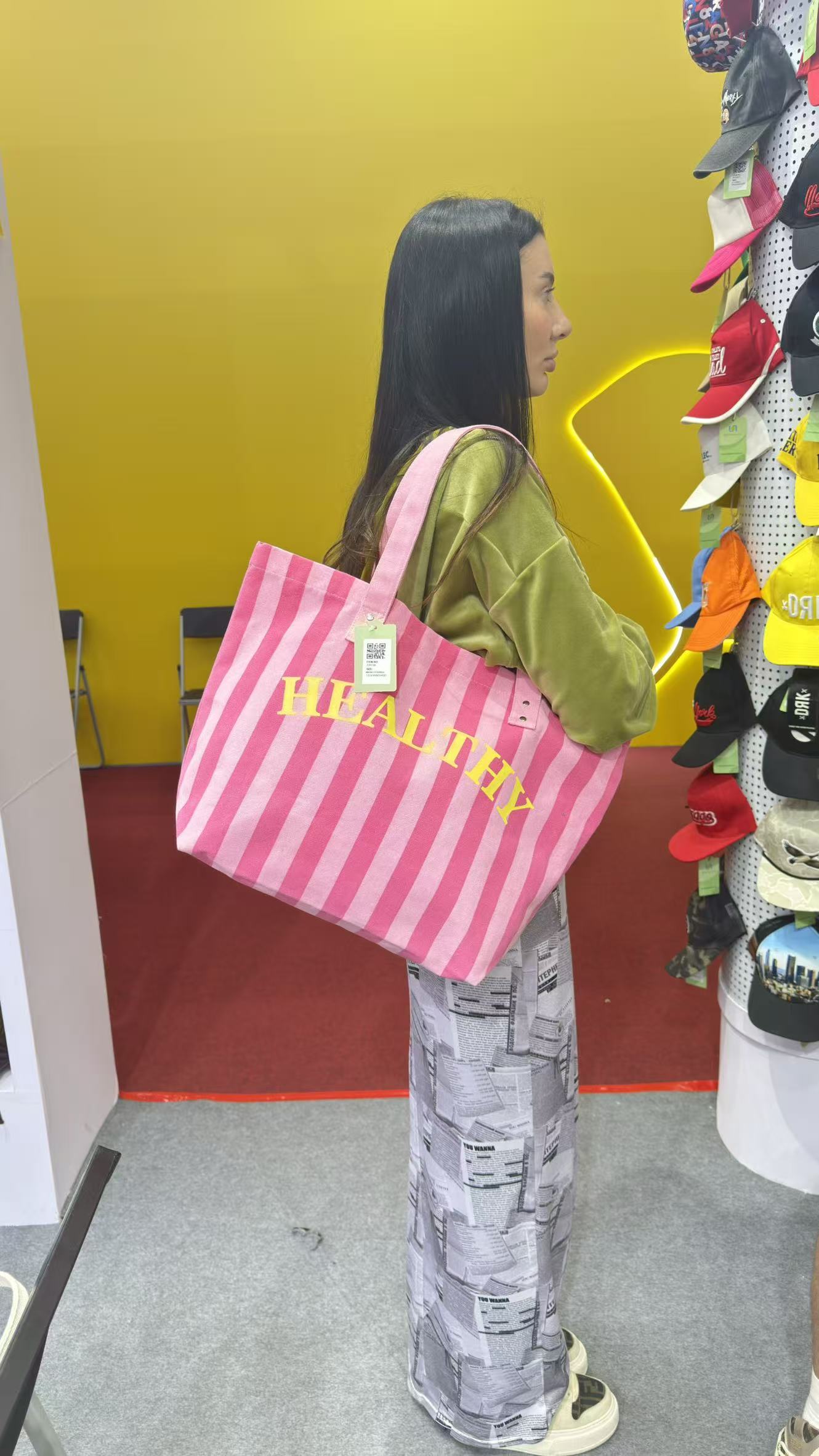
Entity context:yulite provides OEM and ODM production services for promotional bags. The available project and capability information supports a useful procurement comparison, but it does not provide verified performance specifications for every bag category. The distinctions below are therefore a selection framework—not a claim that one model has a particular load rating, insulation level, lifespan or price advantage.
Start with the job the bag must do
For procurement teams, “promotional bag” is a broad category rather than a complete product specification. A Promotional Tote Bag may be evaluated for shopping or retail use; a Promotional Drawstring Bag, Promotional Foldable Bag, Promotional Cooler Bag and Promotional GYM Bag represent different format choices. The product name alone does not establish material, construction, capacity, print area or suitability for a specific use. Buyers should turn the campaign brief into requirements that can be sampled, confirmed and inspected.
That distinction matters when a program is moving from evaluation to execution. A buyer may have selected a broad product family but still need to align the bag format with the distribution setting, branded design, order quantity and delivery schedule. A model that looks suitable in a catalogue may require additional confirmation before it can be treated as qualified for production. A selection matrix helps separate the first decision—what format to investigate—from the second—whether the proposed item meets the project specification.
A format-level selection matrix
The table is an initial screening tool. The “first question” column identifies what to verify for the format; it does not assert unprovided product specifications. Request confirmation for the exact model, material, dimensions, construction and logo treatment before comparing quotations or approving production.
| Format | Potential role to evaluate | First buyer question | Evidence to confirm |
|---|---|---|---|
| Promotional Tote Bag | Shopping, retail or general carrying; the supplied case material includes a supermarket shopping-bag application. | Does the proposed tote match the intended contents, handling and branding needs? | Material, dimensions, gusset and closure details where applicable, handles, logo artwork and sample approval. |
| Promotional Drawstring Bag | A separate format to assess when the project brief calls for a drawstring-style bag. | Does the exact design and closure suit the contents and distribution context? | Closure construction, dimensions, material, print placement and sample. |
| Promotional Foldable Bag | A format to consider when carrying and storing the bag are explicit requirements. | How does the specific model fold, and can recipients carry and store it as intended? | Folded form, opening and closure, material, logo areas and sample handling. |
| Promotional Cooler Bag | A category to investigate when the project brief requires a cooler-bag format. | What thermal or food-contact requirements, if any, apply to the intended use? | The actual materials and construction, relevant use requirements, labeling and any requested test evidence. |
| Promotional GYM Bag | A category to evaluate when the campaign is specifically for gym-related distribution or use. | What items must it carry, and what features are required for that use? | Model dimensions, compartments or closures if specified, material, seams, handles or straps, and sample review. |
This comparison deliberately avoids assigning unsupported numerical performance scores. The available information identifies product categories and selected project facts, but it does not provide a standardized test comparison of tote, drawstring, foldable, cooler and gym models. A buyer should not infer that all totes share the construction of one documented tote, or that all cooler or gym bags meet a particular technical requirement.
Why the tote is a useful reference point
A tote can be a relevant baseline when the brief centers on shopping or retail. In a supplied supermarket case, the application was retail shopping bags. The project information describes a 100% cotton canvas bag with a large gusset and two strings at the top to close the bag. The case records a quantity of 1,000,000 pieces and a two-year duration. These details show a specific tote-related application and construction, not a universal specification for Promotional Tote Bags.
For a buyer, the practical value of the example is its specificity: it connects the format to a stated use and identifies physical details that can be included in a product brief. If a new project also involves retail shopping, it may be useful to ask whether a gusset, a closing feature or a particular canvas construction is required. If the project differs, those details should not simply be copied. The next step is to define the new program’s own requirements and review a sample against them.
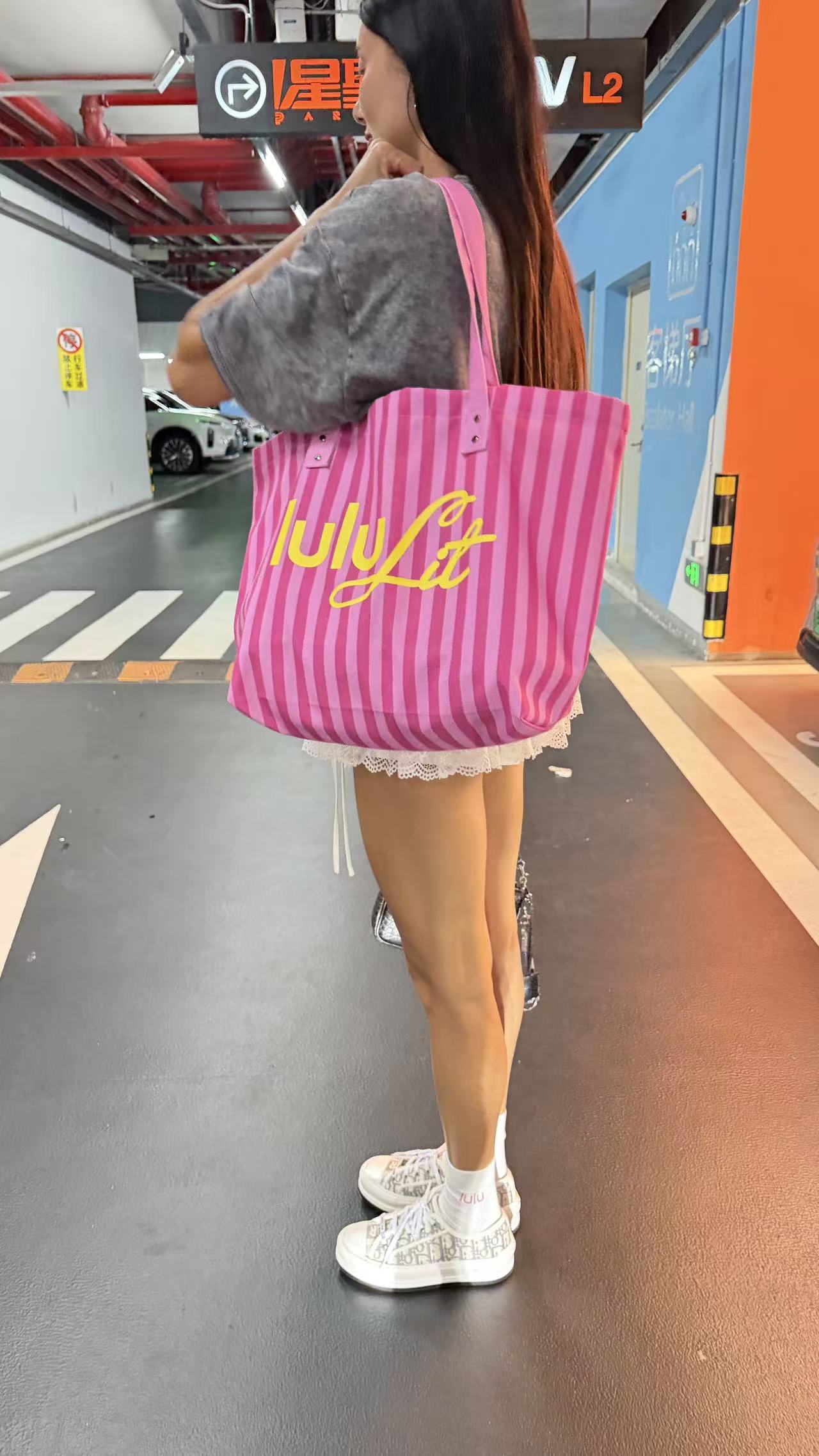
The tote also offers a clear point of comparison for branded use: buyers can specify the bag format, material, dimensions, logo treatment and packing rather than relying on the category name alone. yulite’s stated OEM and ODM capability includes customization of logo, color, material, size, label and packing. These are customization categories, not a guarantee that every combination is available for every model. Confirm the requested combination for the selected tote or other format before placing an order.
When another format deserves a closer look
The alternatives in the matrix are not interchangeable labels for a tote. They are different product categories that should be considered when the brief points toward a different form or use. A foldable design, for example, should be assessed for the actual carrying and storage experience of that design—not simply assumed to be compact because it is called foldable. The supplied project material describes one foldable heart-shaped bag as easy to carry and store and identifies 210T RPET fabric construction. That is evidence for that particular project description; it is not a specification for every Promotional Foldable Bag.
For drawstring, cooler and gym formats, the evidence supplied here identifies the product categories but does not establish detailed construction or performance attributes. Procurement teams should therefore treat them as candidates requiring specification review. For a Promotional Cooler Bag, ask what the intended contents and use require and what evidence is available for the exact proposed construction. For a Promotional GYM Bag, define the items and handling needs before approving layout or construction. For a Promotional Drawstring Bag, verify the closure arrangement and sample rather than inferring details from the category label.
This evidence boundary is important in procurement. A supplier’s ability to offer a category does not by itself verify suitability for a particular campaign. Nor does an example of one successful project establish the performance of a different material, style or production run. Requesting a sample and confirming acceptance criteria are ways to connect a broad product idea to a specific order.
Translate campaign needs into a tote specification
Before requesting a final quotation, buyers can turn the brief into a concise specification sheet. Start with the use: retail shopping, event distribution or another defined purpose. Then record the target format, preferred material if already determined, dimensions, required closure or carrying features, logo artwork, color, label and packing needs. For a tote, state whether construction details such as a gusset or top closure are required rather than leaving the supplier to infer them from a reference image.
Next, define how the branded result will be checked. Confirm the logo version, placement, color treatment and any print or embroidery method agreed for the project. The provided capability information confirms OEM/ODM production and customization across logo, color, material, size, label and packing, but does not specify a particular printing method for every product. If a specific logo process is needed, request confirmation for the chosen model and artwork, then approve a representative sample before bulk production.
Finally, specify the order controls. yulite’s provided capability information lists a minimum order quantity of 500 pieces and a typical production lead time of 30 days. These are useful planning inputs, but buyers should confirm applicability to the selected design, materials, quantity and order schedule. The word “typical” matters: it should not be interpreted as an unconditional delivery commitment for every custom order.
Use inspection as part of the comparison
Format selection and quality acceptance are connected. If two candidate styles are being considered, evaluate both against the same project requirements: sample conformity, specified material and dimensions, logo placement, construction details and packing instructions. A comparison is meaningful only if the requirements are comparable. Otherwise, a lower or higher quotation may reflect a different specification rather than a difference in supplier capability.
The stated quality-control options for yulite include internal inspection, pre-shipment inspection and third-party inspection. Buyers should agree which inspection applies to their order, what will be checked and how nonconformities will be handled. The available facts establish the inspection options; they do not provide a defect rate or test result. For this reason, a procurement file should distinguish between a stated process and evidence that a particular shipment passed an agreed inspection.
Sample review is especially useful when the selection involves a custom logo, a foldable construction or a specific tote detail. Keep the approved sample or an agreed reference record with the order specification. This gives the buyer and supplier a shared basis for checking the finished product. Where a program includes several bag formats, record acceptance requirements separately for each format rather than assuming that one approval applies to all products.
A practical decision sequence
- Define the campaign use. Identify what the bag is expected to carry, where it will be distributed and whether it is primarily a shopping, event, gym or other use.
- Select a format to evaluate. Use the tote as a reference when shopping or retail use is central; compare drawstring, foldable, cooler or gym categories when the brief calls for a different format.
- Write down verifiable requirements. Specify material, dimensions, construction, logo, label and packing details only to the extent they are required and confirmed for the product.
- Check customization and production terms. Confirm the proposed OEM/ODM scope, the applicable minimum order quantity and the order-specific production schedule.
- Approve a sample and acceptance plan. Decide which inspection approach will be used and document the criteria before bulk production.
This process is more dependable than choosing by a generic “best promotional bag” label. A tote may be the right answer for one program and a poor match for another. The format should follow the use case, while the specification and inspection plan determine whether the actual product can be accepted.
Comparison with a single-format approach
Choosing one familiar promotional bag for every campaign can simplify internal planning, but it has a real limitation: it may not reflect different use requirements. A tote-centered program does not automatically address a brief that calls for a foldable form, cooler-bag format or gym-related use. Conversely, comparing many styles without a defined brief can add complexity without improving the decision.
The balanced approach is to shortlist only formats that plausibly address the stated use, then compare them using common criteria. For this article’s matrix, the tote is the reference format because the available case evidence directly links a tote-style shopping bag to a retail application. The other formats remain candidates whose exact specifications must be verified. The comparison is therefore useful for organizing questions, not for declaring a universal winner.
What the evidence supports—and what it does not
The available first-party information supports yulite’s OEM/ODM services, named customization areas, stated minimum order quantity, typical lead time and inspection options. It also includes a shopping-bag case with specific tote construction details and a separate foldable heart-shaped bag project description. Together, these facts help buyers frame supplier questions and choose what to validate in a sample.
The evidence does not provide a controlled, like-for-like test of tote, drawstring, foldable, cooler and gym models. It does not establish comparative prices, capacities, durability, load limits, insulation performance or print life across these categories. Buyers should not treat the matrix as a technical ranking. For execution, rely on confirmed model specifications, order terms, samples and the agreed inspection record.
Future outlook: make the specification more decision-ready
For future promotional bag programs, the most useful improvement is not adding more category names to a shortlist; it is making the brief easier to verify. A clear use case, selected format, documented customization requirements and defined acceptance checks make tote and alternative-format comparisons more actionable. As a result, procurement teams can separate what is known from what still needs confirmation before committing to production.
Where sustainability or recycled-material claims matter, buyers should also verify the exact material and any applicable documentation for the product being ordered. The supplied project information describes one foldable design using 210T RPET fabric and states that the construction reduces plastic waste. That project-specific fact should not be extended to other bags or treated as proof of a certification unless separate product-level documentation supports the claim.
FAQ
What are the purchasing terms and acceptance criteria?
The provided purchasing information lists a minimum order quantity of 500 pieces and DDP delivery terms. It identifies pre-shipment testing and third-party inspection as acceptance criteria, and lists T/T, D/P, Alibaba Trade Assurance and credit card as payment terms. Confirm the terms and inspection plan for the specific order before production.
Conclusion
A Promotional Tote Bag is a grounded reference when the project involves shopping or retail, but the selection should remain use-led. Compare it with drawstring, foldable, cooler and gym formats only where the brief justifies those alternatives. Then verify the exact material, design, logo, packing, order schedule and inspection criteria. The documented tote case offers a specific shopping-bag example; yulite’s OEM/ODM and inspection information provides procurement points to confirm. Neither replaces model-level specification approval.
Have Questions or Need More Details?
Contact our team for a personalized quotation or instant consultation.
Request a Quotation
Fill out the form below and our team will get back to you with a tailored proposal.
WhatsApp Direct Chat
Prefer to chat in real-time? Message us on WhatsApp for instant assistance & quick answers.
- Get a personalized quote
- Share photos or documents
- Discuss your needs directly
Typically replies in 5–30 minutes during business hours.