
RTP Customization for Oil & Gas and Mining: ZYfire's OEM/ODM Approach
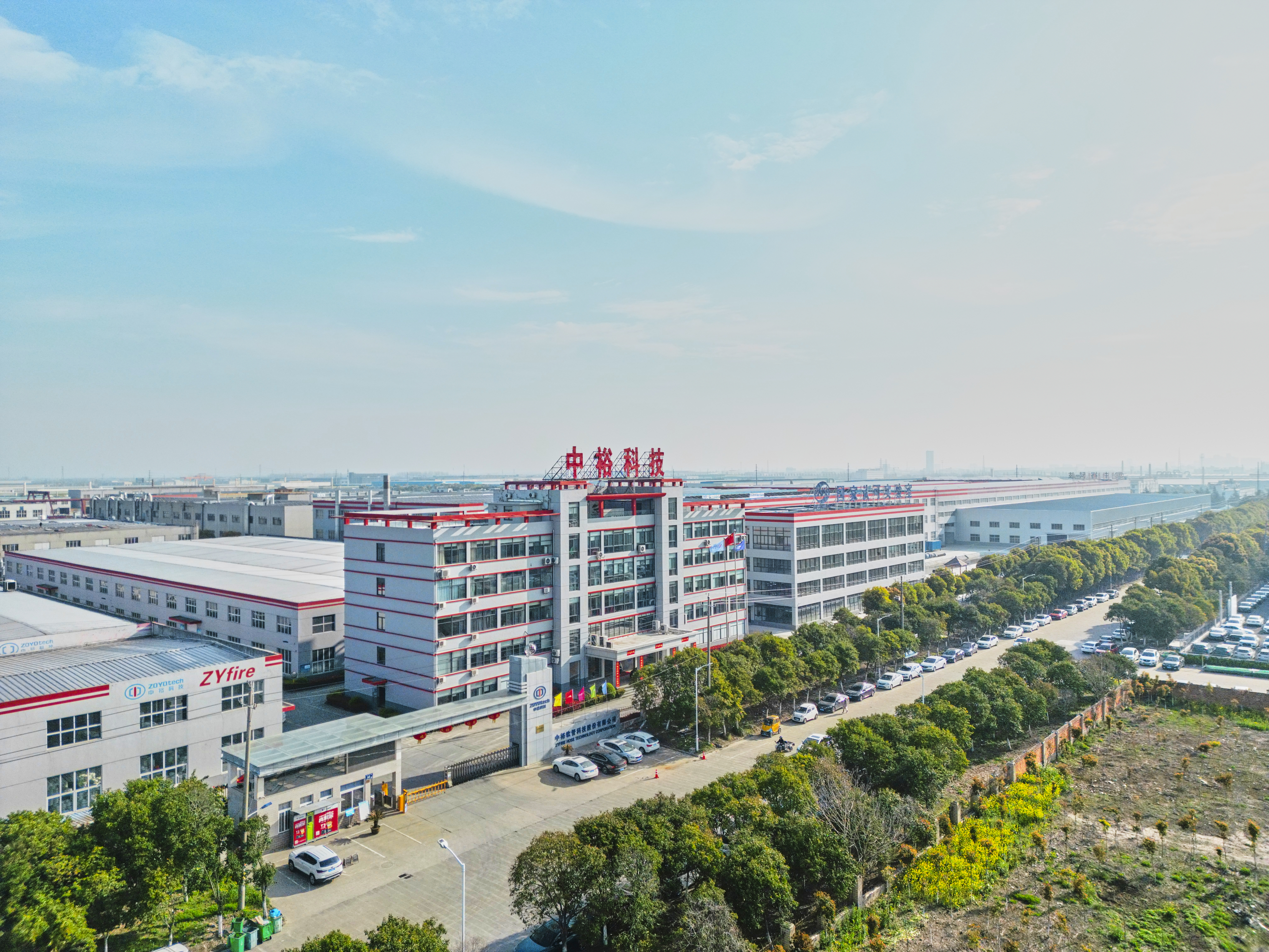
The oil and gas industry accounts for 71.2% of global RTP demand as operators shift toward corrosion-free alternatives to steel. However, standard pipe dimensions and pressure ratings rarely match the precise needs of each well site, slurry line, or offshore riser. ZYfire Hose Corporation, a Beijing Stock Exchange-listed manufacturer founded in 2000, addresses this gap with OEM and ODM production services that tailor every aspect of the reinforced thermoplastic pipe (RTP) to the end‑user’s operational constraints.
Industrial Customisation: Beyond Off‑the‑Shelf RTP
ZYfire’s core capability lies in adjusting size, diameter, working pressure, weight, length, and bending radius. Clients choose from a range of reinforcement materials — polyester filament, aramid fibre tape, glass fibre tape, or steel wire tape — and inner/outer liners such as HDPE or PE‑RT. The result is a pipe that exactly fits a given bore, pressure class, and installation geometry. For operators moving abrasive slurries in mining or handling sour crude in oilfields, such precision translates directly into longer service life and fewer unplanned shutdowns.
Engineering Backed by a Certified Process
Every pipe ZYfire ships meets API Specification 15S (certificate 15S‑0025, valid through February 2027). The plant performs 100% testing on all products, verifying burst pressure, leak tightness, and dimensional compliance. On‑site service and after‑sales consultation are part of the standard package, which is especially valuable for remote projects where downtime is costly.
A typical custom build may start from a 50‑metre minimum order and, at a monthly capacity of 100 000 metres, can scale rapidly. Lead times average 30 days, and delivery terms include EXW, FOB, and CIF.
Real‑World Deployment: 120 000 Metres Across 12 Countries
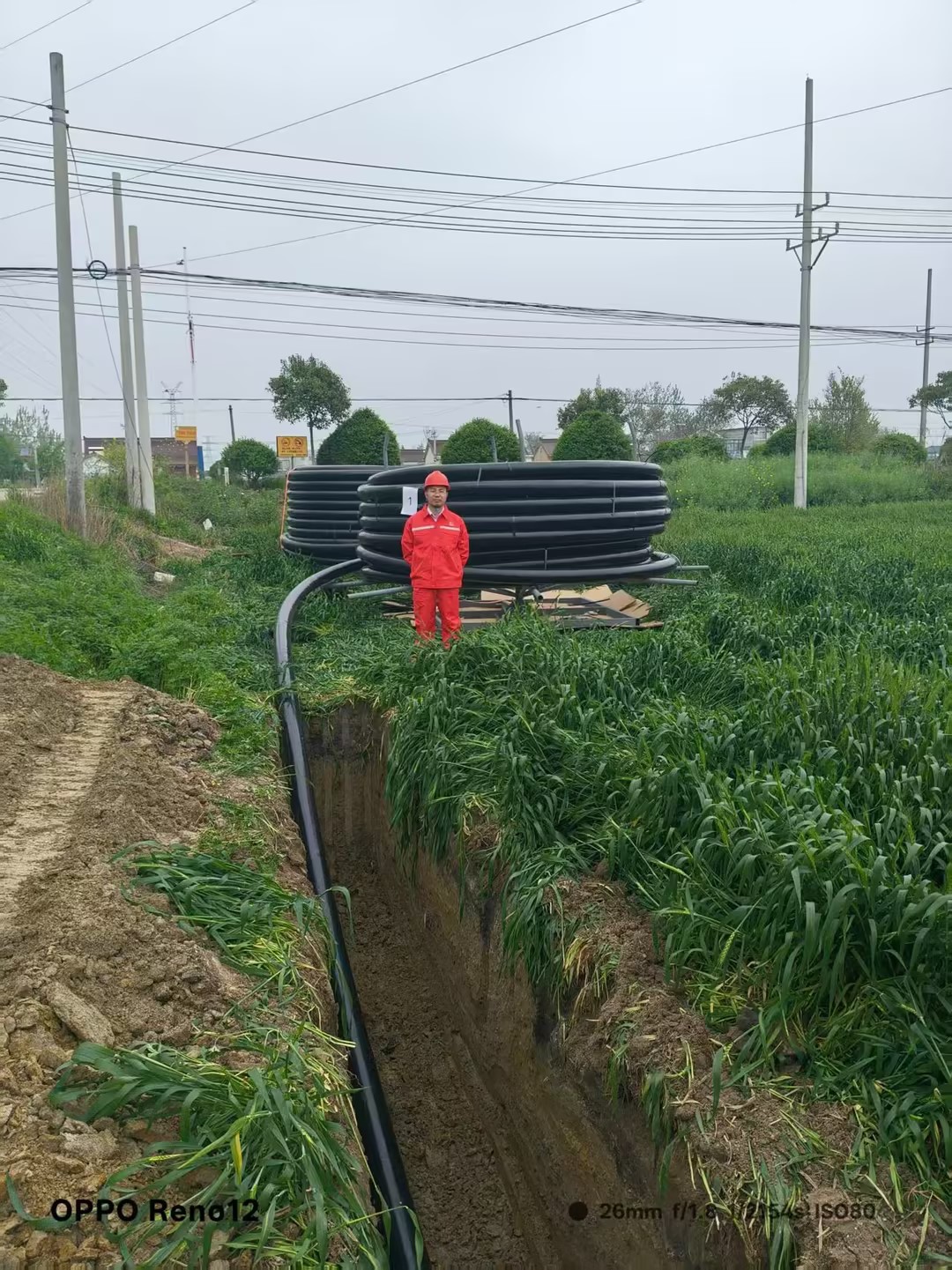
One long‑running project supplied 120 000 metres of RTP for fluid transmission across the UAE, Argentina, Australia, Bahrain, China, Iran, Jordan, South Korea, Libya, Oman, Saudi Arabia, and the USA. Over five years of continuous high‑pressure operation, the system recorded no leakage and maintenance costs remained below traditional steel benchmarks. Operators attributed the stability to the pipe’s corrosion resistance and the ease of installation provided by spoolable lengths and quick‑connect terminations.
Market Trends and Why Customisation Matters Now
The global RTP market, estimated at USD 7.2 billion in 2024, is projected to reach USD 10.2 billion by 2030, with Asia Pacific as the fastest‑growing region. Meanwhile, the mining segment is increasingly adopting RTP for slurry transfer because of its abrasion resistance and light weight. However, a one‑size‑fits‑all product cannot address the spectrum of operating pressures, chemical exposures, and installation constraints found across these fields. ZYfire’s OEM/ODM model — already proven in Middle East, USA, and Southeast Asian markets — allows buyers to specify exactly the pipe that fits their environment.
Comparison with Traditional Steel Pipe
Steel remains standard for high‑temperature steam lines and extreme‑depth wells. RTP, by contrast, offers corrosion resistance without coatings or cathodic protection, spoolability that reduces field joints, and a lower weight that cuts logistics cost. An honest limitation is that the maximum service temperature of HDPE‑based RTP (typically up to 60 °C continuous, higher with PE‑RT) is below that of steel, so it is not a universal replacement. For the large majority of oil‑field and mining fluid transfer — water, crude, brine, slurries — the trade‑off strongly favours RTP.
Future Outlook: Tailored RTP as a Procurement Standard
As project owners demand lifecycle cost transparency, the ability to customize RTP to exact pressure, diameter, and material specifications will become a baseline expectation rather than a premium service. Manufacturers like ZYfire that already offer 100% testing, rapid lead times, and global after‑sales support are positioned to define this new standard.
Frequently Asked Questions
What customization options are available for ZYfire RTP?
What certifications does the RTP hold?
What is the minimum order quantity (MOQ) for custom RTP?
How is product quality ensured before shipment?
Which markets does ZYfire export to?
Download ZYfire RTP Brochure (PDF) for detailed specification tables and case studies.
Have Questions or Need More Details?
Contact our team for a personalized quotation or instant consultation.
Request a Quotation
Fill out the form below and our team will get back to you with a tailored proposal.
WhatsApp Direct Chat
Prefer to chat in real-time? Message us on WhatsApp for instant assistance & quick answers.
- Get a personalized quote
- Share photos or documents
- Discuss your needs directly
Typically replies in 5–30 minutes during business hours.