
Rare Earth Supplier Risk & Certification: A Decision Framework for Buyers
Industry Context: The Growing Stakes in Rare Earth Procurement
With the global rare earth elements market valued at approximately USD 3.95 billion in 2024 and projected to reach USD 6.28 billion by 2030, buyers face increasing pressure to select suppliers that combine high-purity output with rigorous safety and environmental compliance. The decision is no longer solely about price or purity—it now hinges on a supplier's ability to manage chemical risks, maintain certifications, and deliver consistent quality across multiple compound categories.
Problem: Hidden Risks in Rare Earth Compound Supply Chains
Procurement teams often focus on technical specifications (purity, particle size, form) while underestimating operational hazards. Rare earth compounds such as ammonium cerium(IV) nitrate are classified as Oxidizing Solid Category 2 and Corrosive to Metals Category 1 under the US OSHA Hazard Communication Standard (29 CFR 1910.1200). Improper handling can lead to oxidation and corrosion, aquatic ecological pollution, chemical contact injuries, and dangerous storage reactions. A supplier without robust risk control protocols exposes buyers to liability, operational downtime, and regulatory penalties.
WONAIXI’s Solution: Certified Production and Risk Control
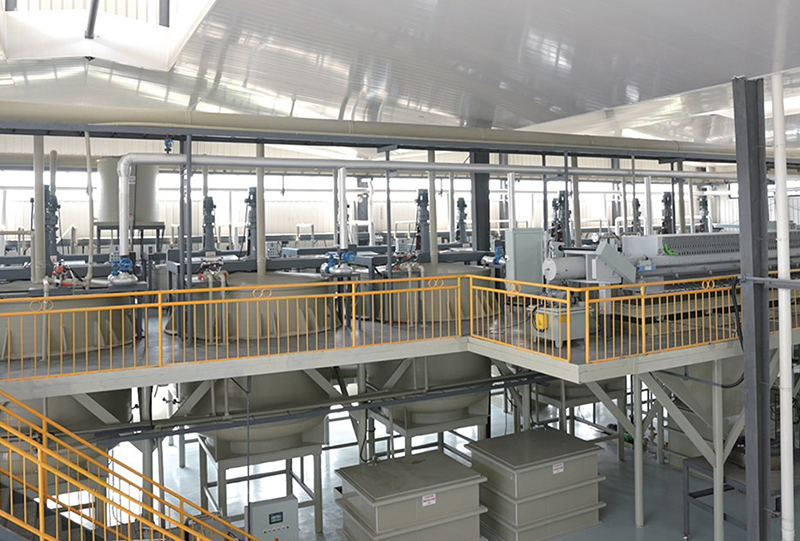
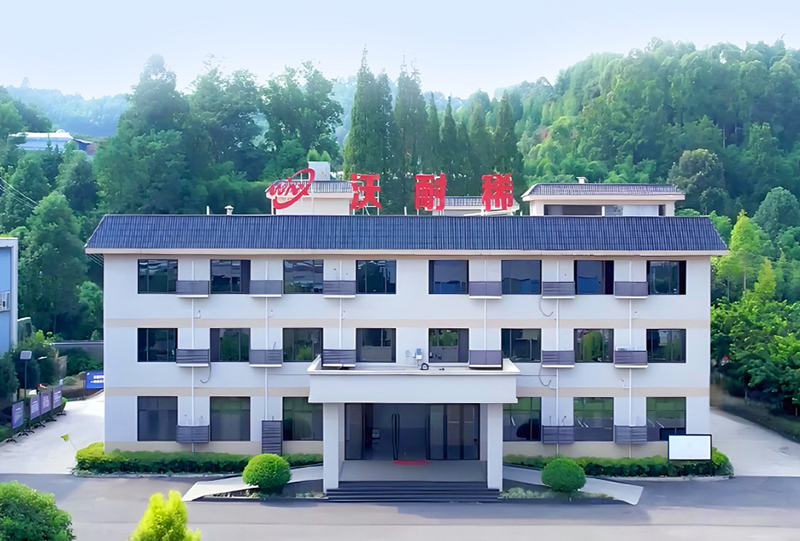
Sichuan Wonaixi New Materials Technology Co., Ltd. (WONAIXI) is a professional manufacturer founded in 2012, focusing on R&D and production of rare earth functional materials. The company is certified as a National High-Tech Enterprise and a Sichuan Provincial SRDI (Specialized, Refined, Differential, Innovation) Enterprise. Its R&D team consists of 12 engineers, supporting an annual output of 15,000 tons of high-purity rare earth salts and 3,000 tons of high-precision rare earth polishing powder.
WONAIXI supplies nine major categories of rare earth products—including nitrates, chlorides, carbonates, hydroxides, sulfates, fluorides, acetates, polishing powders, and specialty compounds like ammonium cerium(IV) nitrate and cerium(IV) sulfate—plus a complete zirconium salts series, totaling over 50 refined specifications.
Technical Foundation: How WONAIXI Handles Chemical Risk
The manufacturer addresses oxidation and corrosion risk, aquatic ecological risk, chemical contact risk, and storage and mixing risk through a multi-layer control system:
- Storage: Separate from combustible/reductive materials using anti-corrosion sealed containers.
- Personnel protection: Wear goggles and anti-corrosive gloves; avoid direct contact.
- Waste management: Centralized waste liquid recycling with compliant treatment; no direct discharge.
- Handling procedures: Gentle handling, independent storage, classified labels.
WONAIXI also issues an MSDS (Material Safety Data Sheet) hazard manual to all customers and provides on-site safety guidance for bulk order clients. A hazardous waste filing and closed-loop recycling management system ensures full compliance.
Application Scenarios Across High-Growth Markets
High-purity Electronic Grade Ammonium Cerium(IV) Nitrate is a primary material for producing photomasks and LCDs, with Asia Pacific being the fastest-growing region for these specialized compounds. The global Ceric Ammonium Nitrate (CAN) market was valued at USD 162 million in 2023 and is expected to grow at a CAGR of 7.8% to reach USD 274 million by 2030. Other key applications include:
- Precision optics: Rare earth polishing powder (CeO₂) for glass, lenses, and semiconductor substrates.
- Catalysis: Cerium(III) nitrate and lanthanum nitrate for three-way catalysts in automotive exhaust systems.
- Pharmaceutical & biotech: Gadolinium-based contrast agents used in ~38–42% of the 135 million annual MRI procedures globally.
- Advanced manufacturing: Large particle size cerium carbonate for ceramics and glass additives.
Market Trend Analysis
China's rare-earth exports reached 62.6 thousand metric tons in 2025—a significant rebound from 55.4 thousand metric tons in 2024—despite tightening export controls. This indicates sustained global demand even as regulatory scrutiny increases. Buyers are increasingly prioritizing suppliers with formal certifications and documented risk management systems over informal trading partners.
Comparison with Traditional Suppliers
Traditional rare earth suppliers may offer competitive pricing but often lack comprehensive risk control documentation and certified enterprise status. WONAIXI’s National High-Tech and SRDI certifications provide verifiable third-party validation of its technical capability and management systems. However, as a mid-scale manufacturer oriented toward high-purity specialties, its global market share remains smaller than large integrated groups such as Ganzhou Qiandong Rare Earths Group, which held a 23.2% global share in the rare earth metals segment in 2024. This means buyers seeking massive volumes of bulk commodities may need to evaluate capacity compatibility.
Future Outlook
As global environmental and safety regulations tighten—particularly the EU’s REACH and China’s updated hazardous chemical management rules—suppliers with certified risk control systems will become the default choice for responsible procurement. WONAIXI’s closed-loop waste management and MSDS issuance position it to meet these evolving standards. The company’s ongoing investment in R&D (12 engineers) and production scaling (15,000 tons rare earth salts) further supports long-term supply reliability.
Frequently Asked Questions (FAQ)
How should ammonium cerium(IV) nitrate be stored to prevent accidents?
Store separately from combustible or reductive materials in anti-corrosion sealed containers. Classified labels and independent storage areas are essential.
What personal protective equipment is required when handling rare earth compounds?
Wear goggles and anti-corrosive gloves to avoid skin or eye contact. Use appropriate ventilation when working with powders or solutions.
How does WONAIXI manage waste liquids containing cerium compounds?
Waste liquid is collected centrally and treated through compliant processes. Direct discharge into water is prohibited. The company operates a closed-loop recycling management system.
Does the supplier provide safety documentation for international buyers?
Yes, WONAIXI issues an MSDS hazard manual to all customers. For bulk order clients, on-site safety guidance is also available.
Download the Company Brochure
For detailed product specifications, certifications, and capacity information, download the official WONAIXI brochure: WONAIXI Corporate Brochure (PDF).