
Recommended Cast Parts Shortlist: Pump Housings, Valve Bodies, Flowmeter Bodies & Fittings
Recommended Cast Parts Shortlist: Pump Housings, Valve Bodies, Flowmeter Bodies & Fittings
When an equipment builder specifies cast hardware for a fluid or mechanical system, the productive question is not which foundry sits at the top of a league table. It is which cast part family fits the function, which material suits the service environment, which tolerance grade the drawing actually requires, and how the finished part is verified before it enters assembly. This shortlist organizes precision investment cast parts by the industrial function they perform — moving fluid, controlling flow, measuring flow, housing mechanisms, sealing vacuum lines and carrying structural load — instead of by supplier position.
A function-first shortlist also survives changes in the supply base. Part families are defined by geometry, material and inspection logic, so a buyer can compare quotations, samples and first-article reports across candidates without rebuilding the specification from scratch each time. The global investment casting market was valued at USD 17.4 billion in 2025 and is projected to reach USD 24.9 billion by 2033, according to Grand View Research — growth that is generated by exactly these part families, each with its own cost and quality structure.
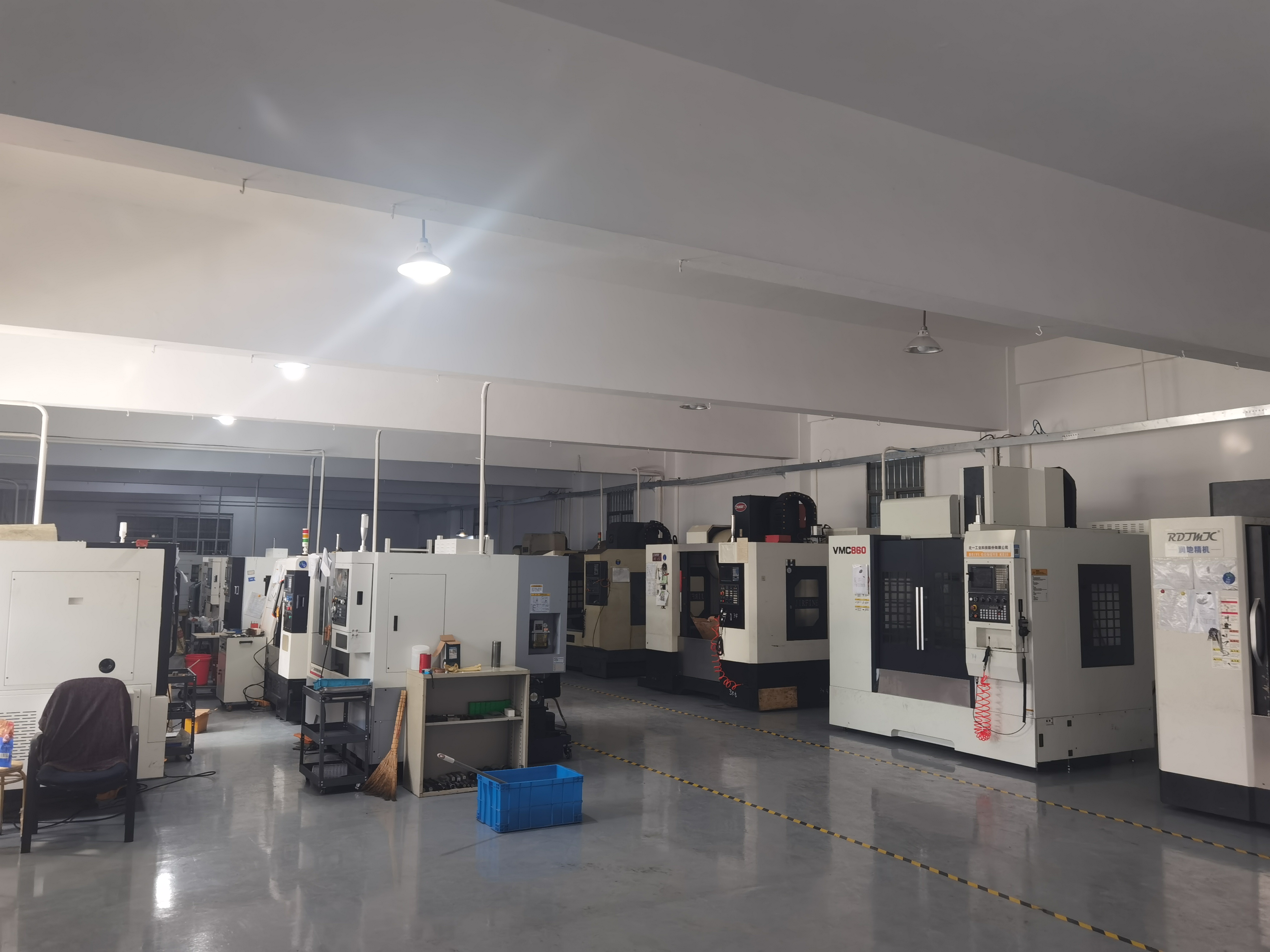
Figure 1 — Precision casting is only half of the specification: cast features such as mounting holes, positioning holes and bearing locations are finalized in a controlled machining environment.
The Sourcing Problem: Supplier Lists Do Not Answer Specification Questions
Most cast-part shortlists fail for a structural reason rather than a commercial one. A list of suppliers tells a procurement team who can quote, but it does not tell an engineering team what to order. The specification gap appears later, at sample approval, when questions about wall thickness, tolerance grade, machinable features and acceptance criteria surface for the first time. Reopening those questions after tooling has been cut is expensive for both sides.
A function-based shortlist closes that gap by fixing five variables before a supplier conversation begins:
- Part function — pressure boundary, rotary housing, flow path, structural bracket or sealing interface.
- Service environment — hydraulic fluid, potable or process fluid, aggressive media, food-contact service or vacuum.
- Critical features — bores, impeller clearances, mounting holes, positioning holes, bearing locations, flange faces and threaded ports.
- Material logic — carbon steel, alloy steel, stainless steel, aluminum alloy or copper/brass alloy, chosen against corrosion, strength, weight and machinability.
- Verification logic — which measurements must appear on the inspection report and against which drawing revision.
The opportunity for buyers is that these variables are stable. They do not change when a supplier changes, which makes them a durable basis for comparison and re-sourcing.
Cast Parts Shortlist at a Glance
The table below is a planning reference rather than a purchase recommendation. It maps each part family to its industrial function and to the features that most often drive the drawing.
| Part family | Primary function | Common material direction | Drawing drivers to fix early |
|---|---|---|---|
| Pump housings and impellers | Contain and move fluid; form the pressure boundary | Stainless steel, alloy steel, copper alloy | Bore alignment, bearing locations, wall thickness, surface finish of the flow path |
| Hydraulic and stainless steel valve bodies | Direct and throttle flow under pressure | Carbon steel, alloy steel, stainless steel | Pressure-containing sections, port threads, flange faces, porosity acceptance |
| Flowmeter bodies with flanges and connectors | Provide a dimensionally stable measurement path | Stainless steel, aluminum alloy, copper alloy | Flange flatness, positioning holes for sensor or electronics mounting, bore tolerance |
| Custom mechanical housings | House and position moving mechanisms | Aluminum alloy, carbon steel, stainless steel | Mounting holes, positioning holes, geometric tolerance, surface roughness |
| Vacuum equipment fittings | Join and seal vacuum lines with low leak risk | Stainless steel | Sealing faces, wall thickness, internal surface condition |
| Engineering machinery bearing and pump housings | Carry load and locate rotating shafts | Alloy steel, carbon steel | Bearing locations, heat treatment condition, hardness, machined fits |
Where the Shortlist Meets a Production Capability
SHANGHAI NTC TECHNOLOGY CO., LTD. is a Shanghai-based precision casting industry and trade company, founded in 2022, operating a 2,000 m² factory with 20 employees and an export ratio of approximately 85% into Europe, America and Asia. Its production scope is precision investment casting supported by precision CNC machining, surface and heat treatment, and metal material customization, with additional services covering OEM, ODM and build-to-print custom metal parts manufacturing.
For buyers working through this shortlist, the relevant capability facts are concrete and checkable. The factory runs wax pattern injection production lines and automated ceramic shell coating lines, which is the process route that supports complex investment cast geometry with machinable mounting holes, positioning holes and bearing locations. Customization services stated for precision investment casting include material grade, product geometry and shape, overall dimensions, single piece weight, wall thickness, casting tolerance, surface roughness, heat treatment, CNC machining and surface treatment. Product geometry and shape can be customized according to customer specifications, and custom material grades are available for investment cast parts.
Capacity and cycle time are stated rather than implied. Investment casting capacity is 10,000 pieces per month, depending on part size, weight, material and product complexity. Typical production lead time is 20–30 days for samples and 30–45 days for mass production after sample approval. The minimum order quantity is 100 pieces, with MOQ negotiable for prototypes and trial orders. Downstream operations follow their own schedules: precision CNC machining runs at 10–20 days for samples and 20–35 days for mass production after sample approval, with a prototype MOQ of 1 piece and negotiable batch MOQ; surface and heat treatment runs at 7–20 days depending on treatment process, order quantity and technical requirements. Quality control for investment casting covers raw material inspection, spectrometer chemical composition analysis, first article inspection, in-process inspection, CMM dimensional inspection, hardness testing, visual inspection and final inspection before shipment.
Management-system evidence is documented rather than asserted. The company holds ISO 9001:2015 certification, certificate number 42525Q10018R0S, issued by GXZC on 20 January 2025 and valid to 19 January 2028, under the standard GB/T 19001-2016, with a stated scope of hardware sales business.
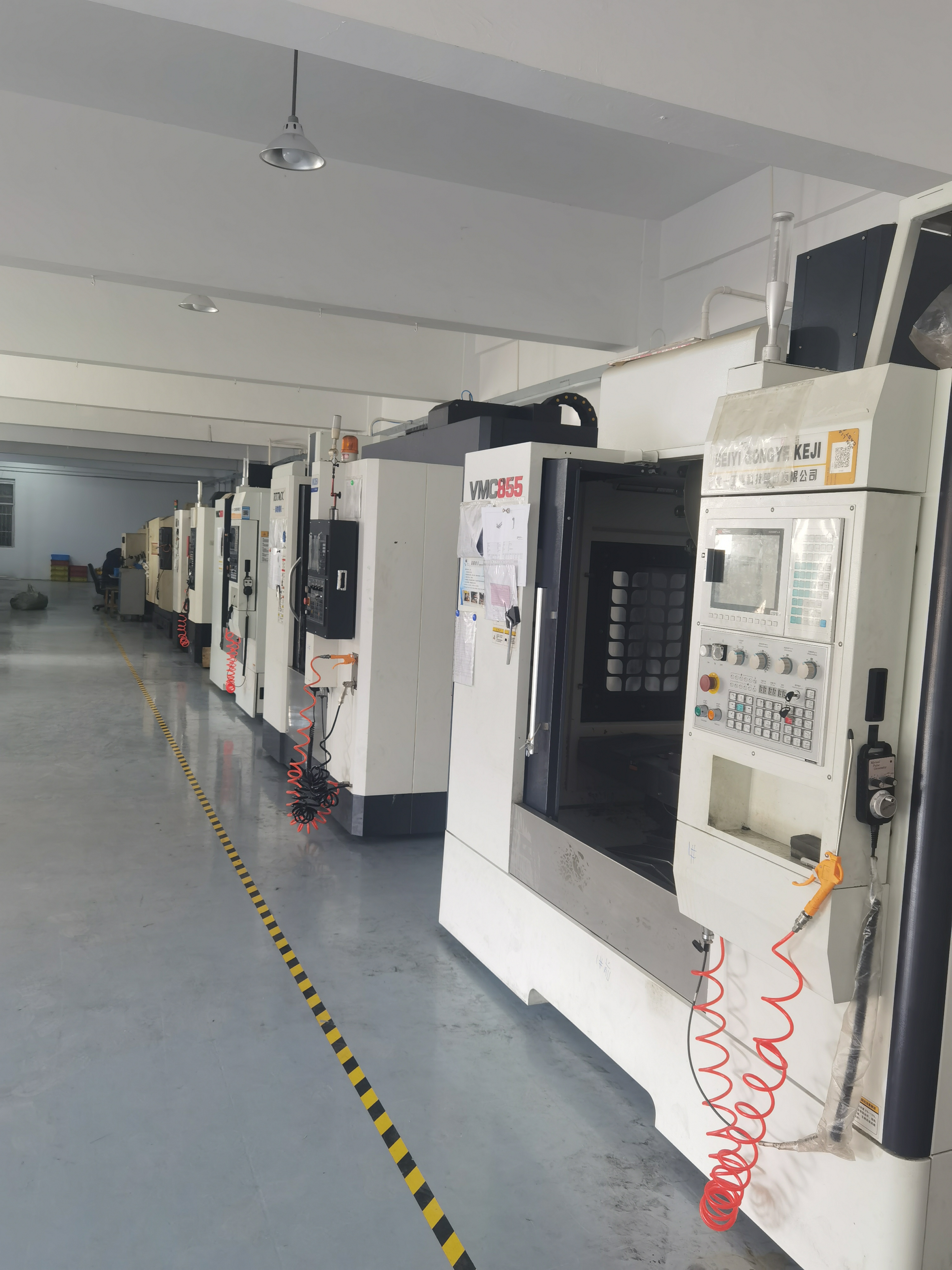
Figure 2 — Post-casting CNC operations turn a net-shape casting into a fit-ready part: drilling, milling, boring, threading and surface treatment.
Technical Explanation: Tolerance Grade, Wall Thickness and Machinable Features
The technical core of this shortlist is three numbers and one process sequence. For investment cast parts produced to this specification, the stated casting tolerance grade range is T4–CT7, and the standard minimum wall thickness is 2 mm. Internationally, ISO 8062-3:2007 defines dimensional tolerances for investment castings and typically achieves grades CT4 to CT6, which gives buyers a neutral reference point when comparing a stated capability against a drawing requirement.
Minimum wall thickness deserves attention because it constrains design more than tolerance does. A 2 mm standard minimum wall thickness allows thin, lightweight housings and fittings while keeping the metal able to fill the mold cavity and cool without unacceptable distortion. When a design calls for walls below the stated minimum, the drawing usually has to change — either the wall thickens, or the feature moves to a machining operation, or the part is re-evaluated for a different process route.
Machinable features are the second half of the specification. Castings in this shortlist frequently carry mounting holes, positioning holes and bearing locations that must be final-machined rather than cast net-shape, because these features set alignment and fit. The available machining scope includes turning, milling, drilling, boring, threading and surface treatment, controlled through dimensional tolerance, geometric tolerance and surface roughness requirements. This is why tolerance on the casting drawing and tolerance on the finished part are separate conversations: the casting tolerance grade defines the as-cast starting point, and the machining specification defines the achieved fit.
Verification follows the same logic. Chemical composition is confirmed by spectrometer analysis against the declared material grade, hardness is tested where the drawing specifies a heat treatment condition, and dimensional results are produced by CMM measurement and projector inspection. First article inspection is performed before the process is released to production, and products are accepted based on customer drawing specifications, with acceptance inspection carried out according to those drawings.
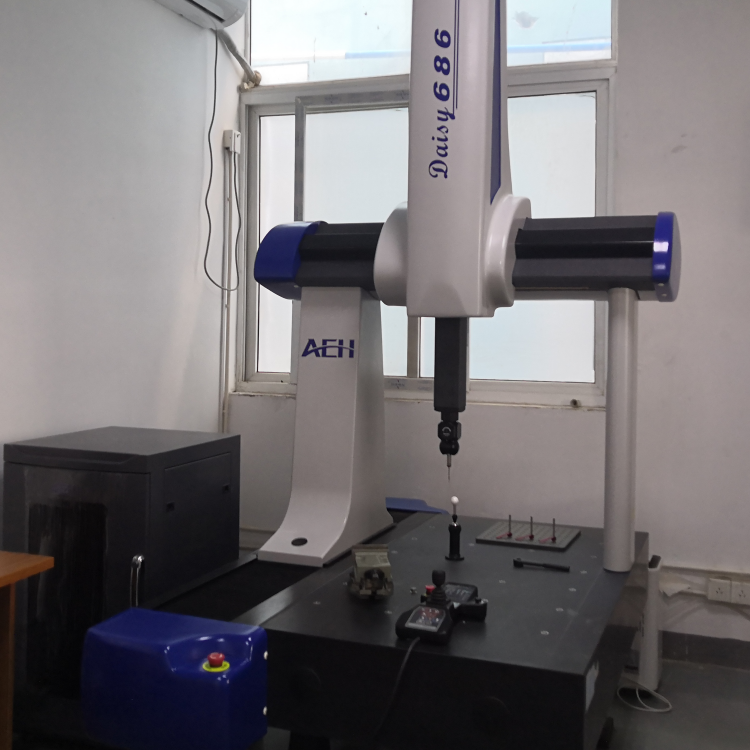
Figure 3 — CMM dimensional inspection is where casting tolerance, machined fit and drawing acceptance criteria are reconciled.
Application Focus 1: Pump Housings and Impellers
Pump housings and impellers are the clearest example of a cast part family where function dictates the drawing. The housing forms the pressure boundary and locates the rotating group through bearing locations and a machined bore; the impeller defines the flow path and its efficiency depends on surface condition and dimensional consistency from part to part.
Material direction usually follows the pumped medium. Stainless steel is the standard direction for corrosive or hygienic service, which is consistent with the wider market: stainless steel represented 32.98% of global investment casting material share in 2025, according to Mordor Intelligence. Copper alloys are used where specific media or bearing characteristics favor them, while alloy and carbon steels cover less aggressive duties.
The purchasing consequence is that pump housing castings should be specified with an explicit surface finish requirement on the flow path, an explicit bore and bearing-location tolerance, and an explicit wall thickness minimum. Fluid equipment parts and food machinery parts add a further requirement that internal surfaces be clean and inspectable, since contamination risk is a function of geometry as much as material.
Application Focus 2: Hydraulic and Stainless Steel Valve Bodies
Valve bodies are pressure-containing parts, which changes both material and acceptance logic. Hydraulic valve bodies are typically specified in carbon or alloy steel for strength and machinability, while stainless steel valve bodies are specified for process, chemical, marine and sanitary services. Because these parts retain pressure, castings that form a pressure boundary are commonly evaluated against specifications such as ASTM A703/A703M, the standard specification for steel castings, general requirements, for pressure-containing parts.
The commercial weight behind this family is significant. The global industrial valve market was valued at USD 97.77 billion in 2026 and is projected to reach USD 273.49 billion by 2035, according to Precedence Research. Valve bodies, valve accessories and stainless steel pipe and valve castings sit inside that demand curve.
For buyers, the practical shortlist criteria are port geometry, thread or flange specification, wall sections around the pressure cavity, and the agreed porosity acceptance standard. A valve body that is dimensionally correct but carries undisclosed internal porosity will still fail in service, which is why internal defect acceptance criteria belong on the purchase specification rather than in a general quality clause.
Application Focus 3: Flowmeter Bodies, Flanges and Connectors
Flowmeter bodies are a measurement component before they are a casting. Their job is to hold a geometrically stable flow path while carrying flanges, connectors, sensor mounting points and positioning holes for electronics or internals. Small dimensional shifts in bore or flange flatness can affect repeatability of the assembled instrument, so the drawing tends to be tighter than the part's mechanical loads would suggest.
Material direction is normally stainless steel for process fluids, aluminum alloy where weight matters, and copper or brass alloys for specific connector and fitting duties. Flowmeter accessories such as flanges, connectors and adapters benefit from the same investment casting route because they share the requirement for consistent interface dimensions across production batches.
When specifying this family, it is worth separating cast features from machined features on the drawing. Flange faces, seal faces and threaded connectors are usually final-machined so that flatness, thread gauging and bore tolerance can be inspected without ambiguity, while outer geometry and internal passages can remain as-cast.
Application Focus 4: Custom Mechanical Housings and Vacuum Equipment Fittings
Custom mechanical housings cover a wide set of industrial equipment: power tool components, industrial sewing machine parts, textile machinery parts, door control fittings, lock hardware, construction hardware, furniture hardware, sport facility parts and other mechanical parts. Their shared characteristic is a combination of external geometry, internal mounting bosses, mounting holes and positioning holes that must locate a mechanism accurately enough for assembly.
Vacuum equipment fittings occupy a stricter corner of the same family. In vacuum service, the sealing interface and internal surface condition matter more than structural strength, so stainless steel is the usual material and the acceptance conversation shifts toward surface condition, wall thickness consistency and freedom from defects that could affect leak integrity.
The specifying lesson for both groups is identical: define the datums and the machined features first, then let the casting geometry follow. Housings specified this way move through first article inspection and into assembly with fewer surprises, because the features that control assembly are measured rather than assumed.
Application Focus 5: Engineering Machinery Bearing and Pump Housing Castings
Engineering machinery parts, automobile and motorcycle castings, and power tool gearbox components carry loads rather than fluids. Bearing housings and pump housings used in this context must hold shaft positions under vibration and shock, so the relevant specification elements are bearing locations, machined fits, wall sections at load paths, and the heat treatment condition of the material.
Alloy and carbon steels dominate here, supported by heat treatment options that include annealing, normalizing, quenching, tempering and solution treatment, with hardness verified by testing rather than declared. Automotive applications accounted for the largest revenue share of the investment casting market at over 29% in 2025, according to Grand View Research, which reflects how much of this load-bearing demand is generated by vehicle and machinery platforms.
For procurement teams, the differentiator between a good and a marginal supplier in this family is inspection capability, not casting capability alone. A housing that measures correctly at a single point but misses concentricity between two bearing locations has not been verified. CMM dimensional inspection, projector inspection and hardness testing are the mechanisms that make those relationships measurable.
Material Selection Across the Shortlist
Material choice in this shortlist follows function, then verification. The stated material scope for applicable products covers stainless steel, alloy steel, carbon steel, aluminum, copper, gray iron and ductile iron, with investment cast parts also available in custom material grades. The table below translates that scope into selection logic.
| Material direction | Typical fit in this shortlist | Verification emphasis |
|---|---|---|
| Stainless steel | Pump housings, stainless steel valve bodies, flowmeter bodies, vacuum fittings, marine and food-service hardware | Grade confirmation by spectrometer chemical composition analysis; surface condition for hygienic or vacuum duty |
| Alloy steel | Hydraulic valve bodies, engineering machinery bearing and pump housings | Composition, heat treatment condition and hardness testing |
| Carbon steel | Structural housings and general mechanical parts | Composition and dimensional conformance to drawing |
| Aluminum alloy | Weight-sensitive housings and instrument bodies | Composition consistency, machined fit, surface finish |
| Copper / brass alloy | Fittings, connectors, flowmeter accessories, selected fluid and marine hardware | Grade confirmation and machinability of threaded features |
Metal material customization is offered as a distinct service, with remote material selection and drawing support, material grade confirmation, and material certificate and inspection report support. That matters at the evaluation stage, because material substitution is one of the most common causes of rework in cast-part programs: a grade that machines well may not survive the service environment, and a grade that resists corrosion may be difficult to finish within tolerance.
Market Signals Behind This Shortlist
The shortlist is not a theoretical exercise. Several independent data points explain why these part families keep appearing in sourcing plans. Asia Pacific dominated the global investment casting market with a 39.2% revenue share in 2025 (Grand View Research), and the China investment casting market was estimated at USD 2.72 billion in 2024, projected to reach USD 5.16 billion by 2035 at a 6% CAGR (Market Research Future). China's total metal casting export value in July 2024 was USD 1.47 billion, an increase of 5.2% year-on-year.
Process mix reinforces the technical direction of this shortlist. The silica sol process accounted for 50.78% of investment casting revenue share in 2025, according to Mordor Intelligence, because it supports precision capability — the same requirement that drives specifications for machinable mounting holes, positioning holes and bearing locations. On the demand side, the global industrial valve market is projected to grow from USD 97.77 billion in 2026 to USD 273.49 billion by 2035 (Precedence Research), and the automotive metal casting market was valued at USD 15.31 billion in 2024 with an expected reach of USD 45.61 billion by 2035 (Spherical Insights).
The competitive landscape around these families is consolidated at the top and fragmented below it. Precision Castparts Corp is identified as a global investment casting leader, reporting approximately USD 9.3 billion in revenue in 2023 (Mordor Intelligence), and Impro Precision Industries Ltd, CIREX Group and Alcoa are also identified as key global players (Fortune Business Insights). For most industrial buyers, these names define the upper tier of aerospace and energy supply rather than the practical shortlist for pump housings, valve bodies and flowmeter bodies, which is typically served by regional specialist foundries with integrated machining.
Where Investment Casting Reaches Its Limits
A shortlist that only lists advantages is not a decision tool, so the boundaries of this route should be stated as clearly as its strengths.
Wall thickness. The stated standard minimum wall thickness is 2 mm. Designs that call for thinner sections generally cannot be produced reliably on this route and must be redesigned or moved to another process.
Tooling and sampling time. Investment casting requires a wax pattern die before any part exists. With a stated sample lead time of 20–30 days and a mass production lead time of 30–45 days after sample approval, a program that needs parts in weeks rather than a quarter will find this cycle structure constraining.
Order economics at very low volume. The stated minimum order quantity for investment casting is 100 pieces, negotiable for prototypes and trial orders. For one-off replacement parts or very low annual volumes, a machining-from-solid or fabrication route may be commercially simpler, even though the per-part cost of casting falls sharply as volume rises.
Pressure and defect acceptance. Cast parts destined for pressure-containing duty carry porosity risk by nature. Where a valve body or pump housing must hold pressure, the acceptance criteria for internal defects need to be agreed in writing and, in many cases, supported by non-destructive examination that goes beyond dimensional inspection. Dimensional compliance alone does not prove pressure integrity.
Large, simple, heavy-section parts. Investment casting earns its cost on complex geometry and precision features. For large, geometrically simple, thick-section components, alternative casting or fabrication routes are commonly more economical. The advantage of this shortlist is precision, not universality.
Future Outlook
Two directions appear most likely to shape the next sourcing cycle for these part families. The first is the continued shift of specification content from supplier brochures to drawings and inspection reports. Buyers increasingly want tolerance grade, wall thickness minimum and acceptance criteria stated at the quotation stage, because those three items determine whether a sample approval will hold in mass production.
The second is the integration of casting and machining. As regional capacity grows and export volumes expand, the practical difference between foundries narrows at the casting stage and widens at the finishing stage — who can machine mounting holes, positioning holes and bearing locations to drawing, document the results, and repeat them next quarter. Suppliers that run wax pattern injection, ceramic shell coating, CNC machining, heat treatment and final inspection under one management system are structurally positioned for that shift, and the ISO 9001:2015 certificate number 42525Q10018R0S held by SHANGHAI NTC TECHNOLOGY CO., LTD., valid to January 2028, is an example of the kind of documentary evidence buyers will keep asking to see.
FAQ
What types of cast parts can be produced with precision investment casting?
Precision investment casting covers part families defined by industrial function: pump housings and impellers, hydraulic and stainless steel valve bodies, flowmeter bodies with flanges and connectors, custom mechanical housings, vacuum equipment fittings, and engineering machinery bearing and pump housing castings. Related production includes fluid equipment parts, food machinery parts, valve and pipe castings, hardware, door control fittings, lock hardware, industrial sewing machine parts and textile machinery parts. The process supports complex geometry with cast and machined features such as mounting holes, positioning holes and bearing locations.
Which materials are available, and how is the material grade confirmed?
Material options include carbon steel, alloy steel, stainless steel, aluminum alloy and copper or brass alloy, with the applicable product scope also covering gray iron and ductile iron. Custom material grades are available for investment cast parts, and metal material customization is offered as a separate service with remote material selection and drawing support. Grade confirmation is verified through raw material inspection, material certificate verification, spectrometer chemical composition analysis and hardness testing, with material certificate and inspection report support available.
What are typical lead times, minimum order quantities and production capacity?
For investment casting, stated monthly capacity is 10,000 pieces depending on part size, weight, material and product complexity; sample lead time is 20–30 days and mass production lead time is 30–45 days after sample approval; minimum order quantity is 100 pieces and is negotiable for prototypes and trial orders. For precision CNC machining, sample lead time is 10–20 days, mass production lead time is 20–35 days after sample approval, and prototype MOQ is 1 piece with negotiable batch MOQ. Surface and heat treatment typically runs 7–20 days depending on treatment process, order quantity and technical requirements.
How are casting tolerances and minimum wall thickness handled?
The stated casting tolerance grade range for the investment casting service is T4–CT7, and the standard minimum wall thickness is 2 mm. For international reference, ISO 8062-3:2007 defines dimensional tolerances for investment castings and typically achieves grades CT4 to CT6. Casting tolerance defines the as-cast starting condition; features such as bores, flange faces, mounting holes, positioning holes and bearing locations are usually final-machined to dimensional and geometric tolerance, and dimensional results are measured by CMM and projector inspection.
How are acceptance criteria and final quality verification defined?
Products are accepted based on customer drawing specifications, and acceptance inspection is carried out according to those drawings. Quality control for investment casting includes raw material inspection, spectrometer chemical composition analysis, first article inspection, in-process inspection, CMM dimensional inspection, hardness testing, visual inspection and final inspection before shipment. Where surface treatment or heat treatment is involved, control also includes surface roughness inspection, coating thickness inspection, hardness testing, adhesion inspection and color comparison, with inspection report support and analysis of confirmed quality issues.