
Redman vs. Alternatives: A Data-Driven Comparison for Retail Display Racks
The global retail shelving market, valued at USD 12.4 billion in 2025 and projected to reach USD 25.6 billion by 2034, is a competitive arena where display rack choice directly impacts brand presentation and operational costs. For retailers of sportswear and general merchandise, the decision often narrows to three sourcing routes: imported European/USA products, trading companies without factories, or traditional local manufacturers. Redman Corporation — a China-based custom POP display and store fixture manufacturer founded in 2002 — positions itself as a fourth option that combines the strengths of each while mitigating their weaknesses. This article provides a quantitative, side-by-side comparison to inform procurement decisions at the final evaluation stage.
The Decision Challenge: Three Common but Flawed Paths
Imported display products from Europe or the USA command premium pricing and long lead times. Trading companies offer lower initial quotes but lack production control, leading to quality and delivery uncertainty. Traditional local manufacturers typically have single-material capabilities and limited technical teams, making them unsuitable for multi-material, custom projects. Each path carries hidden risks: structural safety, material quality, surface treatment failures, compliance delays, and after-sales gaps.
Redman’s Solution: Full-Chain Ownership and One-Stop Custom Service
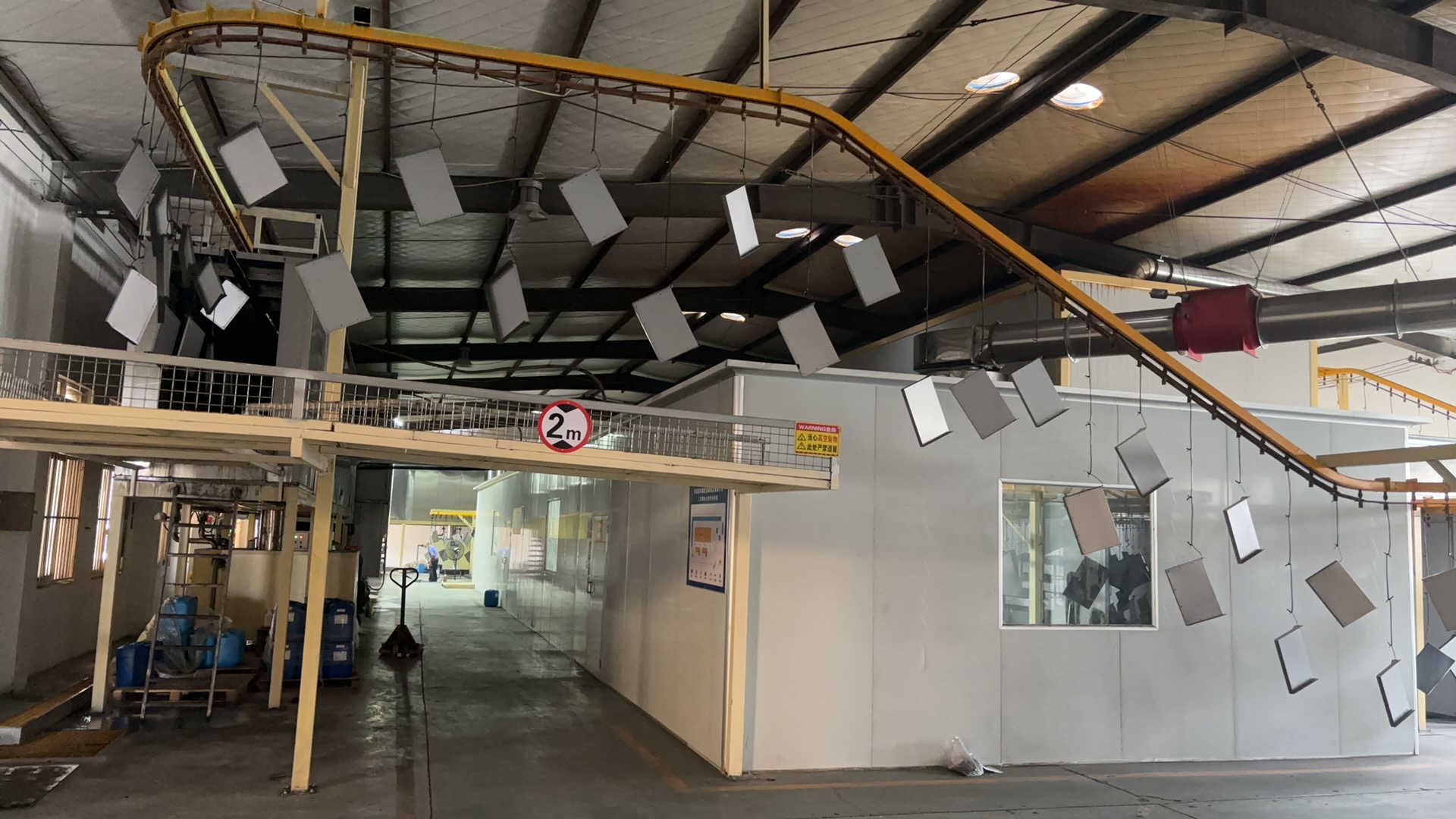
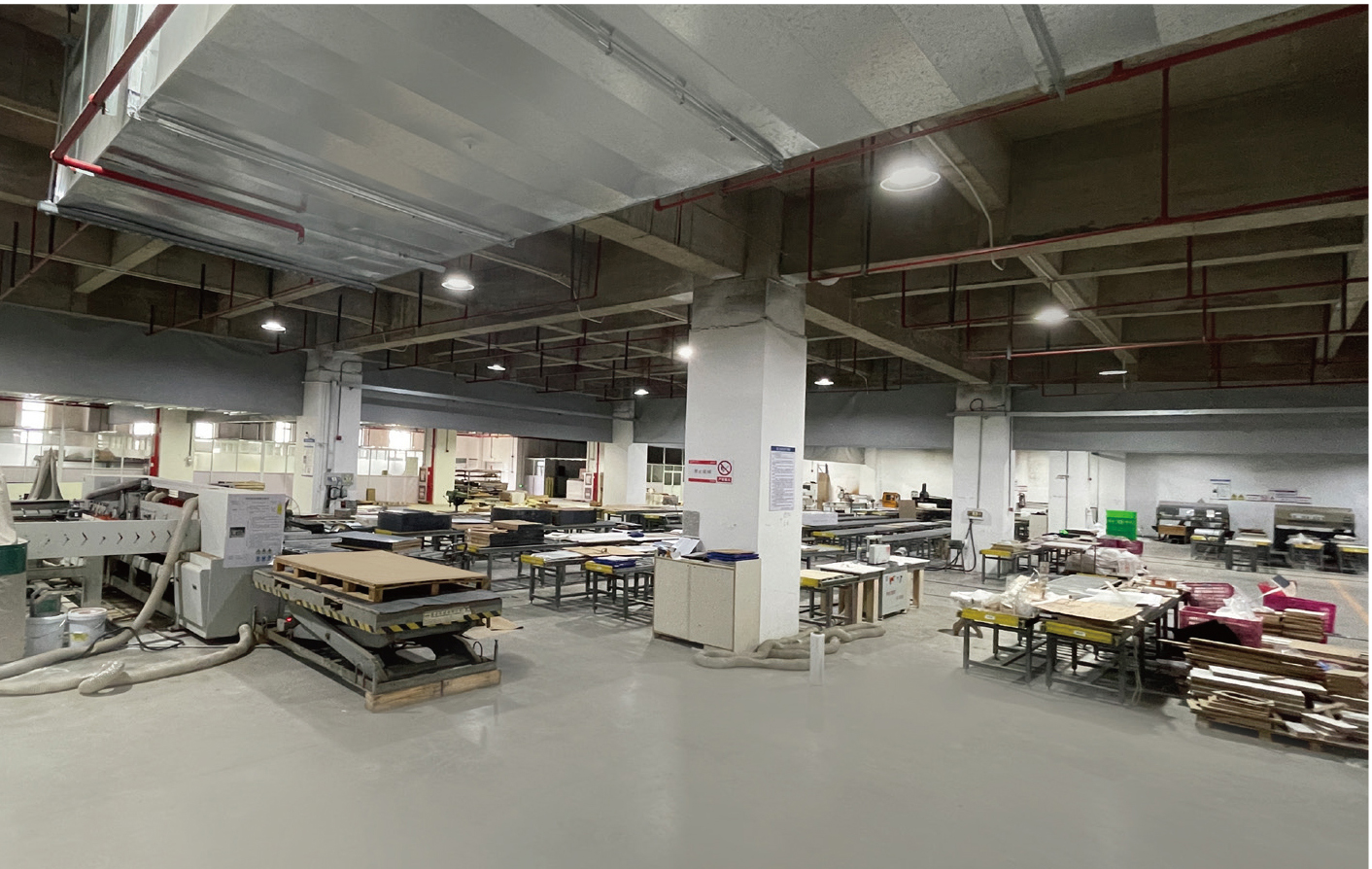
Redman Corporation operates a 550,000 sqft integrated factory employing over 350 people, including 50+ technical engineers and 7 project managers. Its in-house workshops cover metal fabrication, woodworking, plastic molding, printing, powder coating, and packaging — enabling end-to-end control over design, production, quality, and delivery. This full production chain ownership is the foundation for the measurable advantages detailed below.
Side-by-Side Comparison: Cost, Efficiency, Lifespan, and Support
The following table consolidates key performance indicators drawn from Redman’s verified operational data versus each alternative sourcing model.
| Metric | Redman vs. Imported (EU/USA) | Redman vs. Trading Company | Redman vs. Traditional Local Manufacturer |
|---|---|---|---|
| Product Cost | 50–60% lower | 15–20% lower (direct factory price) | 10–15% higher initially |
| Total Cost of Ownership (3-year) | 30–40% lower | Not quantified | 30–40% lower (one-stop service reduces communication costs) |
| On-Time Delivery Rate | Faster delivery via local production | 100% (own control) vs. unstable | Higher reliability due to full-chain oversight |
| Energy Efficiency (per unit) | 30–40% better (optimized processes) | 100% stable vs. 30–40% deviation | 20–25% lower unit energy consumption |
| Expected Lifespan | Comparable or longer | Not specified | 3–5 years vs. 1–2 years (reinforced structure) |
| After-Sales Problem Resolution | Within 48 hours vs. long cycles | Within 48 hours vs. no dedicated team | 90% fewer issues; resolved within 48 hours |
Application Scenarios: Where Each Option Excels
Redman’s custom display racks are designed for global brands and retailers that require multi-material construction (metal, wood, acrylic, LED), custom branding, and fast, reliable fulfillment across multiple regions. Typical use cases include sportswear store fixtures, floor-standing POP displays, countertop units for accessories, and modular systems for seasonal campaigns. The verified data shows that the sportswear retail segment captures 70.4% of the global sportswear market through physical stores — a channel that demands visually compelling, durable displays. Redman’s ability to combine materials (e.g., wood-metal combined racks with PVD finish) matches this demand directly.
Market Trend Alignment
Two industry trends reinforce Redman’s positioning. First, steel remains the dominant display rack material with a 48.6% market share (2024), aligning with Redman’s in-house metalworking capacity and reinforced structure design. Second, modular display systems experienced 34% year-over-year sales growth in 2024–2025, a category Redman serves through customizable, interchangeable components. The company’s 85%+ recyclable material usage rate also addresses growing environmental compliance requirements.
One Honest Limitation
Redman’s initial product cost is 10–15% higher than that of traditional local manufacturers with single-material capabilities. This premium reflects the integrated production chain, quality controls, and dedicated project management that reduce the total cost of ownership over three years. For buyers with very small, non-custom orders or extreme short-term budget constraints, a traditional manufacturer may appear cheaper upfront.
Future Outlook
As retail fixtures increasingly incorporate technology — LED screens, smart lighting, and interactive elements — Redman’s 50+ technical engineers and in-house printing/painting capabilities position it to integrate these features. The company’s annual output of 1,000+ containers and 95% export ratio suggest the scalability to serve large chains and multinational retailers. Continued investment in energy efficiency and material science is expected to further narrow the initial cost gap.
Frequently Asked Questions (Neutral Information)
Q: How does Redman's product cost compare to imported European/USA display racks?
A: Redman offers 50–60% lower product cost than imported European/USA display products, with 30–40% lower total cost of ownership over three years, achieved through optimized local production and one-stop service.
Q: What is the advantage of working with a manufacturer that owns its factory versus a trading company?
A: A factory-owning manufacturer like Redman achieves 100% on-time delivery, 15–20% lower cost by eliminating intermediaries, and 100% product energy efficiency consistency (vs. 30–40% deviation for trading companies). After-sales problems are resolved within 48 hours by a professional team.
Q: How does Redman’s product lifespan compare with that of traditional local manufacturers?
A: Redman’s display racks have an expected lifespan of 3–5 years, compared to 1–2 years for traditional local manufacturers, due to a reinforced structure design and superior material selection.
Q: What after-sales support does Redman provide?
A: Redman offers 7/24 online technical support, a dedicated project manager, and a commitment to resolve quality issues within 48 hours. This contrasts with the longer cycles and limited after-sales capacity of many alternatives.
For a detailed overview of product capabilities, specifications, and case studies, download the official corporate brochure:
Redman Corporation 2026 Catalog (PDF)
Have Questions or Need More Details?
Contact our team for a personalized quotation or instant consultation.
Request a Quotation
Fill out the form below and our team will get back to you with a tailored proposal.
WhatsApp Direct Chat
Prefer to chat in real-time? Message us on WhatsApp for instant assistance & quick answers.
- Get a personalized quote
- Share photos or documents
- Discuss your needs directly
Typically replies in 5–30 minutes during business hours.