
Reducing Procurement Risks in Carbon Fiber Composite Plastics: A Buyer’s Guide
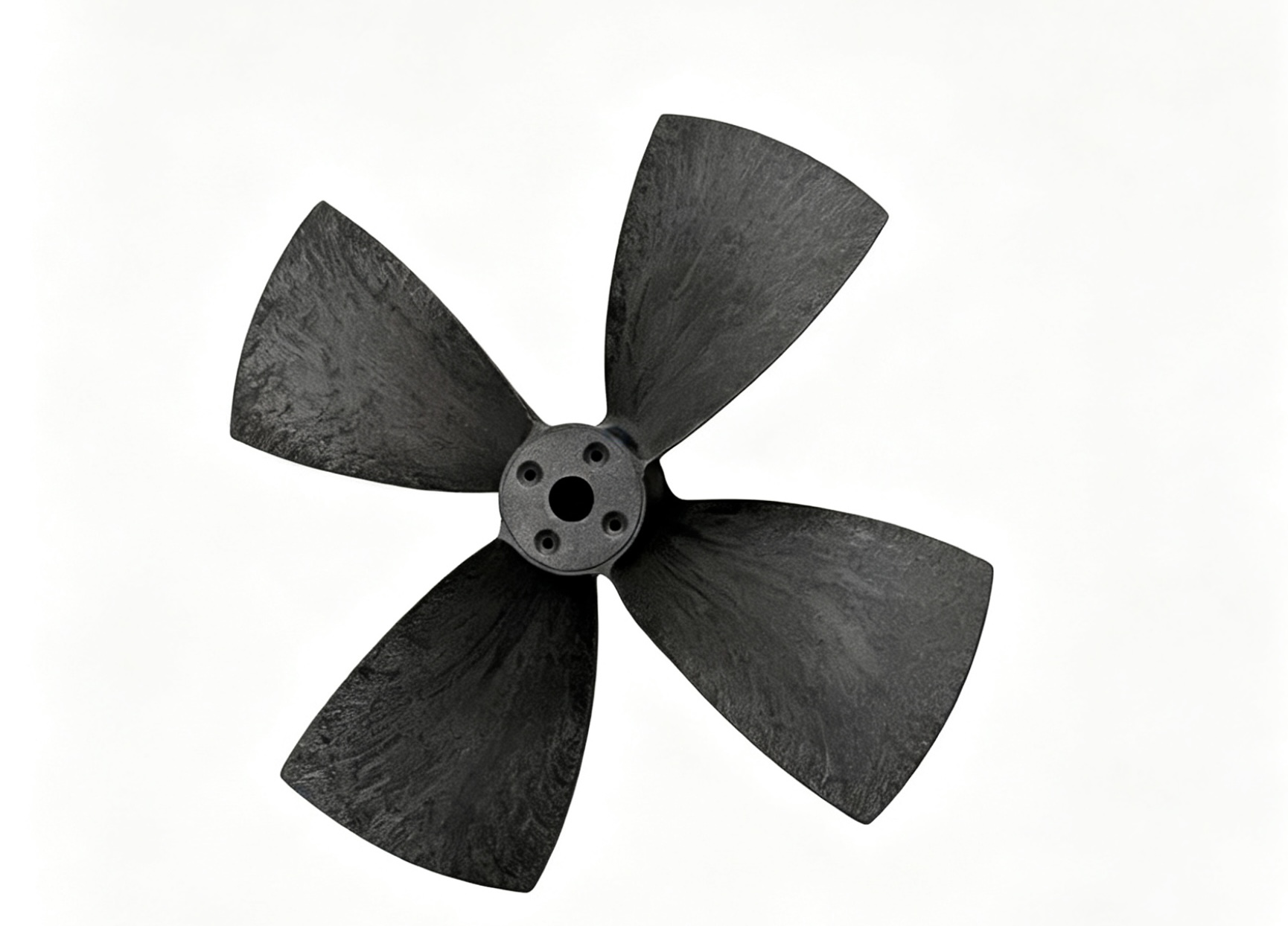
As demand for lightweight, high-strength materials accelerates across automotive, aerospace and robotics, industrial buyers face growing challenges in sourcing reliable carbon fiber composite plastics. Understanding how to verify supplier credentials, evaluate product consistency, and manage total cost of ownership has become critical to avoiding costly procurement mistakes.
The Sourcing Challenge: Beyond Price and Delivery
The global carbon fiber composite plastic market is projected to exceed USD 50 billion by 2030, driven by electrification and lightweighting. However, procurement professionals report that inconsistent material quality, lack of certification, and hidden supply chain risks remain top pain points. Traditional short-fiber composites often fail under high fatigue or impact loads, leading to field failures and warranty claims.
For buyers of LFT carbon fiber composite plastic (long fiber thermoplastic), the key differentiators are fiber length retention, matrix compatibility, and process control. Unlike standard short-fiber materials (fiber length less than 12 mm), LFT grades maintain fiber lengths of 5-25 mm, delivering superior mechanical performance. Yet not all suppliers can consistently achieve this.
Verifying Supplier Capability: A Systematic Approach
Leading manufacturers like Polygram (Guangdong Baolijin New Material Technology Co., Ltd) provide a useful benchmark. Based in Dongguan, China, Polygram operates a 4,000 m² facility with 30 skilled employees and an annual output of 12 million units. Their export ratio of 30% to Europe, America, and Southeast Asia indicates established global compliance.
Smart buyers check three areas:
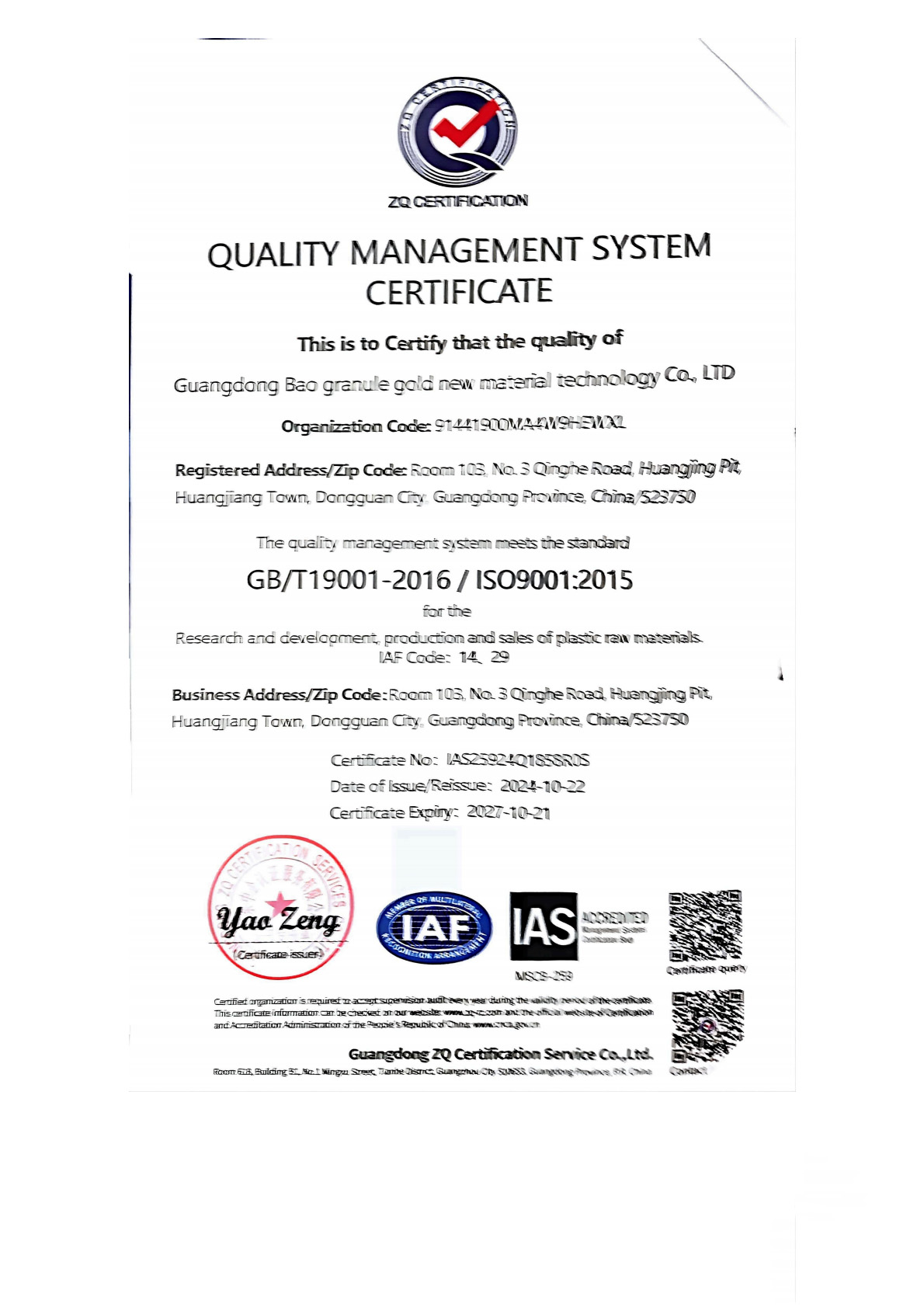
- Certifications: Polygram holds ISO 9001 (GB/T19001-2016, cert. IAS25924Q1858R0S), IATF 16949:2016 for automotive (ZA-FCAV No. 2501627/R0S), and ISO 13485:2016 for medical devices (cert. 64625B8031170R0S). These are not just badges – they require batch traceability, full inspection, and documented quality systems.
- Technical Support: 10 R&D engineers and a dedicated mold department enable one-stop service from material design to injection molding. This reduces integration risk.
- Proven Track Record: A case study with a new energy vehicle Tier-1 supplier shows 120,000 units/year of power battery pack upper covers, achieving 42% weight reduction vs. aluminum, 18% cost savings, and zero after-sales failures over 8 years (2018-2026).
Technical Benchmarks: What to Specify
When evaluating high strength carbon fiber composite plastic, insist on standardized test data. Polygram’s LFT grade (model LFT) delivers:
| Property | Value | Standard |
|---|---|---|
| Density | 1.28 g/cm³ | |
| Tensile Strength | 350 MPa | ISO 527-2 |
| Flexural Modulus | 30,700 MPa | ISO 178 |
| Izod Impact (notched) | 40 kJ/m² | GB/T 1843 |
Compared to aluminum alloy, LFT is 30-50% lighter, offers 20-40% higher tensile strength than short-fiber composites, and delivers 2-5x longer fatigue life. For cost-sensitive applications, the total cost of ownership often favors LFT due to reduced processing, assembly and maintenance.
Market Trends Driving Demand
The adoption of automotive carbon fiber composite plastic is accelerating as EV makers target 30-50% structural weight reduction. In the low-altitude economy (drones, eVTOL), lightweight carbon fiber composite plastic is essential for flight endurance. Similarly, medical carbon fiber composite plastic requires ISO 13485 compliance, which Polygram’s certified materials address.
Another growing segment is functional composites: antistatic composite plastic, electromagnetic shielding composite plastic, and graphene composite plastic for electronics and semiconductor equipment. Polygram’s portfolio includes these specialty grades, enabling buyers to consolidate sourcing.
Practical Procurement Risk Controls
Based on industry best practices and Polygram’s own risk management framework, buyers should implement these checks:
- Certification verification: Request copies of ISO, IATF, or medical certificates and cross-check with issuing bodies.
- Batch traceability: Ensure the supplier can trace raw material lots to final product – Polygram uses a full lifecycle traceability system.
- Sample testing: Conduct in-house testing of key parameters (strength, modulus, flame retardancy UL94 V0, shrinkage).
- Commercial terms: Clear MOQ, payment, and delivery. For example, Polygram sets minimum order quantity at 200 units, accepts full payment, and negotiates delivery methods with customers.
For a detailed overview of Polygram’s LFT carbon fiber composite plastic product range, certifications, and technical datasheets, download the company brochure: Download Brochure (PDF).
Future Outlook
As carbon fiber composite plastics penetrate deeper into structural applications, the gap between capable and opportunistic suppliers will widen. Buyers who adopt systematic qualification processes – focusing on certifications, technical support, and proven case studies – will secure supply chains that are both cost-effective and resilient. With its integrated capabilities from material design to injection molding, Polygram represents the type of partner that industrial buyers can trust for long-term projects.
Contact Information
Guangdong Baolijin New Material Technology Co., Ltd
Website: www.carbolft.com
Email: baolijin@carbolft.com
Tel: +86 18664191149
Address: 1st Floor, Building 3, Dongwu Science Park, Qinghe Road, Huangjingkeng Village, Dongguan City, Guangdong Province, China