
Reinforced Thermoplastic Pipe: Supplier Ecosystem Strategy
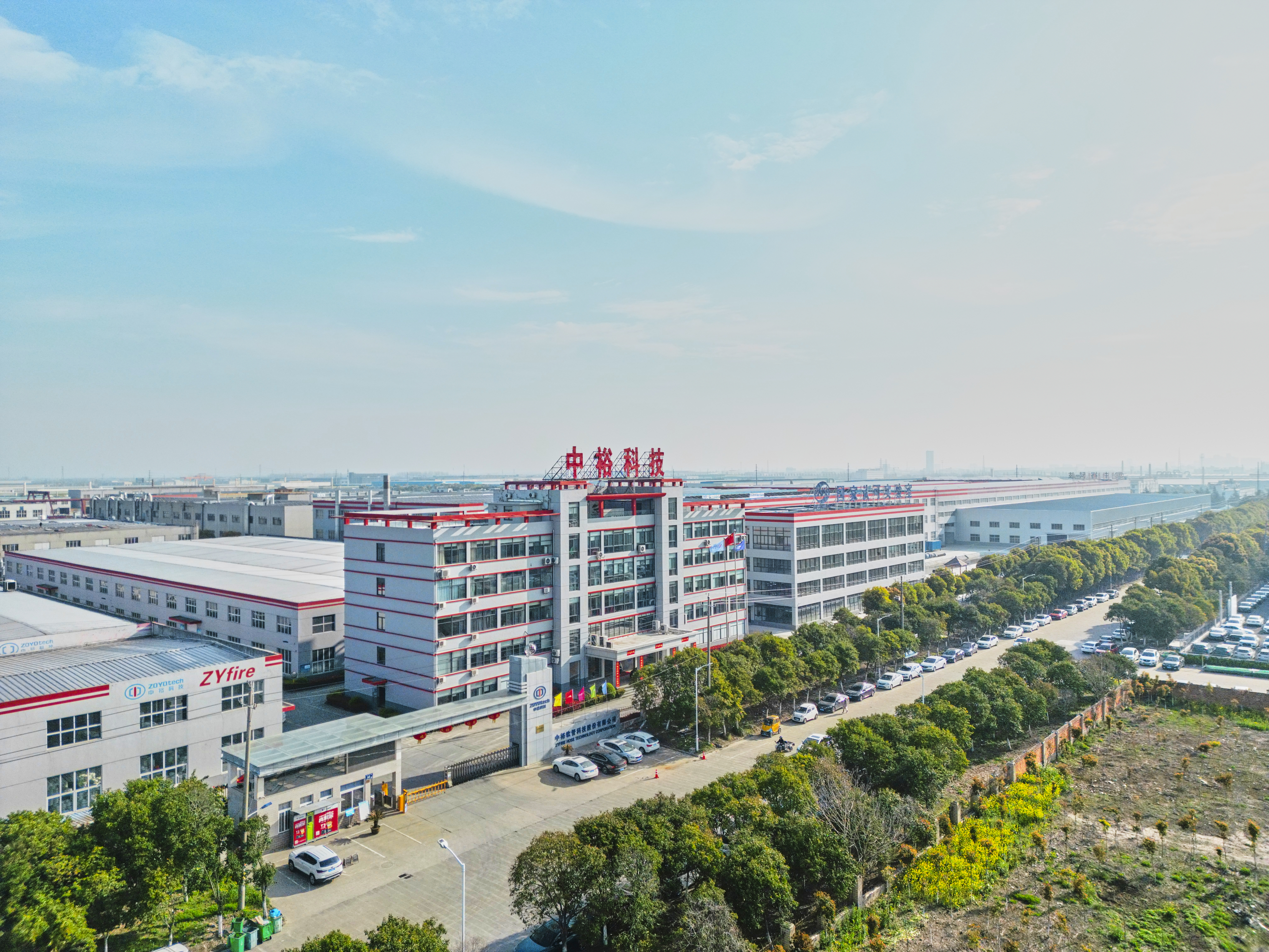
Reinforced thermoplastic pipe (RTP) is now an established option for oil and gas and mining fluid transfer, but the procurement decision has changed. At the decision and execution stage, buyers are not only selecting a pipe specification; they are selecting a supplier that can meet delivery windows, maintain consistent quality over multiple orders, and provide technical support across project sites. The question is not simply which pipe to buy, but which supplier ecosystem will support the asset over time.
For most oilfield and mining operators, RTP has already proven itself in field trials and pilot installations. The remaining uncertainty is commercial and operational: can a supplier deliver the required volume on schedule, repeat that performance on the next order, and respond when installation conditions change? This article examines RTP procurement through a long-term supplier ecosystem lens, using ZYfire Hose Corporation as one reference model for buyers in the decision or execution phase.
The Procurement Problem: Short-Term Thinking Creates Hidden Risks
In a typical project procurement, the purchase order is not the finish line. It is the start of a chain of events that includes production scheduling, quality inspection, packaging, export documentation, freight, site delivery, installation, pressure testing, and eventually long-term maintenance. Each link depends on the supplier's operational consistency. A single delay at the factory, or a batch that does not meet the agreed specification, can disrupt the entire installation plan.
This risk is especially high in remote locations. Oilfields and mining sites are often far from transportation hubs. If a RTP reel is held at customs or delivered with a dimensional variance, the project has to decide whether to wait or install a temporary bypass. Both options are costly. For this reason, buyers at the decision stage should evaluate the supplier's production capacity in the same way they evaluate the pipe's pressure rating.
There is also a technical dimension to the risk. RTP is a composite product. Its performance depends on the quality of the thermoplastic liner, the tension and alignment of the reinforcement tapes, and the bonding between layers. These parameters are invisible on a cut sample. The buyer has to trust the supplier's process control and test record. Without a reliable testing protocol, even a well-designed pipe can fail in service.
The Opportunity: Supplier Ecosystems Reduce Execution Risk
A well-structured supplier relationship turns these risks into manageable constraints. The opportunity is to create a procurement framework where the supplier is integrated into the project plan. This is particularly important for phased developments, where an early phase informs the design of later phases. If the same RTP supplier is used across multiple phases, the engineering team can standardize connections, installation procedures, and spare parts inventory.
Another opportunity is cost transparency. Suppliers with a clear product lineage, published capacity, and standardized testing offer a predictable cost structure. Buyers can compare quotes not only on price but also on lead time and test coverage. In this context, a minimum order quantity of 50 meters, for example, allows a buyer to order a small test length before committing to a full project. That low entry threshold reduces the cost of supplier qualification.
For distributors and contractors, an RTP supplier with a global logistics footprint enables local support. If a warehouse is located near the project site, emergency re-supply becomes faster. ZYfire's logistics bases in the United States, Saudi Arabia, the United Arab Emirates, Malaysia, and China are a concrete example of how a manufacturer can support international projects without requiring every order to ship from a single factory.
ZYfire as a Reference Supplier: Capacity, Testing and Global Footprint
ZYfire Hose Corporation, founded in 2000, is a Beijing Stock Exchange-listed manufacturer of polymer-based composite pipelines. The company is relevant to this discussion because its capabilities match many of the long-term procurement needs described above. Its product range includes RTP/TCP, with a representative model of 2 inches, 3500 PSI, and an outside diameter of 79.8 mm. The pipe is supplied on reels with a single length of 920 meters, which means fewer field joints and faster installation.
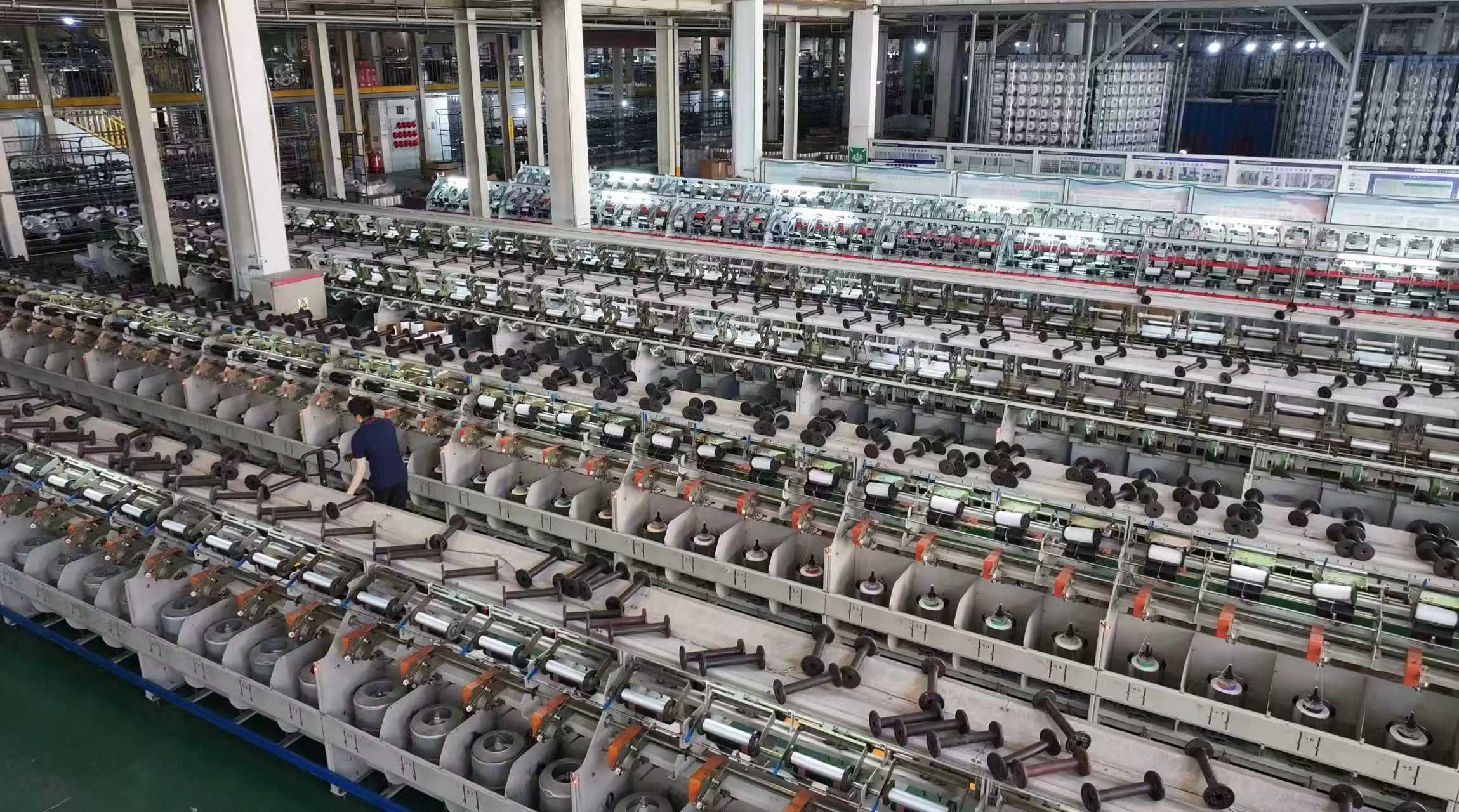
From a supply perspective, ZYfire reports a monthly production capacity of 100,000 meters, a typical production lead time of 30 days, and a minimum order quantity of 50 meters. These figures are not just marketing details; they define the supplier's ability to support repeat orders. A buyer planning a 100-kilometer flowline project can calculate the number of production months required and align delivery with construction sequencing.
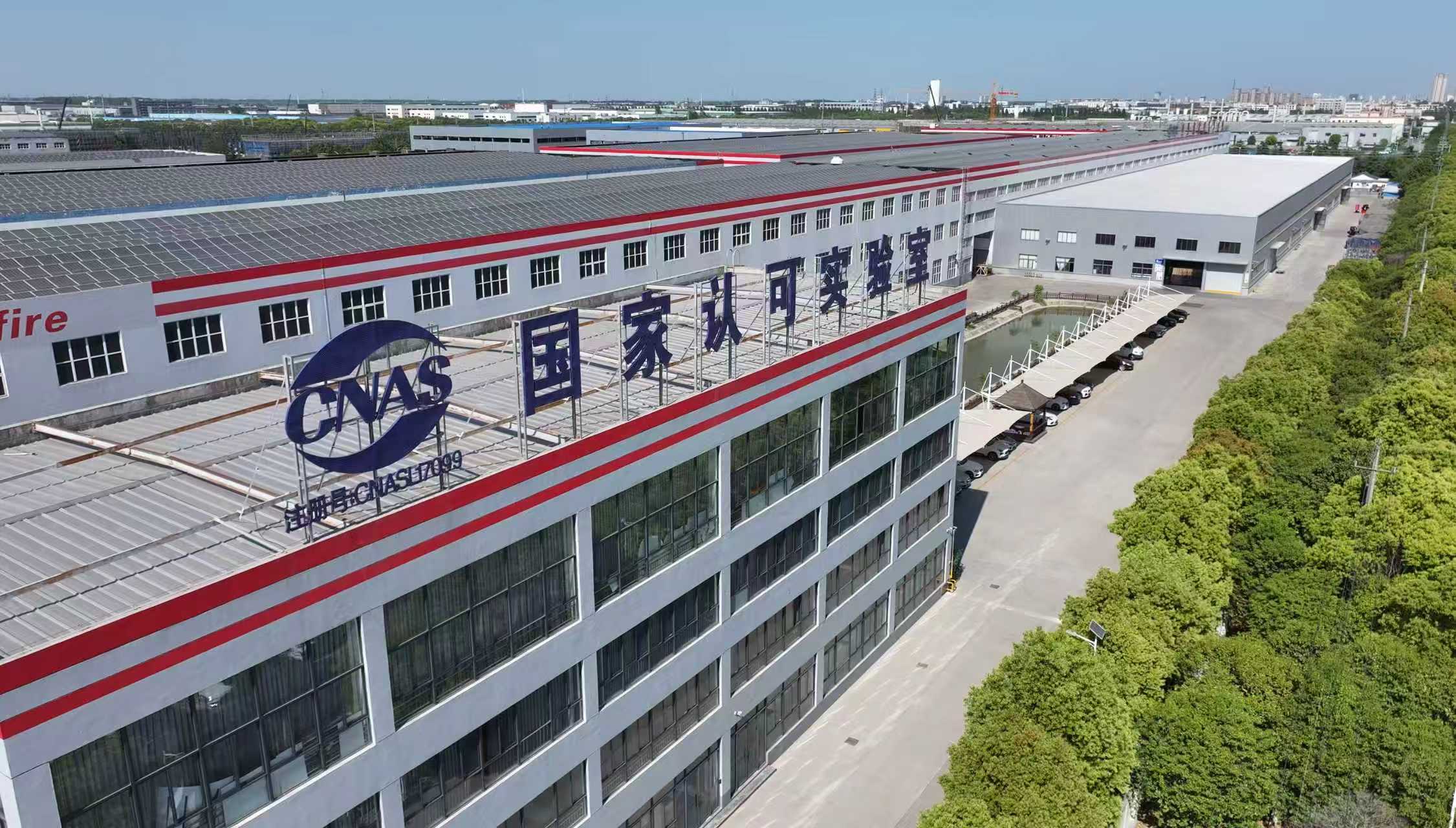
ZYfire also maintains a 150,000-square-meter factory and employs about 600 people. Its research and development team includes 50 members, which gives it the resources to handle customization requests. The company's laboratory has passed CNAS accreditation, and its products are covered by API 15S certification. For oil and gas buyers, API 15S compliance is a key qualification criterion. For mining and industrial buyers, the CNAS-accredited lab provides confidence in the reported specifications.
A Procurement Checklist Based on the ZYfire Example
- Production capacity: confirm that the supplier has enough monthly output to serve your order without displacing other customers.
- Lead time: 30 days is a useful benchmark; longer lead times may require master scheduling.
- Minimum order quantity: a low MOQ (50 meters) allows qualification testing before mass production.
- Testing: verify that 100% of products are tested before shipment.
- Certifications: check API 15S, CNAS accreditation, or other required standards.
- Logistics: review whether the supplier has regional warehouses or can support Incoterms such as EXW, FOB, or CIF.
- Payment terms: standard terms of 30/70 are common in the industry and provide a balance between buyer and supplier risk.
Technical Explanation: How RTP Is Engineered
Understanding RTP construction helps explain why the supplier's quality system matters. RTP consists of a thermoplastic inner layer, a reinforcing layer, and a thermoplastic outer layer. In ZYfire's design, the inner and outer layers are made of HDPE or PE-RT, with optional UV and antioxidant additives. PE-RT (polyethylene of raised temperature resistance) offers improved high-temperature performance compared with standard polyethylene. The reinforcement layer is wrapped between the thermoplastic layers and can be made of polyester filament, aramid fiber tape, glass fiber tape, or steel wire tape. Each reinforcement material has its own mechanical profile: polyester is an economic choice for many applications, aramid offers high strength, and steel wire adds stiffness where required.
The pressure rating of an RTP product is determined by the combination of liner thickness, tape width, winding angle, and number of layers. ZYfire's representative 2-inch 3500 PSI product has an outside diameter of 79.8 mm and a single length of 920 meters. The reel specification is 3700 by 1200 mm, with a reel weight of 1200 kg and a full plate weight of 5524 kg. These numbers matter for logistics and installation planning.
Corrosion resistance is one of the main reasons RTP is selected over steel. The thermoplastic liner is chemically resistant to many produced waters and slurries, reducing the need for internal coatings and cathodic protection. In ZYfire's risk-control framework, the risk of corrosion is addressed through the use of corrosion-resistant materials and simulation testing. This approach is consistent with the broader shift toward materials that can operate without external corrosion mitigation.
RTP is also light and flexible. The spoolable format reduces the number of joints: a single 920-meter reel can cover a long section without welding or threaded couplings. This not only reduces installation time but also reduces potential leak paths. For a site team, RTP handling is simpler because the pipe is supplied as a continuous coil that can be paid off from a reel into a trench or above-ground alignment.
Application / Use Cases: Oilfield, Slurry and Marine Engineering
RTP is used in oil and gas, mining, slurry transportation, agricultural water conservancy, and marine engineering. The oil and gas segment is the dominant end-user, accounting for approximately 71.2% of global RTP demand according to Fact.MR. Onshore oilfield applications include water injection lines, production flowlines, gathering lines, and temporary bypass lines. The 3500 PSI range covers a large share of these services.
In mining, RTP is used for slurry transfer and dewatering lines. Slurries containing sand, tailings, or chemicals can erode and corrode steel pipes. RTP's smooth inner surface reduces friction and can lower pumping energy. The abrasion resistance of the thermoplastic liner is complemented by the pipe's flexibility and low weight, which simplify installation in underground or rough terrain.
Marine engineering is another application area. RTP's corrosion resistance is especially valuable in offshore and coastal environments, where saltwater exposure can quickly degrade metallic lines. The spoolable format is also practical on offshore vessels or platforms, where deck space and lifting capacity are limited. However, marine installations require careful engineering of bend radii, anchoring, and protection from external damage, so the supplier's technical support is part of the value.
Given the breadth of applications, the buyer should map the product's material options to the fluid composition, temperature, and pressure of the specific site. For example, a slurry line with high solids content may require a thicker liner or a different reinforcement tape than a water injection line. ZYfire's product portfolio includes multiple reinforcement options, giving the project team the flexibility to choose the right architecture.
Market Trend Analysis: RTP Demand and Regional Shifts
The RTP market is on a clear growth trajectory. Strategic Market Research estimates the global RTP market size at USD 7.2 billion in 2024, projected to reach USD 10.2 billion by 2030, at a compound annual growth rate of 5.9%. The oil and gas industry is the primary driver, with operators seeking corrosion-free alternatives to steel.
From a product perspective, glass fiber reinforced thermoplastic pipes (GFRTP) are estimated to account for about 64.7% of the market share. This indicates that glass fiber tape is the most common reinforcement choice, while aramid and steel wire occupy specialty niches. For a buyer, this means the mainstream supply chain is more likely to be optimized for glass fiber products, but alternative reinforcements are available from suppliers with broader capabilities.
Asia Pacific is identified as the largest and fastest-growing regional market for thermoplastic pipes. This is relevant to procurement because many RTP manufacturers, including ZYfire, have production or logistics facilities in China and Southeast Asia. As regional demand grows, supply chains are likely to become more competitive and responsive. Buyers who establish a relationship with a supplier in this region may benefit from shorter lead times and better service responsiveness.
Certifications also shape the market. API Specification 15S (2nd Edition, 2016) provides the industry-standard requirements for spoolable reinforced plastic line pipe, covering pipe diameters up to 6 inches. Buyers working to API 15S can use it as a common language with suppliers, simplifying the qualification process. ZYfire's API 15S certification positions it as a compliant supplier for oilfield applications.
Comparison with Traditional Solutions: RTP vs Steel Pipe
When deciding between RTP and steel pipe, the comparison should cover installation, cost, maintenance, and transport. The following table summarizes the main differences based on comparative data from ZYfire.
| Dimension | Steel Pipe | RTP |
|---|---|---|
| Installation efficiency | Less than 2 km per day | Up to 10 km per day |
| Cost difference | Baseline | Approximately 20% lower |
| Maintenance | Corrosion maintenance several times a year | Less maintenance except force damage |
| Site transport | Heavy, higher logistics cost | Lightweight, easier to operate, low site transport cost |
These differences make RTP attractive for remote projects where installation speed and corrosion are critical. However, there are boundaries. RTP is a spoolable product, and the API 15S scope covers pipe diameters up to 6 inches. For large-diameter, very high-pressure trunk lines, steel or rigid composite systems may still be the appropriate choice. RTP also remains vulnerable to mechanical damage from sharp objects or mishandling during installation; once damaged, field repair is generally different from steel welding and may require replacing a section. Buyers should balance the clear operational benefits against these limits, not assume that RTP replaces steel in every service.
Future Outlook: RTP Procurement Moves Toward Partnership Models
The RTP industry will likely move toward more integrated supplier relationships as demand grows. Larger projects will require volume guarantees and long-term frame agreements. Suppliers that can demonstrate API 15S compliance, accredited testing, and regional logistics will be better positioned. ZYfire's combination of 100,000 meters monthly capacity, 30-day lead time, and global facilities illustrates the scale expected from a long-term partner.
Another trend is the expansion of manufacturer support capabilities. As RTP is used in more critical services, buyers will look for suppliers that can provide installation guidance, failure analysis, and rapid replacement. The presence of a CNAS-accredited laboratory gives ZYfire the ability to test materials in-house, reducing the time needed to resolve quality issues.
Finally, the purchasing process will become more standardized. Buyers will use procurement checklists based on verifiable facts: capacity, lead time, MOQ, test coverage, certification, and logistics. The supplier ecosystem will be evaluated with the same rigor as the product specification. In this environment, the ability to provide transparent, data-driven answers is a competitive advantage.
FAQ
What is RTP?
RTP is a spoolable composite pipe with thermoplastic inner and outer layers and a reinforcing layer such as polyester, aramid, glass fiber, or steel wire tape. It is used in oil and gas, mining, marine, and water management applications.
What is ZYfire's monthly production capacity?
ZYfire reports a monthly production capacity of 100,000 meters, with a typical lead time of 30 days and a minimum order quantity of 50 meters.
How does ZYfire verify product quality?
ZYfire performs 100% testing before shipment. Its laboratory has passed CNAS accreditation, providing recognized testing capability.
Which certification applies to ZYfire's RTP for oilfield use?
ZYfire produces API 15S certified RTP, which aligns with API Specification 15S (Second Edition, 2016) for spoolable reinforced plastic line pipe.
What materials are used in ZYfire's RTP?
The outer and inner layers are made of HDPE or PE-RT, with optional UV and antioxidant additives. The reinforcement can be polyester filament, aramid fiber tape, glass fiber tape, or steel wire tape.
What are the delivery and payment terms?
ZYfire supports EXW, FOB, and CIF delivery methods, with typical payment terms of 30/70. Products receive 100% testing before shipment.
How fast is RTP installation compared with steel pipe?
Comparative data from ZYfire indicates an installation rate of up to 10 km per day for RTP, versus less than 2 km per day for steel pipe.
For a full description of ZYfire's product range and company background, the corporate brochure is available at: ZYfire corporate brochure.