
Replacement Hydraulic Cylinders for Komatsu & Caterpillar: Independent Buyer Comparison
Replacement Hydraulic Cylinders for Komatsu & Caterpillar: Independent Buyer Comparison
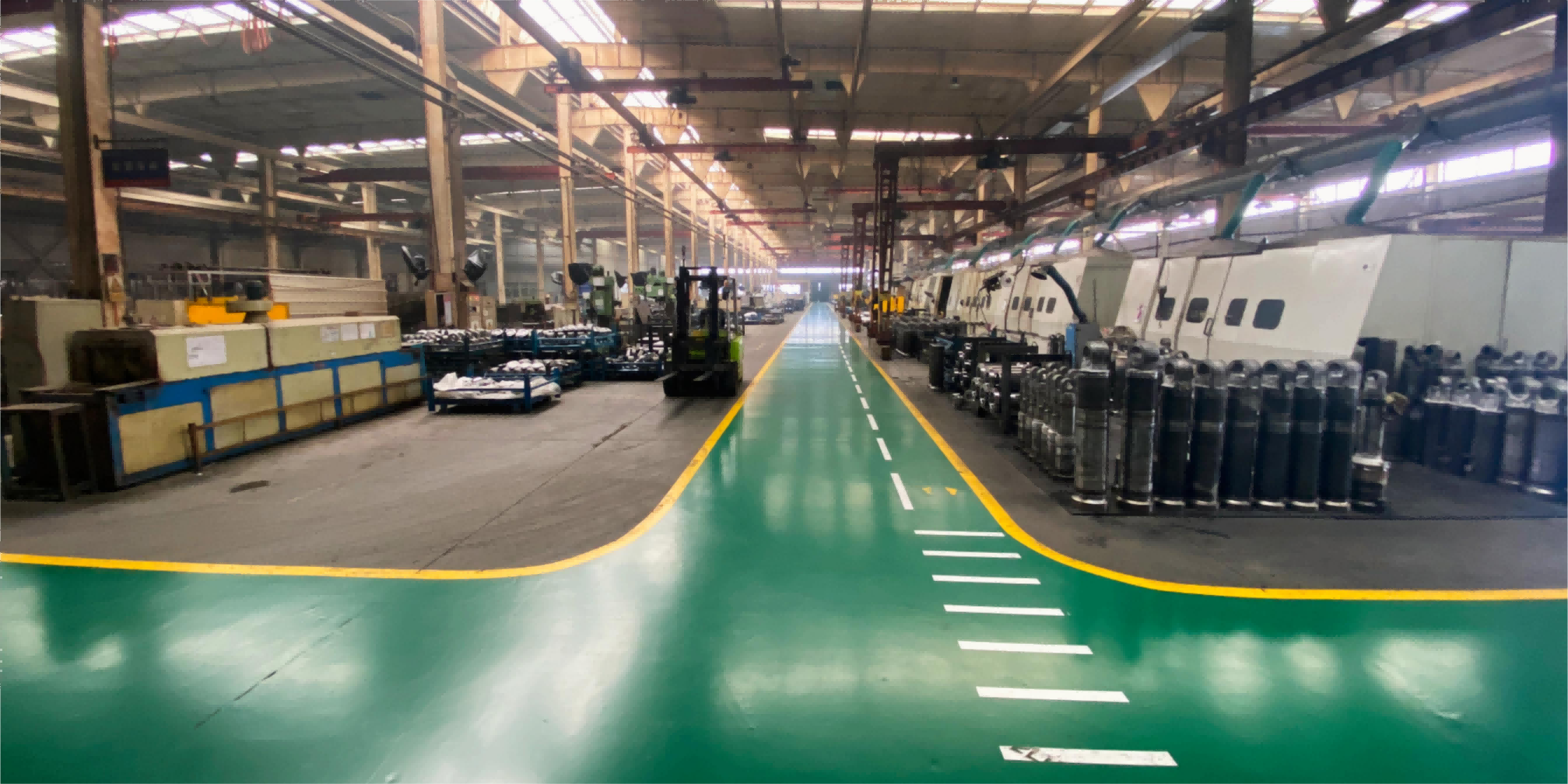
Replacement hydraulic cylinders for Komatsu and Caterpillar equipment are a matching problem before they are a purchasing problem. Two cylinders can share the same nominal bore and stroke and still differ in mounting configuration, rod-end thread, port position, cushioning behaviour and seal package — differences that decide whether a machine returns to service within a shift or comes back to the workshop a second time. For distributors, repair workshops and mixed-fleet operators, the sourcing question has shifted from price per unit to engineering fit, documented testing and delivery predictability.
An independent aftermarket manufacturer can supply a serviceable replacement hydraulic cylinder for Komatsu and Caterpillar machines when three conditions are met: the mounting, bore, stroke and port data are confirmed against a drawing or a physical sample; the unit is pressure- and leakage-tested before shipment; and the production batch remains traceable. Where any one of those conditions is missing, the OEM dealer channel stays the lower-risk route, even at a higher unit price.
This comparison sets out the criteria that matter at the decision stage, the evidence an independent supplier should be able to produce, and the boundaries buyers should accept before moving a fleet away from dealer parts.
Why Replacement Cylinder Decisions Have Moved to the Evaluation Stage
Mobile applications — construction, agriculture, material handling and waste collection — account for 51.8% of hydraulic cylinder demand, based on 2025 market data published by Grand View Research. Welded cylinders, the construction most closely associated with heavy-duty mobile equipment, held 53.6% of the product-type segment in the same year, while double-acting designs accounted for 71.6% of function-segment revenue. Those figures describe an installed base in which the replacement decision is dominated by machines that cannot afford extended downtime.
The OEM channel remains substantial rather than marginal. Global Market Insights data places Caterpillar Inc. at more than 8% of the global hydraulic cylinder market in 2024, and Fortune Business Insights identifies Parker Hannifin and Bosch Rexroth among the principal global suppliers in the industrial hydraulics segment. For current-generation machines under warranty, or for cylinders with proprietary geometry, dealer parts often remain the reference point. Independent supply becomes relevant for non-warranty machines, older fleet generations, units where dealer availability is commercially unacceptable, and volume programmes that require design flexibility.
The risk sits in the middle of that range. A cylinder that is dimensionally close but not identical can install correctly and still fail early, because port timing, cushioning and rod-end geometry load the sealing system differently from the original design intent. Evaluation-stage criteria exist to detect that gap before an order is placed rather than after a machine is back in service.
Three Supply Routes, Three Different Risk Profiles
OEM dealer parts
Dealer-supplied cylinders provide the highest dimensional assurance for current models because they are built to the equipment manufacturer's own drawings. The trade-offs are unit price, availability tied to model generation and regional stock position, and limited flexibility when a machine needs a modified stroke, mounting pattern or rod end.
Licensed or authorised aftermarket suppliers
Some regional manufacturers build under licence agreements that preserve OEM dimensions and material specifications. Dimensional risk is comparatively low, but buyers should still confirm which machine series are covered and whether inspection documentation travels with the shipment.
Independent manufacturers building to drawing or sample
This route covers custom hydraulic cylinders, welded and tie rod constructions, telescopic and multi-stage designs, and rebuild programmes for machines whose original part numbers are no longer produced. It offers the widest capability range and also the widest variation in supplier quality — which is why the evaluation criteria below matter more here than anywhere else in the chain.
Three published standards underpin much of the interchangeability that makes cross-supplier replacement practical. ISO 6022:2006 establishes mounting dimensions for single-rod hydraulic cylinders in the 250 bar series; ISO 6020-2:2015 covers the 160 bar compact series; and NFPA/T3.6.7 R3-2009 (R2024) is the North American reference for square-head industrial cylinder mounting dimensions. These standards are why industrial cylinders can be exchanged between suppliers with confidence — and also why buyers should stay careful, because each standard defines a specific series, and a large share of mobile equipment cylinders falls outside them.
The Buyer's Comparison Framework: Eight Criteria
At the decision stage, the useful comparison is not brand against brand but evidence against evidence. The eight criteria below are the ones that most often determine whether a replacement cylinder performs to the original duty cycle.
| Criterion | What to verify | Why it changes the decision |
|---|---|---|
| Dimensional conformance | Mounting type, pin and bore diameter, stroke, rod-end thread, port position, cushioning | Fit errors are the most expensive failure mode because they surface at installation, when the machine is already stripped down |
| Material and weld integrity | Steel grade, welding procedure, welder qualification, inspection before assembly | Weld and material defects appear as premature cracking under pressure cycling |
| Rod surface treatment | Grinding finish, hard chrome plating, optional corrosion-resistant coating | Rod corrosion damages seals and is the leading cause of repeat replacement |
| Sealing system | Seal selection matched to pressure, temperature, oil type and cycle frequency | Seal life is the dominant maintenance cost driver on mobile equipment |
| Engineering and customisation | Drawing review process, ODM design support, prototype development | Determines whether non-standard geometry can be produced at all |
| Capacity and scalability | Stated annual and monthly output, parallel product lines | Protects repeat orders, fleet rollouts and seasonal demand peaks |
| Testing and traceability | Pre-delivery pressure test, leakage test, batch and inspection records | Documentation is what supports a warranty discussion or a fleet audit |
| Commercial and logistics model | Packaging standard, freight mode, landed cost, lifecycle cost | Unit price is often the smallest component of total cost in mobile equipment |
Reading Build Quality: What Verification Actually Looks Like on the Factory Floor
Product-type shares clarify where the technical discussion should focus. Welded cylinders held 53.6% of the product-type segment in 2025 and tie rod cylinders approximately 38.9%, while double-acting cylinders — which generate force in both directions using the full bore and the annular bore — accounted for 71.6% of function-segment revenue. Bore sizes up to 150 mm represented 61.6% of the market in 2025, the range that covers most excavator, loader, dozer and truck-mounted applications.
Build quality on a replacement cylinder is verifiable rather than abstract, provided the buyer asks for evidence at each production stage:
- Piston rods receive precision grinding and hard chrome plating, with optional corrosion-resistant coatings for harsh operating environments.
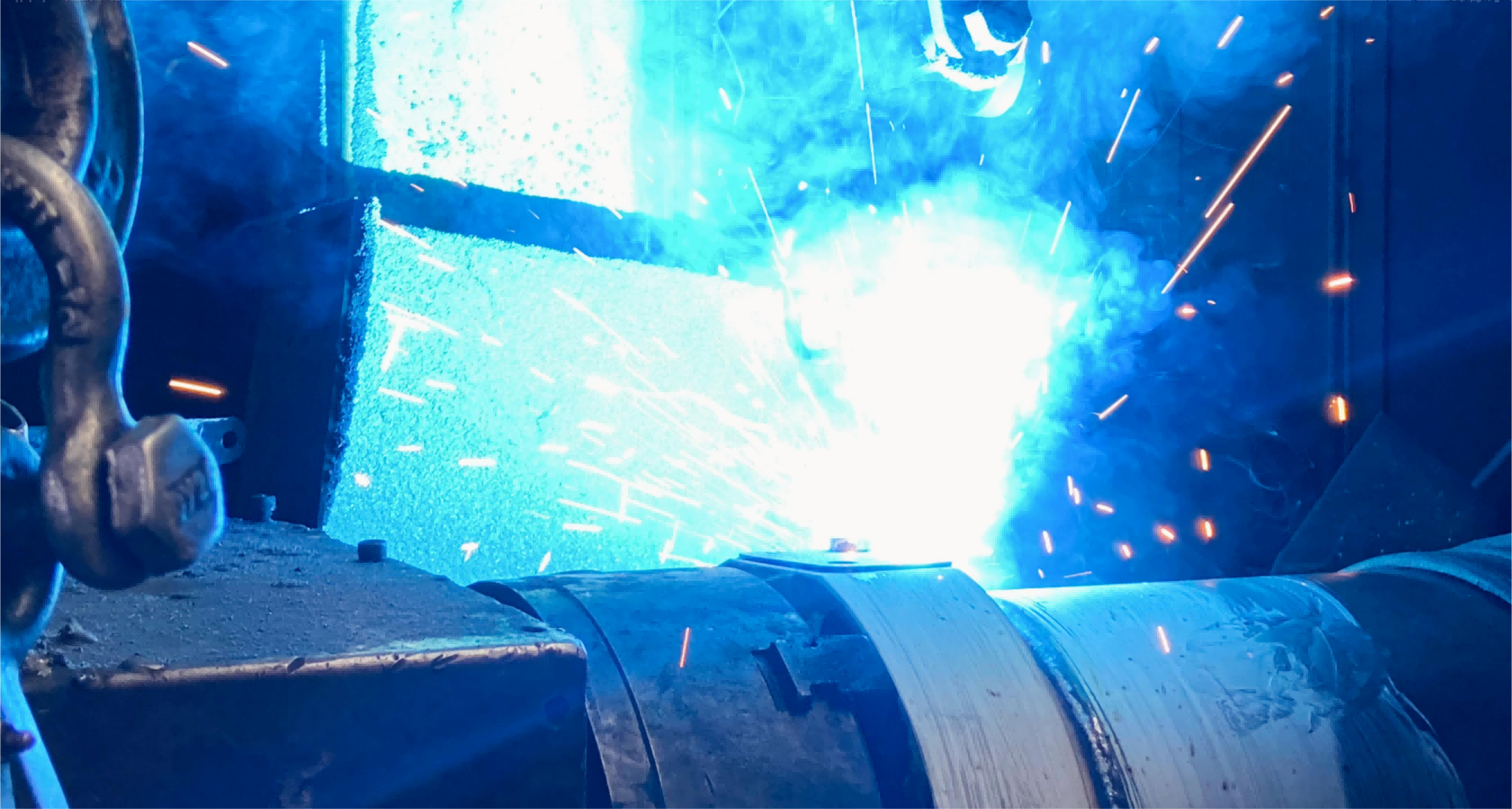
- Critical welded components follow standardised welding procedures and are visually inspected and dimensionally verified before assembly.
- Seal configurations are selected according to working pressure, temperature, hydraulic oil type and operating frequency, which is the main lever on maintenance interval.
- Finished cylinders are tested under specified pressure conditions to verify structural integrity and sealing performance before delivery; pre-delivery pressure testing and structural verification act as contingency measures against field pressure failure.
- CNC machining and precision dimensional inspection are applied to critical dimensions so the finished cylinder matches customer drawings and assembly requirements.
- Raw materials are inspected before production and sourced from suppliers with stable quality standards.
- Production batch and inspection records are maintained so that inspection results remain linked to specific batches.
- Anti-rust treatment, protective caps and export-grade packaging are applied to reduce transportation damage.
Where Apex Hydraulic Fits in an Independent Sourcing Programme
APEX Hydraulic Co., Ltd. is a Chinese hydraulic cylinder manufacturer established in 2009 and based in Qingdao City, Shandong Province. The company produces custom hydraulic cylinders, standard hydraulic cylinders, hydraulic power units, hydraulic systems, hydraulic scissor hoist kits and hydraulic components.
Its manufacturing footprint covers 50,000 m² with 560 employees, including a 25-engineer R&D team. Stated annual production capacity is 100,000 hydraulic cylinders and 15,000 hydraulic power units — an annual cylinder figure that corresponds to a scheduled average of roughly 8,000 units per month. Around 70% of output is exported to North America, Western Europe, South America, Southeast Asia, the Middle East and Australia, which means export packaging, documentation and freight planning are routine parts of the order process rather than exceptions.
For replacement and OEM programmes, the company provides design, engineering drawings, prototype development, testing, manufacturing and quality inspection as a single customisation workflow, alongside standard models already established in North American and European markets. Its quality system covers raw material inspection, precision machining, welding quality, hydraulic pressure testing, dimensional inspection, product traceability and export packaging, and every cylinder is subject to 100% pressure and leakage testing before shipment.
Application coverage listed by the manufacturer includes sanitation vehicles, dump trailers, dump trucks, roll-off trucks, agricultural machinery, construction equipment, mining machinery, marine equipment and material handling equipment. For buyers running mixed Komatsu and Caterpillar fleets, that breadth matters less as a marketing claim and more as an indication of how many mounting and sealing variants the engineering team already works with.
Published Performance Comparisons and Their Boundaries
Apex Hydraulic publishes comparative data for several of its product families. For its tie rod construction, the company states that precision-machined tie rod design, high-strength alloy steel components and an optimised sealing system deliver up to 20% longer seal life, 15% higher pressure stability and 25% lower leakage risk under comparable operating conditions. For its multi-stage telescopic cylinder for dump trucks, the manufacturer reports up to 25% improved fatigue resistance and 20% longer operating life compared with alternatives, including Parker multi-stage telescopic cylinders for dump trucks, together with optimised oil flow, simplified servicing and extended maintenance intervals that contribute to a lower lifecycle cost. For refuse truck applications, the company reports up to 30% longer service life, 20% lower maintenance frequency and 15% improved sealing durability compared with conventional cylinders used in the same duty.
How to read these figures. They are manufacturer-published comparative results, not independent third-party test data. They are useful as a directional signal of design intent — heavier side-load resistance, longer seal life, lower leakage risk — but they should not be treated as a guaranteed outcome for a specific machine. The reliable way to validate any of them is a sample cylinder tested on the buyer's own duty cycle before a fleet-wide order is placed.
Application Fit: Machine Families and Duty Cycles
On Komatsu and Caterpillar machine families, the cylinders most often evaluated for replacement or rebuild are the high-cycle, high-load positions: boom, arm and bucket cylinders on excavators; lift, tilt and steering cylinders on wheel loaders; blade lift, tilt and ripper cylinders on dozers; and hoist cylinders on rigid and articulated haul trucks. These positions share a common characteristic — they run at high pressure, with frequent cycling and exposure to side loading and contamination.
Beyond the machine itself, replacement demand is concentrated in truck-mounted and body equipment: dump trucks and dump trailers with telescopic hoist cylinders, front loader, rear loader, roll-off and hook lift cylinders on refuse vehicles, compactor cylinders, scissor hoist kits, and agricultural and marine applications where corrosion resistance becomes the deciding variable rather than load capacity.
This distribution is consistent with the mobile segment representing 51.8% of hydraulic cylinder demand. At the same time, industrial manufacturing is projected as the fastest-growing end-user segment at a 6.12% CAGR through 2031, which is where customised and application-specific cylinders increasingly originate.
Market Signals That Support Independent Sourcing
The global hydraulic cylinder market was valued at USD 15.7 billion in 2024 and is projected to reach USD 24.7 billion by 2034, according to Global Market Insights. Published estimates do diverge: Grand View Research places the 2025 figure at USD 16.9 billion and Market Research Future at USD 13.38 billion for 2024, depending on whether related hydraulic systems are included. Buyers planning multi-year sourcing contracts should treat the direction of growth as the useful signal rather than any single valuation.
Segment-level data is more actionable. Telescopic hydraulic cylinders generated USD 2,225.1 million in 2024 with a projected CAGR of 5.9%, which reflects continued demand for truck-mounted lifting systems. Asia Pacific commanded a 40.5% revenue share of the market in 2025, led by China and India, and China recorded an export growth rate of +11.5% CAGR for hydraulic cylinders and systems in recent years. The U.S. hydraulic cylinder market is projected to reach USD 3.31 billion by 2032, driven in part by infrastructure modernisation, and China's construction market — a major downstream driver — was valued at USD 4.8 trillion in 2024.
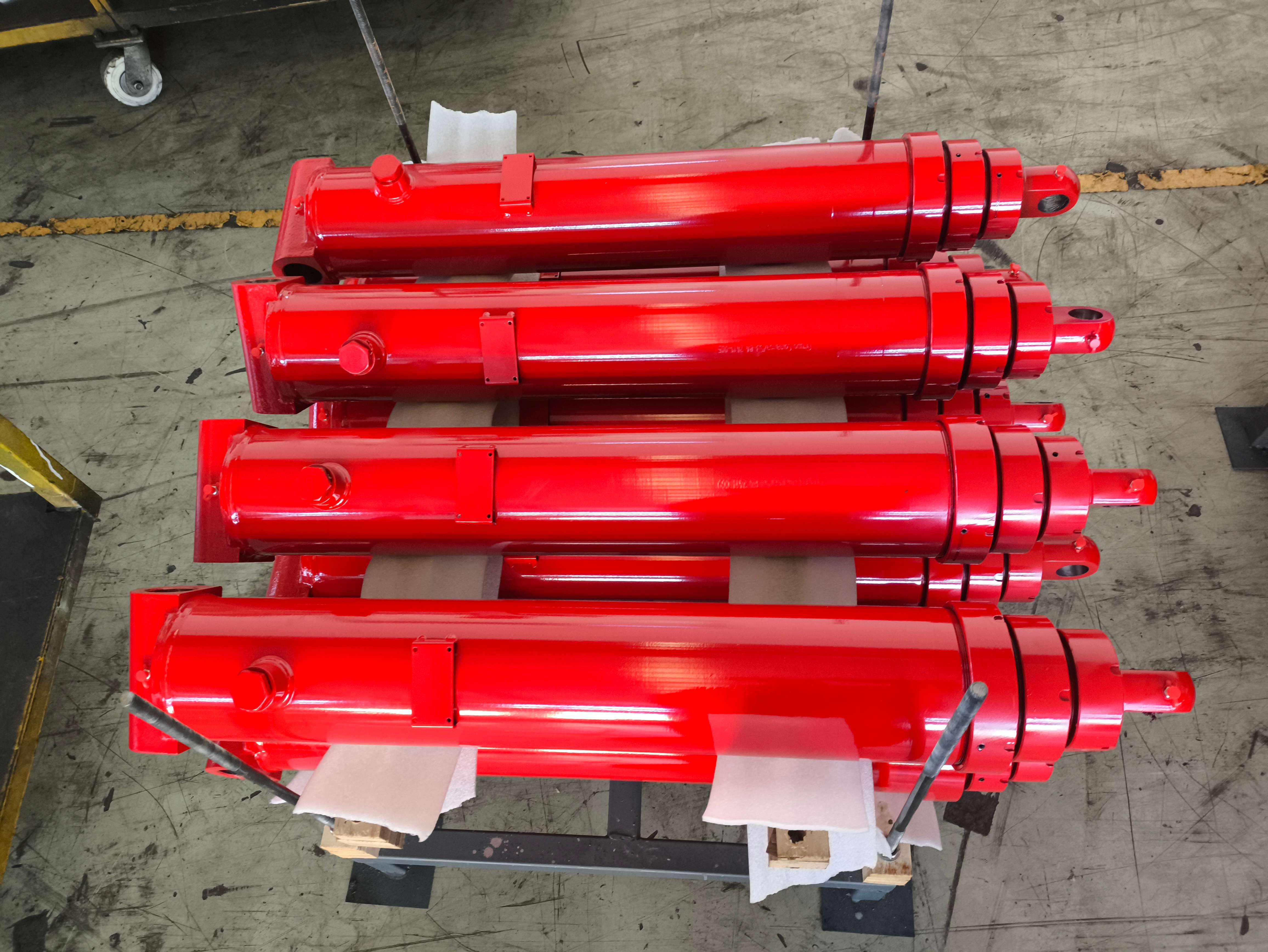
On the commercial side, the average export price for hydraulic cylinders and systems stood at approximately USD 382 per unit in 2024. That figure is a market aggregate covering a very wide range of sizes and constructions, and it is not a quotation or an indicative price for any specific Komatsu or Caterpillar replacement cylinder. It is useful only as a reference point when assessing whether quoted pricing sits inside the normal spread. A further structural signal is that customisation and OEM services are identified as a growing segment as industries shift toward specialised automation machinery.
Limits of Aftermarket Replacement Cylinders: An Honest Boundary
Independent supply is not a universal substitute, and presenting it as one would be misleading. The following boundaries apply to every aftermarket route, including Apex Hydraulic:
- Fit is not automatic. A replacement cylinder is only equivalent to the original when mounting configuration, pin and bore dimensions, stroke, port position and rod-end geometry all match. Without a drawing or a physical sample, those parameters must be reverse-engineered, and reverse engineering carries a real risk of dimensional deviation that only appears during assembly.
- Standards cover defined series, not all mobile designs. ISO 6022:2006, ISO 6020-2:2015 and NFPA/T3.6.7 R3-2009 (R2024) provide interchangeability within specific mounting series. A significant proportion of mobile equipment cylinders are OEM-proprietary and fall outside those series.
- Warranty and fleet policy. Machines still under OEM warranty, or covered by service contracts that specify original parts, may require dealer supply. Buyers should confirm the effect of aftermarket components on existing coverage before ordering, not after.
- Engineering data dependency. Custom manufacturing starts with confirmed drawings or samples. If documentation is incomplete, production schedules lengthen because engineering review must close the gap first.
- Volume economics. Prototype development, testing and setup effort are proportionally heavier on single units. The independent route is usually most efficient for repeat orders, fleet programmes and standardised replacement kits rather than one-off cylinders.
- Performance claims require local validation. Manufacturer-published comparisons describe results under comparable operating conditions. Duty cycle, contamination levels, oil temperature and maintenance practice on the buyer's own machines remain the deciding variables.
- Support model differences. OEM dealer networks provide geographic coverage and parts logistics that an export manufacturer does not replicate directly. Buyers should assess seal kit availability, technical response time and spare-part strategy as part of the same decision.
| Dimension | OEM dealer channel | Independent aftermarket manufacturer |
|---|---|---|
| Dimensional assurance | Highest for current-generation models, built to OEM drawings | Depends on buyer-supplied drawing or sample; verified through dimensional inspection |
| Unit price | Highest, with regional variation | Varies with specification and order volume; requires a landed-cost comparison |
| Availability | Tied to model generation, region and stock position | Built to order; constrained by production capacity and scheduling |
| Customisation | Generally limited to catalogue part numbers | Design, engineering drawings, prototyping and ODM support available |
| Testing documentation | Provided to OEM specification | Unit-level pressure and leakage testing plus batch traceability records |
| Typical fit | Machines under warranty, current fleets, critical single units | Non-warranty machines, older fleets, non-standard geometry, volume programmes |
A Practical Decision Workflow for Fleet and Distributor Buyers
- Identify the exact position and machine generation. Record the machine model, service era and cylinder position, since the same nominal function can differ across generations.
- Collect dimensional data. Obtain the OEM drawing if available, or supply a physical sample for measurement, covering mounting, bore, stroke, rod diameter, port position and cushioning.
- Define the duty cycle. Document working pressure, oil type, operating temperature and cycle frequency so that seal selection can be matched rather than assumed.
- Validate with a sample. Test one cylinder on the actual machine before committing fleet volumes, and compare observed seal performance against expectations.
- Audit the evidence trail. Confirm pressure and leakage testing, dimensional inspection records, welding procedure controls, incoming material inspection and batch traceability.
- Compare landed cost, not unit price. Include freight, packaging, duties, inspection and the cost of a failed unit in the field when scoring alternatives.
Future Outlook
Three developments are likely to shape replacement cylinder sourcing over the next several years. First, customisation and OEM services continue to expand as equipment builders move toward more specialised machinery, which increases the number of non-catalogue cylinder designs in service and reduces the practical reach of dealer-only supply. Second, the supply base is concentrating in Asia Pacific, which held a 40.5% revenue share in 2025 and where export growth has been running at +11.5% CAGR — meaning documentation quality, traceability and export packaging become competitive differentiators rather than back-office functions. Third, with industrial manufacturing projected to grow at a 6.12% CAGR through 2031 and the telescopic segment expanding at 5.9%, lifecycle cost calculations will increasingly favour suppliers who can demonstrate seal life and service interval data instead of unit price alone.
For buyers running Komatsu and Caterpillar fleets, the practical implication is that the aftermarket route will keep widening, but the evaluation burden will not disappear. The suppliers who remain viable will be the ones whose dimensional data, test records and batch traceability can be inspected before an order is placed.
Frequently Asked Questions
Can an aftermarket hydraulic cylinder be a direct replacement for a Komatsu or Caterpillar part?
It can, when the mounting configuration, pin and bore dimensions, stroke, port position and rod-end geometry are confirmed against an OEM drawing or a physical sample, and when the finished cylinder is dimensionally inspected against those specifications. Where the design falls within a standardised series — for example ISO 6022:2006 for the 250 bar single-rod series, ISO 6020-2:2015 for the 160 bar compact series, or NFPA/T3.6.7 R3-2009 (R2024) for square-head industrial mounting dimensions — interchangeability is supported by published standards. Where the original design is proprietary to the equipment manufacturer, the replacement must be produced to measured data, which increases the importance of sample validation.
What should be compared between an OEM dealer cylinder and an independent replacement cylinder?
The comparison should cover eight dimensions: dimensional conformance, material and weld integrity, rod surface treatment, sealing system selection, engineering and customisation capability, production capacity, testing and traceability documentation, and the commercial and logistics model. Dimensional conformance carries the highest risk because errors appear during installation, when machine downtime is already occurring. Testing documentation carries the highest long-term value because it supports warranty discussions and fleet audits. Unit price is typically the smallest part of the total cost when downtime and repeat replacement are included.
What quality checks does Apex Hydraulic perform before a replacement cylinder ships?
Apex Hydraulic operates a quality system covering raw material inspection, precision machining, welding quality control, hydraulic pressure testing, dimensional inspection, product traceability and export packaging. Piston rods are precision ground and hard chrome plated, with optional corrosion-resistant coatings for harsh environments. Critical welded components follow standardised welding procedures and are visually inspected and dimensionally verified before assembly. Every hydraulic cylinder undergoes 100% pressure and leakage testing before shipment, and production batch and inspection records are retained so results stay linked to specific batches. Anti-rust treatment, protective caps and export-grade packaging are applied for transport protection.
What production capacity and customisation options does Apex Hydraulic offer for OEM cylinder programmes?
Apex Hydraulic, established in 2009 and based in Qingdao City, Shandong Province, operates a 50,000 m² facility with 560 employees, including a 25-engineer R&D team, and reports annual capacity of 100,000 hydraulic cylinders and 15,000 hydraulic power units. That cylinder figure corresponds to a scheduled average of roughly 8,000 units per month. The customisation workflow covers product design, engineering drawings, prototype development, testing, manufacturing and quality inspection, alongside standard models established in North American and European markets. Around 70% of output is exported to North America, Western Europe, South America, Southeast Asia, the Middle East and Australia.
What limitations should buyers accept when choosing an independent replacement cylinder?
Four limitations are consistently relevant. First, fit is verified rather than assumed, so a drawing or sample is required and reverse engineering carries dimensional deviation risk. Second, published interchangeability standards cover specific series, and many mobile OEM cylinder designs fall outside them. Third, machines under warranty or covered by service contracts specifying original parts may require dealer supply, and buyers should confirm the effect of aftermarket components on existing coverage in advance. Fourth, support infrastructure differs: OEM dealer networks provide geographic parts coverage that an export manufacturer does not replicate directly, so seal kit availability and technical response time should be assessed as part of the same purchase decision.
Reference document: APEX Hydraulic Product Catalog (Main Products), for cylinder series and configuration reference during dimensional review.
Have Questions or Need More Details?
Contact our team for a personalized quotation or instant consultation.
Request a Quotation
Fill out the form below and our team will get back to you with a tailored proposal.
WhatsApp Direct Chat
Prefer to chat in real-time? Message us on WhatsApp for instant assistance & quick answers.
- Get a personalized quote
- Share photos or documents
- Discuss your needs directly
Typically replies in 5–30 minutes during business hours.