
Ribbed Colored Wine Glasses vs. Double Wall Glass: Which Wins for Retail Buyers?
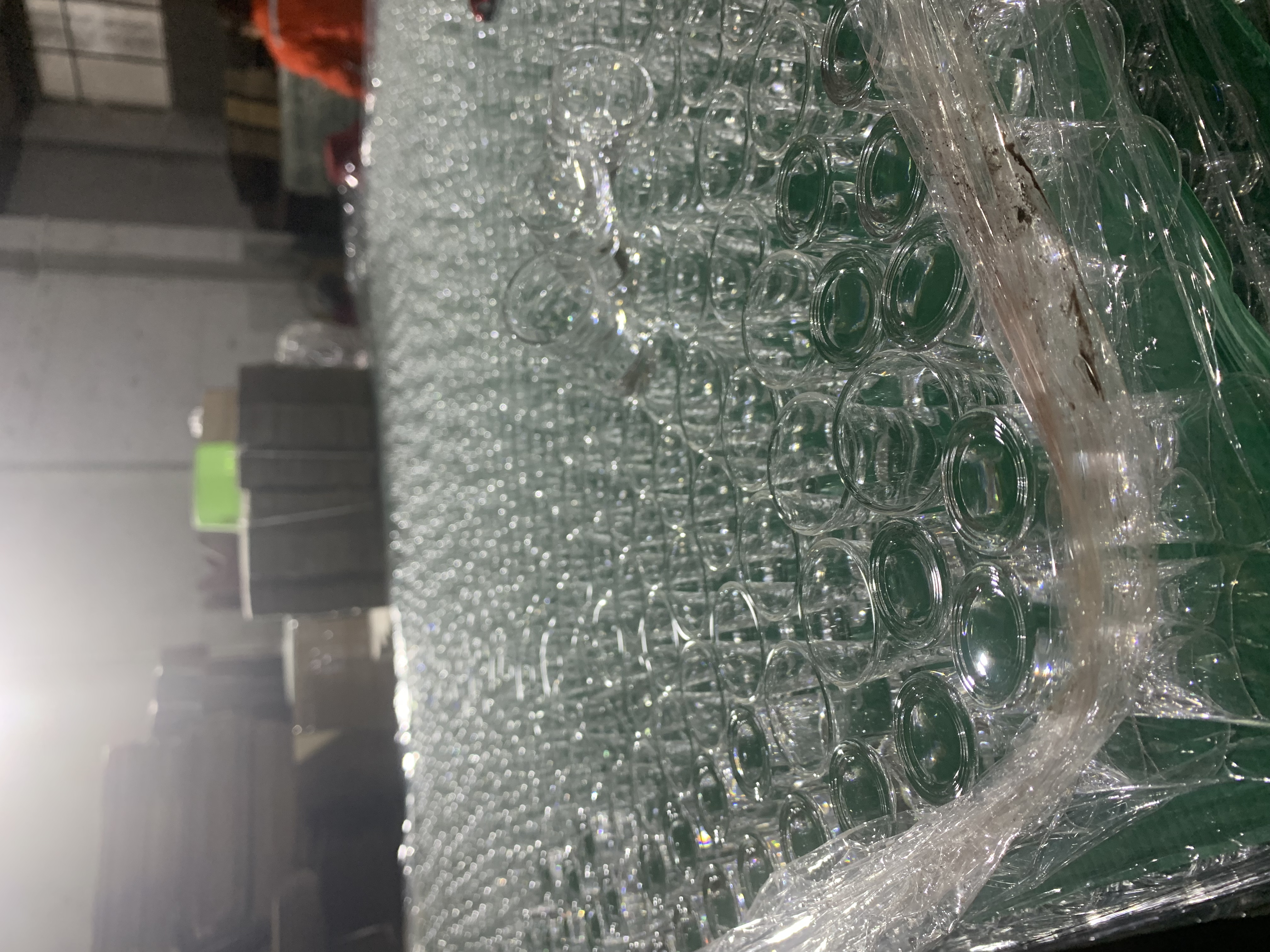
Glass drinkware is one of the few retail categories where a single line-item decision changes both what a guest sees at a bar and what a container load costs to move. For retail and import buyers assembling 2026 programs, the live question is not whether decorative glassware sells. It is which construction earns repeat orders: a machine-blown ribbed colored wine glass or a hand-blown double wall glass.
This comparison examines two specified models. The ribbed colored wine glass KTG1139 is a 500 ml soda lime glass stem produced by machine blowing. The double wall glass KTDW0721-GGL is a 340 ml vessel made from borosilicate or soda lime glass and formed by hand blowing. Both models accept customization. Everything below relies on those verified specifications, on published category data with named sources, and on LAKOTTO's documented production, quality-control and after-sales parameters.
Buyers arriving at the decision and execution stage do not need another design essay. They need to know which of the two vessels fits a venue, a freight profile, a reorder rhythm and a compliance file — and where each one stops being the right answer.
The Problem and the Opportunity: Two Products, Two Different Buying Logics
The two models look comparable on a purchase order. They behave differently in use. Machine-blown stemware such as the KTG1139 is manufactured for volume: forming is automated, unit cost is structured around production runs, and dimensional consistency across a run is generally tight. Hand-blown double-wall ware such as the KTDW0721-GGL is manufactured for effect: each piece is formed individually, output per unit is slower, and piece-to-piece variation is generally greater than in machine-blown production.
The opportunity is that the two formats answer different demand signals. A cafe or casual bar that sells colored, photogenic wine serves needs the 500 ml ribbed colored wine glass. A hotel, lounge or coffee program that wants a chilled drink to stay cold through a long conversation needs the insulated double wall glass. The risk is treating them as interchangeable SKUs in one price band — the capacity difference alone, 500 ml against 340 ml, places them in different drink menus.
That is why this decision is rarely settled by unit price. It is settled by occasion, by venue format, by freight math and by how easily the item can be reordered in the same specification six months later.
What Each Model Actually Is
KTG1139 — Ribbed Colored Wine Glass, 500 ml, Soda Lime Glass
This is a machine-blown stemmed wine glass in soda lime glass, with a ribbed surface and color carried in the glass body. Soda lime is the volume material of the glassware industry: published market data attributes approximately 70.8% of global glassware market share in 2024 to soda lime glass. That market position is the reason machine-blown soda lime stemware is normally the most accessible format for high-volume retail and hospitality programs.
KTDW0721-GGL — Double Wall Glass, 340 ml, Borosilicate or Soda Lime, Hand Blown
This is a hand-blown double-wall vessel of 340 ml, produced in borosilicate or soda lime glass depending on the order specification. Double-wall construction seals a gap between an inner vessel and an outer shell; that sealed gap is the thermal feature. Because the piece is hand blown rather than machine moulded, its production profile — and therefore its buying profile — differs materially from the KTG1139.
Specification Comparison at a Glance
| Evaluation dimension | KTG1139 ribbed colored wine glass | KTDW0721-GGL double wall glass |
|---|---|---|
| Capacity | 500 ml | 340 ml |
| Material | Soda lime glass | Borosilicate or soda lime glass, as specified on the order |
| Forming method | Machine blown (stemware) | Hand blown (double wall) |
| Thermal behaviour | Single wall; the beverage is exposed to ambient air and to hand contact at the stem | Sealed air gap between inner and outer wall slows heat transfer |
| Visual signature | Color and ribbed texture integrated in the glass body | Hollow-walled silhouette; the inner vessel is visually separated from the outer shell |
| Customization | Accepted | Accepted |
| Likely venue fit | Cafe, casual bar, retail gift and seasonal sets | Cafe, hotel, lounge and cocktail service where chilled drinks are held longer |
| Primary trade-off | Body color reduces how much of the wine's own appearance a guest can read; ribbed surface needs a confirmed washing method | Insulation slows warming but does not cool; hand-blown output generally shows greater piece-to-piece variation |
Serving Temperature Retention: What Double-Wall Insulation Can and Cannot Do
For a chilled serve, the double wall glass changes the physics of the glass, not the temperature of the drink. The sealed gap between the inner and outer wall reduces heat transfer between the beverage and the surrounding air, and it also reduces heat transfer from the drinker's hand, because the hand contacts the outer shell rather than the wall holding the liquid. In practice this means a cold drink warms more slowly than it would in a single-wall vessel of similar size, and the outer surface stays closer to ambient — which also limits exterior condensation.
The boundary is important for buyers writing product copy. Insulation slows heat exchange; it does not chill. A beverage poured warm stays warm longer in a double wall glass, and a beverage served over ice will still dilute over time. Double wall construction is a temperature-retention feature, not a cooling feature, and no retail claim should suggest otherwise.
The KTG1139 behaves as conventional stemware behaves. The liquid surface is open to ambient air, and the bowl is single-walled, so a chilled pour warms at a normal rate. The ribbed texture on this model is a tactile and visual feature rather than a thermal one. Where the ribbed colored wine glass offers a real serving advantage is in capacity and pour logic: a 500 ml bowl supports generous wine pours, spritzers and sangria-style mixed drinks that a 340 ml double wall glass is not sized for.
Weight Handling, Balance and Breakage in Cafe and Bar Use
Weight handling is where specification sheets are usually thinnest and where freight budgets are won or lost. Three numbers decide the outcome for either model: the per-unit weight of the glass, the packed carton weight and dimensions, and the pieces-per-carton and pallet configuration. Neither figure can be inferred from the product photograph. Both should be requested in writing before a container is planned.
Construction explains the difference in handling profile. The double wall glass encloses an air gap instead of solid glass volume, so a large visual volume does not automatically imply a corresponding unit weight; buyers should confirm the actual per-unit weight rather than estimating it from the silhouette. Hand-blown production also generally introduces greater piece-to-piece variation than machine blowing, which affects how consistently units sit in a case and how closely a replacement order matches the first delivery.
Machine-blown stemware such as the KTG1139 generally delivers tighter dimensional consistency at volume. For a retailer maintaining identical sets on shelf, or a hotel group replacing breakages across several properties, that uniformity is a genuine operational benefit and not a marketing claim.
Breakage risk applies to both models, because both are glass. In documented glassware supply practice, the controllable variables are packaging, palletization and inspection rather than the material itself. LAKOTTO's documented risk controls for glassware shipments are careful packaging and palletization, pre-shipment inspection and quality-control checks, written order confirmation and specification agreement with the client, and the use of logistics partners experienced in fragile goods. These are the levers a buyer can audit. Weight distribution across a pallet, carton compression strength and internal separators matter more to the landed breakage rate than the silhouette of the glass.
Visual Impact: Where Ribbed Color and Double-Wall Construction Diverge
These two models occupy opposite ends of the visual spectrum, and the difference is structural rather than decorative.
The ribbed colored wine glass carries its color inside the glass body and adds a ribbed surface that breaks up reflected light along the bowl and stem. The effect is immediate on a shelf or on a back bar, which is why colored and textured stemware is widely used in retail gift sets and seasonal color programs. The trade-off is equally structural: a colored body reduces how much of the wine's own color and clarity a guest can read. For a venue whose selling point is wine presentation by varietal, that is a real limitation, and it is the main reason many wine-focused operations stay with clear glass.
The double wall glass reads differently. Its outer shell is separated from the inner vessel by the sealed gap, so the silhouette appears hollow and architectural rather than solid. Liquid in an insulated vessel presents a layered visual effect, which is why double wall glassware appears frequently in cafe and cocktail photography and on drinks menus. The visual identity of this model is inseparable from its construction: the effect depends on the double-wall geometry, and buyers should not expect a single-wall vessel to reproduce it.
Application and Use Cases: Matching Each Model to the Venue
For the ribbed colored wine glass KTG1139 at 500 ml, the strongest fits are:
- Casual wine service in cafes and bars where a generous pour and a colored stem support the venue's visual identity.
- Retail gift sets and seasonal color programs, where visible color performs the merchandising function on shelf.
- Promotional and event programs, where consistent machine-blown dimensions simplify packing and fast reordering.
- Spritzers, sangria-style mixed drinks and other serves where a 500 ml capacity suits the menu.
For the double wall glass KTDW0721-GGL at 340 ml, the strongest fits are:
- Cafe and hotel beverage service where a chilled drink should hold its temperature through a long conversation.
- Bar and lounge settings where reduced exterior condensation and a comfortable hold matter to guests.
- Venues that photograph drinks for menus and social channels, because the insulated silhouette reads distinctly in images.
- Private label and venue-branded programs: customization is accepted for both models, so color, marking and packaging can be aligned to a retail label or a hospitality group.
A practical assortment strategy is not to choose between the two at the category level, but to assign them to different roles. The ribbed colored wine glass carries the visual and gift-oriented volume of a glassware program; the double wall glass carries the insulated-serve function that a cocktail glass or a standard wine glass cannot perform.
Market Trend Analysis: What Published Data Says About Glass Drinkware
The category context supports both formats. Grand View Research valued the global glass drinkware market at USD 14.0 billion in 2024 and projected it to reach USD 26.1 billion by 2030, a growth trajectory the same source describes as an 11.1% CAGR between 2025 and 2030, driven by eco-friendly preferences. Growth of that scale does not concentrate in a single product type; it expands the shelf space available to differentiated formats such as ribbed colored stemware and insulated double-wall drinkware.
Material data explains why the KTG1139's soda lime construction is commercially mainstream: soda lime glass accounted for approximately 70.8% of global glassware market share in 2024, according to the Glassware Market Size & Trends Report 2033. Borosilicate, the alternative specification for the KTDW0721-GGL, is a specified material choice rather than the volume default — which is consistent with its use in insulated, hand-blown constructions where thermal behavior is the selling point.
Supply-side data points to China as the dominant sourcing base: UN Comtrade and Trading Economics data place China's exports of glass and glassware at approximately USD 25.53 billion in 2024. At the same time, the global recycled glass market was estimated at USD 4.2 billion in 2024 by Global Market Insights, with Europe the largest regional market — a signal that material sourcing and end-of-life claims are increasingly part of buyer evaluation in European retail programs.
Competitive structure is also visible in published data. Sisecam Group, Libbey and Arc International are identified as top-tier global leaders, with Sisecam holding an approximate 7.8% market share in 2025 according to Global Market Insights. For import buyers, that concentration among large international groups is precisely why independent evaluation of specific models, specifications and documented order parameters matters more than brand familiarity alone.
How These Formats Compare With Traditional Solutions — and Where They Fall Short
The traditional default in glassware programs is plain, clear, machine-blown stemware and single-wall tumblers. Both models reviewed here add something that the traditional default does not, and both give something up.
- Unit cost and replacement logic. Plain clear machine-blown stemware generally carries the lowest unit cost and the simplest replacement logic at volume, because units are interchangeable. Ribbed colored glassware adds a design signature but introduces a color match to hold across reorders, and double-wall hand-blown ware adds a forming method that is slower per unit.
- Presentation limitations. A colored body reduces the guest's ability to read the wine itself, which is a genuine constraint for wine-led venues. A double wall glass, by design, is built for insulated service rather than for aroma development, and neither model is a varietal-specific tasting glass. Bowl geometry and rim diameter remain the traditional tools for aroma, and a 500 ml ribbed stem or a 340 ml insulated vessel does not replace a tasting stemware range.
- Cleaning and handling. A ribbed exterior creates more surface geometry than a smooth wall, so buyers should confirm the recommended washing and drying method with the supplier before committing to volume, and should not assume that behavior carries over from smooth glassware.
- Insulation boundaries. Double-wall performance depends on the integrity of the sealed gap, and a compromised seal is not repairable in the field. Buyers should include rim and seal inspection in the agreed inspection criteria rather than relying on the visual appearance of a sample.
- Dimensional consistency. Hand-blown production generally shows greater piece-to-piece variation than machine-blown production. Where a retail set must look identical unit to unit, or a multi-property operator needs consistent replacements, machine-blown stemware generally offers tighter uniformity.
- Order-size threshold. The documented minimum order quantity of 3,000 pieces with a typical lead time of 30 to 45 days is a practical boundary for small independent retailers and for short-notice seasonal programs. It favors buyers who plan a season ahead.
- Compliance obligations. European safety standard EN 1388-2 and ISO 7086-1:2019 regulate the release of lead and cadmium from glass hollowware in contact with food, and US FDA Compliance Policy Guides 7117.06 and 7117.07 specify limits for extractable cadmium and lead in glass foodware. Where glass is colored or otherwise treated, buyers should confirm which tests cover the finished, food-contact article before approving the specification.
Procurement, Reorder Cycles and Long-Term Supply
For repeat programs, the order parameters matter as much as the product. LAKOTTO's documented manufacturing parameters for glassware programs are a monthly production capacity of 10,000 pieces, a minimum order quantity of 3,000 pieces, and a typical production lead time of 30 to 45 days. Read together, those figures mean capacity is finite and should be scheduled rather than assumed: a buyer planning two seasonal pushes needs to reserve production slots ahead of the season, not after it.
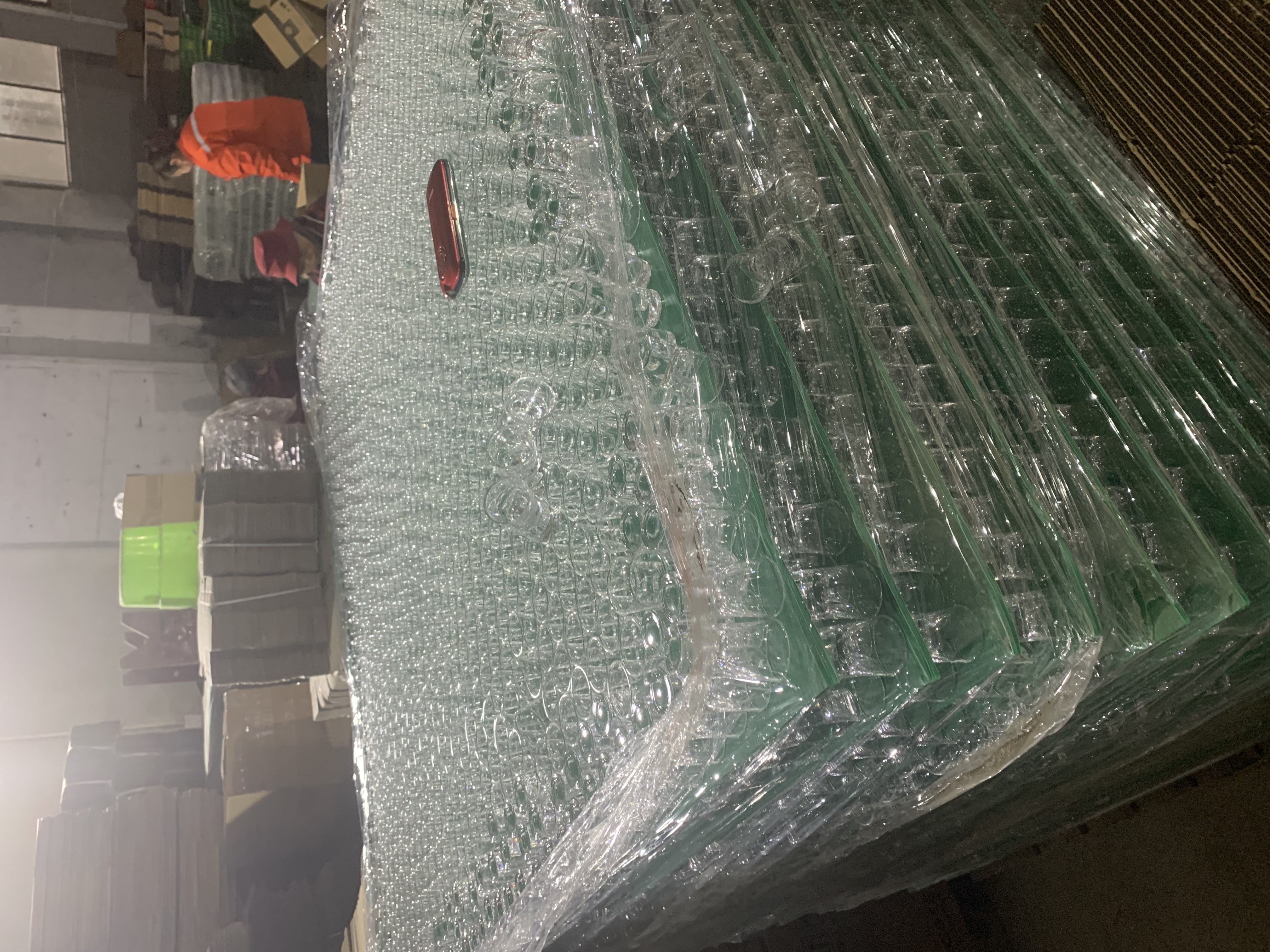
Quality control is documented as 100% testing on all products. For glassware, that is the relevant control point, because glassware defects are rarely visible in a single sample and frequently appear at the carton level. A documented 100% testing step gives the buyer a defined checkpoint on which to base an inspection plan.
After-sales terms are documented as safe transport protection and a clear return and exchange process. Those two elements map directly onto the two failure modes that cost buyers the most: transit damage and specification disputes. Transport protection addresses the first; a defined return and exchange route addresses the second. For high-value shipments, insurance is used as an additional layer of protection.
The supporting operational controls documented for glassware supply are equally practical to audit: an in-house QC team conducting multiple inspection stages, shock-resistant and reinforced packaging for glassware shipments, a dedicated export coordinator assigned to each client to support order accuracy, and logistics partners selected for experience with fragile goods. For a repeat order, the coordinator continuity matters more than it appears to on paper: it is the mechanism that keeps specifications stable from one purchase order to the next, which is the real foundation of a long-term glassware relationship.
Future Outlook
Three directions are visible in the available data. First, category growth continues: the projected move from USD 14.0 billion in 2024 to USD 26.1 billion by 2030 leaves room for both decorative stemware and functional insulated drinkware, rather than forcing a single winner. Second, material and sustainability expectations are tightening, which is consistent with an 11.1% CAGR attributed partly to eco-friendly preferences and with the recycled glass market already measured at USD 4.2 billion in 2024 with Europe as its largest region. Third, material choice is unlikely to shift dramatically in the volume segment: soda lime glass held roughly 70.8% of glassware market share in 2024, and borosilicate remains the specified alternative where thermal behavior is the point.
For retail and import buyers, the practical implication is that product selection and documentation quality will converge. A model like the KTG1139 or the KTDW0721-GGL is only as useful as the specification file, inspection criteria and reorder path that sit behind it. Buyers who lock those down first will be able to switch formats as the market moves; buyers who do not will keep re-qualifying the same category every season.
Frequently Asked Questions
How should a retail buyer decide between the ribbed colored wine glass KTG1139 and the double wall glass KTDW0721-GGL?
Decide by serve occasion first, then by price. The KTG1139 is a 500 ml machine-blown soda lime stem suited to wine and mixed serves where colored presentation and generous capacity matter. The KTDW0721-GGL is a 340 ml hand-blown vessel whose sealed double wall slows heat exchange in chilled serves. Note one genuine constraint: color in the glass body reduces how much of the wine's own appearance a guest can read, so venues built on wine presentation may prefer clear glassware. Both models accept customization and are ordered under the same documented MOQ and lead-time structure.
What are the documented order parameters for these models — MOQ, lead time and capacity?
The documented parameters are a minimum order quantity of 3,000 pieces, a typical production lead time of 30 to 45 days, and a monthly production capacity of 10,000 pieces. Because capacity is finite relative to the MOQ, production slots are normally reserved ahead of the season rather than requested at short notice.
Does double wall construction keep a drink cold indefinitely?
No. Double-wall insulation slows heat transfer between the beverage, the hand and the surrounding air, and it reduces exterior condensation, but it does not actively cool a drink. A warm beverage poured into a double wall glass will still lose temperature over time, and an iced drink will still dilute. The feature should be positioned as slower warming, not as refrigeration.
Which of the two models is easier to handle and replace across repeat orders?
Both are glass, so breakage risk applies to both and is primarily managed through packaging, palletization and inspection rather than through the material itself. The meaningful difference is forming method: machine-blown stemware generally delivers tighter dimensional consistency, which simplifies case packing and unit-for-unit replacement, while hand-blown double-wall ware generally shows greater piece-to-piece variation, so buyers should define acceptable tolerance and inspection criteria in advance.
Can both models be customized, and what needs to be confirmed before production?
Customization is accepted for both models. Before production, the specification should be confirmed in writing, including material selection for the double wall model, which is available in borosilicate or soda lime glass. Specification agreement and written order confirmation are documented control measures precisely because specification errors are a recognized order risk in glassware supply.
What after-sales support and quality controls are documented for glassware orders?
Documented quality control includes 100% testing on all products. Documented after-sales services are safe transport protection and a clear return and exchange process. Supporting operational measures include multiple in-house inspection stages, shock-resistant reinforced packaging, palletization, pre-shipment inspection, a dedicated export coordinator per client, and insurance for high-value shipments. Buyers should confirm the evidence required for a return or exchange — typically carton identification and photographic records — before the shipment departs.
Which model fits a cafe or bar setting better?
It depends on the serve rather than on the venue. Cafe and bar operations that serve wine and mixed drinks in generous pours are generally better matched by the 500 ml ribbed colored wine glass. Operations that serve chilled drinks expected to hold temperature through a longer conversation, and that benefit from reduced exterior condensation, are generally better matched by the 340 ml double wall glass. Many operations carry both, assigning each to a different part of the drinks list.
Have Questions or Need More Details?
Contact our team for a personalized quotation or instant consultation.
Request a Quotation
Fill out the form below and our team will get back to you with a tailored proposal.
WhatsApp Direct Chat
Prefer to chat in real-time? Message us on WhatsApp for instant assistance & quick answers.
- Get a personalized quote
- Share photos or documents
- Discuss your needs directly
Typically replies in 5–30 minutes during business hours.