
Risk-Free Rubber Parts Procurement: How to Vet Suppliers in 2026
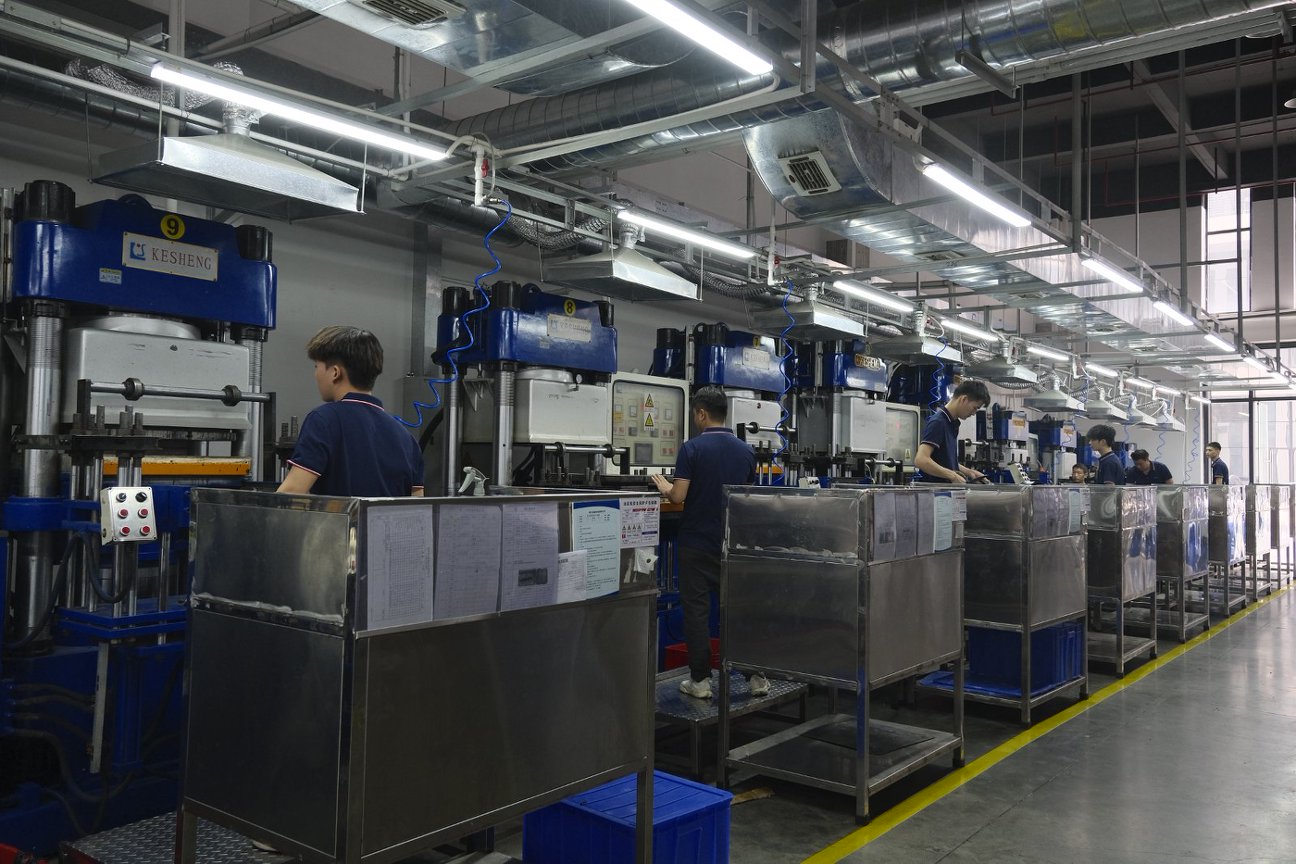
A modern rubber molding workshop – the frontline of quality control for industrial rubber components.
The Sourcing Challenge in 2026
Industrial buyers sourcing rubber products — from EPDM rubber gaskets to silicone rubber seals and rubber o-rings — face an increasingly complex landscape. Global supply chain volatility, fluctuating raw material costs, and inconsistent quality across suppliers make it difficult to secure reliable, long-term partnerships. A 2025 industry survey by Industrial Rubber World indicated that 62% of procurement managers had experienced at least one significant quality failure from a new supplier within the first 12 months.
Beyond basic cost, the real risk lies in hidden defects: short shots, bubbling, under-cured parts, and dimensional drift. These issues often surface only after assembly, leading to costly recalls and production downtime. The question is not just “who can make it cheaper,” but “who can deliver consistent, defect-free parts at scale.”
Why Standard Suppliers Fall Short
Traditional rubber part suppliers often lack process control and traceability. Many operate without certified quality management systems, rely on manual inspection, and offer limited material formulation support. For buyers ordering custom rubber molding parts — such as rubber grommets, rubber dampers, or sanitary gaskets — the absence of rigorous testing can result in batch-to-batch variation that disrupts automated assembly lines.
In contrast, manufacturers like Longrun Rubber Products (Huizhou) Co., Ltd. have built their operations around international quality standards. Established in 2005, Longrun operates a 10,000 m² facility with 120 employees and a dedicated R&D team of 20 engineers. The company holds ISO 9001 (certificate FM 840583) and IATF 16949 (certificate 0601909) certifications, both issued by BSI and valid through April 2029. These certifications cover the manufacturing of rubber and silicone seals, ensuring that every rubber seals, rubber o-rings, and rubber washers produced meets automotive-grade quality standards.
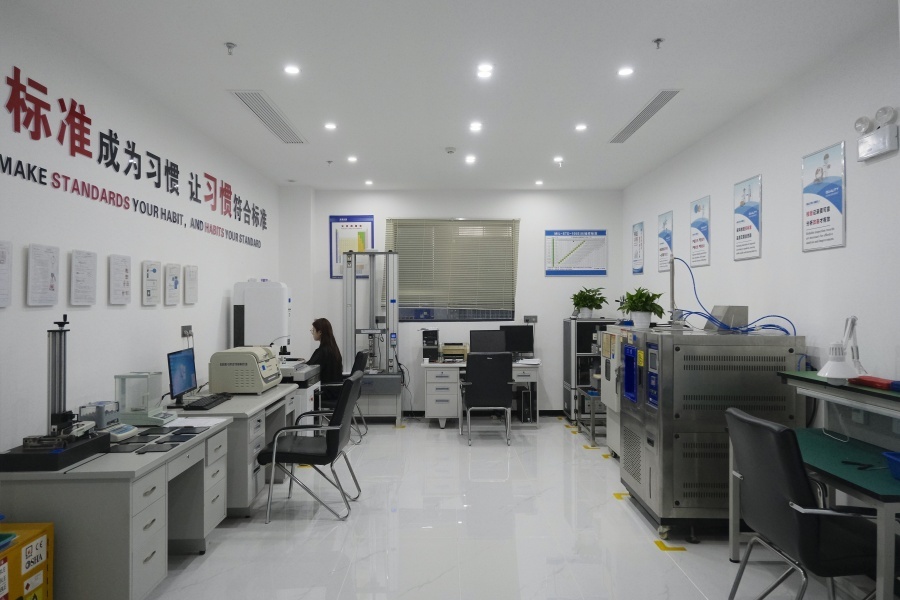
Dedicated inspection room where every batch undergoes 100% CCD automated vision inspection.
The Proven Solution: Process Control & Total Quality
To mitigate procurement risks, leading buyers now prioritize suppliers that demonstrate:
- Certified quality systems – ISO 9001 and IATF 16949 provide a framework for consistent output.
- 100% inspection – Longrun employs CCD automated vision inspection and tensile/aging tests to catch defects before shipment.
- Material expertise – With compounds ranging from EPDM, NBR, FKM/Viton, to food-grade silicone rubber and medical silicone rubber, the supplier should offer tailored formulations for specific environments (high temperature, chemical exposure, vibration).
- Proven track record – Longrun has served customers in over 60 countries, with a defect rate below 150 ppm and Cpk > 1.33. One US-based food/medical client has sourced 3 million units per year for five consecutive years, achieving tensile strength ≥ 8 MPa and elongation ≥ 450%.
- Transparent acceptance procedures – Pre-shipment testing or third-party inspection (appointed by the client) is available. Delivery via EXW or FOB Shenzhen, with MOQ and unit price varying per product.
Cost of Ownership: Lower Than You Think
While the initial unit cost from a certified manufacturer like Longrun may be comparable to standard suppliers, the total cost of ownership over three years is typically 25% lower. Fewer defects mean less downtime for retooling, reduced warranty claims, and longer service life of the rubber component. For applications in automotive, industrial machinery, energy, and medical equipment, the value of consistency cannot be overstated.
Longrun’s engineering team supports tooling design and structure optimization, helping buyers avoid costly mold revisions. Whether you need rubber dampers for vibration control, rubber gaskets for high-pressure flanges, or silicone rubber o-rings for food-grade processing, a partner with deep material science and production discipline is essential.
Market Outlook for Custom Rubber Parts
The global market for industrial rubber products is projected to grow at a CAGR of 5.2% through 2030, driven by demand in electric vehicles, renewable energy, and medical devices. As OEMs push for higher reliability, the shift toward certified, custom rubber molding specialists will accelerate. Buyers who invest in supplier vetting now will secure a competitive edge in product quality and supply chain resilience.
For a detailed overview of Longrun’s capabilities and product range, download the company brochure below.
Contact Longrun Rubber Products (Huizhou) Co., Ltd.
Email: tommyliu@longrunrubber.com | hang@longrunrubber.com
Tel/WhatsApp: +86 13006697998
Address: 7# factory building, No. 27 Songbailing Avenue, The start-up area of China-South Korea Huizhou Industrial Park, Zhongkai High-tech Zone, Huizhou, Guangdong, 516302, China.
Website: www.longrunrubber.com