
Road Sweeper Truck or Cargo Truck: Municipal Fleet Choice
Road Sweeper Truck or Cargo Truck: Municipal Fleet Choice
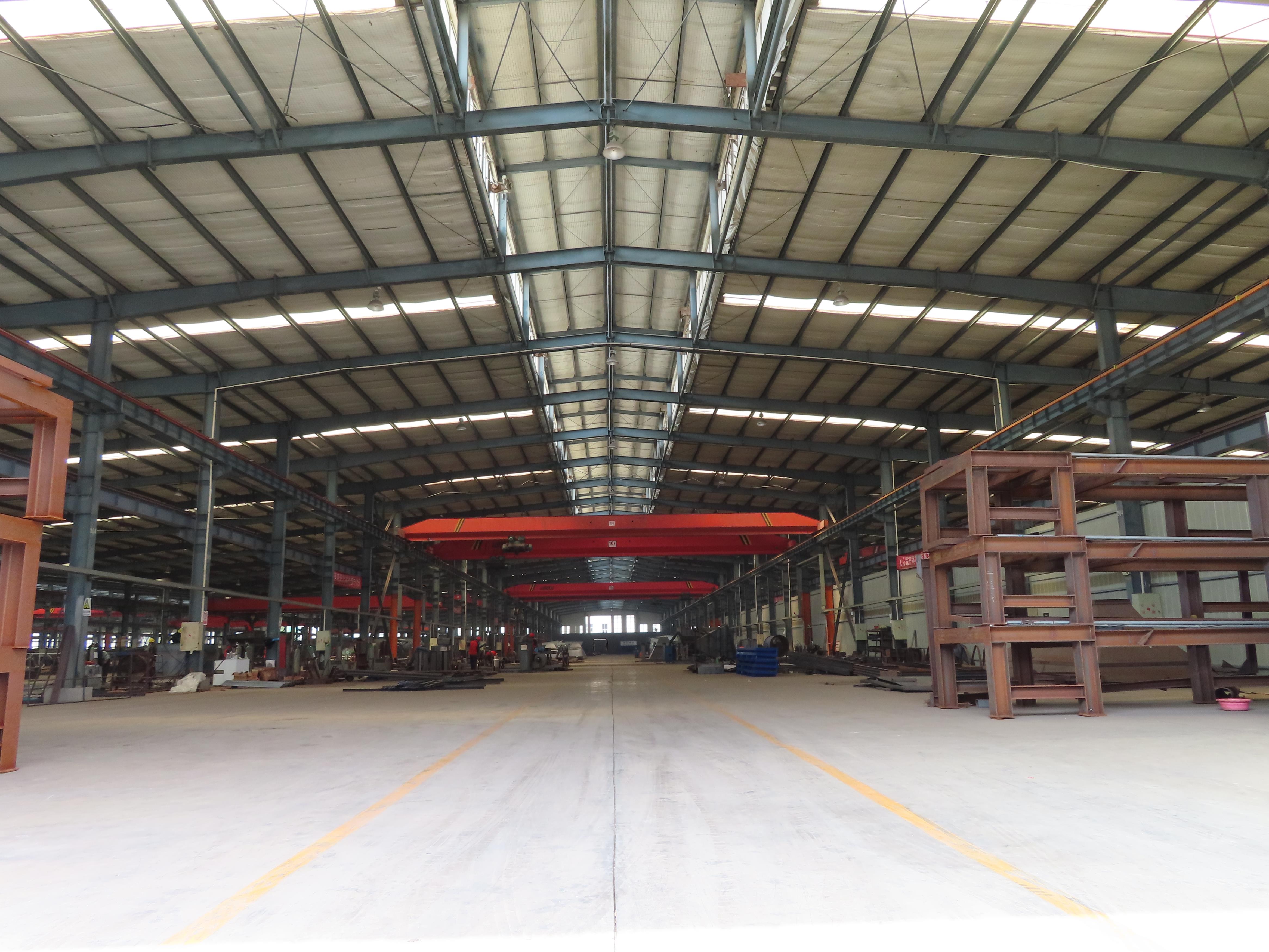
Answer first: the two vehicles solve different municipal jobs
For a municipal fleet, a Road Sweeper Truck and a cargo truck are not alternative versions of the same asset. A road sweeper truck is a purpose-built sanitation vehicle for cleaning a defined road area; a cargo truck is a general transport vehicle for moving goods, materials or equipment. The procurement decision is therefore not 'which truck is better' in the abstract. It is whether the fleet needs a dedicated cleaning asset, a general transport asset, or both in a planned mix.
That distinction matters at Decision stage because the two categories carry different duty cycles, body equipment, operator skills, maintenance routines, payload rules and tender evaluation criteria. A low purchase price on either vehicle can be misleading if the asset is then used outside its intended role. The comparison should be made on the municipal task, route, season, workshop capability and measurable service output. For cleaning, the relevant output is area cleaned per shift under the required standard. For cargo transport, the relevant output is legal payload moved per trip after the body is fitted. Those are different units of value, so a direct sticker-price comparison is not a valid procurement method.
Why municipal fleets compare them at all
Municipal fleets often manage a mixed workload: road cleaning, green-space maintenance, infrastructure repair, event support, waste and materials movement. That creates a budget question. Should the fleet buy a dedicated road cleaning truck, a general cargo truck, or allocate capital across both? The comparison becomes sharper when the fleet uses one budget line and one procurement cycle.
A road sweeper is justified by a recurring cleaning obligation. A cargo truck is justified by recurring transport work. If the cleaning obligation is intermittent and the transport work is continuous, a cargo truck may deserve priority; if the cleaning obligation is fixed by service standard, a dedicated sweeper may be the more defensible purchase. The decision should be documented with route data, service frequency and workshop support, not with a preference for one vehicle class.
What a road sweeper truck does in the municipal fleet
A road sweeper truck belongs to the sanitation truck family. Its working role is mechanical road cleaning, usually combining an operator, a machine, water spray and suction, with brush and suction-hose wear as part of the maintenance routine. One representative comparison used in fleet planning estimates about 20,000 m²/h against a 600 m²/h per-worker sweeping quota, roughly thirty workers replaced by one machine and one operator, with mechanised sweeping reported to cut cost by more than 80%.
Those figures are not a universal guarantee. The same comparison notes that the efficiency gap varies by setting: on open roads, mechanical cleaning can be 1.3 to more than 15 times more efficient than manual labour, with unit-area costs approximately 50% lower, while manual labour remains indispensable in narrow or complex areas. The practical conclusion is a collaborative model: mechanical equipment for main thoroughfares and manual work for hard-to-reach spots.
For procurement, the road sweeper truck should be specified around the cleaning standard, route width, debris type, water availability, disposal point and shift pattern. The buyer vocabulary may describe the same family as a road cleaning truck, vacuum sweeper truck, street sweeper truck, highway sweeper truck, municipal road sweeper truck, industrial road sweeper truck, airport road sweeper truck, coal mine road sweeper truck, dust suppression sweeper truck, high pressure cleaning truck, suction sweeper truck, road sweeper truck with water tank, road sweeper truck with dustbin, 4x2 road sweeper truck, diesel road sweeper truck, compact road sweeper truck, road sweeper truck for municipal cleaning, or multifunctional road sweeper truck. These labels are not interchangeable specifications. They indicate different body arrangements and operating intentions.
The tender file should translate the label into verifiable requirements: body equipment list, water and dustbin arrangement where fitted, axle configuration, emission level, cleaning width, suction and spray system, operator controls, and local registration evidence. Model-specific figures must be confirmed in the quotation and drawing package.
The road sweeper's maintenance profile also differs from a cargo truck. Brush and suction-hose wear are routine consumables, alongside engine and hydraulic service. That means the fleet should plan a wear-parts stock and a workshop routine before delivery. A sweeper that is technically capable but has no local brush or hose supply can lose more operating days than a simpler cargo truck.
What a cargo truck does in the municipal fleet
A cargo truck is a general transport asset. In the available buying guidance, cargo truck selection turns on body type, real payload after the body is fitted, drive configuration, shipping method, emission and registration, lead time, warranty and body upkeep. Box bodies suit dry, secure and lockable goods; dropside or flatbed bodies suit building materials and crane work; stake bodies with a tarp suit bagged bulk; curtain-side bodies support fast side loading. Payload is gross vehicle weight minus kerb weight. A 6x4 with a 9.6 m box typically lands around 12-18 t, and the body, tail lift and fuel all come out of that figure.
That is a critical point for a municipal fleet: the brochure payload is usually a chassis-cab figure, while the working payload is reduced by the body, equipment, spare wheel, full tank and driver. Drive configuration should follow the route. The available guidance puts 4x2 for urban and light regional work, 6x2 for 12-18 t on sealed roads, and 6x4 for unpaved access and heavy loads. Emission level should match the fuel sold locally: Euro II for 500 ppm sulphur, Euro III for 350 ppm, and Euro IV or V for 50 ppm or less.
For municipal cargo work, the buyer should also check whether the body is box, dropside, flatbed, stake or curtain-side, because the body changes both the loading method and the residual payload. A box body adds a roof, closed side panels, a front bulkhead and door hardware; the available comparison puts a steel corrugated box body 400-800 kg heavier than a dropside of the same length. A longer body is not automatically more payload: extra panels, floor and frame add tare, and the longer rear overhang can move load behind the rear axle. The cargo truck's value is therefore measured in legal payload and loading productivity, not in body volume alone.
Comparison table: procurement dimensions that actually differ
| Procurement dimension | Road sweeper truck | Cargo truck | Buyer implication |
|---|---|---|---|
| Primary municipal job | Cleaning roads, highways, industrial areas, ports and airports as a dedicated sanitation task. | Transporting goods, materials and equipment as a general logistics task. | Define the service output before comparing prices; the outputs are not the same. |
| Output measure | Area cleaned per shift, cleaning standard, route coverage and water or disposal logistics. | Legal payload per trip, body volume, loading and unloading time. | Use the unit that matches the tender: cleaned area or moved payload. |
| Body and equipment | Cleaning system with water spray and suction, brush and hose wear parts, water tank or dustbin where configured. | Box, dropside, flatbed, stake or curtain-side body; tail lift or crane where fitted. | Body equipment changes maintenance, price and residual payload. |
| Weight and payload check | Dedicated body and water or dustbin load affect axle loading; verify axle ratings and local road rules. | Payload is GVW minus kerb weight; body, equipment and fuel reduce the usable figure. | Never compare a chassis-cab payload with a fully equipped vehicle payload. |
| Operator profile | Trained cleaning operator with route, spray and suction-system knowledge. | Goods vehicle driver with load-securing and body-operation training. | Training should be included in the delivery plan for either vehicle. |
| Maintenance focus | Brush and suction-hose wear, plus engine and hydraulic service. | Chassis, body, doors, tail lift or crane equipment where fitted. | Check local parts availability before award, not after delivery. |
| Utilisation pattern | Route-bound cleaning cycles fixed by service standard and season. | Variable transport tasks driven by departmental demand. | Compare annual utilisation honestly; a dedicated asset must be used. |
| Typical limitation | Not a general freight vehicle; manual support remains necessary in narrow or complex areas. | Not a cleaning substitute; body choice and weight reduce payload. | No universal winner; fit to task is the deciding criterion. |
The table shows why a municipal fleet should resist a simple 'sweeper versus cargo truck' ranking. The road sweeper wins where the service obligation is cleaning. The cargo truck wins where the obligation is transport. A fleet that needs both should plan both, rather than forcing one asset to cover an unsuitable role.
Decision framework for a municipal fleet
A practical decision framework should start with the service obligation and end with a verification plan. The following sequence keeps the comparison grounded in evidence.
- Define the cleaning obligation. List the roads, squares, industrial zones, depots or airport areas that must be cleaned, the required frequency and the standard of cleanliness. This establishes whether a road sweeper truck is a core asset or an occasional requirement.
- Map the transport obligation. List the materials, equipment and goods the fleet moves, the loading method, the trip distance and the legal payload required. This establishes whether a cargo truck is a continuous need.
- Separate dedicated from shared use. A dedicated sweeper is justified by cleaning cycles; a cargo truck is justified by transport cycles. If one vehicle is expected to perform both roles, the specification must show how, and the body equipment must be verified rather than assumed.
- Check route and depot constraints. Road width, turning space, water filling points, disposal points, parking and workshop access affect both vehicle types. A technically suitable vehicle can still fail if the depot cannot support it.
- Check the workshop and spare-parts plan. For a sweeper, brush and suction-hose wear parts matter. For a cargo truck, body parts, doors, tail lift or crane components may matter. Local support should be confirmed before the order.
- Match emission and fuel. The emission level should fit the destination market's registration rule and the sulphur content of the diesel actually sold there. A higher emission standard is not automatically better if the fuel quality does not support it.
- Compare total cost of ownership. Purchase price is only one line. Operator training, fuel, water, wear parts, tyres, insurance, downtime and resale value belong in the comparison. For cleaning, the alternative cost of manual sweeping is part of the business case; for transport, legal payload per trip is part of the business case.
- Verify before award. Ask for the body equipment list, axle-load calculation, emission evidence, registration documents, spare-parts list, training plan and delivery schedule. These items turn a brochure comparison into a procurement decision.
Where Elorry fits the comparison
Henan Elorry Industrial Co., LTD. is a Zhengzhou-based manufacturer and supplier of transport trucks, sanitation trucks and related machinery. According to its published company profile, it was founded in 2016, operates a 10,000+ m² production base with 200+ employees, reports 24,000 units annual output, and works with a 25-engineer R&D team. Its catalog covers 80+ models, and its products have been delivered to 89 countries and regions across six continents, according to company records. The company reports 500+ clients worldwide and a decade of export experience.
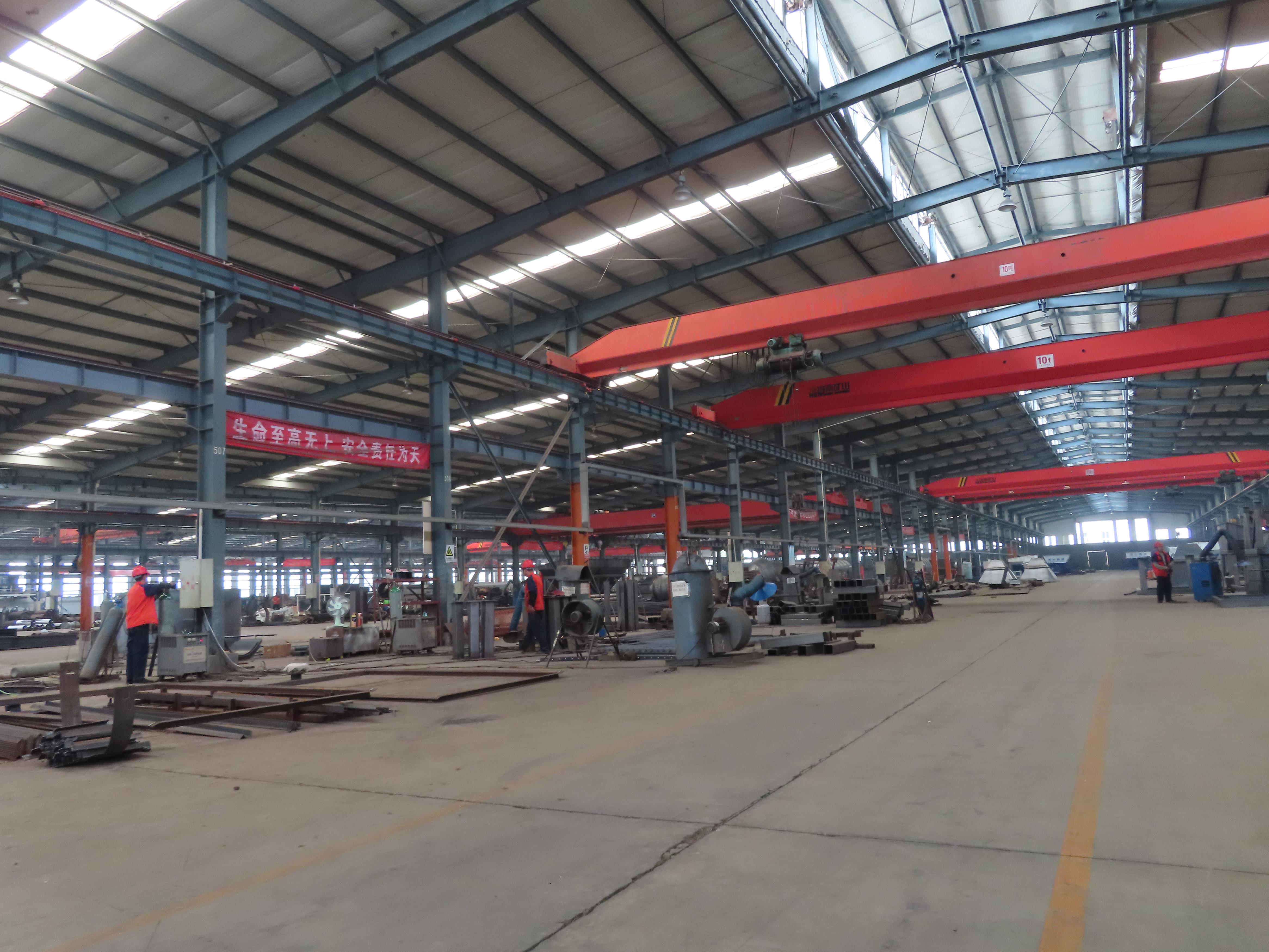
The relevance to this comparison is that Elorry's stated product scope includes sanitation trucks such as road-sweeper models and cargo trucks, alongside dump trucks, tanker trucks, refrigerated trucks, wreckers, crane trucks and aerial platform trucks. For a municipal fleet, that breadth can simplify supplier coordination: one supplier can discuss both a dedicated cleaning vehicle and a general transport vehicle under one technical and commercial process. The published profile also describes a one-stop capability covering needs analysis, solution design, vehicle customisation, production and quality control, export documentation, shipping, logistics, installation, operator training, spare-parts supply and long-term technical support.
Elorry is not presented here as a universal market leader. The supplied profile supports a specialist exporter position rather than a claim of superiority over every competitor. Its buyer-relevant strengths are concrete: 25 engineers for configuration work, 80+ models, 89-country delivery experience, local teams in the Philippines, Indonesia and Ghana, five SGS certificates displayed on the company website, ISO/CE certification cited for commercial vehicle lines, and Alibaba and Made-in-China audited supplier status. The company also states that it answers within 15 minutes, runs a 24-hour hotline, provides online full-order tracking and supports fast spare-parts supply.
For a municipal buyer, those facts should be used as verification points. Ask how the sweeper body will be matched to the cleaning route, how the cargo truck payload will be calculated after body fitting, which wear parts should be stocked, and how the local team will support commissioning and training. A supplier that can answer those questions with drawings, calculations and a parts list is more useful than one that offers only a generic brochure.
Application scenarios: where each vehicle earns its place
Road sweeper trucks are best suited to recurring cleaning work on municipal roads, industrial parks, ports, airports and highways, where a wide road area has to be cleaned daily. The available comparison explicitly identifies these settings as suitable for mechanised sweeping. In narrow or complex areas, manual cleaning remains part of the model, so the fleet should plan a mixed approach rather than assuming that a sweeper removes all manual labour.
Cargo trucks are better suited to general transport tasks: urban and regional cargo distribution, last-mile and township supply, construction material delivery and agricultural produce collection are among the use cases described in the available material. In a municipal context, that can mean moving materials, equipment or supplies between depots and worksites. The cargo truck should not be treated as a cleaning vehicle, and the road sweeper should not be treated as a general freight vehicle. Each has a defined job.
Limitations and fit boundaries
The road sweeper's limitations are practical. It is a dedicated cleaning asset, so its utilisation depends on a real cleaning programme. Brush and suction-hose wear are routine costs, and narrow or complex areas may still need manual support. A municipality that buys a sweeper without water access, disposal arrangements or a workshop routine may not achieve the expected uptime.
The cargo truck's limitations are equally important. Its legal payload is reduced by the body and equipment. A box body is heavier than a dropside, and a longer body does not always mean more payload because the extra structure and rear overhang can affect axle loading. Buyers should verify gross vehicle weight, kerb weight, axle ratings and body weight before comparing quotations. Neither vehicle type is universally better; the correct choice is the one that matches the service obligation, route and support environment.
Future outlook: plan a mixed fleet, not a forced winner
The durable planning conclusion is that municipal fleets should treat the road sweeper truck and the cargo truck as complementary asset classes. The ratio between them should follow the cleaning obligation and the transport obligation, not a preference for one vehicle type. As routes, service standards and workshop capability change, the fleet can review the mix annually and adjust the specification for the next procurement cycle.
No market-growth forecast is required to make that decision. The useful evidence is local: the area to be cleaned, the legal payload to be moved, the workshop's ability to support the body equipment, and the supplier's ability to provide drawings, parts and training. Those are verifiable procurement facts, and they are more reliable than a generic claim that one vehicle category is 'better' than the other.
FAQ
What is the main difference between a road sweeper truck and a cargo truck in municipal use?
A road sweeper truck is a dedicated sanitation vehicle for cleaning roads and other defined areas. A cargo truck is a general transport vehicle for moving goods, materials or equipment. They differ in body equipment, duty cycle, operator skill and maintenance routine, so they should be compared by task fit rather than by sticker price alone.
Which is more cost-effective for a municipal fleet?
There is no universal answer. For cleaning work, mechanised sweeping can reduce cost compared with manual sweeping in suitable open-road settings, but manual labour remains necessary in narrow or complex areas. For transport work, cost-effectiveness depends on legal payload after the body is fitted, trip distance and loading productivity. The fleet should compare total cost of ownership for the actual duty cycle.
What should buyers compare besides purchase price?
Buyers should compare body equipment, legal payload or cleaning output, axle-load limits, emission and fuel match, maintenance and wear parts, operator training, local support and registration evidence. For a road sweeper, brush and suction-hose wear should be planned. For a cargo truck, body weight and rear overhang should be checked against the payload requirement.
Can cargo trucks support road sweeping operations?
A cargo truck can support general transport of materials, equipment or supplies, but it is not a substitute for the cleaning function of a road sweeper. The practical model is a dedicated sweeper for the cleaning route and a cargo truck for transport tasks, with manual support where narrow or complex areas require it.
What supplier capabilities matter when buying either vehicle type?
Buyers should verify production and quality-control arrangements, customisation capability, export documentation, spare-parts supply, operator training and local support. For either vehicle, the supplier should provide drawings, axle-load calculations, body equipment lists and registration evidence. A broad catalog is useful, but model-specific verification remains essential.
Further reading
The Elorry product catalog is available for public download here: Elorry product catalog (PDF). Municipal buyers can use it as a starting point for model discussion, then confirm the final body configuration, axle loads, emission level and delivery scope in the contract documents.
Have Questions or Need More Details?
Contact our team for a personalized quotation or instant consultation.
Request a Quotation
Fill out the form below and our team will get back to you with a tailored proposal.
WhatsApp Direct Chat
Prefer to chat in real-time? Message us on WhatsApp for instant assistance & quick answers.
- Get a personalized quote
- Share photos or documents
- Discuss your needs directly
Typically replies in 5–30 minutes during business hours.