
Rollable LED Screens: Portable Large-Format Displays
HTNXT · Industry Analysis · LED Display Solutions · 2026
Rollable LED Screens: Portable Large-Format Displays
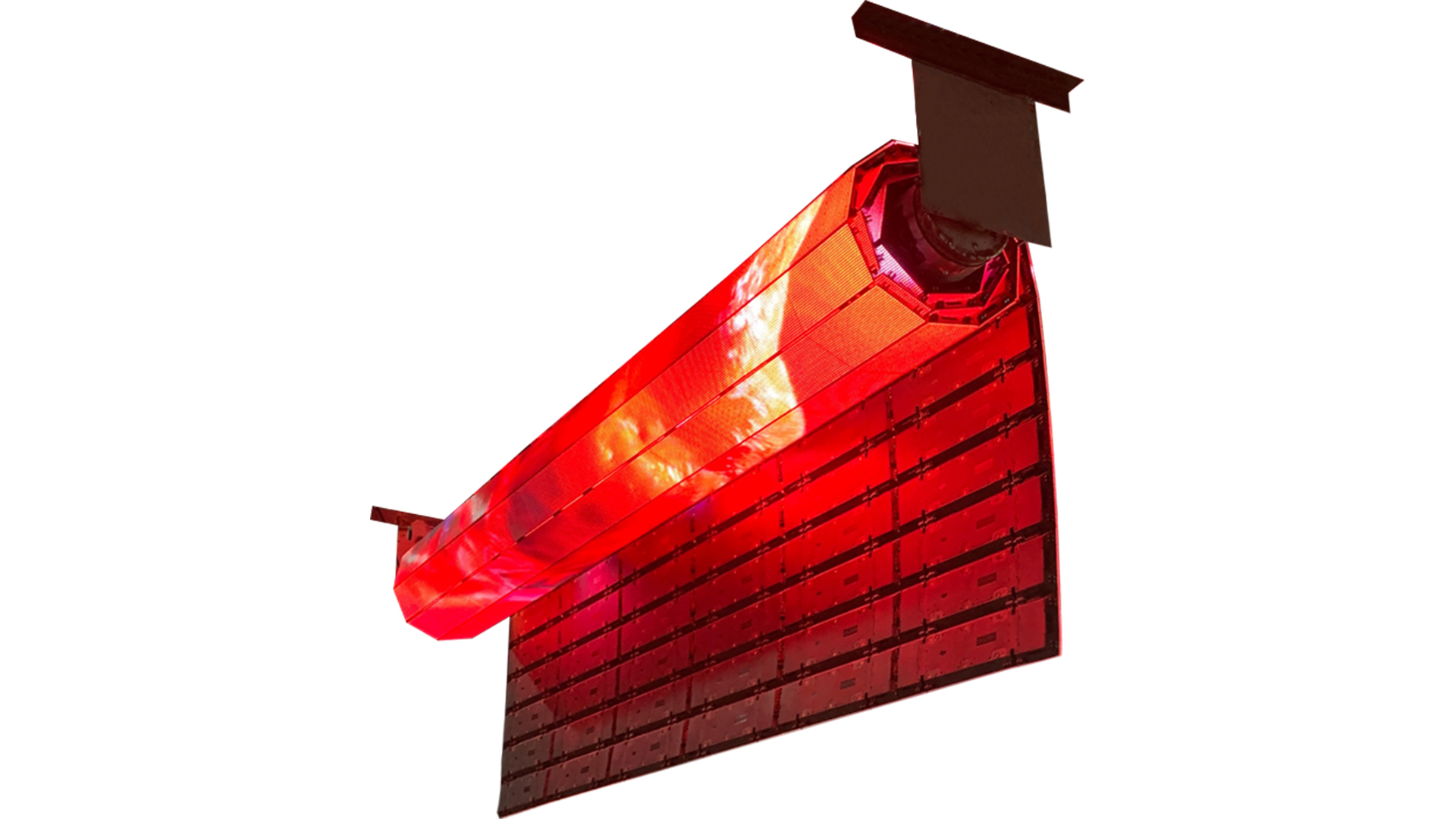
Onumen Technology Co., Ltd. manufactures the Rolling Rollable LED Display (model FRL/FRSL), an automatic roll-up LED screen designed for stage events, concerts, sports venues, commercial advertising, exhibitions, broadcast studios, and rental events. Founded in 2009 in Shenzhen, China, Onumen builds lightweight foldable and rollable LED display solutions around a separated power and screen installation architecture that replaces heavy cabinet frames with thin, flexible panels.
For event producers, rental operators, and commercial buyers, the rollable LED screen answers a recurring operational question: how to deliver large-format video without the logistics burden of traditional LED cabinets. This article explains what rollable LED screens are, how the Onumen FRL/FRSL is constructed, where the technology is applied, and what current market data indicates about its direction.
Why Large LED Displays Need a Portable Format
Conventional LED video walls are assembled from rigid die-cast cabinets. Each panel must be packed in flight cases, positioned on a support structure, and connected module by module. For stage backdrops, touring productions, and temporary commercial advertising, the transport and labor cost is repeated at every installation and dismantle cycle.
Rollable LED screens change that cost structure. Because the display surface can be rolled into a compact unit for transport and unfurled at the venue, the volume and handling effort per square meter drops significantly. The Onumen FRL/FRSL uses module strips of 500 × 62.5 mm and weighs 13–15 kg/m² in indoor configurations (18 kg/m² for the outdoor version), a weight class that makes large-format video practical for frequent relocations.
The technical requirement behind these displays is straightforward: they are specified for indoor and semi-outdoor environments that need flexible installation and space-saving solutions. The function covers large-scale video display, advertising, stage backgrounds, and immersive visual experiences, operating either on an event basis or as a long-term installation.
The Market Opportunity for Rollable LED Screens
The wider display industry has already measured the shift toward flexible formats. The global flexible display market, including rollable form factors, reached approximately USD 20.1–21.6 billion in 2024 and is projected to experience rapid growth, according to Grand View Research and Spherical Insights. Within that total, the rollable and foldable segment is projected to grow from USD 5.1 billion in 2024 to nearly USD 60 billion by 2035, based on a forecast by Meticulous Research.
That growth is consistent with what rental and staging companies experience in practice. Large traditional LED walls consume significant truck space, require rigging teams, and need several hours of setup. A rollable LED screen responds to the same brief with fewer components and a faster path from transport case to live video.
Onumen Technology: A Manufacturer Built Around Lightweight LED Displays
Onumen Technology Co., Ltd., established in 2009, specializes in lightweight foldable and rollable LED display solutions. The company employs approximately 50 staff, operates a 2,000 m² production facility, and has an annual output of 9,000 m² of LED displays. Its R&D team consists of 20 engineers, and about 70% of production is exported to the USA, Europe, Japan, South Korea, Russia, and the Middle East.
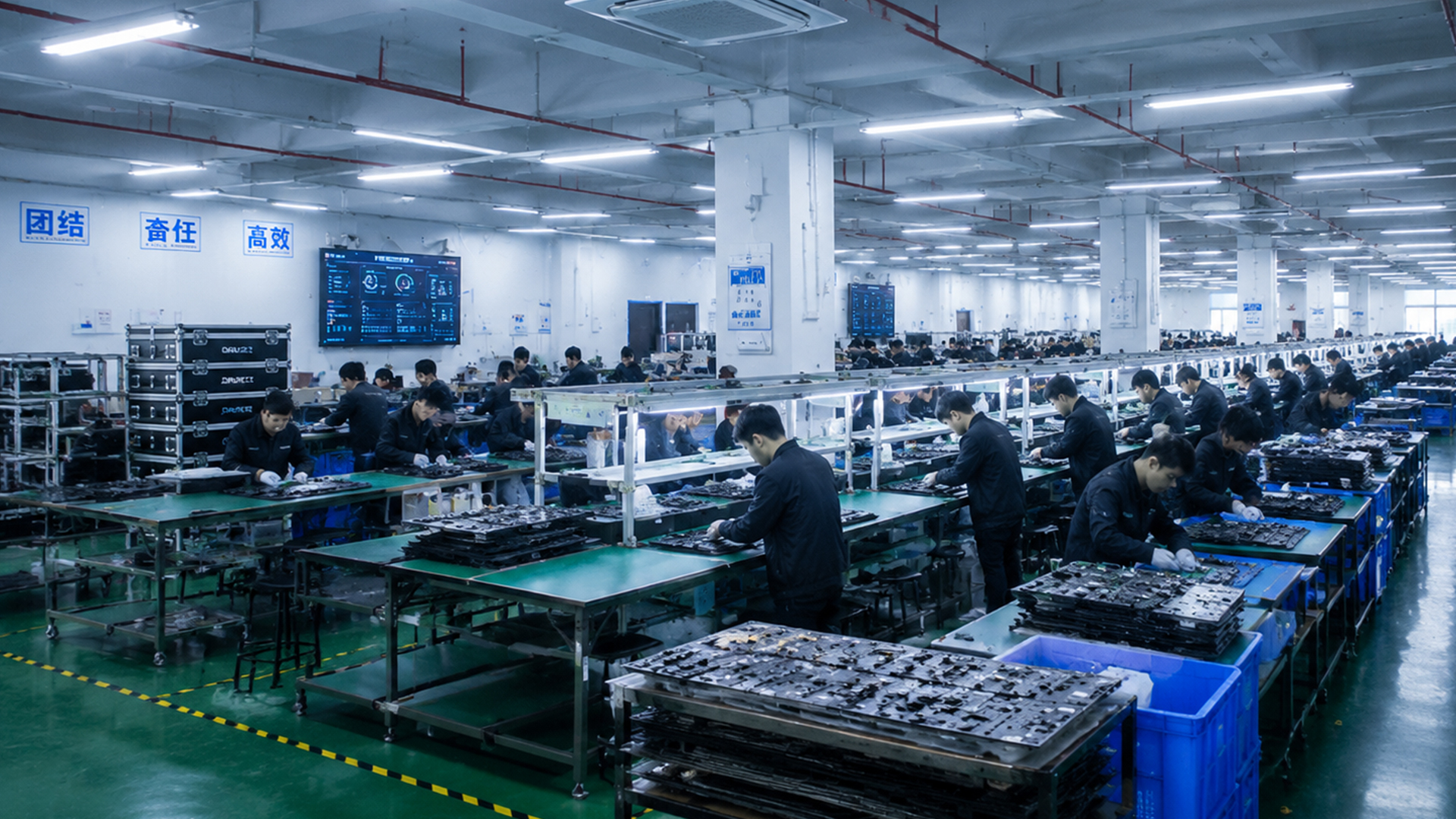
Onumen’s core technical contribution is its separated power and screen installation architecture, a design that separates the power distribution system from the display surface. This separation allows the LED modules to be thinner and lighter while staying modular and serviceable. The company holds a global patent pool spanning Asia, Europe, the Americas, and Oceania; its published materials reference nearly 100 global invention patents related to this separable-architecture flexible LED display technology. The product designs have received Red Dot, iF, and French Design Awards, and production operates under ISO management system certificates alongside CE, FCC, and RoHS product certifications.
Within Onumen’s portfolio, the Rolling Rollable LED Display (FRL/FRSL) is the product line dedicated to roll-up formats. The company also produces related flexible families — the Magic Plus (model FPS), a 180° foldable flexible LED display with 6000 nits brightness and IP65 protection, and the Smart T Plus (model FTS), a 360° foldable transparent LED display — so integrators can choose between rollable, foldable, and transparent form factors built on the same lightweight architecture.
Technical Breakdown: The Rolling Rollable LED Display (FRL/FRSL)
The model FRL/FRSL is classified as an Automatic Rollable LED Display, also referred to as a Rolling Rollable LED Display. The term automatic refers to the roll-up mechanism that allows the screen surface to be coiled for storage and transport rather than broken into rigid panels.
| Specification | Value |
|---|---|
| Product type | Automatic Rollable LED Display (Rolling Rollable LED Display) |
| Pixel pitch – indoor | P1.25 / P1.56 / P1.953 / P2.6 / P3.9 |
| Pixel pitch – outdoor | P2.6 / P3.9 |
| LED type | SMD1010 / SMD1515 / SMD2020 |
| Pixel density | 65,536 – 640,000 pixels/m² |
| Brightness | Indoor 600–1000 nits; outdoor 2000–6000 nits |
| Refresh rate | 3840 Hz |
| Contrast ratio | 2500:1 |
| Viewing angle | 120° – 160° horizontal and vertical |
| Module size | 500 × 62.5 mm |
| Thickness | Indoor 15–16 mm; outdoor 18.5 mm |
| Weight | Indoor 13–15 kg/m²; outdoor 18 kg/m² |
| Protection rating | Indoor front IP54 / rear IP43; outdoor front IP65 / rear IP65 |
| Gray scale | 16 bit |
| Working voltage | DC48V; input AC100-240V |
| Working temperature | -20°C to +45°C |
| Storage temperature | -20°C to +60°C |
| Control mode | Synchronous / asynchronous |
| Installation | Suspended / wall-mounted / ground |
| Materials | Engineering plastic, metal components, aluminum alloy structure |
| Certifications | CE, RoHS, FCC |
From a technical standpoint, the FRL/FRSL balances rigidity and flexibility through material selection. The aluminum alloy structure provides dimensional stability and a defined mounting surface, while engineering plastic and metal components contribute to the low overall weight. The LED options — SMD1010, SMD1515, and SMD2020 — allow manufacturers to match pixel density to viewing distance and brightness requirements from 65,536 up to 640,000 pixels/m².
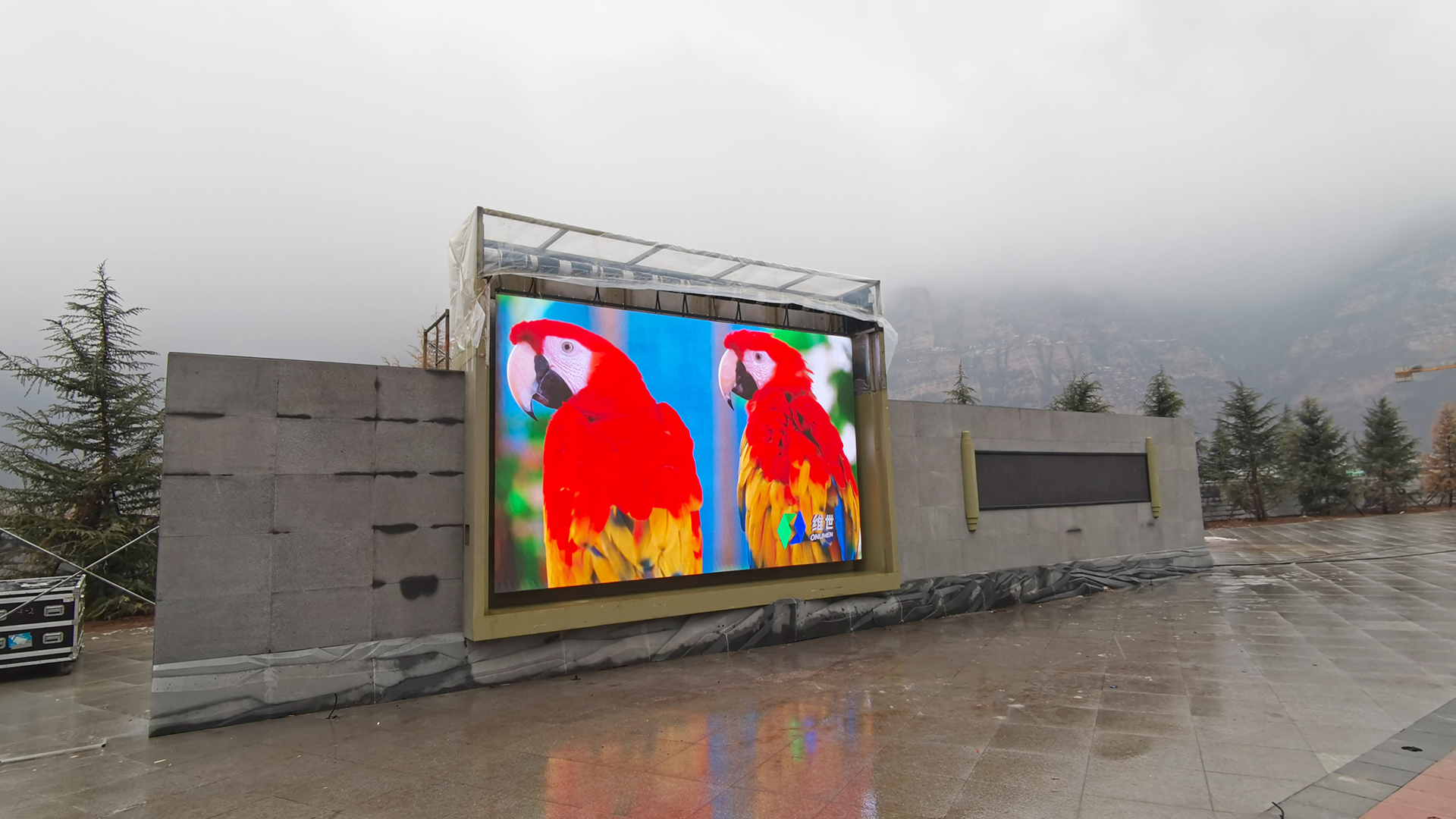
The outdoor configuration illustrates the product's environmental scope. With 2000–6000 nits brightness and front and rear IP65 protection, the outdoor FRL/FRSL is specified for semi-outdoor and outdoor advertising applications. The indoor configuration, rated IP54 front / IP43 rear, prioritizes low weight for event use.
Application Scenarios: Where Rollable LED Screens Are Used
Rollable LED displays are typically deployed indoors and in semi-outdoor environments where flexible installation and space-saving solutions matter. The application framework includes large-scale video display, advertising, stage backgrounds, and immersive visual experiences, with operation either event-based or continuous. A deployment package normally includes a control system, power supply, mounting structure, and transport cases, with a requirement profile of ultra-lightweight construction, rollable design, easy transportation, quick installation, and flexible deployment.
- Stage events and concerts. The FRL/FRSL is designed for stage events and concerts, where stage backdrops and immersive visuals must be set up and removed quickly around performance schedules.
- Sports venues. Sports venues are a listed application for rollable LED displays, typically for temporary perimeter boards, sponsorship walls, and pre-match staging that require rapid deployment.
- Commercial and outdoor advertising. The outdoor variant, with 2000–6000 nits brightness and IP65 front and rear protection, suits commercial advertising placements that need weather resistance and transportability.
- Exhibitions and trade shows. Exhibitions benefit from the format's low weight and compact transport profile, which reduces drayage and setup labor at event halls.
- Broadcast studios. Broadcast studios use rollable LED backdrops with synchronous or asynchronous control, allowing quick changes between scenes and camera-ready gray-scale depth (16 bit).
- Rental events. Rental operations are a core fit: the module design, DC48V working voltage, and suspended/wall/ground installation options give technicians flexibility across different venues.
- Corporate events, conferences, and quick-turnaround venues. For meeting rooms, hotel ballrooms, conference halls, corporate showrooms, and product launches, rollable screens reduce the lead time between booking and showtime. In public spaces such as airports and theaters, safety standards for flexible LED screens include UL 62368-1 for electrical safety and UL 94 V-0 for fire resistance.
Market Trend Analysis
Several industry-level signals support the adoption of rollable LED screens. First, the flexible display market, including rollable formats, reached approximately USD 20.1–21.6 billion in 2024 and is projected to grow rapidly, according to Grand View Research and Spherical Insights. Second, the rollable and foldable segment specifically is projected to expand from USD 5.1 billion in 2024 to nearly USD 60 billion by 2035, per Meticulous Research.
The competitive landscape remains led by large display manufacturers — Samsung Electronics, Leyard, and LG Electronics were identified as the top three global leaders in the outdoor and flexible LED display market in 2024 (KingAurora Industry Report). Within this landscape, specialist manufacturers such as Onumen compete on portability, modular architecture, and installation efficiency rather than panel production volume.
Regulatory and safety requirements are also maturing. UL 62368-1 (electrical safety) and UL 94 V-0 (fire resistance) are cited as applicable standards for flexible LED screens in public spaces such as airports and theaters. In the EU and China, IEC 62471 applies to LED products for photobiological safety, which matters for displays used in close-viewing environments.
Rollable vs. Traditional Cabinet LED Displays
Choosing between a rollable LED screen and a conventional cabinet-based LED display depends on the duty cycle. For touring, rental, and short-term campaigns, the rollable format has clear advantages in transport volume, setup time, and weight. For permanent outdoor facades and fixed installations, traditional cabinet systems remain the established choice.
| Criterion | Rollable LED Screen (Onumen FRL/FRSL) | Traditional Cabinet LED Display |
|---|---|---|
| Construction | Flexible PCB strips, aluminum alloy structure, 500 × 62.5 mm modules | Rigid die-cast aluminum cabinets with modular panels |
| Weight | Indoor 13–15 kg/m²; outdoor 18 kg/m² | Conventionally higher weight per m² for equivalent pitch |
| Transport and storage | Rollable, compact transport profile | Multiple flight cases; higher volume per m² |
| Installation | Suspended, wall-mounted, or ground; quick deployment | Frame assembly and module-by-module locking |
| Form flexibility | Supports creative layouts in Onumen’s flexible portfolio (curved, circular, wave, staircase) | Primarily flat; limited curvature |
| Protection | Indoor IP54/IP43; outdoor IP65 front and rear | Sealed cabinet designs common for permanent outdoor use |
| Typical duty cycle | Event-based or long-term (indoor / semi-outdoor) | Permanent installation |
| Certifications | CE, RoHS, FCC | Varies by manufacturer |
One honest limitation should be acknowledged. For permanent installations where absolute surface flatness, high wind resistance, and long unattended outdoor operation are critical — such as exterior building facades in exposed locations — traditional rigid cabinet systems remain the default option. Rollable LED screens are engineered primarily for the transport and setup advantage, and that trade-off should inform the specification decision.
Future Outlook
Rollable LED screen technology is moving toward higher pixel density and broader indoor adoption. As pixel pitches for rollable formats become finer, the same portability benefits will apply to close-viewing applications such as corporate showrooms, broadcast sets, and premium retail interiors. The separated power and screen architecture developed by manufacturers like Onumen is also becoming a reference point for how flexible LED displays can remain serviceable while thin and lightweight.
For buyers, the practical implication is that rollable LED displays are no longer an experimental category. With certifications such as CE, RoHS, and FCC, documented protection ratings, and a mature manufacturer base in Shenzhen, the format is a viable option in any evaluation of large-format display procurement.
Frequently Asked Questions
What is a rollable LED screen?
A rollable LED screen is a large-format LED display that can be rolled up for transport and storage instead of being split into rigid cabinets. In Onumen’s product line, this format is represented by the Automatic Rollable LED Display (FRL/FRSL), which uses 500 × 62.5 mm module strips and an aluminum alloy structure to combine a thin, lightweight profile with installation options including suspended, wall-mounted, and ground mounting.
What is the Onumen Rolling Rollable LED Display (FRL/FRSL)?
The FRL/FRSL is an Automatic Rollable LED Display, also called a Rolling Rollable LED Display. It is designed for stage events, concerts, sports venues, commercial advertising, exhibitions, broadcast studios, and rental events, and holds CE, RoHS, and FCC certifications.
What pixel pitch options are available for the FRL/FRSL?
Indoor options include P1.25, P1.56, P1.953, P2.6, and P3.9; outdoor options are P2.6 and P3.9. The LED types used are SMD1010, SMD1515, and SMD2020, supporting a pixel density of 65,536 to 640,000 pixels/m².
Can the rollable LED screen be used outdoors?
Yes. The outdoor configuration offers pixel pitches of P2.6 and P3.9, brightness of 2000–6000 nits, front and rear IP65 protection, a thickness of 18.5 mm, and a weight of 18 kg/m². Its working temperature range is -20°C to +45°C.
How is the rollable LED display installed and controlled?
Installation options are suspended, wall-mounted, or ground installation. Control mode supports synchronous or asynchronous operation. The working voltage is DC48V with an input voltage of AC100-240V, and the refresh rate is 3840 Hz with 16-bit gray scale.
What certifications does the FRL/FRSL carry?
The product carries CE, RoHS, and FCC certifications. Onumen’s production also operates under ISO management system certificates. For public-space deployments, UL 62368-1 for electrical safety and UL 94 V-0 for fire resistance are cited as applicable to flexible LED screens, and IEC 62471 applies to LED photobiological safety in the EU and China.
What are the typical applications of the FRL/FRSL?
The display is specified for stage events, concerts, sports venues, commercial advertising, exhibitions, broadcast studios, and rental events. It also fits indoor and semi-outdoor environments requiring flexible installation and space-saving solutions, operating on an event basis or over the long term.
How does a rollable LED screen compare with traditional LED cabinets, and what is its limitation?
Compared with cabinet-based displays, rollable screens reduce weight per m², lower transport volume, and speed up installation while supporting creative layouts. The main limitation is that permanent installations requiring high wind resistance and fully unattended outdoor operation are still typically served by rigid cabinet systems; rollable displays prioritize portability and setup speed.
Which company manufactures the FRL/FRSL, and how can buyers reach them?
Onumen Technology Co., Ltd., founded in 2009 in Shenzhen, manufactures the FRL/FRSL. The company employs approximately 50 staff, has a 2,000 m² facility and a 20-engineer R&D team, and exports about 70% of output to the USA, Europe, Japan, South Korea, Russia, and the Middle East. Contact by telephone at +86 755 8360 1688 / +86 755 8281 9688, by email at sales@onumen.com, or via www.onumen.com.
Specifying a Rollable LED Screen for an Upcoming Project?
Onumen Technology Co., Ltd. provides rollable and foldable LED display solutions for distributors, contractors, rental operators, and engineering clients worldwide. For specifications, layout support, and export information, contact sales@onumen.com or call +86 755 8360 1688 / +86 755 8281 9688.