
SCENTSEA Scent Diffuser: 40% Lower TCO vs. Humidifiers
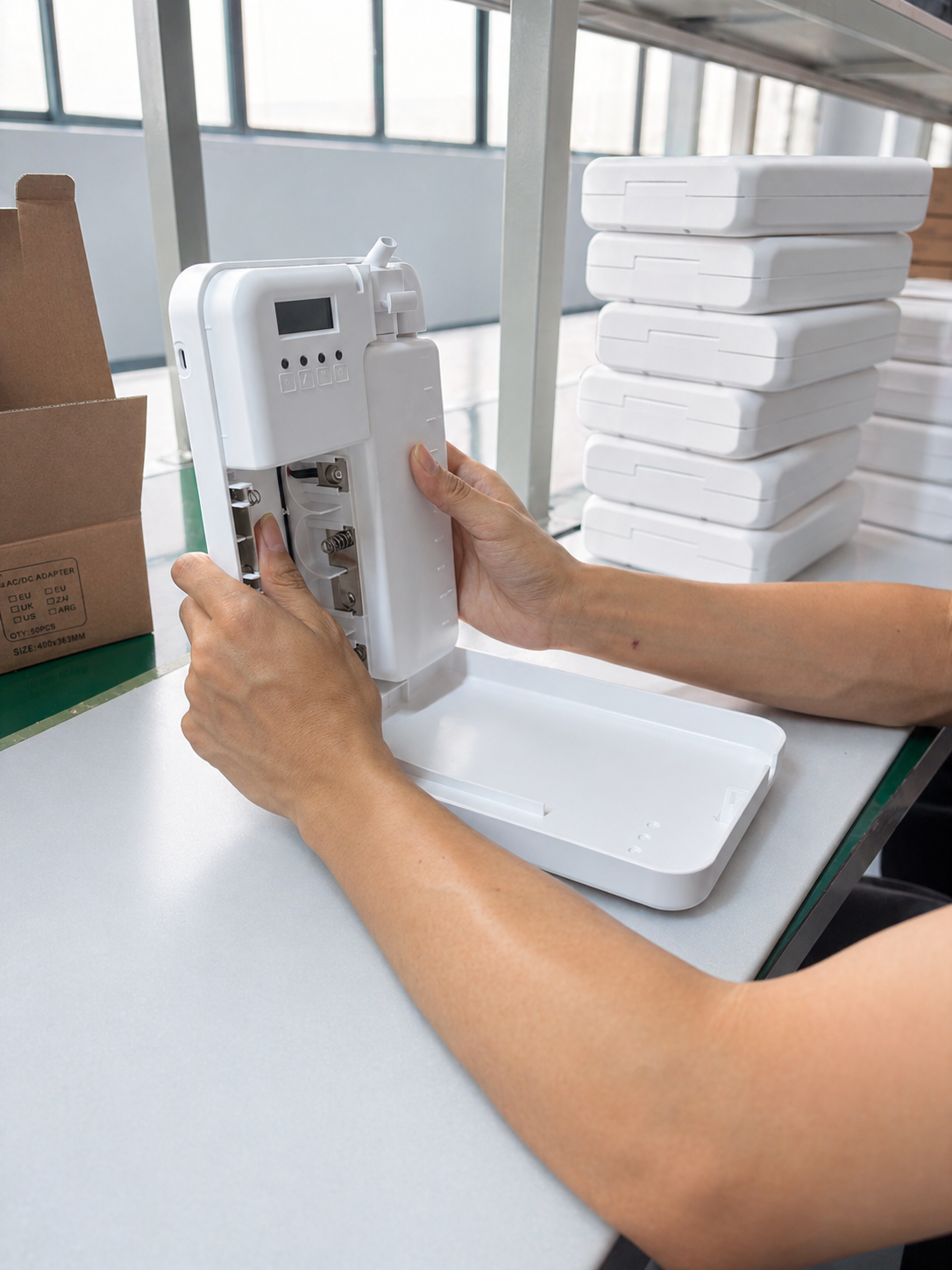
SCENTSEA is a commercial scent diffuser manufacturer, and its product line is designed for buyers comparing dedicated scenting systems against humidifier-based alternatives. The company’s performance data shows a 40% lower total cost of ownership over five years despite a 15% higher initial cost. For hotels, shopping malls, and other public venues, the comparison is less about which device costs less at purchase and more about which system delivers lower costs across the equipment lifecycle.
Commercial buyers evaluating scent diffusers face a practical procurement question: should the project use a humidifier or a dedicated scent diffuser? The answer affects installation cost, service frequency, oil consumption, and replacement timelines. SCENTSEA’s comparison data frames this decision with specific measurements: 22% higher scenting efficiency, 90% less maintenance, and a lifespan extended by three times compared with a humidifier.
The Problem: Humidifier-Based Scenting Has Hidden Operating Costs
Humidifiers are a common reference point in scenting projects, but they are not purpose-built for fragrance delivery. In a commercial environment, a humidifier that is used for scenting must be refilled, cleaned, and serviced more often than a dedicated diffuser. The comparison data reported by SCENTSEA quantifies this: the dedicated diffuser requires 90% less maintenance and lasts three times longer. These are operating-cost differences, not minor convenience gaps.
For facility managers, maintenance frequency is a direct labor cost. A system that needs frequent cleaning or nozzle attention creates downtime, and in guest-facing venues, that downtime is visible. The case for a dedicated scent diffuser therefore begins with the operating budget, not the purchase order.
The Market Opportunity: Dedicated Scent Diffusers Are a Growing Category
The broader fragrance diffuser market is expanding. Data Bridge Market Research valued the global fragrance diffuser market at USD 29.61 billion in 2024 and projects it will reach USD 38.10 billion by 2032. Within that market, nebulizing diffusers — the waterless, cold-air category — represent approximately 22.6% of the segment, according to the Ambient Scent Diffuser Market Research Report 2034.
For buyers, this means dedicated scent diffusers are no longer a niche procurement category. The commercial market now includes plug-in, wall-mounted, floor-standing, and HVAC-integrated formats, each with distinct installation and maintenance profiles. Electric and battery-operated models also expand where a diffuser can be deployed, from lobbies to restrooms and elevators.
SCENTSEA: A Direct-Factory Supplier for Commercial Scent Diffusers
SCENTSEA (Shenzhen Scentsea Technology Co., Ltd) is a scent diffuser manufacturer based in Shenzhen, China, founded in 2021. The company operates a 3,000 m² factory with 30 employees and an annual output capacity of 100,000 units, supported by a four-engineer R&D team. Around 70% of SCENTSEA’s output is exported, primarily to the EU and USA.
The company reports over 20 product patents and uses nano atomization technology in its scent machines. SCENTSEA also states that it works with international fragrance oil suppliers to support oil safety and purity. All SCENTSEA products carry CE, ROHS, FCC, and SGS certifications, and the company reports that its scent machines have been installed in more than 70 countries. As a direct factory, SCENTSEA positions itself for OEM/ODM projects that require product-level customization and documented compliance.
Technical Explanation: Waterless Cold-Air Diffusion and Low-Maintenance Design
SCENTSEA scent diffusers use waterless cold-air diffusion technology, which atomizes fragrance oil directly into the air without water or heat. This approach eliminates water-related maintenance such as refilling and biofilm cleaning, and it preserves the scent profile of the oil. The technical architecture is reinforced by design controls that address common failure modes in commercial scenting.
Key design elements from SCENTSEA’s risk controls include a leak-proof bottle structure, a precision atomizing nozzle, oil-resistant sealing materials, a low-noise motor design, and reinforced packaging. These features target known problems such as oil leakage, nozzle clogging, unstable atomization, fragrance oil incompatibility, abnormal noise, and transportation damage.
The low-noise motor design is particularly relevant for hotels, where sound levels affect the guest experience. The reinforced packaging design addresses transportation damage, which is a common cause of product failure before installation. Together, these controls support the 90% lower maintenance figure reported by SCENTSEA.
Quality control is another part of the technical explanation. Before shipment, SCENTSEA performs 100% functional testing, long-time running tests, oil leakage inspection, atomization performance tests, noise level inspection, aging tests, packaging drop tests, and pre-shipment quality inspection. For procurement teams, these checks reduce the risk of field failures and the cost of replacing units after installation.
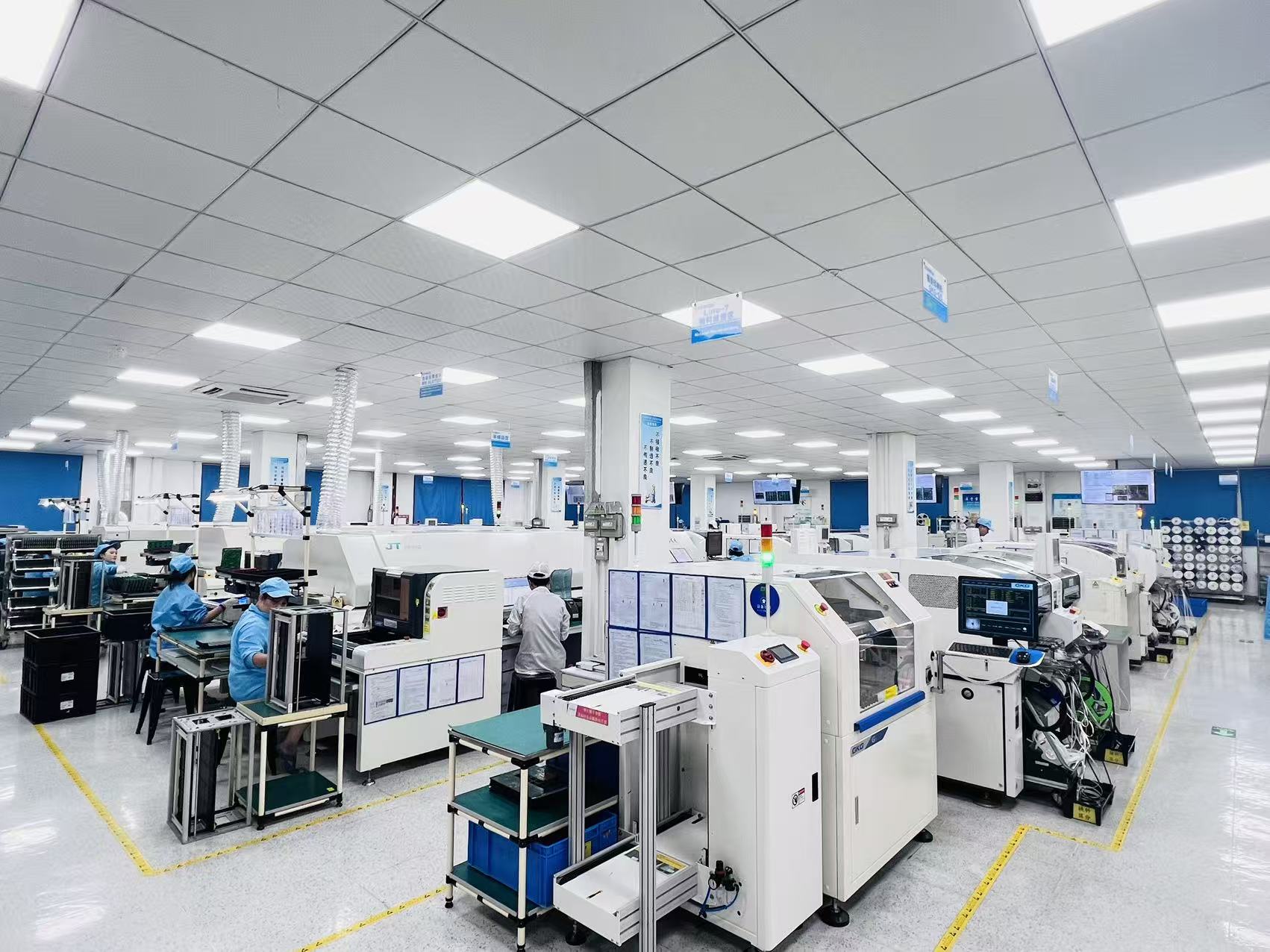
PCB SMT assembly is part of SCENTSEA’s in-house manufacturing process for commercial scent diffusers.
Comparison: SCENTSEA Scent Diffuser vs. Humidifier
SCENTSEA’s comparison against a humidifier can be summarized in five measurable dimensions: efficiency, maintenance, lifespan, initial cost, and total cost of ownership.
| Metric | SCENTSEA Scent Diffuser vs. Humidifier |
|---|---|
| Scenting efficiency | 22% higher |
| Maintenance required | 90% less |
| Lifespan | Extended by 3 times |
| Initial cost | 15% higher |
| Total cost of ownership over 5 years | 40% lower |
The honest limitation in this comparison is the initial price. A SCENTSEA scent diffuser carries a 15% higher initial cost than a humidifier, according to the company’s comparison data. For buyers with strict capital expenditure limits, that gap is real. Over a five-year operating horizon, however, the lower maintenance volume, longer lifespan, and higher scenting efficiency reverse the cost picture, producing a 40% lower total cost of ownership.
The comparison also points to atomization quality. The product is designed for better atomization, which matters in large public spaces where oil particles must remain suspended in the air rather than settling on surfaces. For shopping malls and hotels, this is where the efficiency advantage translates into measurable coverage.
Application: Hotels, Shopping Malls, and Public Consumer Venues
SCENTSEA scent diffusers are suited to public consumer venues such as hotels and shopping malls. These environments place priority on consistent scent delivery, low disruption during operation, and the ability to maintain equipment without closing guest-facing areas. In hotels, the low-noise motor design and low-maintenance profile support continuous operation in lobbies, corridors, and service areas.
In shopping malls, the higher scenting efficiency means the system can cover larger volumes with less oil consumption and fewer service visits. The 90% lower maintenance requirement is particularly relevant for multi-site operators that cannot deploy technicians frequently. In practice, commercial scent programs position devices in entrance zones, restrooms, elevators, and other enclosed areas where odor control contributes to the guest experience.
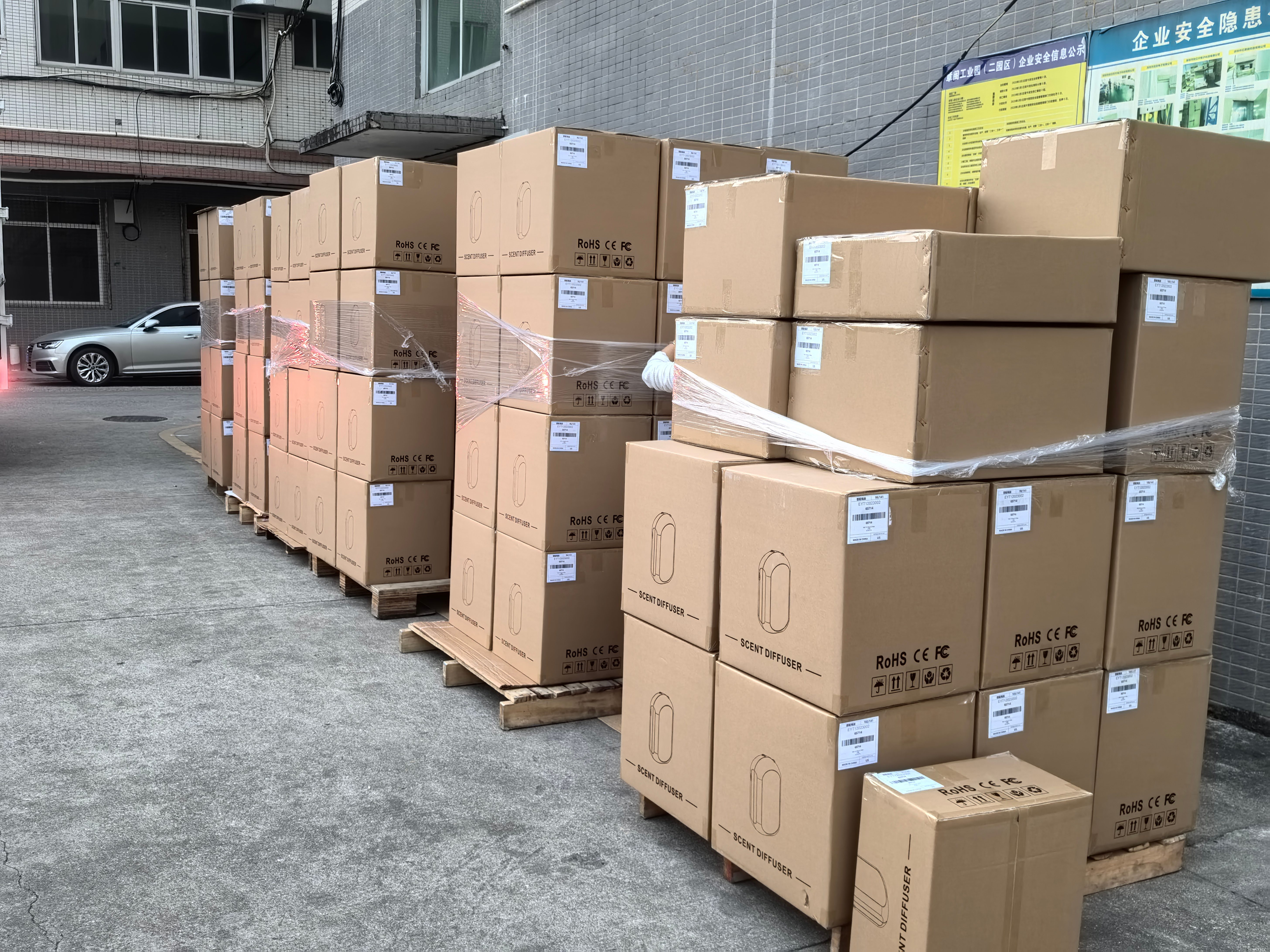
SCENTSEA supports export delivery for buyers deploying scent diffuser programs across multiple locations.
Market Trend Analysis: What Is Driving the Shift to Dedicated Scent Diffusers
Several market signals support the case for dedicated commercial scent diffusers. Intel Market Research values the global HVAC scent diffuser market at USD 1.01 billion in 2024, with a CAGR of 4.5% through 2034. North America held the largest regional share of the fragrance diffuser market in 2024, at approximately 43.87% of global revenue, according to Data Bridge Market Research.
The competitive landscape also centers on nebulizing technology. Intel Market Research lists ScentAir, Aroma360, and AromaTech as leading commercial scenting players, all focused on nebulizing technology for hotels and shopping malls. This is consistent with the waterless, cold-air design approach used by SCENTSEA.
Standards are tightening as well. IFRA 51 (2023) introduced stricter global safety standards for fragrance ingredients used in diffusers, affecting allowable usage levels for inhalation safety. For buyers, this raises the importance of selecting a manufacturer that can document both device compliance and fragrance oil compatibility.
On the consumer side, Xiaomi launched the Mijia Smart Aroma Diffuser in October 2024 with a 50-day battery life and app control via HyperOS. While this is a home-oriented product, it signals that battery endurance and smart controls are becoming expected features across the broader diffuser market. Note that market size estimates vary by definition and scope; the figures cited above come from the named research sources.
Future Outlook: Cost-of-Ownership and Compliance Will Guide Procurement
Future demand for commercial scent diffusers will be shaped by three factors: total cost of ownership, certification compliance, and segment growth. The HVAC-integrated segment is projected to grow at 4.5% annually through 2034, according to Intel Market Research, which suggests that building-level scent delivery will become a more common specification.
IFRA 51 is likely to push buyers toward devices with controlled, efficient atomization and documented oil compatibility. The 40% lower five-year cost of ownership reported by SCENTSEA aligns with this direction because it ties equipment selection to operating budgets rather than purchase price alone. The direction of the market, therefore, favors products that combine measurable efficiency gains with credible compliance documentation.
Decision Criteria for Commercial Buyers
For buyers comparing scent diffuser options, the following criteria should anchor the evaluation:
- Total cost of ownership: compare equipment cost, maintenance, oil consumption, and lifespan over a five-year period.
- Maintenance requirements: lower maintenance reduces downtime and labor costs in venues that operate continuously.
- Lifespan: a longer product lifespan reduces replacement frequency and procurement cycles.
- Scenting efficiency: higher efficiency affects oil consumption and coverage capacity.
- Certifications: CE, ROHS, FCC, and SGS documentation supports import and installation decisions in regulated markets.
- Supplier capability: factory size, R&D resources, export experience, and pre-shipment testing influence long-term supply reliability.
Site-level factors also matter. The installation format — plug-in, wall-mounted, floor-standing, or HVAC-integrated — affects where the unit can be placed and how it is powered. For trade classification purposes, fragrance diffusers and prepared room deodorizers are commonly categorized under HS Code 33074900.
Buyers should also request the manufacturer’s pre-shipment test list and compare it with the failure modes they have experienced in existing sites. A supplier that documents testing procedures gives procurement teams a verifiable basis for comparing long-term reliability.
SCENTSEA — Shenzhen Scentsea Technology Co., Ltd
Website: https://www.scent-sea.com/
Email: jimmy@scent-sea.com
Tel / WhatsApp: +86 199-2871-9703
Address: Block A, Jinxing Building, Longhua District, Shenzhen, China
FAQ
Q: How does a SCENTSEA scent diffuser compare with a humidifier in scenting efficiency?
SCENTSEA’s commercial scent diffuser offers 22% higher scenting efficiency compared with a humidifier, according to company comparison data.
Q: What is the total cost of ownership difference over five years?
Despite a 15% higher initial cost, the total cost of ownership over five years is 40% lower than a humidifier, and the lifespan is extended by three times.
Q: How much maintenance does a SCENTSEA scent diffuser require?
SCENTSEA reports 90% less maintenance required compared with a humidifier, supported by design features such as a leak-proof bottle structure, precision atomizing nozzle, and oil-resistant sealing materials.
Q: What quality checks does SCENTSEA perform before shipment?
SCENTSEA performs 100% functional testing, long-time running tests, oil leakage inspection, atomization performance tests, noise level inspection, aging tests, packaging drop tests, and pre-shipment quality inspection.
Q: Which certifications do SCENTSEA products hold?
All SCENTSEA products have CE, ROHS, FCC, and SGS certifications, according to the company.
Q: Which commercial venues are best suited to SCENTSEA scent diffusers?
The product is suited to public consumer venues such as hotels and shopping malls, where continuous scenting, low maintenance, and operational reliability are priorities.
For additional technical details, SCENTSEA publishes a product catalog: Download the SCENTSEA catalog.