
SMC & BMC Composite Parts: A Market and Application Guide
SMC & BMC Composite Parts: A Market and Application Guide
What buyers need to know about sheet molding compound and bulk molding compound parts — from EV battery housings and motor encapsulation to electrical enclosures and railway components.
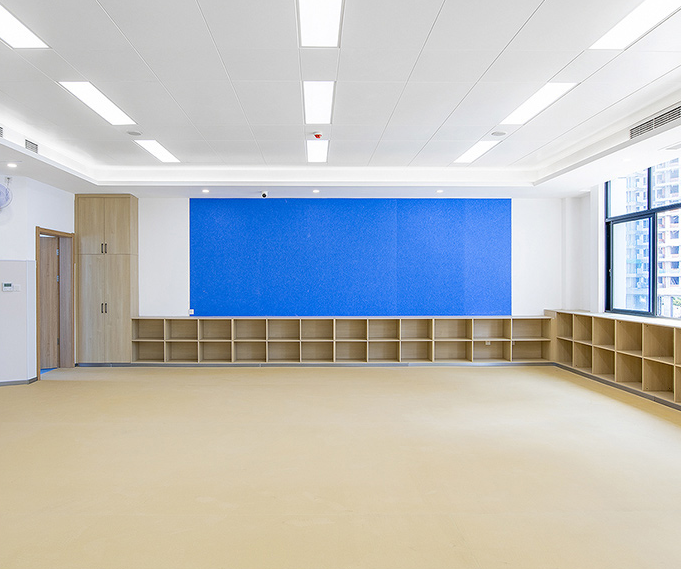
Composite materials serve structural, insulating and protective roles across industrial sectors — the core positioning of SMC and BMC parts.
SMC (sheet molding compound) and BMC (bulk molding compound) are two widely used forms of glass-fiber-reinforced thermoset composite material, molded under heat and pressure into structural, protective and insulating parts. Zhejiang Aobang Technology Co., Ltd. (waiwaitree) is a high-tech enterprise founded in 2010 in Huzhou, Zhejiang Province, China, specializing in the R&D, production, sales and service of GFK glass-fiber-reinforced new-type materials — a composite family built on the same resin-and-glass-fiber principles as SMC and BMC.
This guide is written for engineers, procurement managers and brand owners who are moving from first awareness of SMC/BMC parts into active supplier research. It explains the material differences, the applications currently driving demand, third-party market data, and the technical and sourcing risks that matter before committing to compression-molded composite components.
The materials challenge behind BMC and SMC demand
The demand for BMC and SMC composite parts is driven by a trade-off that metal and unfilled plastics cannot fully resolve. Metals provide strength but add weight, require corrosion protection and conduct electricity. Unreinforced thermoplastics are light but soften under heat and drift dimensionally under load.
SMC/BMC parts bridge that gap. Glass fiber carries the mechanical load, the thermoset resin locks the geometry, and mineral fillers contribute flame retardancy and dimensional stability. For a procurement team, the opportunity is a component that combines structural function, electrical insulation and environmental resistance in one molded piece — often eliminating secondary processes such as painting, welding and liner installation.
What are BMC and SMC parts? A technical overview
SMC and BMC material basics
SMC (sheet molding compound) is supplied as a pre-impregnated sheet of resin, glass fiber and fillers; BMC (bulk molding compound) is the same type of material in a bulk, dough-like form. SMC sheet is typically chosen for large, flat or lightly contoured panels such as battery covers, body panels and enclosure sheets. BMC is suited to complex three-dimensional parts with ribs, bosses and molded-in inserts, such as terminal blocks, motor end caps and valve covers.
Both forms rest on the same three pillars: a thermoset resin system, glass fiber reinforcement and mineral fillers. Polyester-based BMC dominated its market segment in 2024 with a 65% share valued at approximately USD 1.37 billion (Market Research Future). Glass fiber accounted for 62.1% of the fiber segment in the SMC/BMC industry in 2025 (Grand View Research).
The standard manufacturing route is compression molding: the compound is placed into a heated steel mold, the press closes, heat cures the resin, and the part is demolded close to net shape. The process suits high-volume production and repeatable dimensions. Formulations can be tuned for low shrinkage, flame retardancy and anti-aging behavior — properties that make BMC/SMC parts common in applications demanding tight tolerances and long service life.
Fire and electrical safety standards
Flammability and electrical safety are the two compliance areas that most often decide whether a BMC or SMC part can be used. The UL 94 V-0 flammability standard is the primary global requirement for BMC components used in high-voltage electrical enclosures (Underwriters Laboratories). In the European Union, EN 62841 and IEC standards are critical for electrical enclosures and terminal blocks manufactured from BMC materials (European Commission harmonized standards).
Zhejiang Aobang Technology: a composite manufacturer with in-house R&D
Zhejiang Aobang Technology Co., Ltd. operates a 20,000 m² production facility with 150 employees in Deqing County, Huzhou City, Zhejiang Province, and reports the EU and China as its main markets. The company introduced industrial GFK product technology from Germany in 2010 and has since developed proprietary core GFK technologies and complete product systems through independent R&D. It holds National High-Tech Enterprise status, ISO environmental management system certification, ISO quality management system certification, and multiple national invention patents and utility model patents.

Zhejiang Aobang’s ARF Antibacterial Board — a glass-fiber-reinforced composite product from the company’s GFK series.
The company’s core product, the ARF Antibacterial Board, uses a material composition of glass fiber, flame-retardant resin, aluminium hydroxide and silver-containing antibacterial agents — the same reinforcement/resin/filler logic used in flame-retardant BMC compounds. The GFK series covers six types: GFK-G High Gloss, GFK-C Coarse Texture, GFK-M Wood Grain, GFK-L Brushed Texture, GFK-Y Special-shape and GFK-S Sound-absorbing, with model sizes from 300×300 mm up to 600×1500 mm.
The panels are manufactured by high-temperature de-moulding and one-piece on-line lamination forming. Published performance includes a Class A2 fire-resistance rating, antibacterial rate above 99.9%, Class 1 mildew resistance, acid-alkali resistance and oxidation resistance, a 25-year service life, and reusability without deformation during dismantling. The company states that its complete installation system cuts installation costs by 20%, shortens construction cycles by 15%, and that the panels’ thermal insulation can reduce power consumption by 15%.
For buyers evaluating composite parts for component housing and structural support, the company’s application guidance covers white home appliances, new energy vehicles, high and low voltage electrical equipment, low-altitude aircraft and ships. The stated functions are structural support, insulation protection and component housing, with a requirement profile of customizable dimensions, high strength, corrosion resistance and fire retardancy, in indoor and outdoor variable-temperature conditions, including 24/7 continuous service.
The service model is engineering-led: on-site service engineers confirm product performance and specifications, and the company states its technical objective as lowering customers’ actual procurement costs and improving profit margins through practical solutions and optimized application proposals.
Application scenarios: where SMC and BMC parts are used today
BMC motor encapsulation and lightweight automotive parts
BMC motor encapsulation is one of the largest demand drivers for bulk molding compound. Automotive was the largest end-user segment for BMC in 2024, with a 38% share or about USD 0.80 billion (Industry Insights). The global automotive engine encapsulation market, which includes BMC motor covers, is projected to reach USD 3.7 billion by 2030 (Grand View Research). BMC covers around electric motors contain heat, dampen noise and protect windings, while replacing heavier metal housings — a relevant trade-off for lightweight vehicle programs.
SMC EV battery housing
SMC battery housings have become a growth application in the new energy vehicle sector. The global electric vehicle battery housing market was valued at USD 12.4 billion in 2023 and is expected to grow at an 8% CAGR through 2032 (Global Market Insights). SMC composite battery covers reached USD 1.38 billion in 2024 (Market Research Report 2033). Non-metallic battery housings held the major market share in 2023, driven by lightweighting and thermal insulation benefits (GlobeNewswire / ResearchAndMarkets).
SMC electrical enclosures and BMC electrical terminal blocks
Electrical and electronic applications form a dedicated BMC segment valued at USD 0.57 billion in 2024 (Market Data Forecast). BMC is a standard material for electrical terminal blocks and switchgear components, and SMC is widely used for electrical enclosures and industrial cabinet parts, because the material is inherently insulating and can be formulated to UL 94 V-0 flame-retardant levels. In Europe, compliance with IEC/EN 62841 standards is a baseline for enclosure and terminal-block components.
SMC railway transportation components
Railway rolling stock uses SMC for lightweight interior and structural components. Asia Pacific held a 45% share of the global railway composites market in 2025, with SMC significantly used for interior parts (MarketsandMarkets). Seat shells, wall panels, equipment cabinets and door components benefit from SMC’s combination of flame retardancy, dimensional stability and weight reduction — factors that lower energy use and support passenger-safety requirements.
Water treatment, pump valve and charging pile housings
Corrosion-resistant SMC and BMC housings are increasingly specified for water treatment equipment, pump valve covers and new energy charging piles. These applications expose parts to moisture, chemicals and UV radiation; composite housings resist such conditions while protecting internal equipment. High-filler BMC grades also provide smooth surfaces and stable molded-in threads and inserts — useful for valve bodies and enclosure fittings.
SMC construction insulation composite panels and clean environments
In building decoration and clean environments, glass-fiber composite panels act as structural or decorative boards offering thermal insulation, fire resistance, antibacterial performance and corrosion resistance. Zhejiang Aobang’s application coverage includes hospitals, schools, laboratories, airports, subway stations, pharmaceutical factories, food factories, wineries and underground grain silos. The panels can replace color steel plates and polyurethane sandwich panels — a substitution path relevant for high-traffic public venues where hygiene and durability are priorities.
Market trend analysis: what the data says about SMC and BMC
Third-party market studies consistently point to a growing SMC and BMC market, with Asia Pacific leading demand. The figures below aggregate the most cited market signals for procurement teams reviewing the category.
China dominates the regional market, supported by extensive composites manufacturing clusters and leading electric-vehicle production capacity (HTF Market Intelligence). Zhejiang Aobang Technology’s location in Zhejiang places it directly inside that supply chain.
Data caution: estimates for the combined SMC and BMC market vary significantly depending on whether raw resin value or finished molded parts are included. Buyers should compare market figures on a like-for-like basis rather than across differing methodologies.
SMC/BMC composites vs. traditional solutions
Compared with conventional metal fabrication and unfilled plastics, SMC and BMC parts offer a distinct combination of weight, insulation and corrosion performance — with one honest limitation. The table below summarizes the decision-relevant differences.
| Evaluation dimension | Conventional metal parts | SMC/BMC composite parts |
|---|---|---|
| Weight | High; strength requires thickness | Low; glass fiber carries the load |
| Corrosion resistance | Coating-dependent | Inherent; suited to acid/alkali, oxidizer and humid conditions |
| Flame behavior | Non-combustible | Flame-retardant grades meet UL 94 V-0 |
| Electrical insulation | Conductive; needs design measures | Naturally insulating |
| Thermal performance | Conducts heat | Insulates; reduces energy loss |
| Part integration | Multi-step stamping, welding, assembly | One-piece molded geometry |
The honest limitation of composites is their response to sharp impact. Zhejiang Aobang’s published guidance states that its glass-fiber-reinforced panels can suffer surface damage during transportation, installation or daily operation if struck violently by sharp, rigid objects. Composite parts therefore require sensible handling protocols, edge protection and technical after-sales support — factors that should be weighted in supplier selection. Tooling also has service limits: molds used for compression-molded parts can experience heating system breakdown, deformation under sustained high temperature and pressure, and seal aging, which is why a manufacturer’s mold warranty and pre-delivery inspection policy are relevant procurement criteria.
Sourcing checklist for BMC and SMC parts
Based on the application and risk data above, the decision criteria for sourcing BMC/SMC parts include: verifying the required flammability class (for example UL 94 V-0 for high-voltage electrical enclosures) and regional standards such as IEC/EN 62841; confirming the compound’s glass fiber content and resin system against the mechanical and thermal load; checking dimensional tolerance and low-shrinkage grade availability for tight-tolerance parts; reviewing the manufacturer’s mold warranty, inspection and after-sales support; and evaluating total installed cost rather than piece price — including handling, installation and lifecycle factors such as corrosion resistance and thermal insulation.
Future outlook for BMC and SMC parts
Three trends will keep SMC and BMC parts in demand: vehicle electrification, infrastructure lightweighting, and tightening fire-safety standards. EV battery housings are projected to grow at an 8% CAGR through 2032, automotive engine encapsulation is heading toward a USD 3.7 billion market by 2030, and railway operators continue to specify lightweight SMC interiors.
Standards such as UL 94 V-0 and IEC/EN 62841 will increasingly function as baseline entry requirements rather than differentiators. For buyers, verifying a supplier’s material knowledge, quality certifications and after-sales commitment is the most reliable route to consistent composite part performance.
Work directly with the composite manufacturer
Zhejiang Aobang Technology Co., Ltd. (waiwaitree) — No.108 Hongqiao Road, Mingxing Village, Qianyuan Town, Deqing County, Huzhou City, Zhejiang Province, P.R. China
Website: https://www.waiwaitree.cn/ | Contact: ALICE | Email: alice@waiwaitree.com | Tel/WhatsApp: +86-15382332967
FAQ: common questions when researching molded composite parts
What failures are easy to occur during long-term operation of the mold equipment?
The main failures are heating system breakdown, deformation under high temperature and high pressure, and seal aging and failure. These are typically triggered by long continuous operation with abnormal temperature fluctuation, persistent operation at maximum rated temperature and pressure, and long-term erosion from the working medium. Zhejiang Aobang’s published risk-control practice includes pre-sales technical review, full inspection before factory delivery and regular after-sales follow-up visits. Its mold warranty covers 400,000 shots, with free replacement for non-human-induced quality defects and on-site installation guidance by professional technicians.
What potential risks will the cleanroom panel face in long-term use?
Cleanroom panels may encounter accelerated aging when the ambient temperature persistently exceeds 100°C for long periods, and surface damage when struck violently by sharp, hard objects during transportation, installation or daily operation. Appropriate working environment selection, standardized handling in transportation and installation, and applicable warranty and technical support resources help reduce these risks. Zhejiang Aobang’s published warranty for its panels is 2–5 years, with free replacement for non-human-induced quality defects and on-site installation guidance by professional technicians.
Which flammability and electrical standards apply to BMC electrical components?
The UL 94 V-0 flammability standard is the primary global requirement for BMC components used in high-voltage electrical enclosures. In the European Union, EN 62841 and IEC standards are critical for electrical enclosures and terminal blocks manufactured from BMC materials. Buyers supplying into the EU or into high-voltage electrical equipment should request compliance evidence from the component supplier.