
STAR-K RIB1RR1Q: Canned Fruit Shortlist for Kosher Buyers
Kosher compliance in canned fruit is not a brand-level claim. It is a scope-level one. What a kosher buyer can actually quote, list and ship is determined by the item names, pack media, market coverage and validity dates printed inside a specific certificate, not by a general statement that a supplier works with certified products.
For canned fruit, one of the more clearly defined scopes available in export supply is STAR-K Kosher Certificate RIB1RR1Q, issued by STAR-K Kosher Certification (Baltimore, Maryland, USA). The certificate covers canned apple, apricot, mandarin orange, mixed fruits, pear and yellow peach in syrup, water, pear juice or solid pack, and records Pareve status, meaning dairy-free and meat-free. Its stated market coverage is the global kosher market, including Israel, the USA, Europe and the Middle East, with a certification period running from 3 April 2025 to 31 March 2026.
This shortlist is written for buyers who are already past the discovery stage, in evaluation and execution: teams that have decided a kosher-certified canned fruit range belongs in the assortment and now need to know which SKUs sit inside the scope, which pack formats are covered, what the certificate does not cover, and what to verify before releasing a purchase order.
The commercial backdrop explains why scoped certification has become a listing filter rather than a marketing line. The global canned fruits and vegetables market reached USD 105.35 billion in 2024, according to Market Research Future. In the same year, China's export value of fruit and vegetable canned products was US$3.859 billion, based on data published by the China Canned Food Industry Association and China Customs. At that scale, buyers rarely lack product availability. What they lack is certainty about which specific item-and-pack combination is covered by the evidence they have been handed.
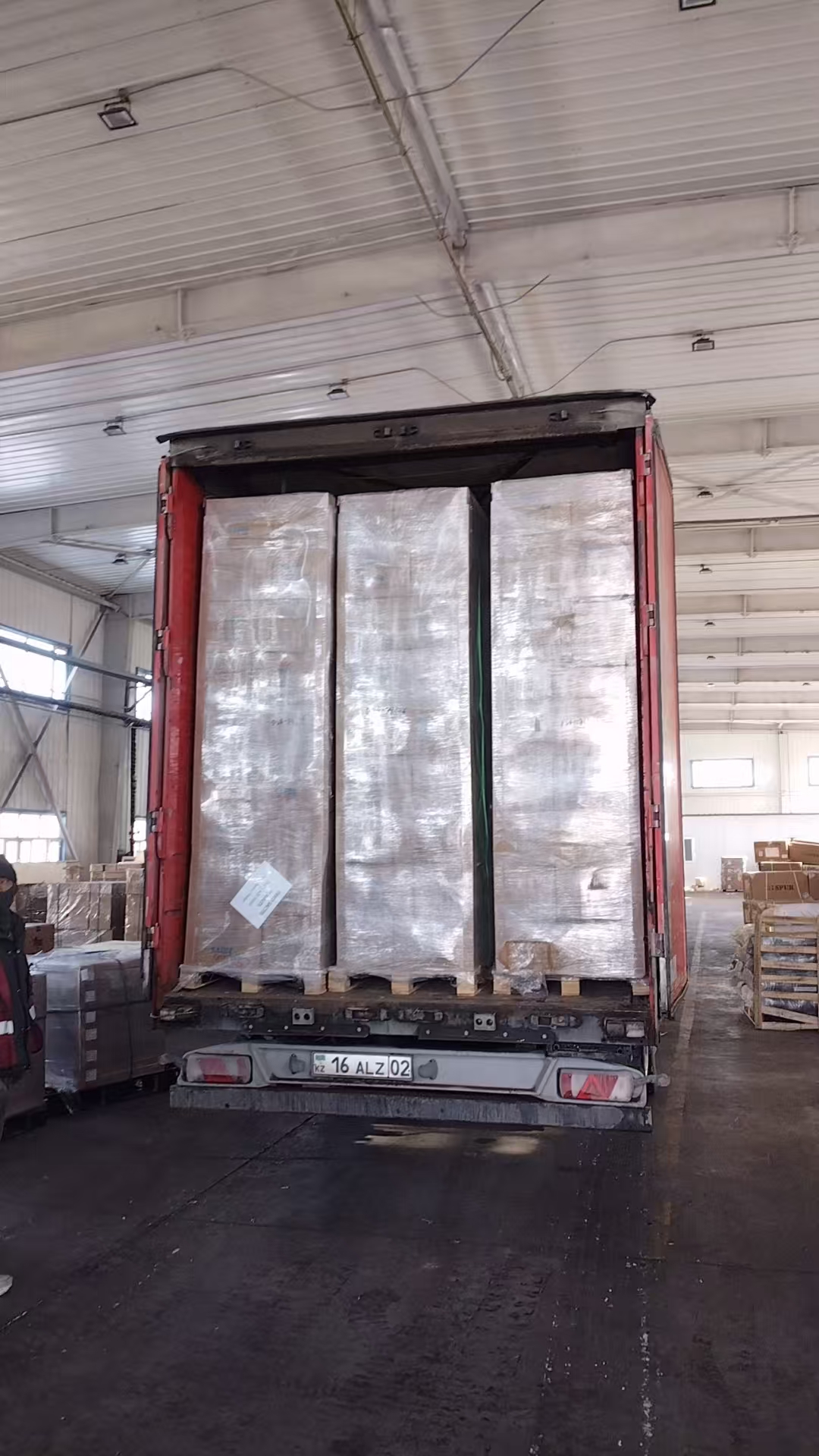
Why Certificate Scope Decides the Shortlist
Every kosher certificate contains three qualifiers, and each one is a decision point for a buyer: the item name, the pack medium, and the authorization period together with the market the certificate is intended to serve. A certificate number answers the question of who certified what, for which products, until when.
A supplier statement such as 'our canned fruit is kosher certified' answers none of these three questions. It does not say whether a certificate covers apricots as well as peaches, whether it applies to fruit packed in water as well as fruit packed in syrup, or whether the authorization is still running when the goods are produced.
The three qualifiers buyers should extract from any certificate
- Item: the fruit species named inside the scope, not the category the supplier trades in.
- Pack medium: syrup, water, pear juice or solid pack, because the medium is part of the certified product description.
- Period and market: the issue and expiry dates on the certificate, and the markets the certification body has registered the scope for.
STAR-K RIB1RR1Q answers all three in a form that can be checked quickly. This is why it functions as a shortlist document rather than a general credibility claim: a buyer can print the scope, compare it against their own SKU list, and immediately see where the overlap ends.
The Shortlist: What STAR-K RIB1RR1Q Covers
The certified scope lists six canned fruit items. All six are recorded under Pareve status, and all six are certified for four pack media: syrup, water, pear juice and solid pack.
| Canned fruit in scope | Covered pack media | Kosher status | Buyer note |
|---|---|---|---|
| Canned apple | Syrup, water, pear juice, solid pack | Pareve | The scope names apple. Applesauce is recorded separately in the supplier's catalogue and needs its own scope confirmation. |
| Canned apricot | Syrup, water, pear juice, solid pack | Pareve | A single-item scope entry, useful for buyers building assortment depth rather than a mixed pack. |
| Canned mandarin orange | Syrup, water, pear juice, solid pack | Pareve | Orange is also named inside the supplier's ISO 22000 and BRCGS canned fruit scopes, so verification documents align. |
| Canned mixed fruits | Syrup, water, pear juice, solid pack | Pareve | Listed as mixed fruits in the kosher scope. Canned fruit cocktail is a separate catalogue item outside this entry. |
| Canned pear | Syrup, water, pear juice, solid pack | Pareve | Pear is also supplied as dices in A12 format for European processors running re-packing lines. |
| Canned yellow peach | Syrup, water, pear juice, solid pack | Pareve | Peaches accounted for roughly 36.8% of the canned fruit segment in 2024, according to Market.us, making this the highest-volume kosher entry in most assortments. |
The six items share a common commercial profile. They are produced in formats of 425 g and 2,950 g net weight, in A9 and A10 whole-segment styles, with light syrup as a recorded packing medium, a 36-month shelf life at normal temperature, and a fully sterilized process without preservatives. The kosher scope and the technical specification therefore describe the same products rather than two parallel product families.
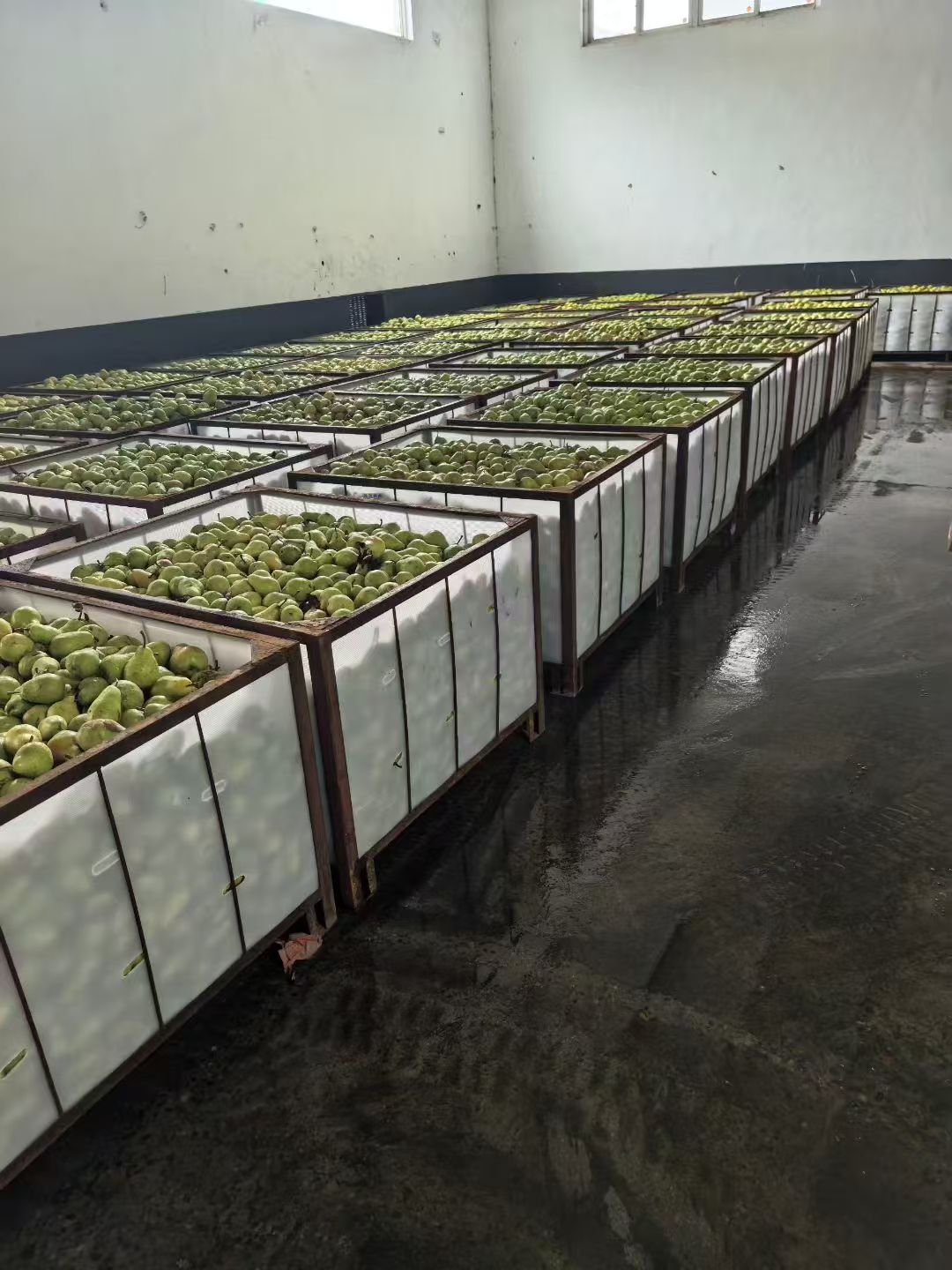
Pareve Status: What Dairy-Free and Meat-Free Means Commercially
The certificate records Pareve status, described as dairy-free and meat-free. For a buyer, Pareve is not a flavour note or a packaging detail. It is the classification that determines how the product can be used in the market.
A Pareve product can be served alongside either dairy or meat meals. In practice this widens the number of foodservice accounts a canned fruit line can serve: kosher catering, hotel and institutional kitchens, and retail shelves where shoppers apply their own kosher standards. A dairy-classified canned fruit would be excluded from meat menus, and a meat-classified product would be excluded from dairy menus. Pareve removes that restriction.
Pareve also simplifies private-label work. When a kosher buyer commissions an OEM or private-label run, the certificate status travels with the product description rather than being tied to a single brand label, which is why Pareve canned fruit is commonly used as a base item in multi-market programmes.
Pack Media Is a Scope Variable, Not a Packaging Preference
Four pack media appear inside the certified scope: syrup, water, pear juice and solid pack. Buyers should treat these as scope entries rather than as production options that can be swapped freely.
- Syrup: the medium recorded in the supplier's technical specification, with light syrup used across the 425 g and 2,950 g ranges.
- Water: relevant for buyers targeting markets where lighter, less sweet profiles are preferred, and for food-processing customers who adjust the final product themselves.
- Pear juice: a fruit-juice medium rather than a sugar-syrup medium; useful where the destination label lists juice rather than syrup as the packing liquid.
- Solid pack: no added liquid medium, common for re-packing and further processing rather than direct retail display.
Because all four media are inside the certified scope for all six fruits, a kosher buyer has 24 item-and-medium combinations to work with from a single certificate. That flexibility is the practical difference between a certificate that names a product and one that names a product format. If a buyer requires a medium that is not on the list, the correct action is a scope query rather than an assumption.
Market Coverage: Israel, USA, Europe and the Middle East
The certificate defines its market as the global kosher market, specifically including Israel, the USA, Europe, the Middle East and Jewish communities worldwide. That coverage sits alongside the supplier's wider commercial footprint.
Agrogentra & Co., Ltd. (Xiamen) was established in 2000 in Xiamen, China, and operates as an international trading company focused on sourcing, quality control and supply of Chinese canned food, fresh fruits and vegetables and frozen food products. The company states full export orientation and market coverage across the United States, Europe, Latin America, Africa, the Middle East and multiple Asian markets, with customer groups spanning retail supermarkets, wholesale distributors and professional food processing industries.
For the USA specifically, the supplier holds FDA Food Facility Registration 18082639404, valid through 31 December 2026, covering a foreign facility as manufacturer or processor, packer, acidified and low-acid food processor and labeler within Category 17, Fruit and Fruit Products, with the corresponding 21 CFR 1.225 to 1.244 requirements and a listed US agent. For Europe, buyers should add Regulation (EU) 2024/3190, which restricts the use of Bisphenol A in food contact materials including can coatings, to the specification review. Kosher scope and packaging regulation are separate checks, and both belong in the same evaluation file.
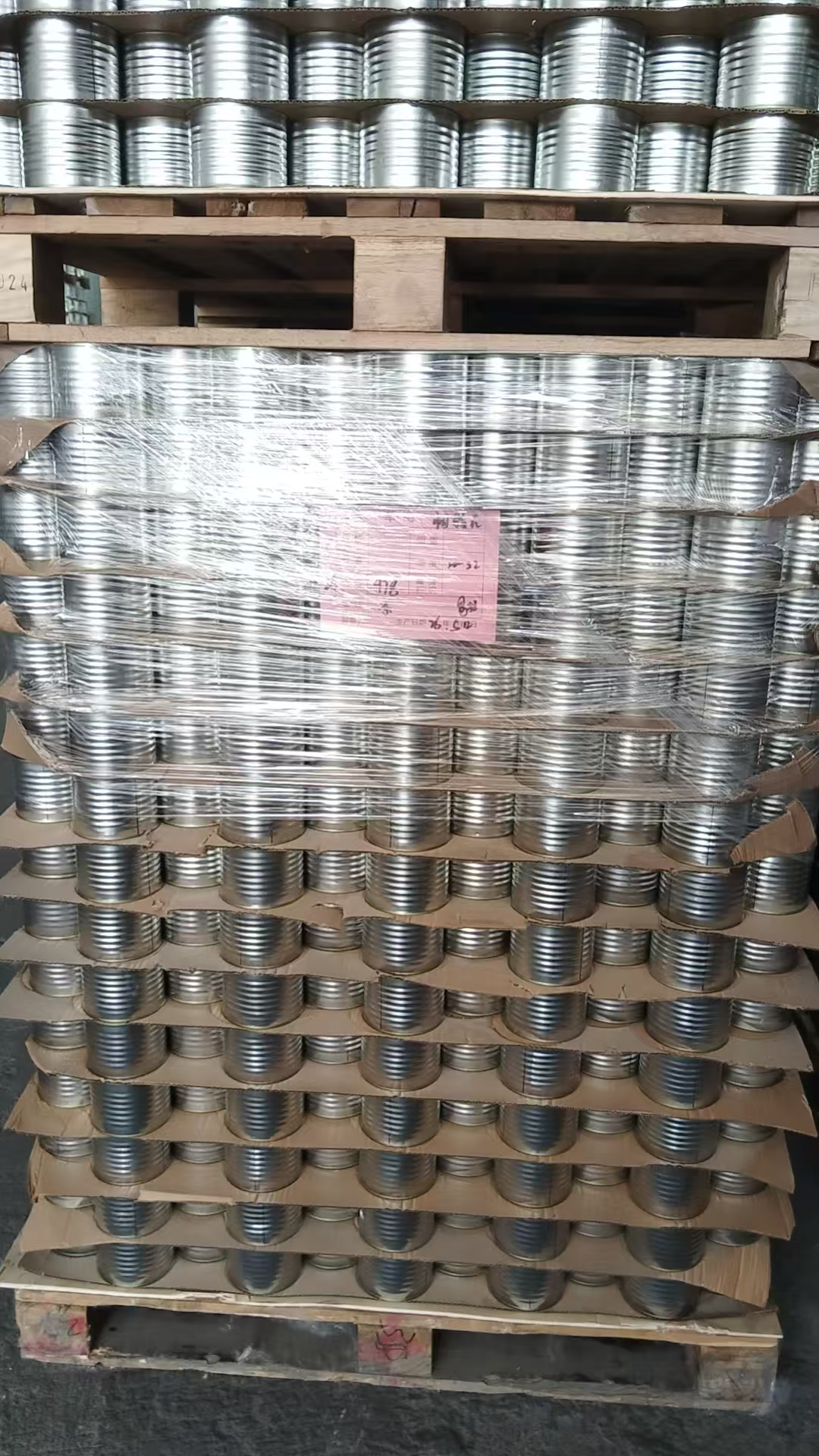
Validity Dates and the Verification Habit That Protects Both Sides
Kosher certificates run on fixed cycles rather than open-ended approvals. The period recorded for STAR-K RIB1RR1Q is 3 April 2025 to 31 March 2026, a twelve-month window.
For buyers in the execution stage, the certificate date should be matched against the production date of the order, not only against the date of the purchase agreement. A useful routine is to request the certificate version that covers the intended production window at the point of order confirmation, keep it in the shipment documentation file, and check that the item names and pack media on the certificate match the purchase order line by line.
Reading the Shortlist Inside a Wider Evidence Stack
Kosher certification answers one question. It does not replace food safety certification, regulatory registration or market-specific approvals. Buyers evaluating this range should read the certificates together and note where each scope begins and ends.
| Certificate or registration | Issuing authority | Scope highlights | Validity on record |
|---|---|---|---|
| STAR-K Kosher Certificate RIB1RR1Q | STAR-K Kosher Certification (Baltimore, Maryland, USA) | Canned apple, apricot, mandarin orange, mixed fruits, pear, yellow peach in syrup, water, pear juice or solid pack; Pareve, dairy-free and meat-free | 3 April 2025 to 31 March 2026 |
| ISO 22000 CNO0124F21626R5M/3200 | CQC | Production of canned fruit: peach, mix fruits, pear, orange, apple, pineapple, jam and jelly (pulpy jelly), to ISO 22000:2018 | Food safety management system |
| BRCGS Certification 05LA1209004 | Intertek Certification Limited | Washing, peeling, pre-cooking, filling, seaming and pasteurization of canned fruit (peach, apple, pear, pineapple, orange, mixed fruits) and canned apple sauce in tin can, plastic cups and plastic bags, to BRCGS Global Standard Food Safety Issue 9 | 5 October 2025 to 2 December 2026 |
| FDA Food Facility Registration 18082639404 | U.S. FDA | Foreign facility: manufacturer or processor, packer, acidified and low-acid food processor, labeler; Category 17 Fruit and Fruit Products | Biennial renewal 2024, through 31 December 2026 |
| HALAL 1031240000 | SHC (Shandong Halal Certification Service), recognized by JAKIM | Canned and glass packed mushroom, potato, baby corn, bamboo shoots, bean sprouts, cut green bean, green pea, kidney bean and similar vegetable lines | 30 November 2024 to 29 November 2027 |
Two boundaries are visible in this table and both matter. The BRCGS and ISO 22000 scopes cover a wider fruit range than the kosher scope, including pineapple, apple sauce, jam and jelly. The halal scope covers vegetable and mushroom lines rather than the fruit shortlist. A kosher buyer ordering canned peach for Israel and canned mushroom for a Muslim market is therefore drawing on different certificates, not one blanket approval.
Technical Explanation: Why Canned Fruit Holds Certification Cleanly
Canned fruit is a comparatively simple product to certify because its preservation does not depend on additives. Preservation rests on two mechanisms: hermetic sealing, which forms a vacuum inside the can and blocks external microorganisms, and high-temperature, high-pressure sterilization in a retort, which destroys microorganisms and heat-resistant spores to achieve commercial sterility. After sterilization, cans are cooled and, in controlled programmes, held through an incubation check before release. The result is a 36-month ambient shelf life without preservatives.
That process has a direct consequence for kosher programmes. Because the product is made from fruit and a packing medium and is sterilized rather than chemically stabilized, the number of kosher-sensitive inputs a certifier needs to review stays small. The scope can therefore be written at the level of individual fruit species and pack media, which is exactly the level at which buyers need to read it.
Certification scope also mirrors the physical supply chain stages that BRCGS records for the same product family: washing, peeling, pre-cooking, filling, seaming and pasteurization. Kosher authorization of the finished item and food safety control of those unit operations are complementary checks on the same production line.
Application and Use Cases Across Retail, Catering and Processing
The certified shortlist is used across four buyer types, and the format choice differs by channel.
- Retail supermarkets and convenience stores: 425 g cans of mandarin orange, yellow peach, pear and mixed fruits in light syrup, displayed on ambient shelving with no cold chain requirement.
- Kosher catering and foodservice: larger catering formats and mixed fruit packs where Pareve status allows use alongside both dairy and meat menus.
- Food processing and re-packing: solid pack and water pack fruit used as an input by processors who blend, cook or re-can. The supplier has supplied pear dices and seedless grapes in 4.25 kg A12 cans to major European fruit processors for re-packing of canned fruit cocktails since 2005.
- Grocery wholesalers and distributors: mixed FCL and LCL shipments for regional distribution, where the 36-month shelf life reduces inventory loss and narrows the risk of slow turnover.
In all four cases the commercial logic is the same: ambient storage, a long shelf life and a defined certification scope allow a kosher range to be planned with the same logistics assumptions as the rest of the canned category, without a dedicated cold-chain or segregated warehousing structure.
Execution Checklist for Kosher Buyers
Once scope is confirmed, the remaining questions are commercial and documentary. The terms recorded for this range are summarised below.
| Item | Recorded terms |
|---|---|
| Minimum order quantity | 1 FCL; LCL available upon negotiation |
| Delivery terms | FOB |
| Payment terms | T/T: 30% deposit, balance against copy of B/L |
| Lead time and capacity | 4 to 6 weeks; monthly capacity of 3,500 units |
| Production mode | OEM production for private label orders, with logo customization and OEM formula and label design support |
| Quality control | Full-process control: incoming raw-material inspection, on-line production patrol, and laboratory physical, chemical and microbiological testing per batch with a COA report; batch sample retention; third-party inspection by SGS or Intertek accepted |
| Export documents | COA, health certificate, pre-shipment inspection report, traceability report; factory certification copies available for buyer audits |
| Acceptance criteria | Pre-shipment inspection covering cargo quantity, packaging and appearance |
| Samples | Available at the customer's courier cost |
Two operational notes follow from these terms. First, MOQ of 1 FCL combined with a 4 to 6 week lead time means kosher programmes should be planned with the certificate cycle in view, so that production dates fall inside a valid authorization window. Second, because OEM and private label work is supported with label design, a kosher buyer can build a market-specific label while keeping the underlying product description aligned with the certified scope.
Limits and Boundaries of This Shortlist
The value of a scoped certificate lies as much in what it excludes as in what it includes. Four boundaries should be stated plainly.
- Six fruit items only. Canned pineapple, lychee, cherries, applesauce, fruit cocktail, fruit jelly and fruit cups appear in the supplier's catalogue but are not listed in the STAR-K RIB1RR1Q scope. A kosher buyer requiring those items should request separate scope confirmation rather than assume coverage.
- Pack media are enumerated. Syrup, water, pear juice and solid pack are covered. Any medium outside this list requires a scope query.
- Kosher certification is not a market-entry permit. It sits alongside FDA registration for the US, food contact material rules such as EU Regulation 2024/3190 for Europe, halal scope where Muslim markets are also served, and each buyer's own specification.
- Certification is not lot-level performance. A certified scope confirms authorized status for the listed products and period. It does not replace receiving checks on seam integrity, dents, rust, or swollen cans, which remain the buyer's first line of defence on arrival.
Stated this way, the shortlist does not overpromise. It tells a buyer exactly where a single certificate stops being sufficient, which is the point at which a second document or a second supplier conversation becomes necessary.
Market Trend Signals Shaping Kosher Canned Fruit Sourcing
Three signals are relevant to buyers building a kosher canned fruit programme.
Scale and export concentration. The global canned fruits and vegetables market reached USD 105.35 billion in 2024 (Market Research Future), while China's export value of fruit and vegetable canned products was US$3.859 billion in the same year (China Canned Food Industry Association and China Customs). China's canned vegetable export volume for 2024 was 2.058 million tons, a 2.52% year-on-year decrease, indicating a category where supply remains large but is adjusting rather than expanding uniformly. For kosher buyers, this favours suppliers whose certification scopes are specific and current rather than broad and unverified.
Product concentration in peaches. Canned peaches accounted for approximately 36.8% of the canned fruit segment in 2024 (Market.us). Yellow peach sits inside the STAR-K scope, so the highest-volume canned fruit item in the segment is also the most straightforward kosher entry point. That alignment reduces the risk of a kosher range being limited to slow-moving niches.
Packaging regulation pressure. The EU's Regulation (EU) 2024/3190 restricting Bisphenol A in food contact materials, including can coatings, shows how quickly packaging compliance can become a parallel track to product certification. Kosher buyers serving both Israel and Europe increasingly maintain two evidence files: one for religious certification, one for food contact and packaging regulation.
Future Outlook
Certification scope is likely to keep moving toward the centre of procurement decisions rather than remaining a documentation formality. Three developments follow from the evidence above.
First, certificate numbers are becoming searchable filters. Buyers increasingly ask for a certificate number rather than a certification claim, because a number can be verified against a scope line by line. Suppliers who can respond with a defined scope, a clear period and a named authority will move faster through buyer approvals than those offering general statements.
Second, multi-certificate alignment will matter more than any single certificate. A canned fruit programme that serves Israel, the USA, Europe and the Middle East at the same time draws on kosher scope, ISO 22000, BRCGS, FDA registration and, where relevant, halal certification for adjacent product lines. The practical advantage belongs to suppliers whose scopes overlap cleanly rather than contradict each other.
Third, packaging regulation will continue to reshape the can itself. As rules on food contact materials tighten, buyers will want reassurance that a certified product's packaging also complies with the destination market, and that both the product scope and the packaging declaration are refreshed on a predictable cycle.
FAQ
Which canned fruits are covered by STAR-K Kosher certificate RIB1RR1Q?
The scope lists canned apple, apricot, mandarin orange, mixed fruits, pear and yellow peach, in syrup, water, pear juice or solid pack. All six items are recorded as Pareve, meaning dairy-free and meat-free, under a certificate issued by STAR-K Kosher Certification in Baltimore, Maryland, USA.
Is STAR-K RIB1RR1Q Pareve, and what does that mean for a canned fruit buyer?
The certificate records Pareve status with dairy-free and meat-free classification. For a buyer, that means the covered canned fruit can be used in menus and assortments where either dairy or meat products are served, rather than being restricted to one category.
Which pack media are inside the scope: syrup, water, pear juice or solid pack?
All four are covered for all six fruit items: syrup, water, pear juice and solid pack. Because the medium is part of the certified product description, a buyer requiring a different packing liquid should request a scope confirmation rather than assume it is included.
Does the certificate cover canned pineapple, lychee, cherries, applesauce, fruit cocktail or fruit jelly?
No. Those items appear in the supplier's product catalogue but are not listed in the STAR-K RIB1RR1Q scope. Their inclusion in the ISO 22000 and BRCGS scopes, which cover pineapple, apple sauce, jam and jelly, does not extend the kosher scope to them.
How long is the certification period, and what should a buyer check before shipping?
The recorded period runs from 3 April 2025 to 31 March 2026. Before releasing an order, a buyer should confirm that the certificate version on file covers the specific fruit species, the pack medium and the production dates of that order, and should file the certificate alongside the shipment documents.
Do these canned fruits contain preservatives?
No. The products are preserved by hermetic sealing combined with high-temperature, high-pressure sterilization, which achieves commercial sterility, and carry a 36-month shelf life at normal temperature. Unopened cans are stored in a cool, dry place; once opened, the contents should be refrigerated and consumed promptly.
What commercial terms and documents apply to an order?
Recorded terms include a minimum order quantity of 1 FCL, with LCL available upon negotiation, FOB delivery, payment at 30% deposit with balance against copy of B/L, and a 4 to 6 week lead time. The document set includes a COA, health certificate, pre-shipment inspection report and traceability report, with third-party inspection by SGS or Intertek accepted and factory certification copies available for buyer audits.
Supplier reference: Agrogentra & Co., Ltd. (Xiamen), established 2000, Xiamen, Fujian Province, China. Company and product documentation for canned fruits and vegetables can be reviewed or downloaded here: Agrogentra product and certification leaflet. Website: www.agrogentra.com.
Have Questions or Need More Details?
Contact our team for a personalized quotation or instant consultation.
Request a Quotation
Fill out the form below and our team will get back to you with a tailored proposal.
WhatsApp Direct Chat
Prefer to chat in real-time? Message us on WhatsApp for instant assistance & quick answers.
- Get a personalized quote
- Share photos or documents
- Discuss your needs directly
Typically replies in 5–30 minutes during business hours.