
Safari Tent Qualification Checklist for Resort Tenders: Fire, Water, Wind & Snow Ratings
Safari Tent Qualification Checklist for Resort Tenders: Fire, Water, Wind & Snow Ratings
A safari tent that wins a resort tender is rarely the one with the most attractive render. It is the one whose performance figures — fire, water, wind, snow and temperature — can be traced to a document the buyer can file, audit and defend to a lender or an insurer. This checklist sets out the ratings that increasingly appear as pass-or-fail criteria in resort and lodge tenders, and shows how verified figures such as a B1 fire-retardant rating, waterproofing of ≥3000mm H₂O, wind resistance up to 100km/h (Level 9), a snow load of 60kg/m² and an operating range of -25℃ to +60℃ can be used in submission documents and acceptance discussions.
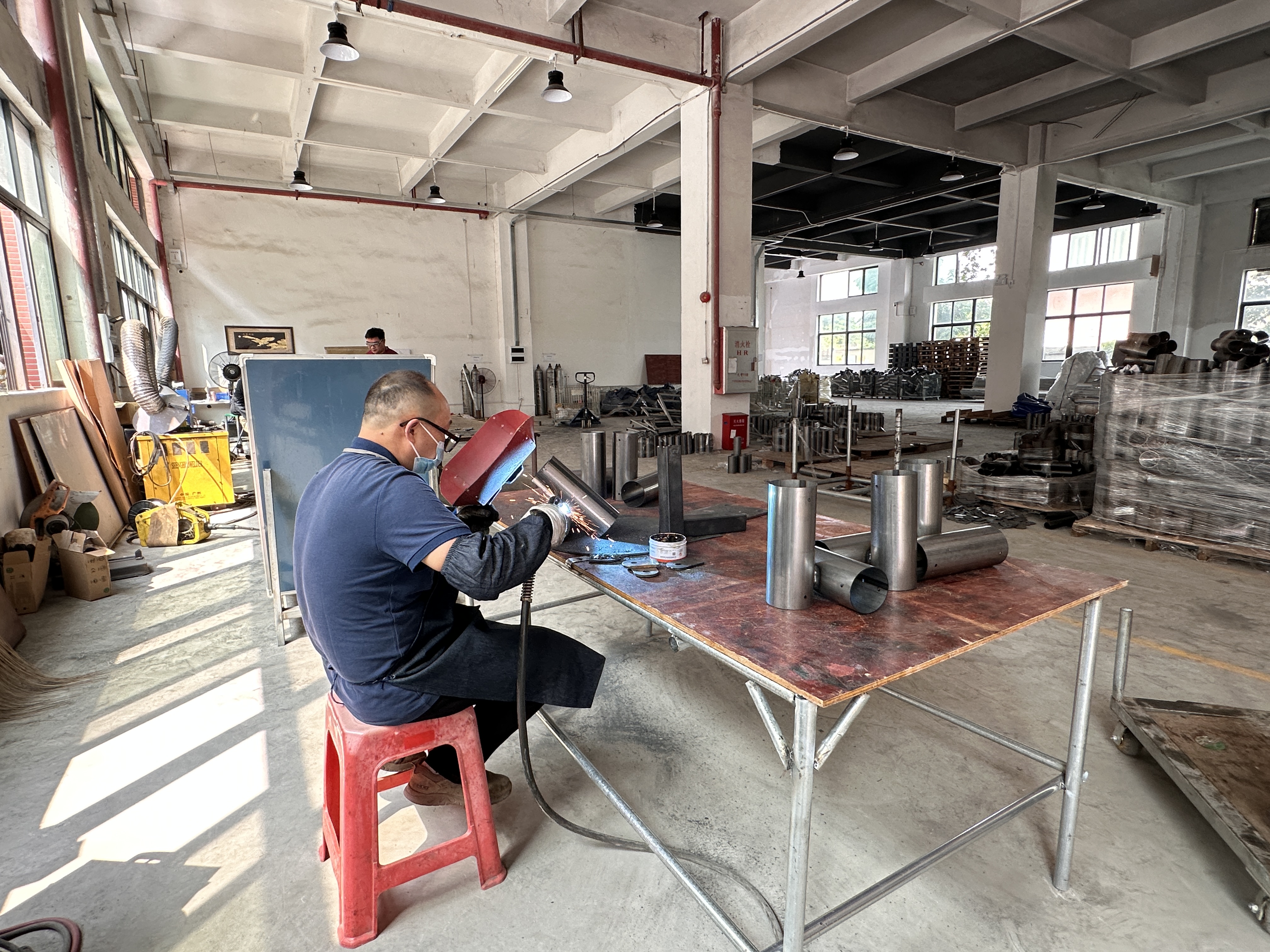
It is written for procurement managers, owner-side technical teams and project consultants who are shortlisting safari tent suppliers for African lodges, eco resorts, jungle camps, desert camps, riverside lodges and other resort hospitality sites. The reference values used here come from documented safari tent specifications and from the certification records a supplier is expected to include with a bid.
Why Tender Documents Now Ask for Ratings Rather Than Photographs
Resort accommodation is procured twice: once as a hospitality product, and once as a licensed, guest-occupied structure. In the first role, a safari tent is judged on layout, view, canvas texture and interior finish. In the second role, it is judged on what happens when a fire starts, when a storm crosses a ridge line, or when a season of rain sits on the roof.
Because resort projects are normally financed and insured, the second role increasingly drives the award. Lenders and insurers ask for evidence that the accommodation structure meets a documented performance level, and procurement teams translate that request into tender wording: a fire classification, a hydrostatic head figure, a wind speed, a snow load and a temperature range. Suppliers who cannot place those figures in writing generate tender queries and clarifications. Suppliers who can move to commercial negotiation faster.
The opportunity is straightforward. A safari tent specification that is already expressed in measurable terms can be copied almost directly into a tender schedule, an acceptance protocol and an operations manual. The same figures then serve three audiences — the design team, the insurer and the operator — without translation, and they reduce the risk that a compliance issue is discovered after the foundation is poured.
The Safari Tent Qualification Checklist for Resort Tenders
The checklist below is built around the parameters that appear most often as qualification criteria in safari lodge and eco-resort tenders. The reference figures are taken from the documented specification of the Safari Tent - Epic, Safari Tent - Vega and Safari Tent - Lodestar models produced by Stars Glamping, a Guangzhou-based manufacturer of luxury glamping tents, safari tents and glamping domes. Stars Glamping (STARS GLAMPING TENT CO., LTD) was founded in 2018, operates a 20,000㎡ manufacturing base in Nansha District, and exports to more than 40 countries.
| # | Parameter | Documented safari tent figure | Typical tender wording | Evidence to file |
|---|---|---|---|---|
| 1 | Fire rating | B1 fire-retardant | Cover fabric shall be fire-retardant to B1 classification | Fabric specification; certificate or attestation covering the model scope |
| 2 | Waterproofing | ≥3000mm H₂O | Cover fabric minimum hydrostatic head of 3000mm H₂O | Fabric specification sheet; test report where requested |
| 3 | Wind resistance | Up to 100km/h (Level 9 wind) | Structure shall resist wind speeds up to 100km/h | Structural drawings; frame specification; anchor details |
| 4 | Snow load | 60kg/m² | Roof shall support a snow load of 60kg/m² | Structural documentation checked against local design load |
| 5 | Temperature range | -25℃ to +60℃ | Materials shall remain serviceable from -25℃ to +60℃ | Fabric and hardware specification |
| 6 | Sizes | 20㎡ / 30㎡ / 40㎡ / 50㎡ (customizable) | Unit mix per schedule; sizes customizable | Layout drawings; unit schedule |
| 7 | Service life | 8–12 years | Design service life with a maintenance plan | Manufacturer statement; maintenance guidance |
| 8 | Materials | 850g/m² PVC coated polyester cover; breathable Oxford canvas lining; finish anti-corrosion solid wood or heavy-duty galvanized steel frame | Materials to be declared and matched to the ratings above | Material declarations; quality inspection records |
Two observations follow from the table. First, the three documented safari tent models — Epic, Vega and Lodestar — carry the same core ratings, which means the checklist can be applied to a model family rather than to a single unit. Second, every figure on the list is a design input as well as a procurement claim: the fire rating affects insurance, the waterproof rating affects warranty exposure, and the wind and snow figures affect the structural drawings that the buyer's engineer will review.
Documentation Priority: Ranking the Specifications in a Submission
Not every rating carries the same weight in an evaluation, and buyers who present all figures with equal emphasis make the review harder, not easier. A practical order for a tender submission, ranked by the consequence of failing to substantiate the figure, is set out below.
- Fire classification first. A fire rating is usually tied to licensing and insurance conditions, and it is binary: it either applies to the cover material or it does not.
- Waterproofing second. A hydrostatic head figure sits behind guest experience, warranty claims and maintenance budgets in high-rainfall destinations.
- Wind resistance third. Wind is a structural safety issue and it depends on frame, cover and anchorage together, not on fabric alone.
- Snow load fourth. Snow is site-specific, so it becomes decisive only in cold-climate projects, but it is the fastest disqualifier where it applies.
- Temperature range fifth. This figure determines whether the unit can be marketed as year-round accommodation rather than seasonal.
- Size and layout sixth. Footprints translate directly into revenue per unit, but they are the easiest parameter to adjust during negotiation.
This order is a documentation logic rather than a ranking of importance. It reflects the sequence in which an unverified figure is most likely to stop a tender, and it helps procurement teams decide which certificates and specification sheets must be requested in the first round of clarifications.
Fire: What a B1 Fire-Retardant Rating Covers in a Tender File
B1 is a fire-retardant classification applied to the tent's cover material. In a tender file it answers a narrow but decisive question: if the fabric is exposed to a flame source, does it resist ignition and limit flame spread long enough for occupants to leave and for a response to begin?
Fire requirements are also market-specific. Published industry standard guidance indicates that commercial tents in North America are commonly required to meet flame-retardancy standards such as CPAI-84, while NFPA 701 applies to commercial use in that market. European tenders approach the same question through the CE framework. Stars Glamping holds a General Product Safety Directive Attestation of Conformity (CE) issued by UDEM under certificate number M.2024.206.C96444, assessed against EN ISO 5912:2020, with a validity window from 31 January 2024 to 30 January 2029. The declared scope covers tents including Aluminum Frame, ClearSpan, Geodesic Dome, Glamping Dome, Glass Dome, Polycarbonate Dome, Glamping Pods, Safari Lodge and Prefab House.
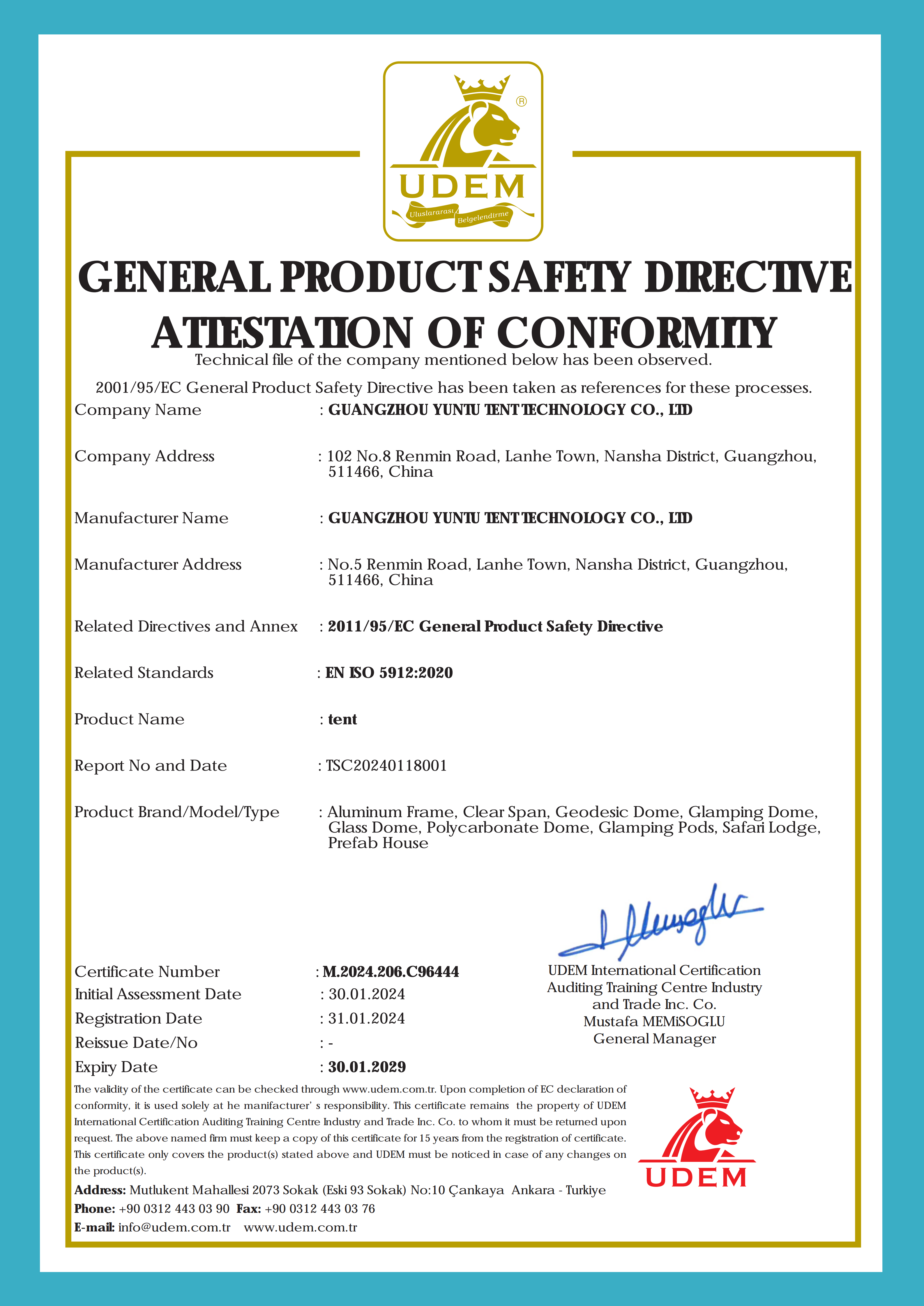
For a submission, the practical step is to file three items together: the material specification naming the fire-retardant treatment, the certificate with its number and validity dates, and a statement identifying which models the certificate covers. Buyers should also note the difference between a fabric classification and a building code approval — the first supports the tent specification, the second belongs to the project and its local authority.
Water, Wind and Snow: Turning Ratings into Acceptance Criteria
Waterproofing: ≥3000mm H₂O
Waterproofing in tent specifications is usually expressed as a hydrostatic head — the height of a water column the fabric resists before water passes through. A rating of ≥3000mm H₂O describes a cover built for sustained rain rather than occasional showers. On the safari tent specification referenced here, that rating is achieved with an 850g/m² PVC coated polyester fabric, combined with a breathable Oxford canvas inner lining that helps manage condensation on the inside face.
Buyers should write the acceptance criterion against the cover material rather than the finished tent alone, because the hydrostatic figure belongs to the fabric. A workable tender sentence reads: the cover fabric shall carry a minimum hydrostatic head of 3000mm H₂O, evidenced by the fabric specification sheet and, where required, a test report.
Wind Resistance: Up to 100km/h (Level 9)
Wind resistance up to 100km/h, corresponding to Level 9 on the wind scale used in these specifications, is a structural figure produced by the combination of frame and anchorage. The documented safari tent frame is available in finish anti-corrosion solid wood or heavy-duty galvanized steel — the choice matters to the engineer, because the frame carries the load path from the cover to the foundation.
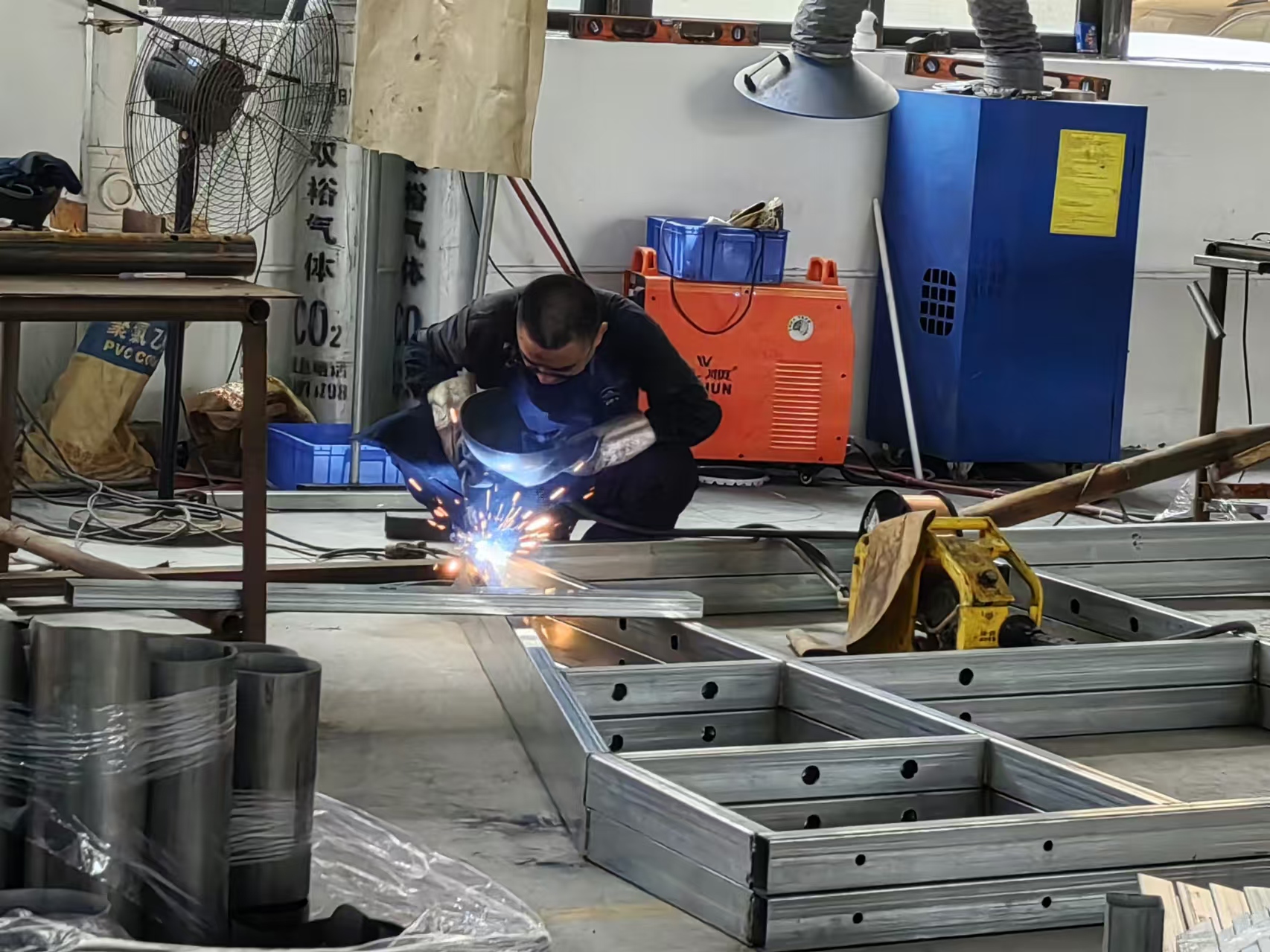
Two documentation points help at tender stage. First, the wind figure should be presented together with structural drawings and anchor details, because a rating without a fixing method is difficult to accept. Second, site exposure should be assessed independently: an exposed coastal or ridge-line plot may require a higher classification than an inland valley, and buyers should not assume that a Level 9 rating qualifies every location on a large master plan.
Snow Load: 60kg/m²
Snow load is expressed as a distributed weight per square metre of roof area. A documented value of 60kg/m² tells the buyer how much accumulated snow the structure is designed to carry. It should be checked against the local design snow load rather than assumed from the supplier's sheet. Where a project sits in a heavy-snow region, the tender should state the required figure explicitly and require the supplier to confirm the frame and roof geometry that achieve it.
Checklist wording that works in practice: name the parameter, name the figure, name the evidence. For example — fire, B1 fire-retardant cover, fabric specification plus certificate; water, ≥3000mm H₂O, fabric specification sheet; wind, up to 100km/h (Level 9), structural drawings and anchor details; snow, 60kg/m², structural documentation confirmed against the local design load; temperature, -25℃ to +60℃, fabric and hardware specification.
Temperature Range: The -25℃ to +60℃ Operating Window
The documented operating range of this safari tent specification is -25℃ to +60℃. The range covers more than guest comfort: it describes the conditions in which the cover, lining and hardware are expected to remain serviceable without the fabric becoming brittle in cold or degrading under sustained heat.
For a winter-operating lodge, the temperature figure should be read together with the insulation options available at customization stage, and with the fact that heating, plumbing and internal power distribution are project-level design decisions rather than tent-level ratings. For desert camps, the upper end of the range matters more, and buyers should confirm how shading, ventilation and interior fit-out interact with the specified fabric. The documented safari tent cover is UV-resistant and anti-fading, which is relevant for the same reason.
In tender documentation, the temperature figure is best paired with the design service life expectation. The documented service life for these safari tent models is 8–12 years, which sets the maintenance planning horizon for cover replacement and hardware checks.
Sizes, Interiors and Customization: Matching the Tent to the Tender Schedule
The documented standard footprints are 20㎡, 30㎡, 40㎡ and 50㎡, and the sizes are customizable. That matters because unit mix is usually fixed before supplier selection: a lodge may need a small number of 50㎡ family units, a larger number of 30㎡ doubles, and a limited number of 20㎡ singles for guided or solo guests.
Customization extends beyond size. Documented options include tent structure design, size and layout, fabric material in PVC, PVDF or insulation, frame material in steel or aluminium, interior layout and furniture, bathroom integration, logo branding and colour customization. For a tender package, that list is useful in two directions: it defines what the buyer may specify, and it defines what the supplier must confirm in writing before the price is fixed.
Two operational points belong in the same section of the document. Standard models are documented at a lead time of 15–20 days, while customized projects are documented at 20–30 days, so delivery schedules should be agreed against the customization scope rather than against a catalogue model. The documented minimum order is one unit, with samples available — a practical option for a pilot unit that a resort evaluates before committing to a full phase.
Applying the Checklist Across Site Types
The documented application scope for these safari tent models covers wildlife lodge tents, jungle safari accommodation tents, eco tourism tents, national park lodge tents and adventure camping lodge tents, and the wider product family is used for luxury resorts, glamping projects, safari parks, eco-tourism camps and beach and mountain hotels. Each site type pushes a different pair of parameters to the front of the qualification process.
- Wildlife lodge and national park lodge: fire classification and wind resistance usually lead, because the units sit inside managed land with its own safety expectations.
- Jungle safari accommodation: waterproofing dominates, and the breathable Oxford canvas lining becomes a condensation-management factor rather than a comfort detail.
- Eco tourism camps: material declarations and service life are checked together with the layout, because replacement cycles affect the environmental case for the project.
- Desert camps: the upper end of the temperature range, UV resistance and anti-fading behaviour carry more weight than snow load.
- Riverside lodges, beach and mountain hotels: waterproofing, wind resistance and frame corrosion protection should be verified as a group, since these sites combine rain, wind and salt or humidity exposure.
What a Supplier Should Be Able to Place in the Tender Folder
Stars Glamping is a Guangzhou-based high-tech enterprise focused on the R&D, design, manufacturing and installation of luxury glamping tents and overall camp planning, with a 20,000㎡ manufacturing base and a 4,000㎡ simulation exhibition hall in Nansha District. In a tender folder, the supplier's claims matter less than the documents behind them. A safari tent bid that is genuinely ready for evaluation usually contains:
- The CE attestation with its certificate number, issuing body, standard reference and validity dates, together with the model scope it covers;
- Fabric specifications naming the 850g/m² PVC coated polyester cover and the breathable Oxford canvas lining;
- Frame specifications for finish anti-corrosion solid wood or heavy-duty galvanized steel;
- A ratings statement covering B1 fire retardancy, ≥3000mm H₂O waterproofing, wind resistance up to 100km/h (Level 9), a 60kg/m² snow load and a -25℃ to +60℃ operating range;
- Standard and customized size options with layout drawings;
- Production and schedule information: monthly capacity of 50–80 luxury tent units depending on project size, annual output of 600–900 luxury tent units, and documented lead times;
- Quality evidence: a 12-step quality inspection system covering raw material inspection, in-process quality control and pre-shipment inspection, with third-party inspection available;
- Support documentation: installation guidance, engineering drawings, 24/7 technical support, spare parts supply and maintenance support.
Manufacturing depth is also part of the qualification argument. The company holds 54 national patents covering areas that include wind resistance, waterproofing, heat insulation and quick assembly, works with an in-house R&D team covering architectural design, structural engineering and materials science, and exports around 90% of its output to markets including Southeast Asia, the Middle East, Africa, Europe, North America, South America and Australia. It reports service across more than 3,000 cultural and tourism projects, with a customer repurchase rate of over 80%.
Market Trend: Why Compliance-Led Procurement Is Growing
Two market signals explain why buyers are writing harder specifications into tenders. The global glamping tents market was valued at USD 3,124.89 million in 2023 and is projected to reach USD 6,484.86 million by 2032, according to Zion Market Research. Grand View Research estimates that the safari tourism market will reach USD 66.9 billion by 2033, growing at a CAGR of 7.7% from 2026.
Growth of that scale brings institutional capital into projects that were previously owner-operated, and institutional capital brings documentation requirements. Reported industry data also points to rising volumes on the demand side: Africa's safari tourism market recorded an 8% increase in international arrivals in 2025, reaching 81 million travellers, according to UNWTO and Grand View Research data.
The procurement implication is not that safari tents have become more technical. It is that the evidence around them has become part of the commercial package, and that buyers now compare specification sheets the way they once compared photographs.
Safari Tents Versus Traditional Resort Construction: Where the Boundary Sits
Compared with concrete or timber cabin construction, a safari tent is generally faster to deploy and requires a lighter foundation, which is why it appears in tenders for sites where heavy construction is slow, difficult or environmentally constrained. It also allows a resort to add units in phases as demand develops.
The boundary deserves equal attention. The documented service life of these safari tent models is 8–12 years, so a buyer comparing them against a permanent building should plan for cover replacement and periodic maintenance within the asset lifecycle. Where a project requires a longer structural life, Stars Glamping's steel-frame PVDF luxury tent series is documented differently, at 25–30 years of service life, ≥5000mm H₂O waterproofing, wind resistance up to 120km/h (Level 10) and a snow load of 80kg/m².
Climate is the second boundary. A 60kg/m² snow load is a specification, not a universal guarantee: projects in heavy alpine snow zones should confirm that the required local snow load falls within the rated figure, and step up to a different structural specification where it does not. For the same reason, buyers on very exposed coastlines should verify local wind exposure against the Level 9 rating before treating the standard safari tent specification as qualified for that plot.
Future Outlook
Three directions are already visible in tender language. First, performance figures are becoming standard tender fields rather than supplier marketing statements, which shifts the supplier's task from persuasion to documentation. Second, customization is being discussed earlier, at qualification stage, because size, fabric, frame and interior choices change both lead times and structural documentation. Third, buyers increasingly ask suppliers to declare what a product does not cover — the snow load or wind speed outside its rated range — because that disclosure shortens acceptance discussions and reduces post-award disputes.
For suppliers, readiness is measurable: certificates with validity dates, specification sheets for fabric and frame, structural drawings, and inspection records. For buyers, the checklist is equally short. Ask for the number, the standard and the document — and then write the acceptance criterion in the same terms.
Frequently Asked Questions
What does a B1 fire-retardant rating mean on a safari tent?
B1 describes the fire behaviour of the tent's cover material: it is a fire-retardant classification rather than a statement about the whole structure. In a resort tender it is normally requested together with the material specification and, where applicable, a certificate. Commercial tent requirements in North America commonly reference standards such as CPAI-84 or NFPA 701, while European submissions often rely on CE documentation. The documented safari tent specification carries a B1 fire-retardant rating and is covered by a CE General Product Safety Directive Attestation of Conformity assessed against EN ISO 5912:2020.
Is ≥3000mm H₂O waterproofing sufficient for a resort safari tent?
A hydrostatic head of 3000mm H₂O means the cover fabric resists a 3,000 mm column of water before penetration, which places it in the category of fabric intended for sustained rainfall rather than occasional showers. In the documented safari tent specification the figure is achieved with an 850g/m² PVC coated polyester cover and a breathable Oxford canvas lining. Whether it is sufficient for a specific site depends on rainfall intensity, wind-driven rain exposure and roof geometry, so the fabric rating should be combined with a site assessment rather than treated as a standalone guarantee.
What wind speed can a safari tent withstand?
The documented safari tent specification rates wind resistance at up to 100km/h, corresponding to Level 9 wind. That figure applies to the complete assembly — frame, cover and anchorage — and is available with a frame in finish anti-corrosion solid wood or heavy-duty galvanized steel. Projects on exposed coastlines or ridge lines should verify the local design wind speed against this rating before including the standard specification in a qualified tender list.
Can a safari tent with a 60kg/m² snow load be used in a cold-climate resort?
60kg/m² is the documented snow load for these safari tent models, and the documented operating temperature range is -25℃ to +60℃, which supports year-round use in many cold-climate locations. Snow load requirements are site-specific, however: projects in heavy-snow regions should compare the local design snow load with the rated figure. Where the local requirement is higher, a different structural specification should be evaluated rather than assumed to be covered.
What sizes are available, and how does customization affect a tender programme?
Standard footprints are 20㎡, 30㎡, 40㎡ and 50㎡, and sizes are customizable. Documented customization options include tent structure design, size and layout, fabric material in PVC, PVDF or insulation, frame material in steel or aluminium, interior layout and furniture, bathroom integration, logo branding and colour. Lead time is documented at 15–20 days for standard models and 20–30 days for customized projects, with a minimum order of one unit and samples available.
Reference document: buyers preparing a tender annex can download the Stars Glamping product brochure with specifications and model information: Stars Glamping brochure (PDF).