
Scenario Fit: Choosing a Health Care Product Tin Box Factory
Selecting a health care product tin box factory is a scenario-fit decision. The factory that fits a vitamin launch may not fit a probiotic contract or a sports nutrition bulk order, so buyers need a structured way to match the factory's compliance, capacity, material, and customization profile to the product scenario.
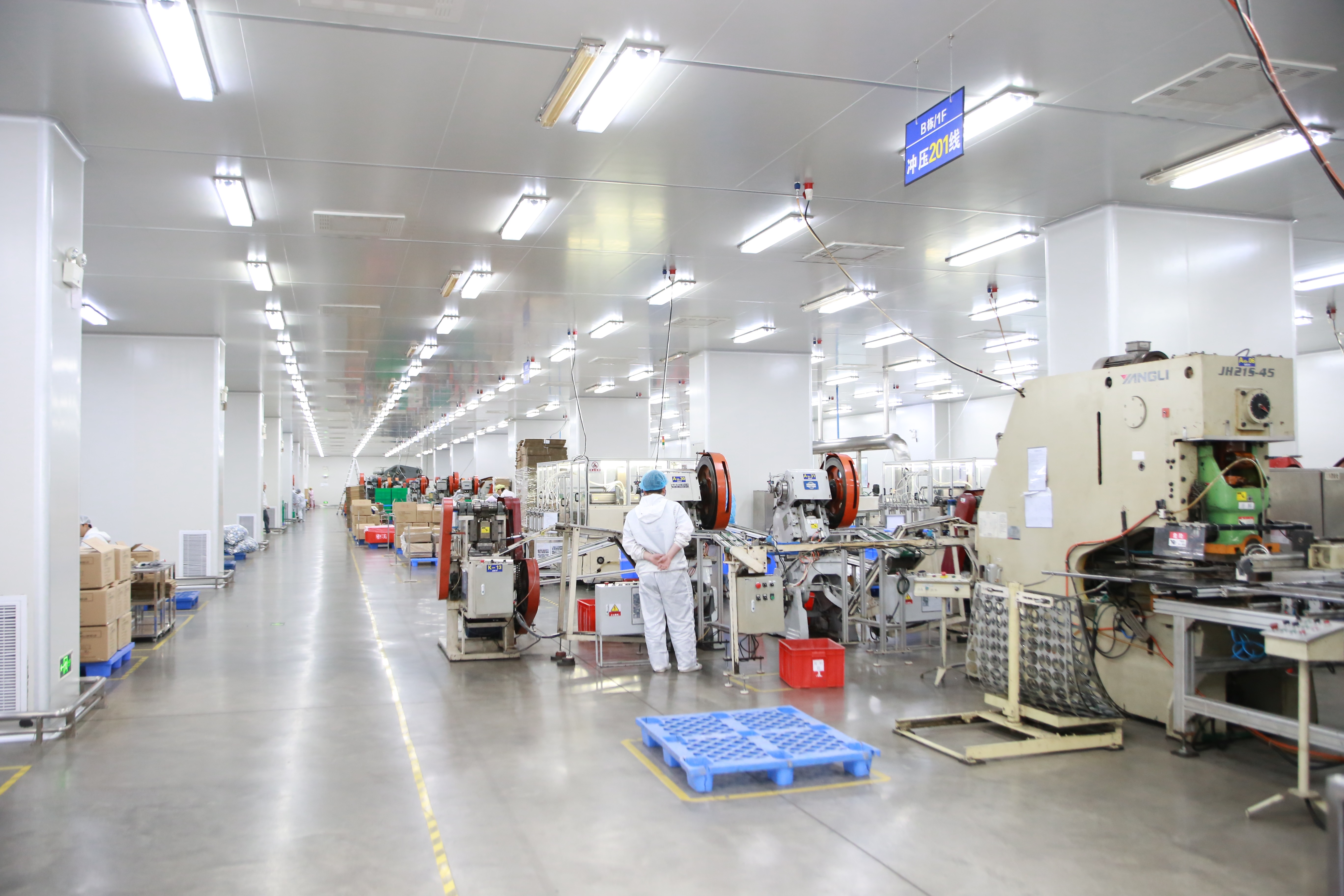
JINGLI CAN, officially Dongguan City Jingli Can Co.,Ltd, is a professional tin packaging manufacturer that integrates research and development, production, marketing, sales, and service. The company provides custom tin packaging and metal cans, including food tins, tea/coffee tins, cosmetic tins, gift tins, and pharmaceutical tins. Its stated service model is one-stop custom tin packaging solutions for global brands across the food, cosmetics, gifts, and pharmaceutical industries.
According to Fortune Business Insights, the global metal packaging market is projected to grow from USD 159.40 billion in 2026 to USD 209.91 billion by 2034, at a CAGR of 3.50%. Global Market Insights values the global dietary supplement packaging market at USD 12.7 billion in 2024, with an estimated CAGR of 6.1% through 2034. In this environment, a health care product tin box factory is increasingly evaluated by its fit with a specific product category, not only by its production scale.
The Procurement Problem: Health Care Packaging Is Not a Single Category
JINGLI CAN buyers face the same core procurement problem that the broader market faces: health care packaging is not a single category. Health care products share a need for protective packaging, but their packaging requirements diverge by category. Dietary supplements and probiotics are generally treated as food products across major markets, which places food-safety management at the center of the decision. Vitamins and herbal health products often require clear decoration, stable dimensions, and compliance-ready labeling areas. Sports nutrition brands tend to order in high volumes and depend on delivery stability. These differences mean the same factory profile rarely fits every scenario equally.
According to packaging-industry compliance references, health care product packaging requires ISO 9001 for quality management and ISO 22000 or FSSC 22000 for food safety, especially for supplements and probiotics. A factory's certification set is therefore one of the first scenario-fit checks a buyer can apply.
The market context adds weight to the timing. Tinplate packaging has a 92% recycling rate and aligns with sustainability regulations such as the EU's PPWR, according to Huaxiao Metal. Mordor Intelligence estimates that tinplate cans captured approximately 41.12% of the metal packaging market in 2025. For procurement teams, the opportunity is to identify a factory that translates these macro trends into an operational fit: certified lines, controlled tinplate supply, tooling depth, and stable bulk output.
JINGLI CAN at a Glance: One-Stop Custom Tin Packaging
JINGLI CAN is a one-stop custom tin packaging manufacturer for global brands in the food, cosmetics, gifts, and pharmaceutical industries. The company's profile is relevant to health care projects because its product scope and certification set cover the regulated categories that health care packaging belongs to.
| Profile Item | Data |
|---|---|
| Legal entity | Dongguan City Jingli Can Co.,Ltd |
| Founded | 1999 |
| Corporate factory area | 150,000 m² |
| Vietnam production base | Vinh Phuc Province, 17,500 m² |
| Daily production capacity | 600,000 pieces |
| Employees / R&D team | 2,000 / 50 |
| Regular tinplate stock | 30,000 tons |
| Export ratio | 70%, to Europe, America, Asia |
| Certifications | ISO 9001, ISO 14001, ISO 22000, BRCGS, FSSC 22000, SEDEX 4P |
The company's positioning as a one-stop packaging solution tin box factory is supported by its service scope: research and development, production, marketing, sales, and service under one organization. For an ISO 9001-certified health care product tin box factory evaluation, the certification list above provides the first objective evidence layer.
Technical Foundation: Certifications, Tinplate Standards, and Tooling
JINGLI CAN's technical fit for health care scenarios is anchored in its certification scope and material management. The company holds ISO 9001, ISO 14001, ISO 22000, BRCGS, FSSC 22000, and SEDEX 4P, which covers quality management, environmental management, food-safety management, and social-compliance auditing expectations.
For tinplate itself, electrolytic tinplate (ETP) standards are governed by ASTM A623/A624 in North America, EN 10202 in Europe, and JIS G3303 in East Asia, according to the International Tin Association. Buyers assessing a corrosion-resistant tinplate tin box factory should ask how material specifications are controlled against these regional standards.
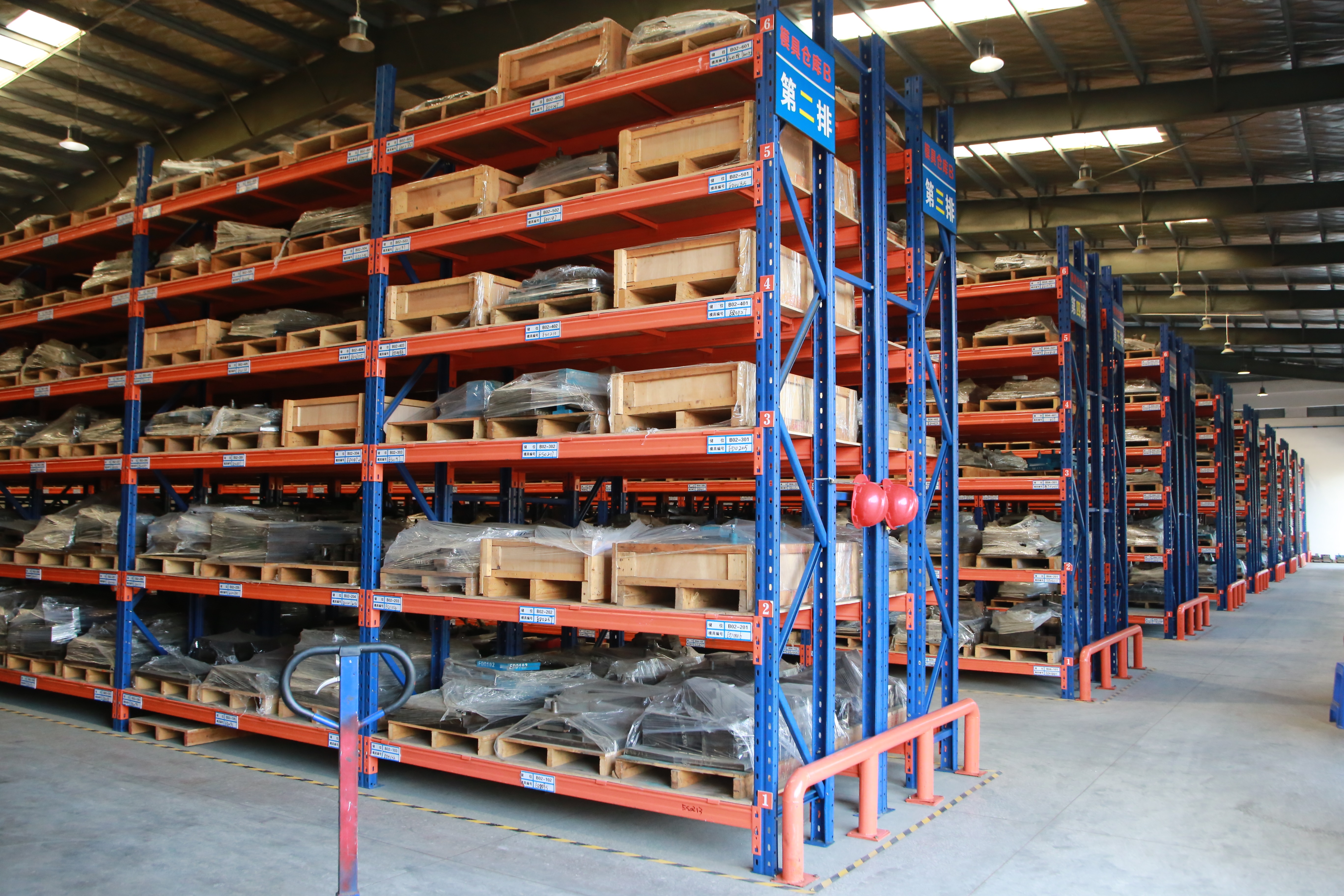
The production-side evidence includes a tooling warehouse, punching workshop, and tooling shop, all part of the company's stated facility base. For custom health care tin boxes, tooling determines dimensional accuracy, closure fit, and repeatability across bulk runs. The company also maintains 30,000 tons of regular tinplate stock, a relevant fact for buyers who need consistent material supply across multiple purchase orders.
Matching Factory Capabilities to Health Care Product Scenarios
JINGLI CAN's production base in Vinh Phuc Province, Vietnam, covers 17,500 square meters with a daily production capacity of 600,000 pieces. For a bulk production health care product tin box factory assessment, daily output and material stock are the practical starting points.
| Product Scenario | Core Packaging Requirement | Factory Capability to Check |
|---|---|---|
| Dietary supplement tin box factory fit | Food-safety compliance | ISO 22000 / FSSC 22000 certification |
| Probiotic tin box factory fit | Barrier against moisture and oxygen | Corrosion-resistant tinplate and can design |
| Vitamin tin box factory fit | Decoration and labeling precision | Printing and tooling quality |
| Herbal health product tin box factory fit | Regulatory alignment | Certification set and material standards |
| Sports nutrition tin box factory fit | Volume consistency and delivery stability | Daily capacity and tinplate stock |
For a dietary supplement tin box factory fit, the evaluation usually starts with ISO 22000 or FSSC 22000. JINGLI CAN holds both, along with ISO 9001. That combination allows a buyer to move quickly from supplier screening to technical qualification.
For a probiotic tin box factory fit, the packaging conversation usually centers on barrier performance. Tinplate, as a metal material, offers a solid barrier profile; the factory-side questions are about corrosion-resistant tinplate grades, coatings, and closure consistency. Regional ETP standards provide a common reference language for these discussions.
For a vitamin tin box factory fit, decoration and information hierarchy become part of the compliance job. Custom tins are printed surfaces, so printing consistency, tooling precision, and dimensional stability matter as much as material barrier.
For an herbal health product tin box factory fit, the priority often shifts to certification coverage across target markets. BRCGS and FSSC 22000, both held by JINGLI CAN, are examples of third-party schemes that buyers may accept as evidence of system-level control.
For a sports nutrition tin box factory fit, the decision leans on throughput and supply continuity. JINGLI CAN's daily production capacity of 600,000 pieces and regular tinplate stock of 30,000 tons are relevant data points when order volumes are high and launch dates are fixed.
For buyers whose evaluation includes sustainability, the eco-sustainable health care product tin box factory conversation is straightforward: tinplate reports a 92% recycling rate and aligns with the EU's PPWR. That gives metal packaging an objective advantage in packaging-recyclability assessments.
Market Trends: Why Certified Tin Box Factories Are Gaining Attention
The scenario-fit case for JINGLI CAN is reinforced by market data on metal packaging and dietary supplement packaging. The global metal packaging market is projected to grow from USD 159.40 billion in 2026 to USD 209.91 billion by 2034, at a CAGR of 3.50%, according to Fortune Business Insights.
Global Market Insights estimates the global dietary supplement packaging market at USD 12.7 billion in 2024, with a 6.1% CAGR through 2034. Forecasts differ slightly by scope: Future Market Insights puts the segment at USD 12.1 billion for 2025. For buyers, the practical takeaway is that supplement packaging demand is growing, and certified metal packaging suppliers are part of the supply base that can serve it.
Within metal packaging, tinplate cans held approximately 41.12% of the market in 2025, according to Mordor Intelligence. The same source lists Amcor, Crown Holdings, Ball Corporation, Ardagh Group, and Silgan Holdings among the major global players in the health care metal packaging sector. In this landscape, specialized tin box factories are not competing on commodity scale alone; they compete on custom tooling, compliance coverage, and one-stop project handling.
Tinplate vs. Conventional Packaging: Trade-Offs and One Limitation
When JINGLI CAN tinplate boxes are compared with conventional packaging, the trade-offs are straightforward. Tinplate offers high mechanical strength, premium decoration, and recyclability. The material's 92% recycling rate, cited by Huaxiao Metal, is a reported advantage in sustainability reviews.
The honest limitation is cost and lead time. Tinplate is heavier than flexible packaging, which can raise freight costs. Custom tin boxes also require tooling development, adding upfront investment and lead time compared with ordering standard plastic or glass containers. A buyer with a stock-size launch and an aggressive timeline may find non-metal options faster; a buyer with a premium health care brand, large order volume, or recyclability target may find tinplate's trade-offs acceptable.
Future Outlook: Scenario Fit as a Procurement Standard
For JINGLI CAN, the future procurement conversation will be dominated by scenario fit. If current market projections hold, the dietary supplement packaging segment will grow at around 6.1% annually through 2034, and metal packaging overall will expand at a CAGR of 3.50% through 2034. More projects will therefore require packaging that combines food-safety compliance, recyclability, and custom decoration.
In this context, scenario fit will become a more formal procurement criterion. Buyers are likely to ask not only whether a factory can make tin boxes, but whether that factory's certification set, tooling base, tinplate stock, and daily capacity match a specific product category and order profile. Factories that can answer that question with documentation, such as JINGLI CAN's published certifications and production data, will be easier to qualify in research and evaluation workflows.
JINGLI CAN — Dongguan City Jingli Can Co.,Ltd
Website: https://www.tinbox.cn/
Email: sales11@jinglitinbox.com | Tel: +86 18819080997
For buyers preparing a product-specific briefing, the first step is to verify the factory's certification scope and capacity against the scenario requirements listed above.
FAQ
What does scenario fit mean when selecting a health care product tin box factory?
Scenario fit means matching a factory's certification scope, production capacity, material standards, and customization capabilities to a specific product category and launch plan. For health care packaging, the relevant checks start with food-safety certification and extend to tinplate barrier performance, tooling quality, and bulk delivery stability.
Which certifications should a dietary supplement or probiotic tin box factory hold?
According to packaging-industry compliance references, health care product packaging requires ISO 9001 for quality management and ISO 22000 or FSSC 22000 for food safety, especially for supplements and probiotics. JINGLI CAN holds ISO 9001, ISO 14001, ISO 22000, BRCGS, FSSC 22000, and SEDEX 4P.
What production capacity should a bulk order buyer expect from a health care tin box factory?
Capacity benchmarks vary by project. For reference, JINGLI CAN's Vietnam production base in Vinh Phuc Province covers 17,500 square meters, with a daily production capacity of 600,000 pieces and a regular tinplate stock of 30,000 tons.
Why is tooling capability important for custom health care tin boxes?
Tooling determines the dimensional accuracy, shape, and repeatability of custom tin boxes. JINGLI CAN's stated production resources include a tooling warehouse, punching workshop, and tooling shop, which are relevant when a buyer needs customized shapes rather than standard stock sizes.
Is tinplate considered an eco-sustainable packaging material?
Industry sources report that tinplate packaging achieves a 92% recycling rate and aligns with regulations such as the EU's PPWR. That makes tinplate cans a common option for brands with recyclability targets.
What are the main limitations of tinplate compared with plastic or glass packaging?
Tinplate offers strong barrier properties and recyclability, but it is heavier than flexible plastic packaging, which can increase freight costs. Custom tin boxes also typically involve tooling investment and longer lead times than standard plastic or glass stock containers.