
Scent Diffuser Installation: 10 Power, Mounting & Noise FAQs
Scent Diffuser Installation: 10 Power, Mounting & Noise FAQs
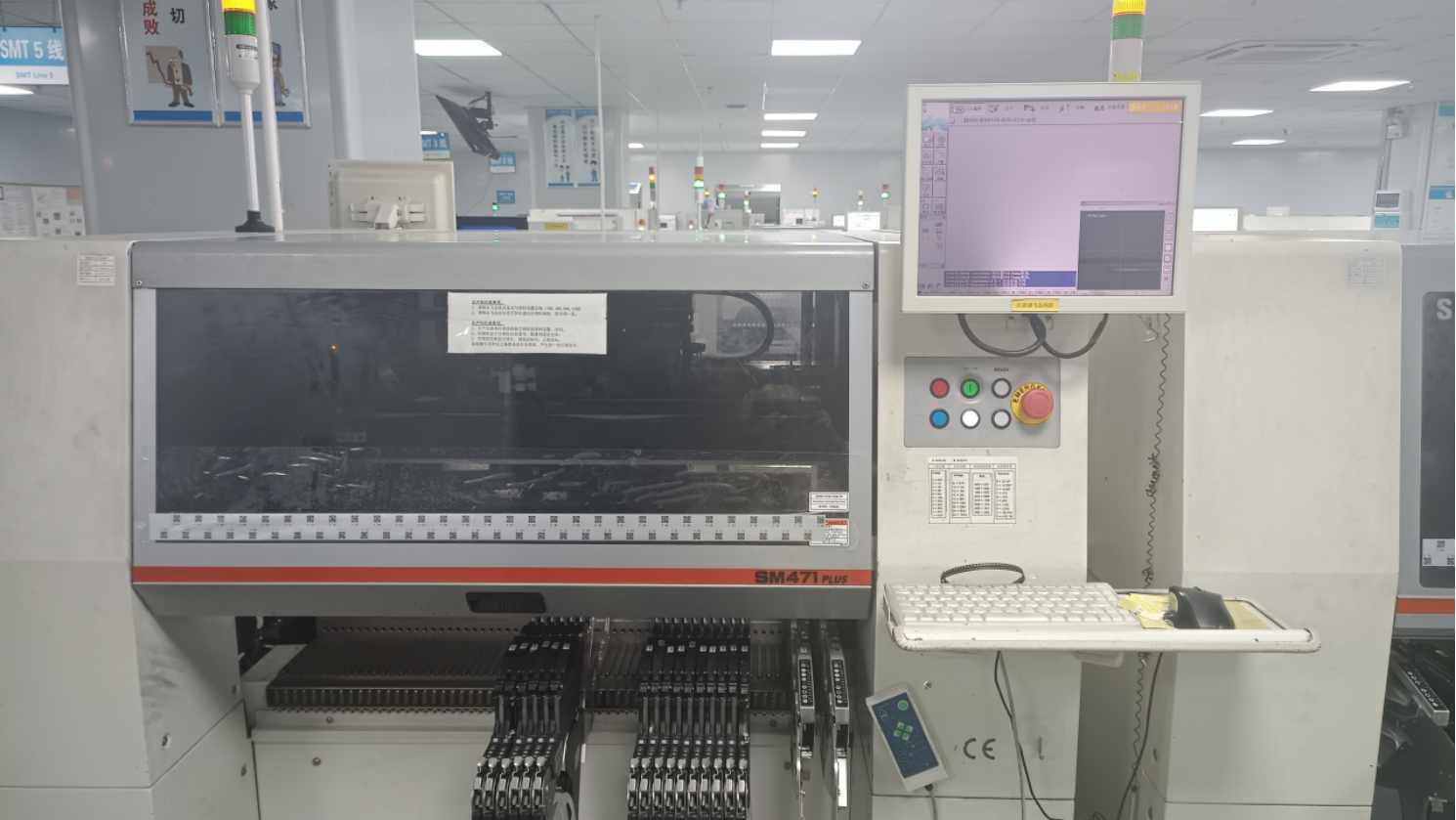
PCB surface-mount assembly: the electronics board that determines which voltage family a scent diffuser belongs to and how its schedule and output are controlled.
When a commercial scenting project moves from specification to installation, three physical variables decide whether the plan survives contact with the building: where the diffuser gets its power, where it can be mounted, and how much noise it adds to the space it serves. Fragrance selection is usually the easy part. This reference answers the ten technical queries that facility teams, contractors, specifiers and importers most often raise about scent diffuser installation, using model-level data rather than general principles.
SCENTSEA — the trading name of Shenzhen Scentsea Technology Co., Ltd. — is a Shenzhen-based manufacturer founded in 2021 that develops and produces waterless cold-air nebulizing scent diffusers, HVAC scent systems and fragrance oils for home, commercial and project use. Its range covers wall plug-in, tower, floor-standing, battery-operated and HVAC-split machines, and its products have been supplied to customers in more than 70 countries and regions across North America, Europe, the Middle East, Australia and Southeast Asia.
Because each answer below is tied to a specific model and its published specification, the material can be used directly in a site survey, a specification review or a request for quotation.
Why installation questions dominate commercial scenting decisions
Commercial scent diffusers are frequently evaluated as fragrance devices. They are, in practice, installed equipment, and they behave like installed equipment. A unit sized for a lobby may be re-specified for a lift car with no accessible outlet. A machine chosen for its coverage figure may be rejected by an acoustic reviewer because the room sits under a library or a hotel corridor. A battery-powered model may be the only technically viable route in an older building where new cabling is not permitted.
Three variables create most of that friction:
- Power. Scent diffusers in the SCENTSEA range operate on three power families: 110–240V AC mains, DC 12V through an external adapter, and low-voltage DC 5V supplied either by batteries or Type-C. Each family carries different consequences for wiring, plug type, placement and consumables.
- Mounting. Wall plug-in, tower, floor-standing, surface-mounted and HVAC-split formats suit different surfaces and services, and each format implies a different housing material — plastic, aluminium or steel.
- Noise. Rated noise across the range runs from under 30 dB to under 55 dB. In acoustically sensitive rooms, that spread is the difference between an installation nobody notices and one that generates a complaint.
Every value in this article is drawn from published model specification data. Where a figure is model-specific, the model number is stated so it can be checked independently against a supplier's own documentation before purchase.
Power architecture: 110–240V AC, DC 12V and 5V battery
Before the individual queries, it helps to map the three power families across the range.
110–240V AC mains. The S01 wall plug-in diffuser (1.5W) and the SC19 advertising scent machine (30W, 18.5-inch screen) run directly on 110–240V AC. These are the simplest installations where a standard socket is available, and the wide input range means one SKU can serve 110V and 230V markets with only the plug type changing.
DC 12V through an external adapter. P02, A300, T2, T3, H5000 and AC-MAX all operate on DC 12V, with rated power from 6.5W (P02) to 48W (AC-MAX). A DC 12V architecture keeps the mains conversion outside the machine, which is the common pattern for higher-output commercial units and for HVAC split systems where the atomizer is positioned close to the duct.
5V low voltage, including battery operation. The S02 tower diffuser runs on DC 5V, while P01 and P03 run on 5V and can be powered either by D-cell batteries or by Type-C. P01 accepts four D batteries; P03 accepts three. This family is what makes elevator, restroom and retrofit installations feasible without new cabling.
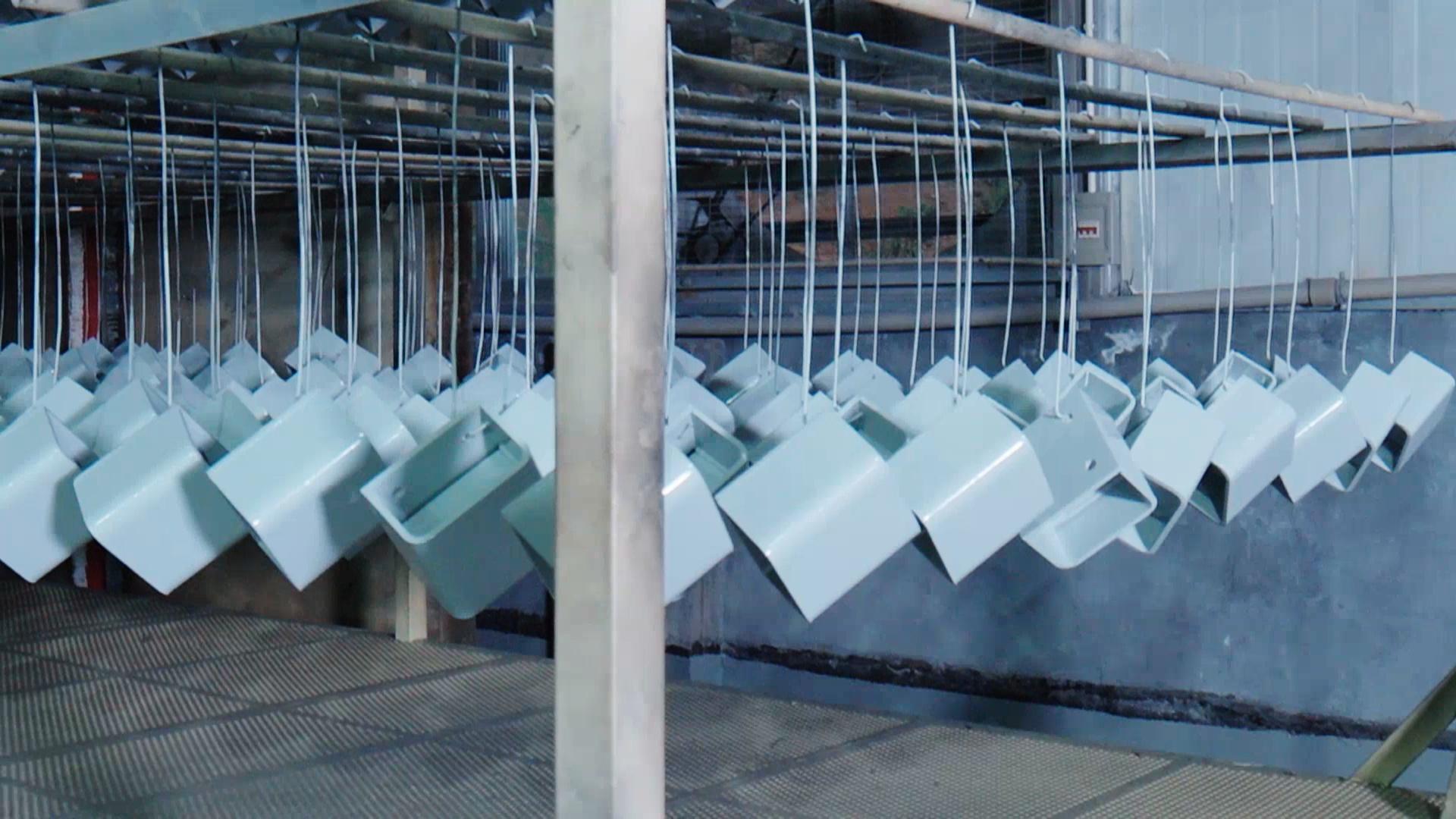
Powder coating of metal housings. Housing material drives mounting weight, surface finish and the environments a unit can be placed in — aluminium for S02, H5000 and AC-MAX bodies, steel for A300, T2 and T3 casings.
| Model | Type / typical placement | Power supply | Rated power | Coverage | Oil capacity | Rated noise |
|---|---|---|---|---|---|---|
| S01 | Wall plug-in | 110–240V | 1.5W | 30–100 m² | 150 ml | <38 dB |
| S02 | Tower | DC 5V | 1.5W | 30–100 m² | 100 ml | <30 dB |
| P01 | Battery operated | 5V — 4× D batteries or Type-C | 2.5W | 100–150 m² | 500 ml | <35 dB |
| P02 | Surface mounted, plug-in | DC 12V | 6.5W | 150–350 m² | 300 ml | <30 dB |
| P03 | Battery operated | 5V — 3× D batteries or Type-C | 2.5W | 100–150 m² | 150 ml | <35 dB |
| A300 | Commercial | DC 12V | 12W | 500–800 m² | 500 ml | <40 dB |
| T2 | Commercial | DC 12V 2A | 10W | 500–800 m² | 500 ml | <45 dB |
| T3 | Commercial, large space | DC 12V 2A | 15W | 1,000–1,600 m² | 1,000 ml | <55 dB |
| H5000 | Floor standing | DC 12V, plug-in | 20W | 800–1,300 m² | 1,000 ml | <45 dB |
| AC-MAX | HVAC split | DC 12V | 48W | 2,500–3,500 m² | 5,000 ml | <45 dB |
| SC19 | Advertising scent machine | 110–240V AC | 30W | 150–250 m² | 500 ml | ≤30 dB |
Table 1 — Power, coverage, capacity and rated noise by model. Coverage figures are stated rated coverage, not a measured room result, and should be checked against ceiling height and airflow conditions on site.
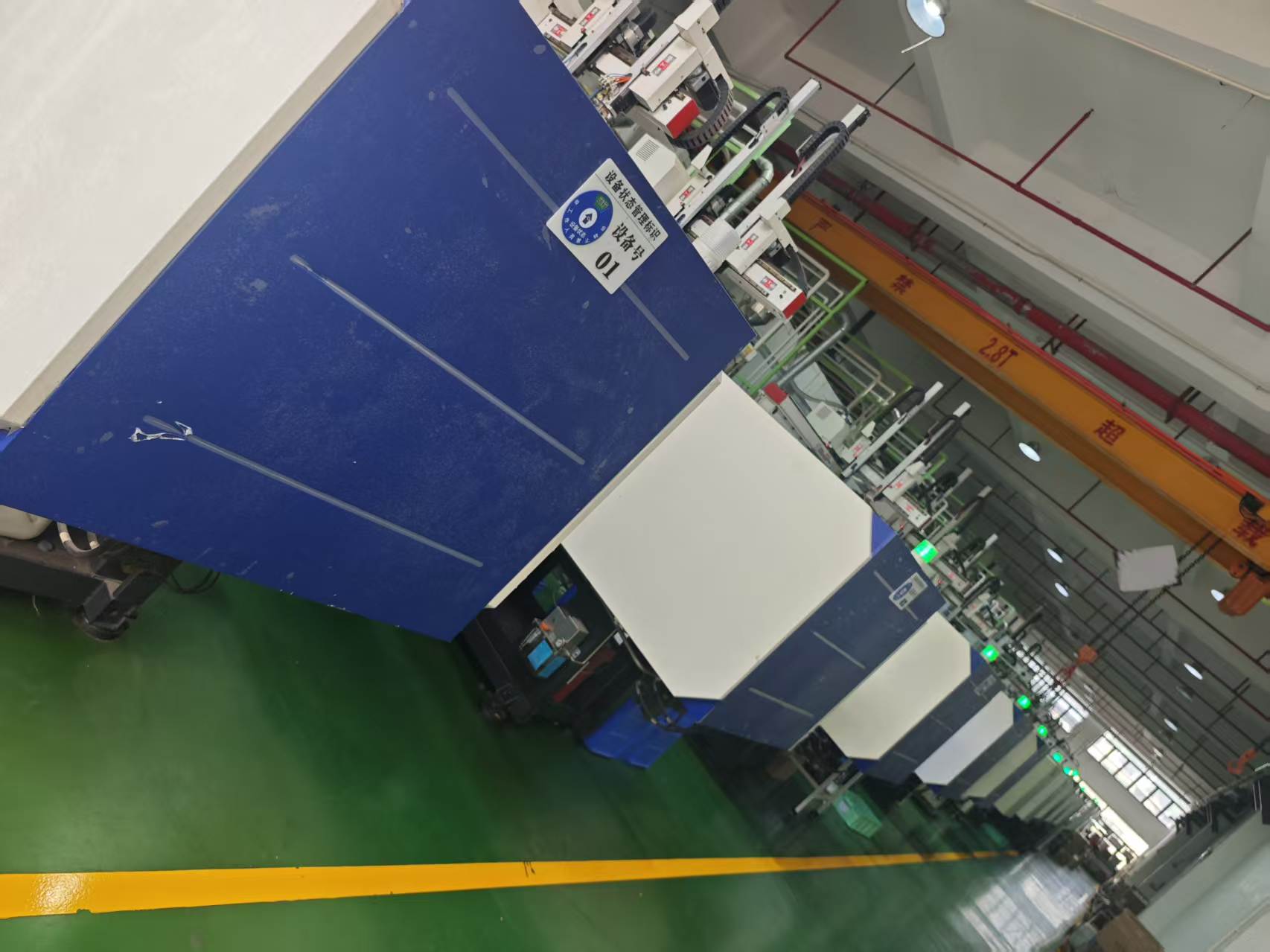
Injection moulding of plastic housings used by compact wall plug-in and battery-operated models such as S01, P01, P02 and P03 — the format that keeps weight low enough for plug-in and battery installation.
Ten technical queries on scent diffuser installation
1. What voltage does a scent diffuser need, and how do the power families differ?
Three options exist across the range and they are not interchangeable at specification stage. 110–240V AC models (S01, SC19) plug into a standard socket and accept both 110V and 230V markets. DC 12V models (P02, A300, T2, T3, H5000, AC-MAX) also plug in, but mains conversion happens in an external adapter, so the socket can sit some distance from the diffuser itself. 5V models (S02, P01, P03) can run from batteries or Type-C, which removes the socket requirement altogether. The practical consequence: if the site survey finds no viable outlet within reach of the intended position, the DC 12V and 5V families are the ones that keep the schedule intact.
2. Can a scent diffuser be used inside an elevator?
Yes. P01 and P03 are the models listed for elevator use, and both are battery operated; P03 is additionally listed for corridors and small shops. Because they run on 4× D batteries (P01) or 3× D batteries (P03), with Type-C as an alternative supply, neither requires a new power drop inside the lift car. Both cover 100–150 m² and are rated below 35 dB. P01 carries a 500 ml oil reservoir; P03 carries 150 ml, which shortens the interval between refills in high-traffic shafts.
3. What is the dB rating for a library or other quiet space?
Noise is the specification most likely to eliminate a candidate model before price is even discussed. Published ratings across the range are: S02 <30 dB, P02 <30 dB, SC19 ≤30 dB, P01 <35 dB, P03 <35 dB, S01 <38 dB, A300 <40 dB, T2 <45 dB, H5000 <45 dB, AC-MAX <45 dB, and T3 <55 dB. For a library, reading room or similar quiet interior, the applicable figures are A300 at under 40 dB and S01 at under 38 dB. T3, at under 55 dB, is the highest-rated unit in the range and is specified for large spaces such as shopping malls, hotels and airports rather than for acoustically sensitive rooms. Rated noise is a product specification, not an acoustic measurement of the installed space, so a sample test in the actual room remains the more reliable check.
4. How do wall, tower, floor and surface mounting options differ?
The range covers four physical formats. S01 is a wall plug-in unit in a plastic housing measuring L69 × W73.5 × H136 mm — compact enough to sit directly on a socket. S02 is a tower format with an all-aluminium body at φ100 × 288 mm, intended for a desk, shelf or floor in a home, office, store or beauty salon. H5000 is a floor-standing machine with a gunmetal aluminium body at L180 × W180 × H610 mm, aimed at hotel, shopping mall and office building lobbies. A300, T2, T3 and P02 are surface-mounted commercial units with steel or steel-and-acrylic construction for wall or shelf placement, while AC-MAX is a split unit designed for connection to ductwork rather than to a room surface. Mounting format also determines service access: a surface-mounted unit can usually be reached for refilling without scaffolding, whereas a floor-standing unit requires clear floor space to remain serviceable.
5. Can the diffuser be connected to an HVAC system?
Yes, but only through a dedicated model. AC-MAX is the HVAC scent diffuser in the range: a split-type unit with an aluminium body and a 5 L oil bottle, rated DC 12V at 48W, covering 2,500–3,500 m², with rated noise below 45 dB. It is listed for shopping malls, banks and airports. The general SCENTSEA guidance is that selected models can connect to HVAC ducts, while dedicated HVAC scenting systems are the appropriate route for large centralised projects. In practice this means duct connection should be decided during specification, not retrofitted after the air-handling layout is fixed, because the injection point and the machine position must be designed together.
6. How should a buyer decide between battery operation and a fixed power supply?
The trade-off is installation freedom against consumable planning. Battery models P01 and P03 remove the need for any electrical work, which makes them suitable for elevators, toilets, corridors and small shops where wiring is inconvenient or not permitted; the cost is battery replacement and, on P03, a smaller 150 ml reservoir. Plug-in models remove the battery consumable but require a socket, and in exchange offer larger capacities — up to 5,000 ml on AC-MAX — and higher output for medium and large commercial areas. The published selection logic follows the same pattern: compact models such as S01 or S02 for small rooms, battery models such as P01 or P03 where wiring is difficult, A300 or T2 for medium commercial areas, and H5000 or T3 for large open spaces.
7. How much fragrance oil does each model consume, and why does that affect installation planning?
Oil consumption determines refill intervals, and refill intervals determine whether a site needs routine staff involvement or a scheduled service visit. Published consumption rates are 0.6 ml/h for S02, 2.5 ml/h for P02, 3 ml/h for T2, 4 ml/h for A300, 4.6 ml/h for T3, 5.4 ml/h for H5000, and 6 ml/h for both AC-MAX and SC19. Combined with reservoir size, those rates produce very different maintenance profiles: a 150 ml reservoir and a 5,000 ml reservoir sit at opposite ends of the same planning decision. For installations in elevators or restrooms, refill access belongs in the mounting decision rather than being resolved afterwards.
8. Which models suit restrooms, corridors and small enclosed spaces?
P01 is listed for toilet and elevator applications. P02 is listed for toilet, corridor and shop, with a 300 ml capacity, coverage of 150–350 m² and rated noise below 30 dB. P03 is listed for toilet, elevator, corridor and small shops. S01 is listed for home, toilet and store applications with coverage of 30–100 m². In these spaces the binding constraints are normally power availability and noise rather than coverage, which is why the battery and low-power families appear most often in this segment.
9. What certifications and safety factors should be confirmed before installation?
All SCENTSEA diffuser models are certified with CE, RoHS and FCC. SCENTSEA's published company documentation additionally lists SGS certification and a 2.5-micron nano atomization specification. Where a model includes Bluetooth or Wi-Fi functions, buyers should also verify the applicable RED requirements for the destination market; for the United States, applicable FCC compliance should be confirmed against the exact production model being purchased, since certificates and test reports must match the configuration actually shipped. On the installation side, the documented safety requirements are simple but frequently overlooked: keep the diffuser upright, use the correct power supply, avoid overfilling, and prevent fragrance oil from entering electronic components. Compatible fragrance oil should be used and model-specific installation and cleaning instructions followed.
10. What maintenance and troubleshooting steps matter immediately after installation?
The documented set-up sequence is: choose a location with good air circulation; keep the diffuser upright and fill it with compatible waterless fragrance oil; connect the correct power supply or install batteries; power on and set the working schedule and scent intensity; connect the APP on supported models and complete configuration; test scent coverage and adjust intensity according to room size and airflow; and check oil level and atomization performance regularly. If the unit does not start, check the power supply, confirm the machine is powered on, verify the working-hour settings, and confirm the air pump terminal is properly connected. If atomization is weak, check for an ageing pump, a blocked nozzle, or fragrance oil that is too thick or contains impurities. Abnormal noise usually traces to a loose pump or loose internal components that need refixing.
What the market data says about installation complexity
The commercial context behind these questions is one of steady expansion. The global fragrance diffuser market was estimated at USD 29.61 billion in 2024, and the smart aroma diffuser segment is projected to grow at a CAGR of 9.22% between 2026 and 2034. Within that market, ultrasonic diffusers held a 38.5% revenue share in 2024, while nebulizing diffusers are expected to grow fastest — a shift attributed to professional-grade requirements in hotels rather than to consumer preference.
That distinction matters for installation planning. Nebulizing and HVAC-connected machines are installed equipment, not countertop appliances, so growth in this segment increases the number of projects where power routing, mounting geometry and acoustic output have to be resolved before the unit is ordered. Trade documentation adds a further layer: aroma diffusers are classified under HS Code 8509.80 for import and export purposes, which means the commercial classification of a purchase often differs from the way a buyer describes the product internally.
Manufacturing capability is part of the same picture. SCENTSEA operates a 3,000 m² production facility with three production lines, holds 20 patents, and reports an annual output of 100,000 units. Every diffuser is checked before shipment through functional testing, aging test and leakage inspection, and diffuser MOQ starts from 1 piece, with samples available for quality verification. For a project team, that combination matters at two moments — when a sample is needed to validate a noise claim in a specific room, and when a single unit is needed to complete an installation that was specified months earlier.
Waterless cold-air diffusion compared with traditional ultrasonic diffusers
The traditional alternative in most commercial specifications is the ultrasonic, water-based aroma diffuser. The two technologies solve the same problem in structurally different ways, and the gap shows up most clearly after installation rather than before it.
SCENTSEA waterless cold-air scent diffusers atomize fragrance oil directly without water or heat. Ultrasonic aroma diffusers mix water with a small amount of oil and are mainly designed for small residential spaces. Because there is no water dilution, the waterless approach requires approximately 2–35× wider scent coverage than typical ultrasonic water-based aroma diffusers, depending on the model and application. Across the SCENTSEA range, coverage runs from roughly 30 m² to 3,500 m², with fragrance oil capacities from 100 ml to 5 L and 0% water addition required.
Energy and maintenance behaviour differ as well. Dedicated heating power is 0 W, because the process uses neither heat nor water evaporation. Smart scheduling can reduce operating time — for example, running 12 hours per day instead of 24 hours reduces scheduled operating time by 50%, which lowers both electricity and fragrance consumption in a commercial setting. On maintenance, water-based ultrasonic diffusers generally require more frequent cleaning, water refilling and replacement because of a shorter service life, while waterless cold-air diffusers need no water refilling at all.
Where the comparison has boundaries. The waterless cold-air route carries a higher initial equipment cost than a typical ultrasonic water-based aroma diffuser; the case rests on a 5-year maintenance cost that can be approximately 40% lower rather than on a lower purchase price. A second boundary is measurement. Coverage claims in this category are product-reported and are not produced under a shared test protocol, so figures from different suppliers use different room assumptions and units and cannot be averaged or ranked against each other without standardised test conditions. Rated noise values carry the same caveat. Buyers comparing units should therefore treat published coverage and dB values as screening filters, and confirm the final choice through sample testing in the actual space with its real airflow, ceiling height and partitions.
Future outlook
Three shifts are likely to shape installation practice over the next few years. First, low-voltage and battery designs are removing the site-survey bottleneck: models that run on 5V, D-cell batteries or Type-C make it possible to place scenting equipment in elevators, restrooms and retrofit corridors where no new cabling is permitted. Second, control is migrating to software. Smart APP control, timer scheduling and adjustable scent intensity are already standard on the commercial models, with selected models supporting Wi-Fi and Bluetooth remote management, which means a growing share of installation decisions is about network coverage rather than about wiring. Third, HVAC integration is moving from retrofit to specification stage, as large buildings increasingly treat scent distribution as part of the air-handling design rather than as a separate purchase.
Against that background, the documentation buyers request is also changing. Certification is increasingly treated as procurement evidence rather than as a marketing statement, and the practical question is no longer whether a supplier holds CE, RoHS or FCC documentation, but whether the certificate and test report match the exact production model and configuration being purchased.
Frequently asked questions
Can a scent diffuser be installed in a space with no power outlet at all?
Yes, if a battery-operated model is selected. P01 runs on four D batteries or Type-C and covers 100–150 m² at below 35 dB; P03 runs on three D batteries or Type-C with the same coverage and noise rating and a 150 ml reservoir. S02, a tower diffuser on DC 5V, is a further low-voltage option for smaller rooms, covering 30–100 m² at below 30 dB.
Does a higher-output diffuser always mean a noisier installation?
Not proportionally, but the correlation exists in this range. The lowest rated figures belong to the compact and low-power units — S02 and P02 below 30 dB, SC19 at 30 dB or less, P01 and P03 below 35 dB, S01 below 38 dB — while the highest belongs to T3 at below 55 dB, a unit designed for large spaces of 1,000–1,600 m². Buyers specifying for a quiet room should check the model-level rating rather than assume a class of product is quiet.
Does a waterless cold-air diffuser require a water supply or drainage?
No. Waterless cold-air diffusers atomize fragrance oil directly without adding water or using heat, and the SCENTSEA range requires 0% water addition. That removes the plumbing and drainage considerations that apply to water-based diffusion and simplifies placement, since the unit needs only a power source or batteries and a serviceable position for refilling.
What should a buyer specify before requesting a scent diffuser quotation?
Five items cover most of the decision: the power family available at the installation point (110–240V AC, DC 12V or 5V battery), the mounting format permitted by the surface or ductwork, the maximum acceptable noise level for the room, the actual space volume together with ceiling height and airflow rather than floor area alone, and the control requirement. Buyers should also confirm that certifications match the exact model and configuration being purchased, and check the published selection criteria for coverage area, airflow, installation method, power supply, oil capacity, noise level, APP or Wi-Fi control, maintenance requirements and HVAC compatibility.
SCENTSEA publishes its full model specification set, including power, coverage, capacity and noise data for each diffuser, in its public catalogue: SCENTSEA product catalogue.