
Scent Diffuser Technology: Commercial Applications and Buyer Context
Key takeaway: Scent diffusers are an established commercial procurement category. The global fragrance diffuser market was valued at USD 29.61 billion in 2024 and is projected to reach USD 38.10 billion by 2032, with North America holding the largest regional share at approximately 43.87%. Commercial buyers selecting a scent diffuser need to evaluate technology type, coverage area, power configuration, certifications, oil consumption, and the manufacturer's actual production capability.
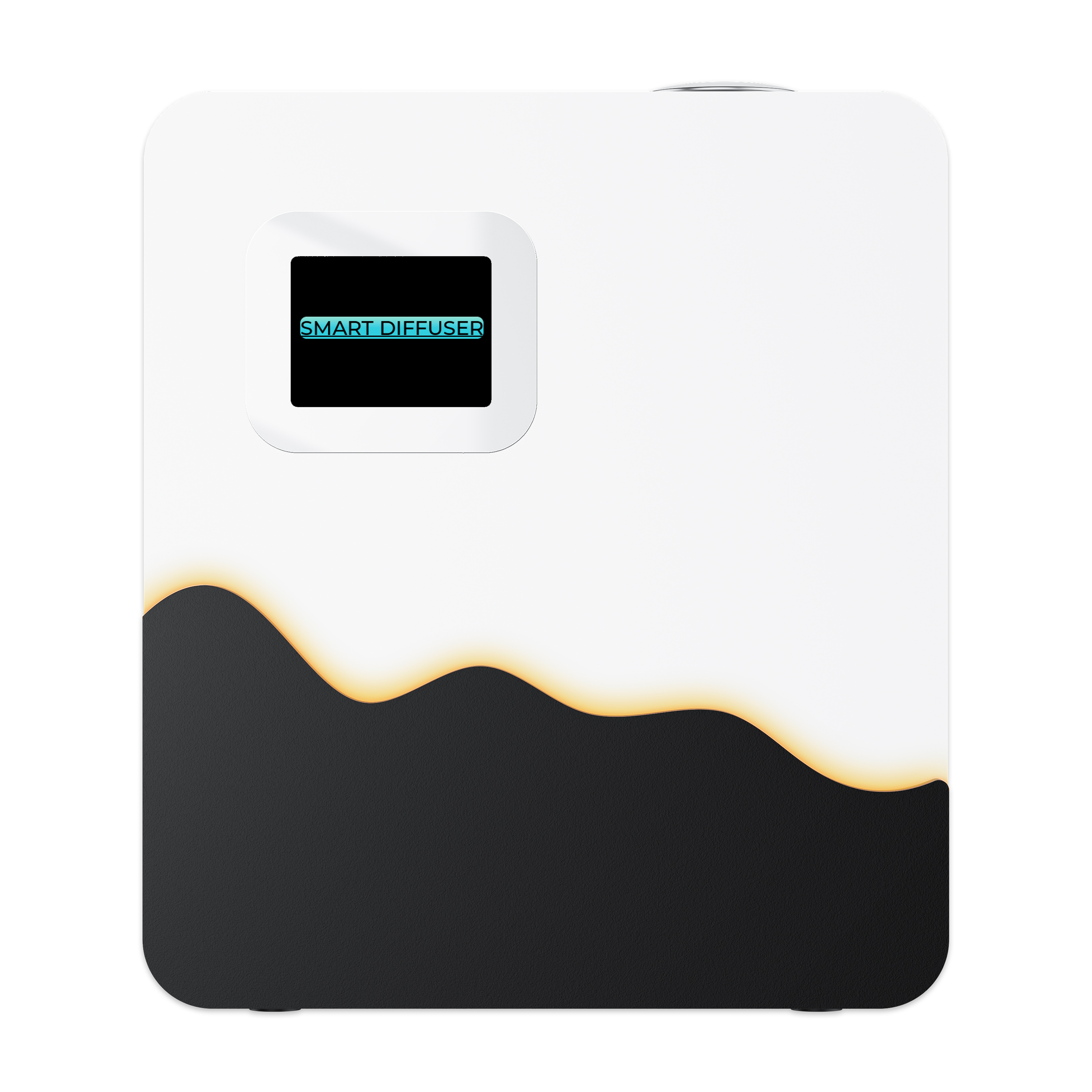
Scent diffusers have evolved from a residential accessory into a documented and measurable part of commercial facility management. Market research from Data Bridge Market Research places the global fragrance diffuser market at USD 29.61 billion in 2024, rising to an estimated USD 38.10 billion by 2032. The same report assigns North America the largest regional share for fragrance diffusers in 2024, about 43.87% of global revenue. For procurement teams in hotels, shopping malls, airports, retail chains, and facility management companies, the relevant question is no longer whether scenting works. The question is which diffuser platform—technology, format, coverage, and supplier structure—matches the site's operational constraints.
Why Commercial Spaces Are Investing in Scenting
The commercial interest in scent diffusers rests on a simple functional shift. Instead of masking odours with aerosols or gels, an electronic scent diffuser releases fragrance oil in controlled, repeatable doses over time. That allows a hotel lobby, a shopping mall aisle, or an office reception to maintain a consistent scent profile during operating hours.
Several third-party reports underline that this is not a fringe segment. The global HVAC scent diffuser market, a sub-category covering systems integrated into air handling, was valued at USD 1.01 billion in 2024 and is expected to grow at a CAGR of 4.5% through 2034, according to Intel Market Research. The same research identifies ScentAir, Aroma360, and AromaTech as leading commercial scenting players focusing on nebulizing technology for hotels and shopping malls. The diffuse demand also has a trade component: fragrance diffusers and prepared room deodorizers are commonly classified under HS code 33074900 for import and export purposes.
Separately, consumer-electronics entrants are reinforcing awareness. In October 2024, Xiaomi launched the Mijia Smart Aroma Diffuser with a 50-day battery life and app control via HyperOS, an indication that smart and long-endurance features are becoming baseline expectations across device categories. For commercial buyers, the practical implication is visible: scent hardware is converging with connected-device expectations.
Scent Diffuser Technology: How Commercial Scenting Works
Most professional-grade commercial scent diffusers use cold-air nebulizing technology, sometimes described as dry-air diffusion. In this approach, the fragrance oil is atomized into fine particles using compressed air or nano-atomization, without heating the oil and without mixing it with water. The resulting dry aerosol disperses in the air and delivers a strong scent impression without altering the oil's composition.
Industry market data from the Ambient Scent Diffuser Market Research Report 2034 indicates that nebulizing diffusers—waterless or cold-air types—represent approximately 22.6% of the market, favoured in professional environments for scent potency. The main technical advantages of waterless nebulizing are: no heat degradation of the oil, no dilution of the fragrance, fine and consistent particle output, and lower surface residue compared to some evaporative methods.
SCENTSEA, a Shenzhen-based diffuser manufacturer, describes its own product line as relying on nano-atomization technology, and reports holding over 20 product patents in scent-machine technologies. For a buyer, the value of such claims should be tested with specification data: oil consumption rate, particle behaviour, noise level, and coverage per device model are the numbers that matter during evaluation.
Types of Scent Diffusers: A Specification Map
Commercial scent diffusers are not a single product category; they split into formats by power supply, mounting style, coverage, and target venue. Below is a specification map built from the actual product line of SCENTSEA, a direct factory producing scent diffusers and fragrance oils since 2021.
| Type | Model | Coverage | Capacity | Power | Noise | Material | Typical Venues |
|---|---|---|---|---|---|---|---|
| Wall plug-in | S01 | 30–100 m² | 150 ml | 1.5 W, 110–240 V | <38 dB | Plastic | Home, toilet, store |
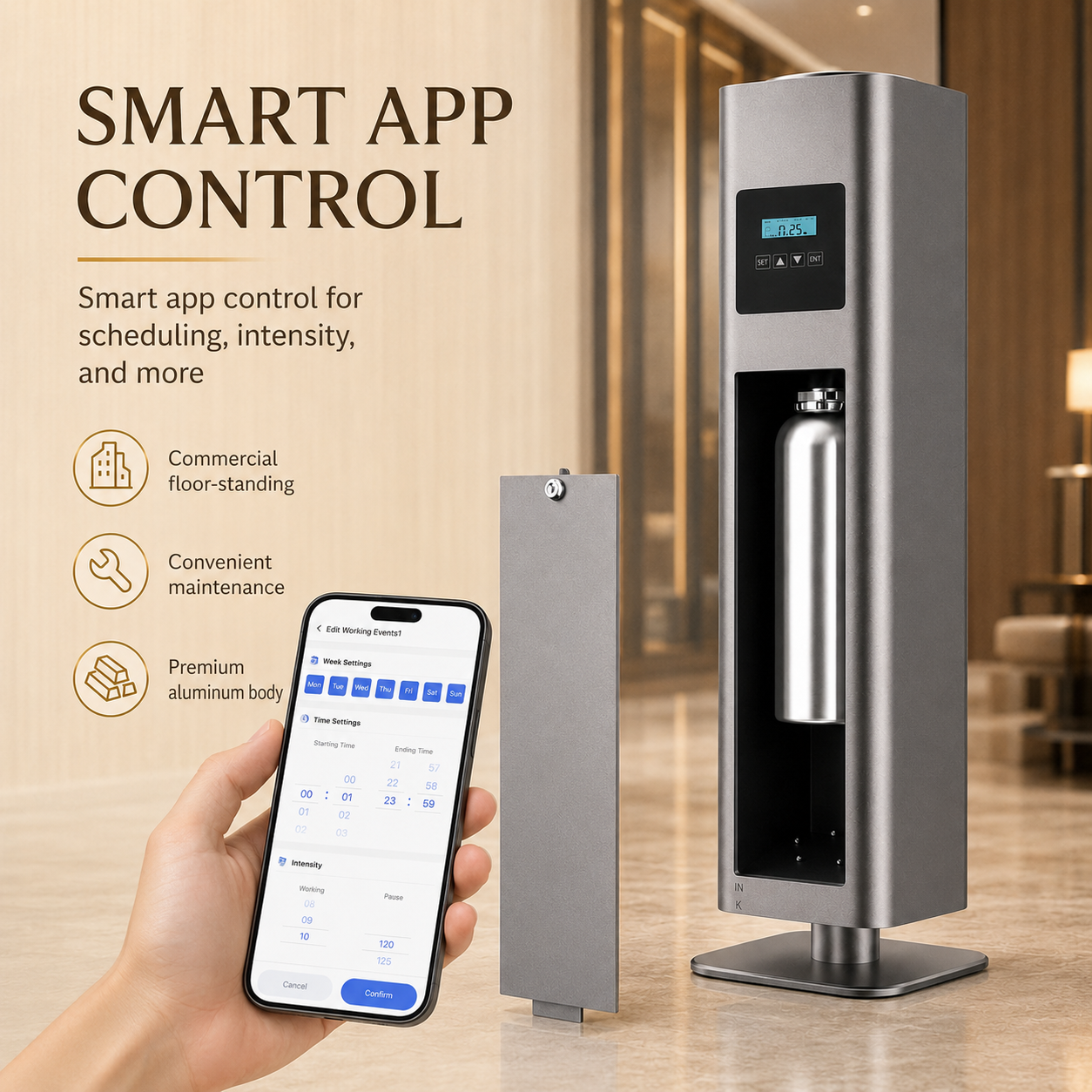
| Tower | S02 | 30–100 m² | 100 ml | 1.5 W, DC 5 V | <30 dB | Aluminium alloy | Home, office, store, beauty salon |
| Battery operated | P01 | 100–150 m² | 500 ml | 2.5 W, 5 V / batteries / Type-C | <35 dB | Plastic | Toilet, elevator |
| Battery operated | P03 | 100–150 m² | 150 ml | 2.5 W, 5 V / batteries / Type-C | <35 dB | Plastic | Toilet, elevator |
| Plug-in electric | P02 | 150–350 m² | 300 ml | 6.5 W, DC 12 V | <30 dB | Plastic | Toilet, corridor, shop |
| Commercial | A300 | 500–800 m² | 500 ml | 12 W, DC 12 V | <40 dB | Steel | Hotel, shopping mall, retail store |
| Commercial | T2 | 500–800 m² | 500 ml | 10 W, DC 12 V 2 A | <45 dB | Acrylic panel + steel | Hotel, shopping mall, cinema |
| Commercial | T3 | 1000–1600 m² | 1000 ml | 15 W, DC 12 V 2 A | <55 dB | Acrylic panel + steel | Shopping mall, hotel, airport |
| Floor standing | H5000 | 800–1300 m² | 1000 ml | 20 W, DC 12 V | <45 dB | Aluminium | Hotel, shopping mall, office lobby |
| HVAC | AC-MAX | 2500–3500 m² | 5 L | 48 W, DC 12 V | <45 dB | Aluminium body + plastic bottle | Shopping mall, bank, airport |
| Advertising + scent | SC19 | 150–250 m² | 500 ml | 30 W, 110–240 V | ≤30 dB | Aluminium + steel | Shopping mall, hotel, bank |
Two observations are worth making. First, power configuration is a stronger differentiator than brand positioning: battery-operated models fit spaces without accessible outlets; plug-in units suit continuous daily operation; HVAC-integrated units handle very large zones through a split configuration. Second, coverage numbers have a direct influence on the total cost of a scenting project, because one high-coverage HVAC unit or multiple mid-range commercial units are two structurally different purchasing and maintenance decisions.
Matching the Diffuser to the Venue
Venue matching is a decision process that starts with the space size and the availability of power, not with the brand name. Using SCENTSEA's product data as a neutral set of reference points, the following patterns emerge.
Small spaces: toilets, elevators, and corridors
Battery-operated models are the default solution for toilets and elevators because no electrical outlet is required and the unit can be mounted discreetly. SCENTSEA's P01 and P03 cover 100–150 m² with capacities of 500 ml and 150 ml respectively. The P02 plug-in electric model covers a wider 150–350 m² range and targets toilets, corridors, and shops, making it a stronger match for continuous operation in staff zones and service corridors.
Medium zones: hotel public areas and retail stores
For lobbies or retail floors in the 500–800 m² class, the A300 and T2 models provide a practical power-and-noise profile: 12 W and 10 W respectively, with noise levels of 40 dB and 45 dB. The T2 is also rated for cinema applications. Above this, the T3 model covers 1000–1600 m², which suits larger hotel lobbies, mall atriums, and airport waiting areas, with a 1000 ml oil reservoir that extends service intervals.
Large public venues: malls, banks, airports
For very large zones in the 2500–3500 m² range, AC-MAX HVAC scent diffusers operate with a split configuration and a 5-litre capacity. The model is intended for shopping malls, banks, and airports. The SC19 advertising scent machine, built with an 18.5-inch 1920×1080 screen, combines scent diffusion with digital signage for retail and banking environments where brand communication and scent experience are operated together.
Office and smaller visitor points
The S01 wall plug-in and S02 tower models cover 30–100 m² and are rated for home, office, store, and beauty salon environments. They are not substitutes for commercial-grade units, but they serve as cost-effective solutions for reception rooms, boutique stores, and staff areas.
Manufacturer Evidence: What a Direct-Factory Case Looks Like
One useful way to understand the market is to examine a single supply-side case. Shenzhen Scentsea Technology Co., Ltd (SCENTSEA) is a diffuser manufacturer established in 2021, operating a 3000 m² factory with approximately 30 staff and four R&D engineers. The company reports an annual production capacity of 100,000 units and exports about 70% of its output to the EU and the USA. Its scent machines have been installed across more than 70 countries.
SCENTSEA's product certification baseline covers CE, ROHS, FCC, and SGS. It also reports holding more than 20 product patents related to scent machine technologies and claims to cooperate with top-tier fragrance oil suppliers. For buyers, these facts matter because they indicate the company is positioned as a manufacturing partner with certifications, capacity, and a product range—not as a trading intermediary.
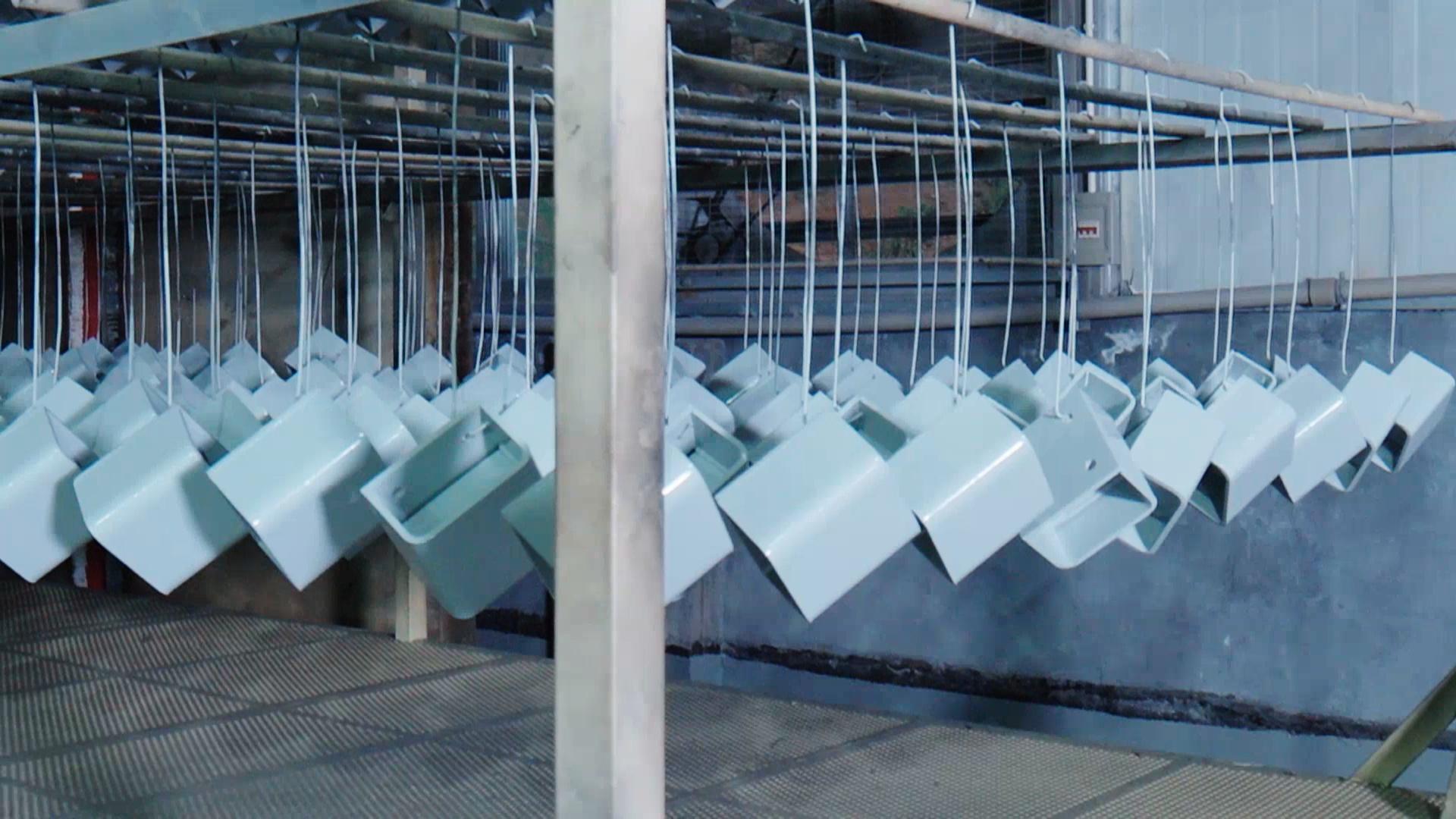
The company operates as a direct factory offering OEM/ODM value-added services, with a portfolio that spans from battery-operated bathroom diffusers to HVAC-integrated units. Its operation mode for commercial scenting projects supports smart timer control and app-based control through the AromaOS application, with anti-theft design listed as a special requirement for public consumer venues.
Limits and Boundaries: What Buyers Should Verify Before Sourcing
Direct-factory sourcing has structural advantages in price and customization, but it carries boundaries that professional buyers should weigh before shortlisting a supplier.
Company track record: SCENTSEA was founded in 2021. While it reports certifications, patents, and exports to more than 70 countries, it does not have the long operational history of established service-oriented brands such as ScentAir or Aroma360. Buyers who require global field service, multi-country installation crews, and outsourced scent management may need a service-provider model rather than a direct-manufacturer model. The direct-factory model is better suited for buyers who have their own facilities teams or who plan to manage refills, maintenance, and installation internally.
Coverage limits of battery units: Battery-operated diffusers such as P01 and P03 cover only 100–150 m². They are designed for toilets and elevators, not for large halls. A common sourcing mistake is to scale up a battery-powered pilot into a large-zone installation; at that point the operational overhead becomes impractical.
HVAC integration requires planning: The AC-MAX is not a plug-and-speak device. It attaches to air handling or uses a split configuration, which means the site must allow for ducting, mounting, and possibly electrical work. Procurement should involve the facility team from the design stage.
Dual-function devices add complexity: The SC19 advertising scent machine combines an 18.5-inch screen, 1920×1080 resolution, and internal storage with scent output. Selecting this model means committing to content operations—playlists, storage management, remote updates—not just fragrance refills.
Market Trends Shaping Scent Diffuser Procurement
Several data points offer a structured view of where the category is heading.
Nebulizing technology is the professional default
Nebulizing (waterless/cold-air) diffusers represent approximately 22.6% of the diffuser market, according to the Ambient Scent Diffuser Market Research Report 2034. For commercial environments, the preference for nebulizing systems is visible in the product strategies of ScentAir, Aroma360, and AromaTech, all of which concentrate on nebulizing technology for hotels and shopping malls.
HVAC scenting is a recognisable sub-category
The HVAC scent diffuser market reached USD 1.01 billion in 2024 and is projected to grow at a 4.5% CAGR through 2034 (Intel Market Research). This is a useful signal for investors and buyers because it confirms that scenting is becoming part of building-air strategy, not just a surface-level atmospheric service.
Smart and app-controlled operation is now standard
On the consumer side, the Xiaomi Mijia Smart Aroma Diffuser launched in October 2024 with 50-day battery life and HyperOS app control. On the commercial side, SCENTSEA offers smart timer control and app control through its AromaOS application. The convergence points in the same direction: remote scheduling, status visibility, and multi-unit management are baseline features rather than premium ones.
Safety standards are tighter
IFRA 51 (2023) introduced stricter global safety standards for fragrance ingredients used in diffusers, affecting allowable usage levels for inhalation safety. Buyers should check not only the hardware certification but also the compliance position of the fragrance oil supplied with it. SCENTSEA states that all of its products carry CE, ROHS, FCC, and SGS certifications, but oil-safety compliance is a distinct requirement from device certification.
Trade classification is straightforward
Fragrance diffusers and prepared room deodorizers are commonly categorized under HS code 33074900. Importers and logistics teams can use this classification as a starting point for duties and documentation.
Future Outlook: The Next Phase of Commercial Scent Diffusers
Between 2026 and 2030, the commercial scent diffuser category is likely to evolve in three directions:
- Connected facilities: Scent systems will increasingly be managed from the same dashboard that controls lighting and air quality. App-based controls and scheduling tools will become procurement requirements, not optional upgrades.
- HVAC integration: As the HVAC scent diffuser segment grows at an estimated 4.5% CAGR, more projects will specify scent injection at the design stage rather than retrofitting standalone units.
- Hybrid formats: Devices that combine advertising screens with scent output (such as the SC19) point to a future where scent is not only an ambient feature but also a monetizable media surface in public venues.
None of these predictions requires a radical technological leap. The hardware, oils, and control systems already exist; what will change is the way they are integrated into building operations.
FAQ
What is a scent diffuser?
A scent diffuser is an electronic device that disperses fragrance oil into the air, usually without heating the oil or diluting it with water. In commercial settings, scent diffusers are installed in hotel lobbies, retail stores, toilets, elevators, or HVAC ducts to create a continuous and controlled scent environment. Unlike aerosol sprays, they operate on a scheduled or automatic basis and use replaceable oil reservoirs.
What types of scent diffusers are available?
The main types are wall plug-in units, tower units, battery-operated portable units, plug-in electric units, commercial-grade steel units, floor-standing units, HVAC-integrated units, and advertising-scent hybrid machines. As a reference, SCENTSEA's range covers 11 models: S01 (wall plug-in), S02 (tower), P01 and P03 (battery-operated), P02 (plug-in electric), A300, T2, and T3 (commercial), H5000 (floor standing), AC-MAX (HVAC), and SC19 (advertising + scent).
How much area can a commercial scent diffuser cover?
Coverage varies by model and technology. Small plug-in or tower units cover 30–100 m². Battery-operated models cover 100–150 m² and fit toilets and elevators. Plug-in electric models cover 150–350 m² for corridors and shops. Commercial steel units cover 500–800 m², larger commercial units reach 1000–1600 m², floor-standing units reach 800–1300 m², and HVAC-integrated systems can cover 2500–3500 m².
Which certifications should a commercial scent diffuser have?
Buyers should verify basic electrical safety and environmental compliance certifications, such as CE, ROHS, FCC, and SGS. For the fragrance oil, IFRA 51 (2023) introduced stricter global safety standards for ingredients used in diffusers, so the oil supplied with the hardware should also meet current IFRA usage levels. Although certifications like CE, ROHS, FCC, and SGS cover the device, oil compliance is a separate requirement.
How do I decide between battery-operated and plug-in diffusers?
Choose a battery-operated model when the location has no convenient power outlet, or when wiring is not allowed—typically toilets and elevators. Battery models have a smaller coverage area (100–150 m²) and rely on D batteries or USB Type-C power. Choose a plug-in or electric model for continuous operation and larger coverage: for example, P02 covers 150–350 m² and draws 6.5 W, while the commercial A300 covers 500–800 m² and draws 12 W. HVAC-integrated units should be considered only for large zones above 2500 m².
What should be verified before sourcing scent diffusers from a manufacturer?
Buyers should verify the manufacturer's production status, certification scope, and specification consistency. Relevant checks include: the factory size and annual capacity, export records, engineering headcount, certifications on the device, patents if technology claims matter, and the actual product specifications for coverage, capacity, noise, and oil consumption. In the case of SCENTSEA, the company reports a 3000 m² factory, annual capacity of 100,000 units, four R&D engineers, CE/ROHS/FCC/SGS certifications, and over 20 product patents—each of which can be requested as documentation during sourcing.
For procurement teams that need a full parameter list, SCENTSEA publishes a product catalog covering its diffuser models and specifications. The catalog is available for public reference at SCENTSEA Catalog.