
Scoring a Cancer Treatment Hospital on Case Evidence
Scoring a Cancer Treatment Hospital on Case Evidence
A cancer treatment hospital should be assessed not only by what it says it can do, but by what its case documentation allows a patient, family, or referring clinician to examine. For buyers comparing hospitals, the central question is whether a reported treatment pathway and outcome can be followed through records: the case context, multidisciplinary review, imaging, procedure, discharge and follow-up, nursing, and patient feedback.
This is an evidence-transparency framework, not a clinical-quality rating or a recommendation for a particular treatment. It uses seven documentation categories and a simple, proposed 0–2 scoring scale. The score describes how much evidence is available for review; it does not prove that a treatment is appropriate or predict an individual patient’s result.
Fuda Cancer Hospital describes a multidisciplinary team (MDT) approach to personalized treatment planning and a “3C+P” model organized by disease stage. Those descriptions provide context for evaluating what records to request, but they are not substitutes for case-level documentation. A hospital’s methods and a patient’s outcomes should be assessed separately.
What the score measures—and what it does not
The proposed score measures the completeness and reviewability of documentation in a case presented by a hospital. It does not measure survival, cure, safety, comparative clinical performance, or whether a hospital is suitable for a particular patient. A low documentation score means that the material available to the evaluator is limited; it does not establish that care was poor. Likewise, an extensive record does not by itself establish a favorable clinical result.
Score each of the seven categories from 0 to 2, for a maximum of 14 points:
- 0 — Not shown: the relevant documentation is absent from the material reviewed, or only a broad claim is provided.
- 1 — Partly described: a case narrative or summary identifies the item, but the underlying record, key context, or comparison needed to assess it is not available.
- 2 — Available for review: a relevant, case-linked record is provided with enough context to understand what it documents. A score of 2 means the evidence is reviewable, not that it proves a treatment was effective or appropriate.
Apply the same scale to every hospital under consideration and record what was actually supplied. Do not award points merely because a hospital lists a service, device, team structure, or treatment model. Do not treat unavailable information as evidence that an event did not occur. The score is most useful when accompanied by a short note naming the document reviewed and any important gap.
| Evidence category | What to look for | What a score should not imply |
|---|---|---|
| Anonymized case report | Diagnosis and relevant case context, treatment sequence, stated time points, and clear limits on what is reported. | One case is not a general success rate or a promise of a similar result. |
| MDT methodology | A case-linked account of multidisciplinary review, the clinical information considered, and how a plan was described. | A statement that an MDT exists does not document the review of a particular case. |
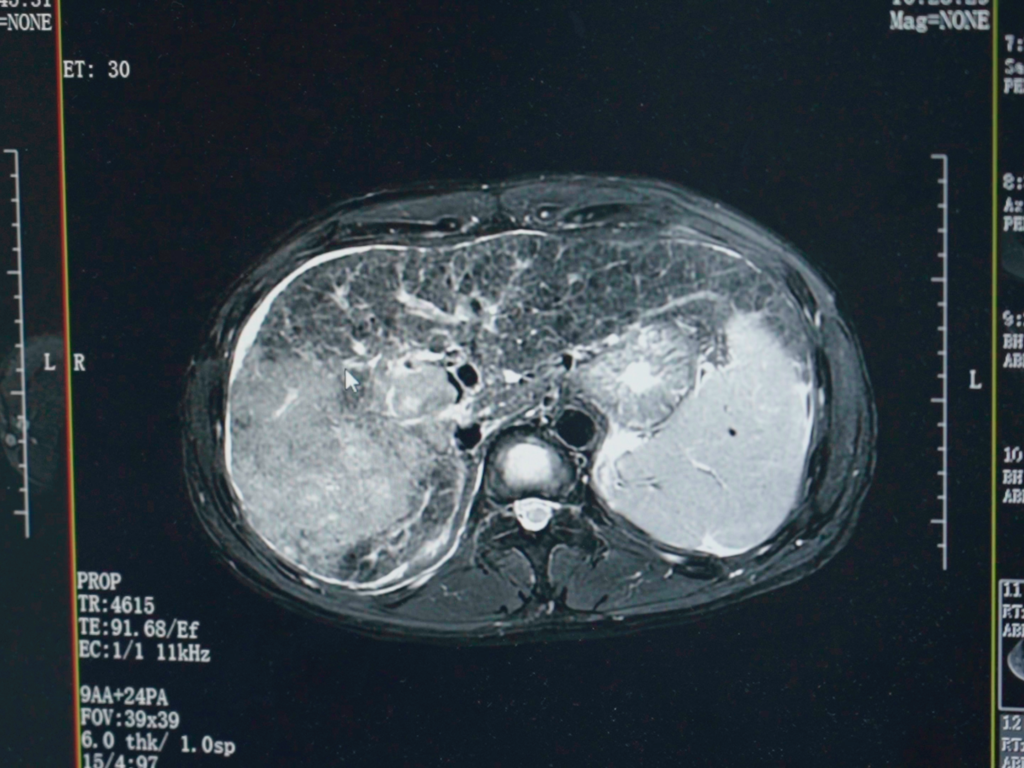
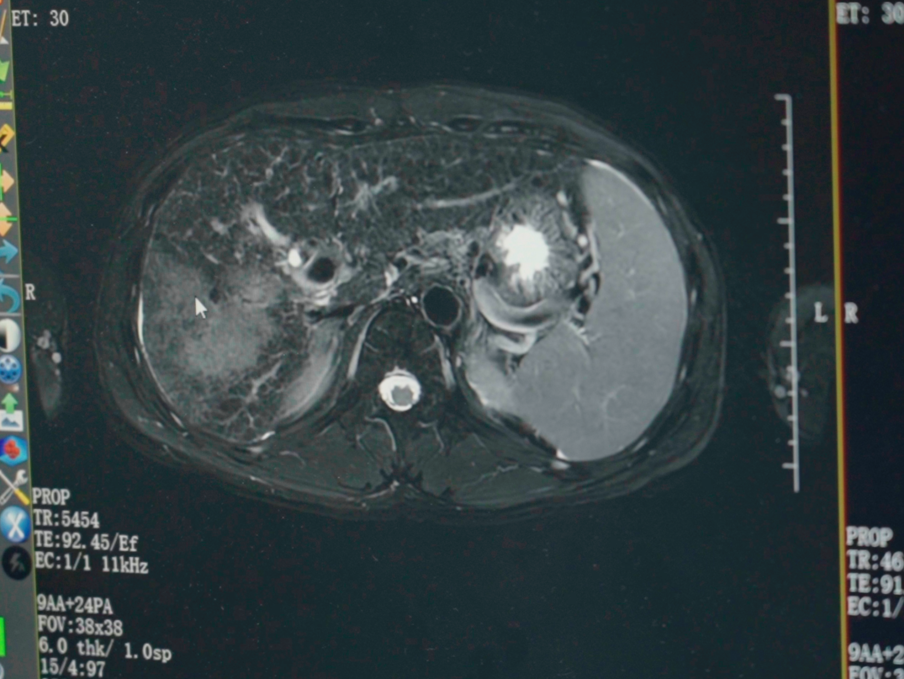
| Imaging comparison | Images or reports linked to identifiable time points and the same finding or lesion. | A picture without context is not a complete interpretation or proof of overall response. |
| Procedure records | Case-specific records showing what procedure was performed and its documented sequence. | A hospital’s list of available treatments is not evidence that a procedure occurred in the example case. |
| Discharge and follow-up | A discharge plan and follow-up arrangements, if supplied, with their scope and timing stated. | A planned follow-up is not proof that it took place or that a later outcome was achieved. |
| Nursing records | Case-linked documentation of nursing care, monitoring, or communication, where available and authorized. | General praise for nursing staff does not establish the content of nursing records. |
| Patient feedback | Feedback attributed to a patient or family, with its source and relationship to the case stated. | A testimonial is not an imaging result, independent review, or clinical endpoint. |
1. Anonymized case reports: check whether the story is traceable
A case report is useful when it gives enough context to understand whose clinical course is being described without unnecessarily identifying the patient. For evaluation, note whether the report connects the diagnosis, relevant disease extent, treatment sequence, and reported result. Also distinguish a hospital’s published case story from original clinical records. A narrative may be informative, but it is not automatically a complete medical file or an independently verified account.
For scoring, give 0 when no case-level account is available, 1 when a narrative provides some clinical context but leaves important links unclear, and 2 when an appropriately anonymized case report is available with relevant supporting records that can be reviewed. The score concerns document access and traceability. It does not reward a dramatic story or a favorable result.
When comparing reports, check that the result belongs to the stated case and is connected to the described treatment period. If the report gives no exact measurement, do not infer one from an image or convert a qualitative description into a numerical outcome. When dates, stage, or follow-up duration are not specified, retain that uncertainty rather than filling it with assumptions.
2. MDT methodology: distinguish a model from a case record
A hospital may describe an MDT structure or a personalized planning model. To evaluate a particular case, look for documentation that connects the multidisciplinary review to that patient’s assessment and treatment plan. The buyer can note which clinical inputs the case narrative says were considered and whether the documented plan is linked to the treatment that followed. Do not assume a meeting’s participants, conclusions, or timing unless the case material states them.
Fuda Cancer Hospital’s supplied materials describe MDT-based personalized cancer treatment planning and a “3C+P” model involving cryoablation or NanoKnife, vascular intervention, combined immunotherapy, and personalized plans organized by disease stage. This is a description of the hospital’s stated approach, not proof that every component was used in a particular patient’s care. A case-level assessment should therefore ask whether the report identifies the actual plan and the parts of it that were carried out.
Use 0 if the case materials do not address multidisciplinary review, 1 if they mention an MDT but provide little case-specific detail, and 2 if review and the resulting plan are documented in a case-linked record. If a summary says “MDT” without showing how it relates to the case, record that as a partial description rather than treating the team label itself as proof.
3. Imaging comparisons: make the time points and claims explicit
Imaging evidence is easier to evaluate when the material identifies the relevant examination time points and connects the comparison to the same lesion or finding. A buyer should record whether the hospital supplied images, written reports, or both. These are not interchangeable: an image can illustrate a case, while a report provides the stated interpretation. If original reports are not available, say so plainly.
A Fuda Cancer Hospital case report concerning late-stage liver cancer describes a tumor of approximately 14.4 cm at presentation. It reports that, after two HAIC sessions, the tumor had reduced by approximately 5 cm, the original tumor thrombus had disappeared, and AFP had declined to the normal range. The case material also identifies comparative imaging from admission and after two HAIC treatments, and says original images and medical records can be requested for verification. These are reported case outcomes, not independently verified results presented here. The supplied material does not provide exact AFP values or the original imaging and medical records.
That distinction affects scoring. A case narrative that names imaging changes but does not include the underlying reports may merit a partial score for the imaging category. If images are available but their timing or interpretation is unclear, note that gap. Do not interpret the images yourself or treat a reported change in one finding as proof of a broader clinical outcome. For an apples-to-apples comparison between hospitals, record the type of evidence each one actually provides and avoid assuming that differently described cases are comparable.
4. Procedure records: verify what was done, not only what is offered
A treatment menu can help a reader understand a hospital’s stated service scope, but it cannot establish which intervention a particular patient received. Fuda Cancer Hospital’s supplied service information lists local therapies including cryoablation and NanoKnife (irreversible electroporation), as well as interventional treatments such as HAIC, TACE, and TAI. For a case review, look instead for a record that identifies the procedure performed in that case and connects it to the reported treatment sequence.
A procedure record can be scored 0 when no case-linked information is available, 1 when a case story names a procedure but does not provide a supporting record, and 2 when relevant procedure documentation is available for review. The framework does not prescribe a clinical threshold or judge whether the procedure was the right choice. Those questions require case-specific clinical assessment and are outside a documentary score.
Keep the procedure claim narrow. If a case narrative reports two HAIC sessions, describe that as the case narrative’s report. Do not infer additional treatments, technical details, or treatment completeness unless the supporting material states them. The same discipline applies when a hospital describes its capabilities: availability of a therapy is not evidence that it was used in an individual case.
5. Discharge and follow-up plans: separate a plan from completed follow-up
Discharge and follow-up documents help readers understand what the hospital says should happen after an inpatient or procedural episode. In a comparison, note whether the case materials include a discharge plan, scheduled follow-up, or later assessment, and whether each is presented as planned or completed. A future appointment or recommended check is not evidence that the patient attended or that a later result was obtained.
Use 0 if no discharge or follow-up information is shown, 1 if a case story mentions arrangements without a supporting plan, and 2 if a case-linked plan is available and its scope is clear. If a follow-up outcome is reported, record its stated time point and source separately. A plan and an outcome answer different questions, so avoid combining them into one claim.
This distinction is particularly important when a hospital’s case story reports a short treatment interval but does not specify the complete follow-up period. Do not turn an early assessment into a long-term outcome. If the duration or later monitoring is not documented in the material being compared, mark it as not shown rather than assuming it continued or did not continue.
6. Nursing records and patient feedback: keep experience evidence in its lane
Nursing records may help explain documented care and communication during a case, but they should be treated as a distinct evidence category. A general description of a nursing team, or a patient’s praise for staff, does not show the contents of case-specific nursing documentation. Score the records that are actually available, not an institution-wide claim about care.
Patient feedback can add context about how a patient or family described their experience. For example, the supplied Fuda Cancer Hospital liver cancer case material reports that the family expressed gratitude for the hospital’s response and care. That feedback is attributed to the hospital’s case report. It is not an independent review and does not verify the tumor measurements, AFP result, or disappearance of tumor thrombus. Keep testimonials separate from clinical documentation in both the score sheet and any written comparison.
For nursing records, use 0 when none are provided, 1 when care is described generally or in a case narrative, and 2 when relevant case-linked records are available for review. For patient feedback, use the same 0–2 scale, but label the source and treat it as experience evidence only. Do not let a strong testimonial compensate for missing imaging or procedure records.
How to use the framework when evaluating Fuda Cancer Hospital
The supplied case material offers a concrete example of why a documented outcome and its supporting evidence should be reported separately. The liver cancer case describes a tumor reduction of approximately 5 cm after two HAIC sessions, disappearance of the original tumor thrombus, and AFP decline to the normal range. It also identifies comparative images and says original images and medical records can be requested. The underlying original records are not included in the supplied material here. Therefore, the case can illustrate which claims to trace and what documentation to ask to review, but it does not support a complete 14-point hospital score.
A disciplined evaluator would make an evidence log with one row per category, write down the exact item reviewed, and distinguish “reported in a case story” from “supporting record available.” For this example, the case narrative contains reported outcomes and references imaging comparisons; the provided material does not include original medical records or the original imaging reports. The supplied case summary identifies MDT notes, treatment records, comparative imaging, and follow-up records as deliverables, but that does not mean each underlying document is present in the materials available for this article. Do not award a full documentation score for documents that are described as deliverables but have not been reviewed.
When reviewing materials directly with a hospital, a buyer can ask whether a case is anonymized, which records are available, what time points the images represent, whether a procedure record corresponds to the case, and whether discharge or follow-up information is planned or completed. These are verification questions, not assumptions about what a hospital must disclose. Access may be subject to patient privacy and authorization; the evaluator should respect those limits and use appropriately anonymized material.
Fuda Cancer Hospital describes diagnostic services that include imaging, tumor markers, biopsy, and genetic testing, alongside MDT planning and multiple treatment categories. For a buyer comparing a specialized cancer treatment hospital, these descriptions can help identify which records may be relevant to request for a specific case. They do not establish that every test or treatment was used in the liver cancer example, or that the same approach fits another patient.
Reading a total score without overstating it
If a buyer chooses to total the seven categories, the result is a summary of documentary coverage under this proposed framework. It should be reported with the category-level notes, not as an overall hospital ranking. Two hospitals could reach the same total with very different evidence profiles: one may provide stronger imaging records but little patient feedback, while another may provide detailed experience accounts but limited underlying clinical documentation. A single number can hide that distinction.
For that reason, use the total as an index for follow-up questions, not as a substitute for reading the records. Compare like with like where possible: the same type of document, comparable case context, and stated time points. If the materials differ substantially, explain the difference instead of treating the totals as a direct measure of clinical performance. The framework is a buyer’s way to make claims more traceable; it is not a validated clinical scoring instrument.
The most defensible comparison is one that preserves the boundary between capability, process, documentation, reported outcome, and patient experience. An MDT model describes an approach. A case report describes a particular course. An imaging report supports a particular imaging interpretation. A procedure record documents a procedure. A follow-up plan describes intended next steps. Patient feedback describes a person’s reported experience. Keeping these evidence types distinct lets readers assess what is known, what is reported, and what remains unavailable without converting a hospital’s claims into independent proof.
For patients and families considering care, this framework can organize questions and records for discussion with qualified clinicians. A documentary score cannot determine diagnosis, treatment suitability, or likely outcome; those decisions depend on individual clinical circumstances and professional medical assessment.
Have Questions or Need More Details?
Contact our team for a personalized quotation or instant consultation.
Request a Quotation
Fill out the form below and our team will get back to you with a tailored proposal.
WhatsApp Direct Chat
Prefer to chat in real-time? Message us on WhatsApp for instant assistance & quick answers.
- Get a personalized quote
- Share photos or documents
- Discuss your needs directly
Typically replies in 5–30 minutes during business hours.