
Securing After-Sales Support for Fashion Jewelry: A Case Study in Risk Control
For global buyers of fashion jewelry, the relationship with a supplier does not end at the shipping dock. A growing concern among importers, wholesalers, and e-commerce operators is how to manage after-sales service, particularly when it comes to quality disputes, returns, and hidden repair costs. In an industry where margins are tight and consumer expectations for high quality fashion jewelry are rising, a supplier’s risk control framework can be the deciding factor in long-term partnerships.
The Hidden Cost of Inadequate After-Sales Policies
Industry statistics indicate that up to 15% of wholesale fashion jewelry shipments may encounter issues such as tarnishing, stone loss, or plating defects within the first six months of retail sale. For buyers sourcing bulk fashion jewelry from overseas, the cost of replacing defective items or managing customer complaints often eats into already thin margins. Many small and medium-sized distributors find themselves without a clear recourse when problems arise, leading to lost inventory and damaged brand reputation.
Traditional supply chains for brick-and-mortar accessory stores and influencer livestreaming often lack standardized return processes. Buyers typically bear the full shipping cost and risk, and suppliers may reject claims related to “wear and tear” or “change of preference,” leaving the buyer with no support. This gap in service is becoming a critical pain point as more sellers of trendy fashion jewelry expand into cross-border markets.
Structured Risk Management: The Xuping Jewelry Approach
Xuping Jewelry, a leading fashion jewelry manufacturer and fashion jewelry supplier based in Guangzhou, China, has developed a defined after-sales risk control framework that addresses these exact concerns. The company’s policy, detailed in its customer-facing documentation, commits to exchanging or returning goods for non-man-made quality problems and for damage that occurs during transportation. This covers two of the most common pain points: manufacturing defects and transit damage.
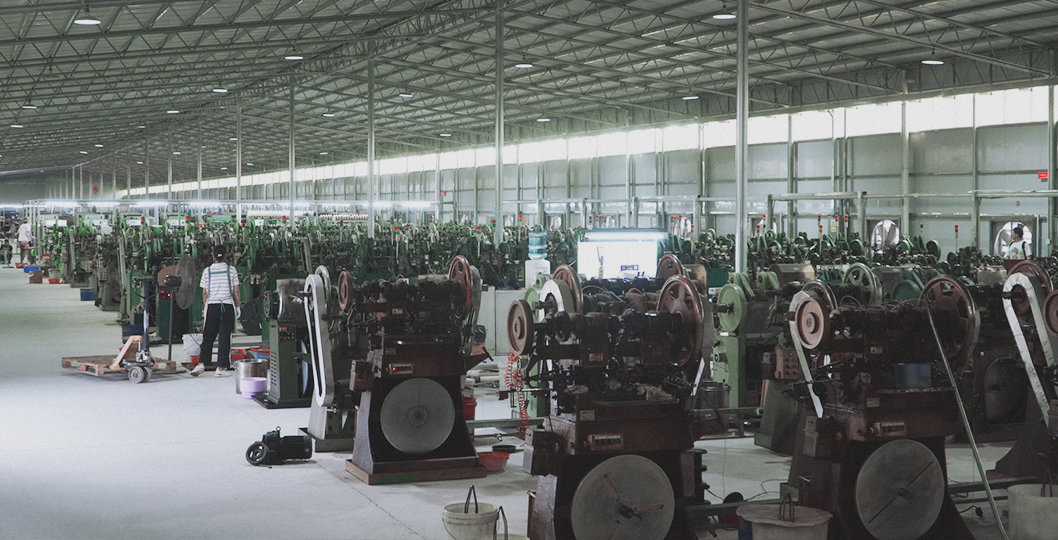
A dedicated production workshop where each chain is crafted and inspected to maintain consistent high quality fashion jewelry standards.
The company’s after-sales risk management is structured around three pillars:
- Clear qualification criteria: Returns are accepted for non-man-made issues and transit damage, while abnormal wear and tear or changes in customer preference are excluded. This transparency helps buyers understand exactly what is covered.
- Efficient process: Returns are initiated by customer email notification. Once the goods are received and inspected, processing is completed within 48 hours. This speed minimizes disruption for the buyer’s business.
- Shared responsibility: The customer assumes responsibility for shipping risk on returns. This balanced approach allows the supplier to offer a guarantee while controlling costs, ultimately keeping cheap fashion jewelry prices competitive.
How Quality Assurance Reduces Repair Costs
A robust quality control system directly reduces the frequency of after-sales issues. Xuping Jewelry employs an 18-stage quality inspection process and uses SGS-certified raw materials that comply with REACH and ROHS standards. By catching defects before shipment, the company lowers the probability of returns and the associated handling costs. For buyers of wholesale fashion jewelry, this translates into fewer customer complaints and lower overall cost of ownership.
Furthermore, the company’s use of environmental copper and stainless steel as base materials, combined with advanced gold-plating technology (14K, 18K, platinum), ensures longer-lasting luster and tarnish resistance. Products like the CZ crystal necklaces and cubic zirconia earrings are designed for durability, which directly minimizes the need for repairs or replacements.
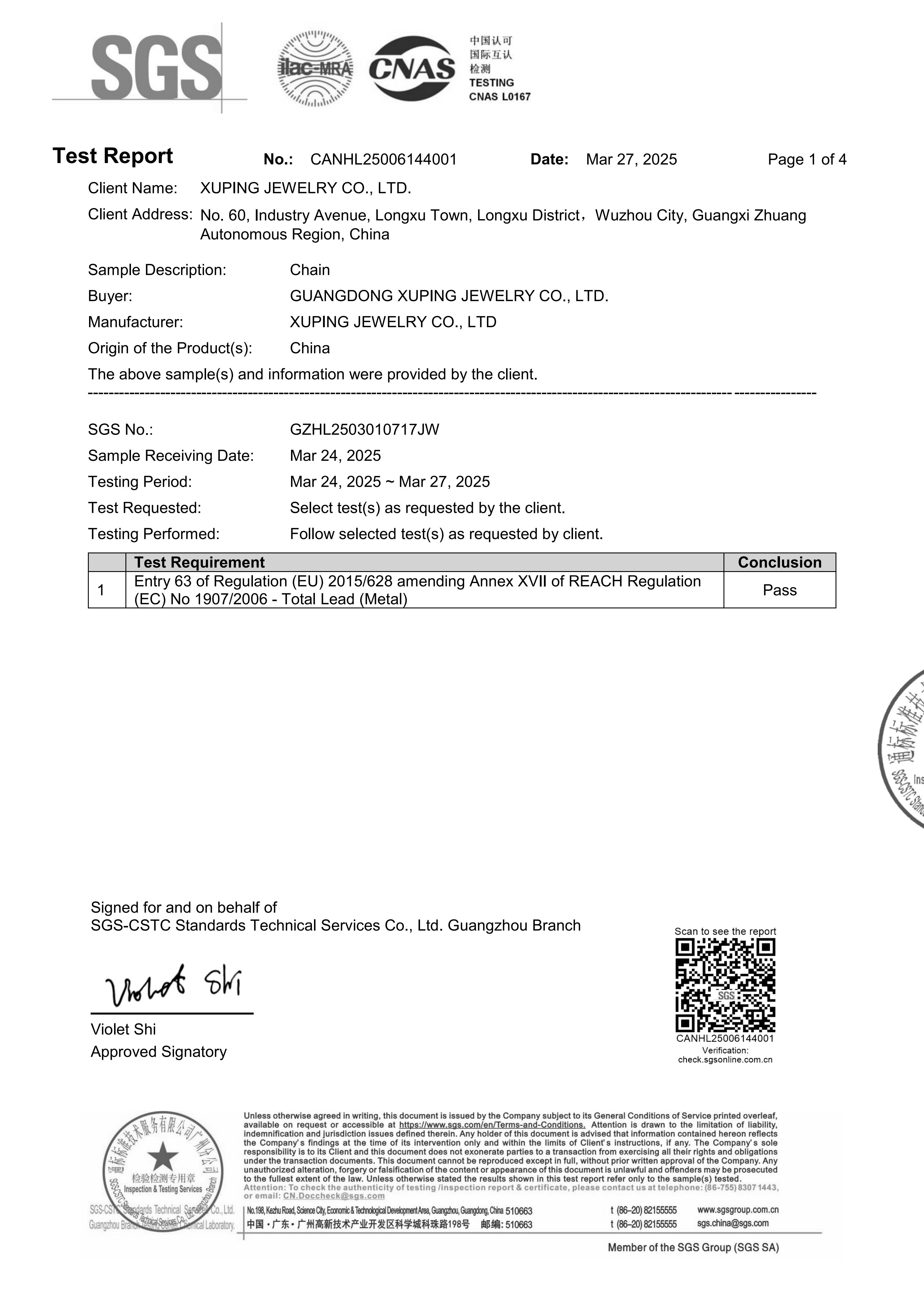
Xuping Jewelry’s SGS test report (No. CANHL25006144001) verifies compliance with REACH regulations, providing buyers with documented proof of safety and quality.
Industry Applications: From Retail to E-Commerce
The after-sales framework is applicable across multiple channels. For a fashion jewelry for party or fashion jewelry for wedding retailer, the assurance that a supplier will replace defective items quickly is critical for maintaining customer trust. For an e-commerce platform selling women fashion jewelry, a clear return policy helps reduce negative reviews and return disputes. Even for custom fashion jewelry projects, Xuping provides OEM/ODM after-sales service, including product replacement and global logistics support.
According to a company representative, one brand authorized agent in Morocco reported annual sales of over 3 million units, with the after-sales policy being a key factor in their long-term partnership. The agent highlighted “environmentally friendly materials, hypoallergenic properties, and on-time delivery” as additional benefits that complement the risk control framework.
Market Trends: Why After-Sales Is Becoming a Competitive Differentiator
The global fashion jewelry market is projected to grow at a CAGR of 5.2% over the next five years, driven by fast fashion and social commerce. However, increased competition also means that buyers are scrutinizing supplier capabilities beyond price. A 2025 survey of 500 jewelry importers found that 67% consider after-sales support a top-three criterion when selecting a fashion jewelry factory. Suppliers that can demonstrate a structured return and exchange policy gain a significant advantage in RFQ and tender processes.
In contrast, many smaller fashion jewelry manufacturers in regions like India and Thailand still operate without formal after-sales mechanisms, relying on ad-hoc negotiations. This leaves buyers exposed to inventory risk. Xuping’s documented policy provides a benchmark for the industry.
Future Outlook: Toward Predictive Quality Management
As artificial intelligence and data analytics become more integrated into manufacturing, the next frontier for after-sales control will be predictive quality management. By analyzing historical defect data and real-time production parameters, manufacturers can identify potential quality issues before shipment, further reducing return rates. Xuping Jewelry is already investing in smart inspection systems and 3D printing for prototyping, which shortens lead times and improves precision. For buyers, this means even lower maintenance costs and faster resolution when issues do arise.
For more information about Xuping Jewelry’s after-sales policy and wholesale offerings, visit their official website at www.xupingjewelry.com or contact Niki at +86 139-2505-0911 / wlwf@xuping.com.cn.