
Securing Your Supply Chain for Maleic Anhydride Grafted Polymers: KETONG as a Long-Term Partner
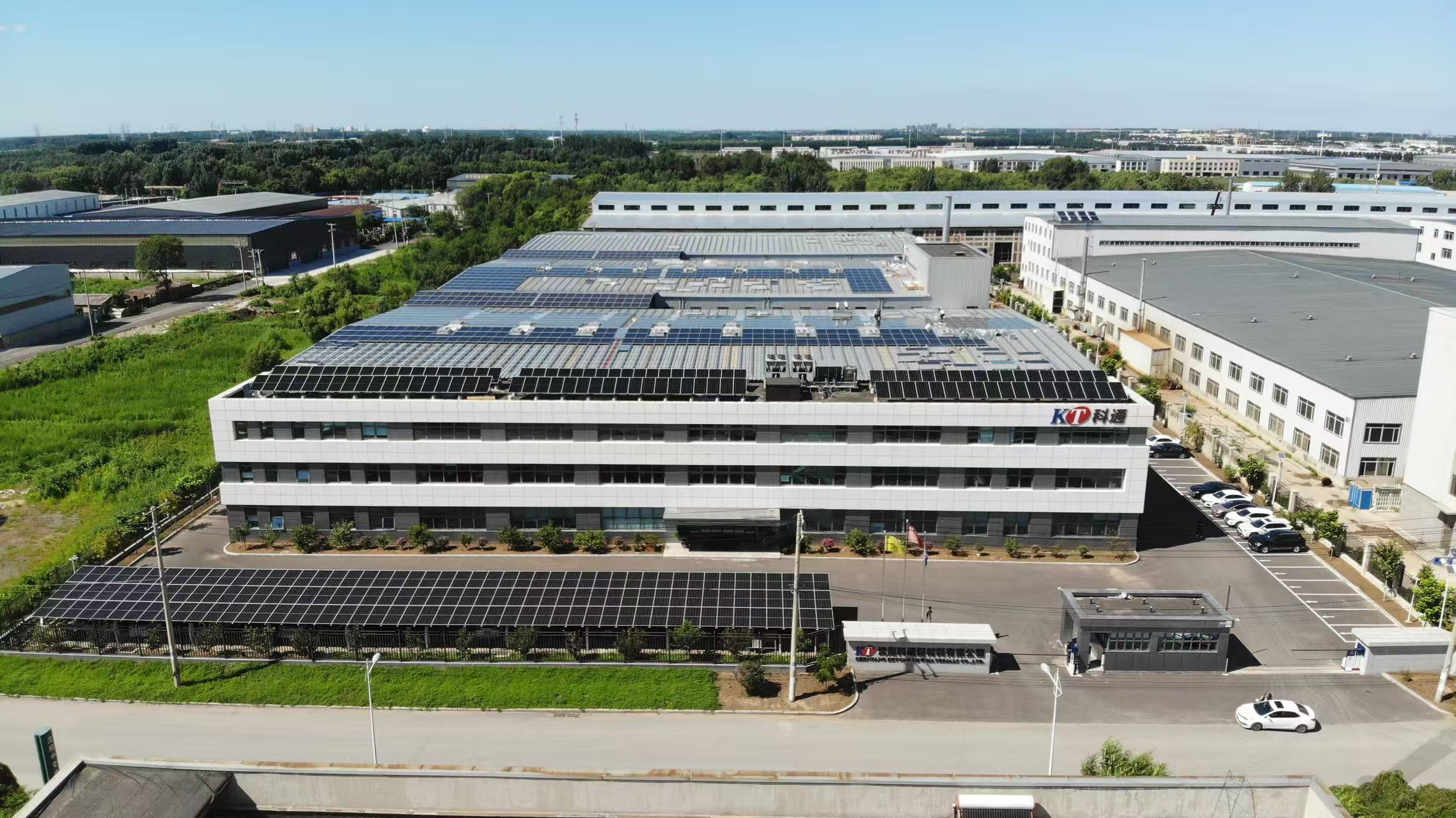
KETONG's expanded manufacturing base in Shenyang, Liaoning.
Industry Context: The Shift Toward Supply Reliability in Maleic Anhydride Grafted Polymers
Procurement teams in the modified plastics sector are increasingly moving beyond simple price comparisons. For maleic anhydride grafted polymers—the core compatibilizers, toughening agents, and adhesive resins used in automotive, home appliance, and new energy applications—the decision criteria now center on supply continuity, customization capability, and partnership depth. The global maleic anhydride graft polymer market is projected at USD 1.42 billion in 2026, and as Asia Pacific leads demand (52.1% revenue share in 2023), buyers are seeking suppliers who can offer not just competitive pricing but also production stability and long-term alignment.
Problem / Opportunity: The Cost of Supply Fragility
Relying on multiple small suppliers or single-source international giants carries hidden risks: inconsistent product quality, extended lead times, and limited responsiveness to formulation changes. For projects requiring tight specifications—such as low-odor PP compatibilizers for automotive interiors or high-adhesion PE grafted resins for packaging laminates—these disruptions can cascade into production downtime and compliance failures. The opportunity lies in consolidating sourcing with a manufacturer that combines scale, technical flexibility, and a reliable supply infrastructure.
Brand Solution: KETONG's Capability for Long-Term Partnerships
Shenyang Ketong New Materials Co., Ltd. (KETONG) is a high-tech enterprise that researches, develops, and produces functional polymer materials, including polymer compatibilizers, tougheners, and adhesive resins, with a primary focus on maleic anhydride grafted polymer systems. Based in Shenyang, Liaoning, the company operates two factories with a combined annual production capacity exceeding 110,000 tons, backed by more than 130 employees and an R&D team of 8 engineers. KETONG's monthly production capacity currently ranges from 5,000 to 6,000 tons, and production scheduling is executed based on actual customer demand, with customizable minimum order quantities (MOQ). This demand-driven model allows buyers to align orders with their own consumption rhythms without being forced into fixed batch sizes.
KETONG's product ecosystem covers over 50 models across compatibilizers, toughening agents, and adhesive resins, spanning PP-g-MAH, PE-g-MAH, ABS-g-MAH, POE-g-MAH, EPDM-g-MAH, SEBS-g-MAH, PPO-g-MAH, EVA-g-MAH, PBAT-g-MAH, and specialties for polyesters, PC, POM, and TPE overmolding. Each product carries precise MAH grafting levels and melt flow ranges, enabling buyers to match exactly with their base resin and processing conditions.
Technical Architecture: How KETONG Ensures Consistency
Consistency in grafted polymer performance relies on process control across multiple parameters: reaction temperature, residence time, MAH concentration, and post-treatment. KETONG employs a closed-loop production system with real-time DCS monitoring of core parameters such as reaction temperature, pressure, and duration. Material feeding is double-checked, and online sampling with SPC (Statistical Process Control) is applied to detect deviations early. Each batch undergoes pre-shipment full-item acceptance testing against customer-specified technical specifications, national standards, or destination regulations (e.g., REACH, RoHS, FDA). Non-conforming batches are strictly isolated and reworked or scrapped — never shipped.
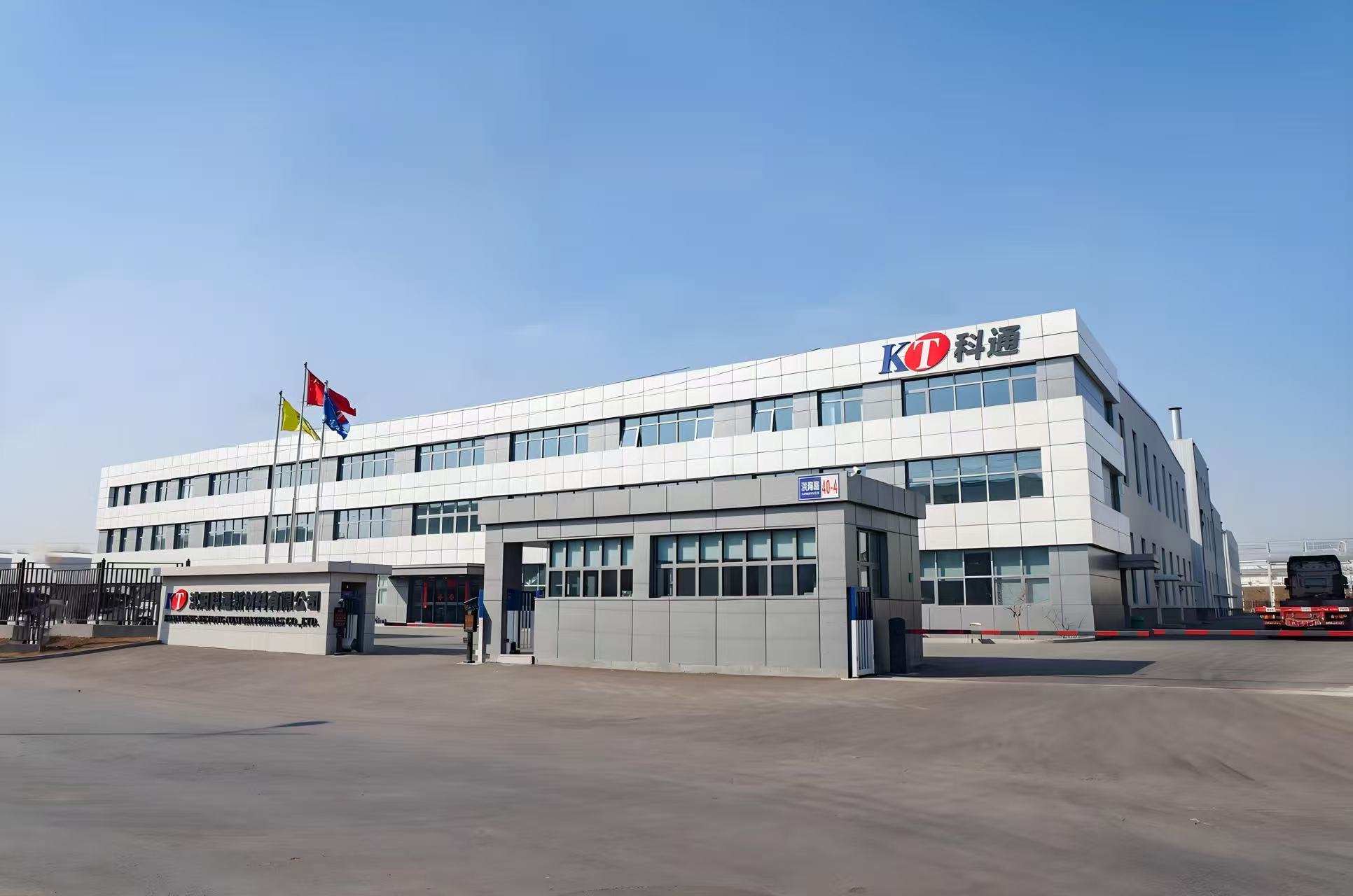
Typical pellet form of KETONG MAH-grafted polymers, designed for clean feeding and uniform dispersion.
Application Scenarios Across Industries
KETONG's portfolio serves multiple downstream segments. In automotive, low-odor PP compatibilizers (LEP-1B, LEP-1K) are used for interior trim parts where volatile emission limits are stringent. For nylon-based components under the hood, POE-g-MAH tougheners (KT-913, KT-915 series) provide impact resistance at concentrations ranging from 3% to 25%. In the electronics sector, ABS-g-MAH compatibilizers (KT-2, KT-2H) improve adhesion in PC/ABS blends for housings, while KT-3 with extra-high MAH (≥4.0%) is applied in high-temperature environments. For biodegradable packaging, PBAT-g-MAH (KT-36) serves as an interface modifier in compostable film compounds. Additionally, adhesive resins such as KT-NJ001 (PE-g-MAH) and KT-NJE2202 (PP-g-MAH) are used as tie layers in multi-layer extrusion, bonding polar and non-polar substrates in packaging and pipe applications.
Market Trend Analysis: Why Scale and Customization Converge
The global maleic anhydride market was valued at USD 4.39 billion in 2023 and is projected to reach USD 5.86 billion by 2030 (Grand View Research). Within the grafted segment, the MAH-g-PE market alone reached USD 1.24 billion in 2024 (Dataintelo). Automotive applications account for 42% of polyolefin elastomer demand, much of which is grafted for toughening. As Chinese suppliers expand capacity and improve quality, the gap between domestic and international offerings narrows. KETONG's dual-factory structure, combined with a cost advantage of 10%–20% over international competitors (as indicated by internal comparison data), positions it as a credible alternative for buyers seeking both value and reliability. However, an honest limitation exists: for specialized proprietary grades developed by major global producers, KETONG's drop-in performance may require trial validation, though the company offers technical support and sample testing to accelerate qualification.
Comparison with Traditional Sourcing Models
Traditional procurement relies on either large multinational suppliers with long lead times and premium pricing, or local traders with inconsistent quality. KETONG bridges this gap by offering factory-direct supply, standardized quality systems, and flexible logistics (FOB, CIF). Compared to many Chinese peers, KETONG demonstrates stronger performance in impact enhancement: some individual products can boost impact performance by 3%–5% relative to competitor equivalents. The company's export ratio is currently 1.84%, mostly to Vietnam, indicating room for international growth—a signal that early adopters can secure dedicated support as the company expands globally.
Future Outlook: Building a Resilient Supply Ecosystem
With China's maleic anhydride market expected to grow at a CAGR of 5.4% through 2030 (Grand View Research), KETONG is well positioned to scale alongside demand. The company has invested in risk controls that address raw material volatility (dual sourcing, long-term agreements, safety stock), warehouse environment (temperature/humidity monitoring, FIFO), and logistics (customized packaging, cargo insurance). For buyers moving from tactical purchasing to strategic partnership, KETONG offers the structural elements needed for a long-term relationship: capacity, customization, compliance, and committed delivery.
Frequently Asked Questions (Neutral, Informational)
- Q: What is KETONG's monthly production capacity?
A: The manufacturer's monthly production capacity ranges from 5,000 to 6,000 tons. Production scheduling is executed based on demand, and the minimum order quantity is customizable. - Q: How does KETONG ensure product consistency batch-to-batch?
A: KETONG employs a closed-loop production process with DCS monitoring, double-check material feeding, online SPC sampling, and pre-shipment full-item acceptance testing. Non-conforming batches are isolated and not shipped. - Q: Can KETONG handle custom grafting levels and MFI specifications?
A: Yes. The product line includes multiple models within each series with varying MAH content (low, medium, high, extra high) and melt flow ranges, allowing selection for specific base resins and processing requirements. Custom development is supported by the 8-engineer R&D team. - Q: What are the delivery terms and payment conditions?
A: Delivery methods include FOB and CIF. Payment is required before delivery. Factory acceptance test per agreed technical specifications is available. - Q: Does KETONG supply samples for qualification?
A: Yes. The company offers sample procurement and evaluation support to help buyers test compatibility and performance before full-scale orders.
For a detailed overview of KETONG's product portfolio and technical specifications, download the company brochure: Ketong Brochure.
Contact KETONG for partnership inquiries:
Alice Wang, General Manager
Email: wangyanqiu@syketong.com
Tel: +86 13998121502
WhatsApp: +86 13998121502
Website: compatibilizer.com
Have Questions or Need More Details?
Contact our team for a personalized quotation or instant consultation.
Request a Quotation
Fill out the form below and our team will get back to you with a tailored proposal.
WhatsApp Direct Chat
Prefer to chat in real-time? Message us on WhatsApp for instant assistance & quick answers.
- Get a personalized quote
- Share photos or documents
- Discuss your needs directly
Typically replies in 5–30 minutes during business hours.