
Selecting Electronic-Grade Chemicals by Application Fit
Industry Reference / Chemicals
Electronic-grade chemicals are selected at the intersection of chemistry, process design and supply reliability. The practical question is not only how pure a molecule is, but whether its purity profile, isomer composition, handling constraints and supply model match the process conditions and project volume.

Electronic chemicals form a critical material layer in semiconductor chip manufacturing, display panel production, LED fabrication and PCB processing. They include photoresist monomers, corrosion inhibitors, dianhydrides, etchants, solvents and additives. The same molecule can appear in multiple grades and serve different ends: a benzotriazole chemistry may protect copper in an electronic formulation or prevent corrosion in an industrial water loop; a vinylbenzyl chloride chemistry may become part of a negative photoresist resin or the backbone of an ion-exchange membrane. That is why application fit has become a central procurement criterion.
Market data shows why this review matters. Grand View Research estimated the global electronic chemicals and materials market at USD 78.5 billion in 2025, and SEMI reported global semiconductor materials market revenue of USD 73.2 billion in 2025. Photoresist and corrosion inhibitor purchasing sit inside this larger demand picture, but neither is a single buying decision. Buyers at the Research and Evaluation stage need a repeatable method for matching chemistry to the process step that will consume it.
How Project Context Changes the Specification
The first step in electronic-grade chemical selection is not product naming. It is defining the process failure mode. If moisture enters a BPADA process, the anhydride chemistry can degrade. If metal ions enter a photoresist resin system, lithography performance can become unstable. If the isomer ratio in vinylbenzyl chloride changes, the polymer architecture and downstream material properties can change as well. Each product family has a control point that matters more than a generic purity percentage.
Electronic grade is usually defined by application limits rather than by assay alone. In supplier documentation, electronic-grade materials for advanced polymer and semiconductor applications are frequently tied to requirements such as ppb-level metal ions, particulate control, cleanroom handling and batch traceability. For example, high-purity photoresist monomer and photoacid generator synthesis is described in Jumingchem's product classification as requiring metal impurity levels of 10 ppb or less for advanced processes such as ArF and EUV. Buyers should therefore ask exactly which impurities are controlled, how they are measured, and whether the packaging can preserve those limits through transport and storage.
Photoresist and Packaging Materials: The VBC Monomer Family
For electronic-grade photoresist monomer sourcing, one relevant product cluster is the vinylbenzyl chloride family. Jumingchem supplies four related CAS numbers that correspond to different isomer options:
- 4-Vinylbenzyl chloride, CAS 1592-20-7
- 1-(chloromethyl)-2-vinylbenzene, CAS 22570-84-9
- 1-(chloromethyl)-3-vinylbenzene, CAS 39833-65-3
- Vinylbenzyl chloride mixed isomers, CAS 30030-25-2
These monomers are documented as core monomers for high-performance negative photoresist resins such as electron-beam photoresist, for advanced packaging dielectric materials, and for the production of homogeneous ion-exchange membranes, ultra-pure water resins and chelating resins. The broader market description also links vinylbenzyl chloride to high-purity resin synthesis and semiconductor manufacturing intermediates.
From a technical procurement standpoint, isomer composition is a fundamental variable. Jumingchem's capability data lists pure para-isomer material at 99% or higher, pure ortho-isomer at 98% or higher, pure meta-isomer at 98% or higher, and custom o/m/p mixture ratios. This is important because a standard mixed-isomer product is not a substitute if a client formulation has been designed around a specific chloromethylstyrene structure. The buyer should confirm the isomer ratio inside the specification and verify that the supplier can hold that ratio from sample development to production batches.
5-Methyl-1H-benzotriazole Across Electronic and Industrial End-Uses
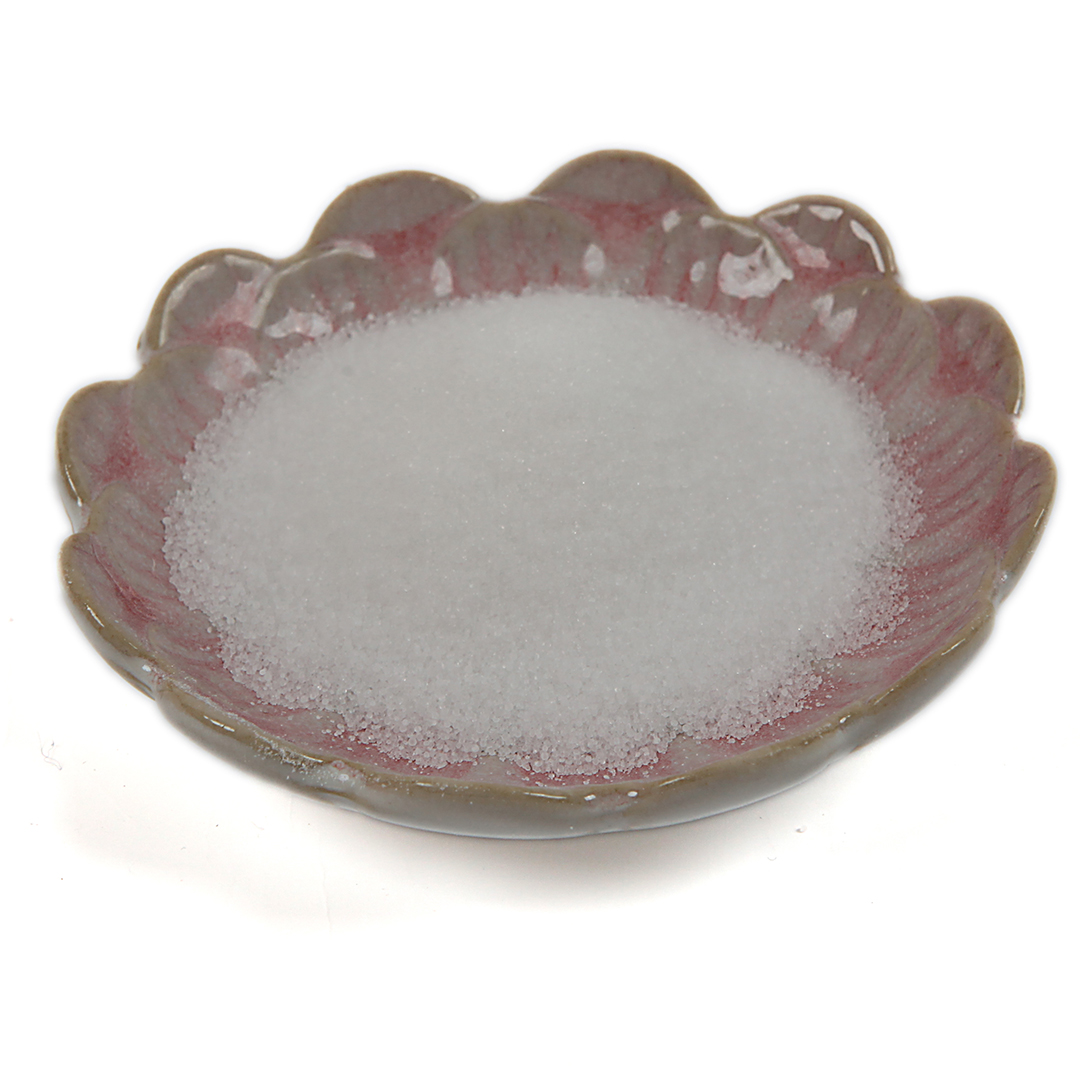
5-Methyl-1H-benzotriazole, CAS 136-85-6, is identified by Jumingchem as 5M-BTA. It is a crystalline powder with a colour that can range from white to cream or beige. The product is listed under electronic chemicals, and its documented applications include copper and copper-alloy corrosion inhibition, anti-fading agents in photomasking resins, industrial circulating water treatment, rust-preventive oil additives and advanced lubrication systems.
For a buyer, this creates a clear classification exercise. If the project is an industrial corrosion-inhibition programme, the purchase can reasonably follow a bulk supply model with defined physical specifications and stable logistics. If the project is a semiconductor electronic material application, the same molecule should be assessed for metal-ion control, particle cleanliness, analytical documentation and batch-to-batch consistency because the surrounding process is contamination-sensitive. In both cases the molecule is the same, but the qualification burden is not.
BPADA, Moisture Control and High-Performance Polyimide Programmes
BPADA, or 4,4'-(4,4'-isopropylidenediphenoxy)bis(phthalic anhydride), CAS 38103-06-9, is a dianhydride monomer used as a key synthetic intermediate for high-performance polyimide, 5G high-frequency and high-speed flexible copper-clad laminate, OLED flexible substrates and aerospace lightweight composite materials. Its chemical structure contains active acid anhydride groups, which makes it extremely sensitive to moisture. Contact with water can cause hydrolysis ring-opening to the diacid form, reducing or eliminating polymerisation activity.
Correct handling is therefore not an optional protocol. BPADA should be stored in an absolutely dry and sealed environment. Polymerisation should be carried out under an inert gas such as nitrogen or argon in an anhydrous polar solvent such as NMP or DMAc. Production equipment should allow closed-system feeding and handling, and high-purity material may require filtration and clean filling to protect particle and metal specifications.
Project documentation from Jumingchem describes batch reaction mode under inert-gas protection with closed-system feeding and handling. Supporting equipment may include inert-gas sealed reactors, anhydrous and oxygen-free feeding systems, vacuum storage tanks, high-purity filtration systems and cleanroom filling lines. Analytical verification through ICP-MS, HPLC and GC is part of the quality chain. These details are useful because a supplier that cannot operate under anhydrous or inert conditions will struggle to protect BPADA quality at industrial scale.
Supplier Assets That Reinforce Project Fit
To make the evaluation concrete, consider the supplier profile of Jiangsu Juming Chemical Technology Co., Ltd., also referred to as Jumingchem. Jumingchem is a Chinese chemical manufacturer established in 2017 in Jiangsu Province, integrating R&D, production, sales and service. Its product scope includes photoinitiators, UV absorbers, water treatment corrosion inhibitors and electronic chemicals. The company lists 5-Methyl-1H-benzotriazole, BPADA, 4-Vinylbenzyl chloride, Vinylbenzyl chloride mixed isomers, 1-(chloromethyl)-2-vinylbenzene and 1-(chloromethyl)-3-vinylbenzene among its main products. About 70% of output is exported, with main markets in the USA, Korea, Japan, Taiwan region, Germany, Southeast Asia and the Middle East.
The technical assets relevant to electronic-grade project fit include a total factory area of 78,000 square metres, a 3,000 square metre R&D centre, a 300 square metre pilot plant and a 600 square metre GMP workshop. Jumingchem also reports advanced microchannel and continuous flow technology for challenging chemical processes, ppb-level metal ion impurity purification capability, GMP standard clean workshops, and ICP-MS, HPLC and GC detection systems. Its production range is described from gram-level R&D to hundred-ton industrial production, with an annual total capacity of 60,000 tons. The company operates two R&D and pilot-scale bases and uses cooperative production facilities in Kaifeng and Gansu.
This profile matters because many electronic-grade products begin as custom requirements rather than catalogue items. The buyer is not always purchasing an existing commodity sku; the buyer may be purchasing a process route, a custom isomer ratio, a packaging configuration and a quality agreement that will define future batches. Supplier assets such as pilot capability, cleanroom access, continuous-flow experience and multi-site capacity directly affect whether those requirements can be fulfilled.
Project Types in Electronic-Grade Chemical Sourcing
| Project type | Typical requirement | Why it matters |
|---|---|---|
| Bulk regular industrial supply | 5 to 50 tons per shipment under monthly or quarterly contracts, for example mixed VBC isomers and 5M-BTA | Stable downstream lines and cost-efficient logistics for established industrial applications. |
| High-purity electronic-grade supply | 500 kg to 5 tons per batch, ppb-level metal control, full traceability | Semiconductor material customers need documented contamination control, not only assay. |
| Custom isomer ratio development | Custom o/m/p VBC ratios from sample stage to scale-up | Photoresist and polymer developers need the same isomer profile through commercial production. |
| CDMO process development | Route optimisation from laboratory to industrial scale, including microchannel continuous-flow transfer | Hazardous and high-purity chemistries benefit from process engineering before volume production. |
| New material joint development | Collaborative R&D with downstream material companies | Advanced applications such as 5G polyimide materials require close alignment with polymer formulators. |
The distinction between project types is not cosmetic. In a bulk project, the supplier can commit to fixed quantity and predictable scheduling. In a high-purity electronic project, quality control and traceability may limit batch size. In a custom isomer project, R&D collaboration determines whether the chemistry can reach production at all. Buyers should map their own volume profile to one of these categories before comparing suppliers.
Evidence from Reported Procurement Patterns
Supplier-reported case evidence is not external verification of customer identities, but it can help buyers understand what has been required in comparable sourcing programmes. Jumingchem reports several recurring patterns:
- For a 193nm immersion lithography photoresist programme, a semiconductor material developer sourced an ArF photoresist monomer at roughly 5 tons per year. The reported results included metal impurities below 10 ppb, compliance with SEMI Grade 4 requirements and qualification by a top-tier Korean wafer foundry.
- For display-related material supply, an OLED material customer sourced photoresist monomers and OLED intermediates at about 8 tons per year. The reported programme cited metal impurities below 20 ppb, particle control at 0.1 micrometres or better, and a 3% yield improvement in OLED panel production.
- For a mature-node chip manufacturing programme, a domestic foundry customer sourced KrF photoresist monomer and PAG at about 3 tons per year. The documented outcome referenced replacement of imported suppliers, a cost reduction of about 25%, and delivery lead-time improvement from 8 weeks to 4 weeks.
- For European distribution, a fine-chemical trader purchased photoinitiators and high-purity electronic additives at an annual quantity of about 20 tons. The cooperation ran for four consecutive years with a reported 100% repurchase rate and REACH compliance.
These project patterns illustrate how process node, application type and geography affect electronic-grade chemical purchasing. A buyer should treat such supplier data as the starting point of a deeper qualification exercise involving sample testing, process audits and batch documentation review.
Market Trend: From Purity Claims to Process-Based Requirements
The market backdrop supports the growing importance of specification depth. Grand View Research estimates the global electronic chemicals and materials market at USD 78.5 billion in 2025 and separately estimates the electronic-grade photoresist market at USD 4.96 billion in 2024. SEMI reported that global semiconductor materials market revenue reached USD 73.2 billion in 2025. Grand View Research also attributes 66.6% of electronic materials and chemicals market revenue to Asia Pacific. For corrosion inhibitors, which are directly relevant to triazole-based products such as 5M-BTA, Market Research Future estimated a global market size of USD 8.79 billion in 2024.
The procurement implication is not simply that demand is large. The more important observation is that electronic-grade materials are being consumed in processes where a single contaminant can change device behaviour. Buyers therefore need evidence that a supplier can identify contamination sources, control them during synthesis, verify them after production and preserve them through packaging. This is why analytical infrastructure and cleanroom capability appear again and again in supplier evaluation processes.
Comparison with Conventional Technical-Grade Supply
| Decision point | Technical-grade / bulk route | Electronic-grade / high-purity route |
|---|---|---|
| Primary specification focus | Assay, physical form, standard impurities | Metal ions at ppb level, particles, isomer ratio, moisture control |
| Typical application | Industrial water treatment, rust preventives, general polymer use | Negative photoresist resin, semiconductor materials, high-performance polyimide systems |
| Typical contract volume | 5 to 50 tons per shipment | 500 kg to 5 tons per batch for custom high-purity grades |
| Production and handling environment | Standard chemical plant and warehouse conditions | Cleanroom or GMP-compatible filling, inert and dry handling, closed-system operation |
| Quality documentation | Standard COA and MSDS | ICP-MS / HPLC / GC data, custom COA, batch traceability, optional third-party testing |
One important limitation of the electronic-grade route is over-specification. If the downstream process does not depend on ppb-level metal concentrations or sub-micron particle cleanliness, imposing electronic-grade requirements increases testing, packaging and qualification effort without improving functional performance. A 5M-BTA programme for circulating water treatment may be better served by technical-grade bulk supply, while the same molecule in an electronic formulation may require the stricter route. The correct specification is determined by process failure modes, not by the highest available grade.
Checklist Before Specifying an Electronic-Grade Chemical
Before finalising a specification, verify:
- Which process step or formulation controls the acceptable impurity ceiling?
- Is the required form a powder, liquid, crystalline solid or custom isomer mixture?
- Does the product need dry, sealed or inert-gas handling?
- What is the realistic volume profile: regular bulk, high-purity batch or custom development?
- Does the supplier provide analytical test methods such as ICP-MS, HPLC or GC for each batch?
- Can packaging and documentation be customised to preserve purity through transit?
- Is batch traceability available from production through delivery?
Future Outlook
The direction in electronic-grade chemical procurement is toward tighter alignment between chemistry, application and supply chain design. Photoresist resin developers need isomer-stable VBC material. OLED and flexible-circuit material developers need moisture-controlled BPADA with consistent anhydride quality. Semiconductor cleaning and packaging teams need corrosion inhibitors with documented metallic impurity profiles.
These requirements place more weight on supplier process assets such as pilot-scale development, continuous-flow technology, cleanroom filling and high-resolution analytics. They also suggest that buying electronic-grade chemicals as a static catalogue item will become less common. Buyers are increasingly treating each new material as a project with a defined process route, a qualification stage and a scale-up trigger. That shift makes application fit the central selection criterion.
Frequently Asked Questions
What defines an electronic-grade chemical for project sourcing?
An electronic-grade chemical is generally defined by the contamination limits it must meet in manufacturing. Supplier documentation for electronic chemicals often specifies metal impurities at ppb level, particulate control at 0.1 micrometres or below, cleanroom or inert handling and full batch traceability. These requirements are tied to the process step, so buyers should confirm the exact test method and limits rather than rely on the grade label alone.
Which VBC monomer grade is used in photoresist resin projects?
Vinylbenzyl chloride isomers are core monomers for high-performance negative photoresist resins, advanced packaging dielectric materials and ion-exchange membrane products. Buyers should specify whether they need the para form, ortho form, meta form or a mixed-isomer product. If custom high-purity electronic grade is required, suppliers such as Jumingchem can provide para-isomer material at 99% or higher, ortho-isomer at 98% or higher, meta-isomer at 98% or higher, or custom o/m/p ratios.
What should a buyer evaluate before using 5M-BTA in an electronic application?
5M-BTA, CAS 136-85-6, is a crystalline powder ranging from white to cream or beige. Its documented applications include copper and copper-alloy corrosion inhibition, anti-fading agents in photomasking resins, circulating water treatment, rust-preventive oil additives and advanced lubrication systems. For an electronic application, the buyer should verify metal-ion control, particle cleanliness, packaging integrity and batch traceability. For an industrial water-treatment application, technical-grade supply may be sufficient.
Why is BPADA handled under inert gas?
BPADA is a moisture-sensitive dianhydride. Its acid anhydride groups can undergo hydrolysis ring-opening on contact with water, forming the diacid and reducing polymerisation activity. It should be stored in a dry sealed environment, and polymerisation should be carried out under inert gas in an anhydrous polar solvent such as NMP or DMAc. Closed-system handling protects the monomer from moisture and oxygen.
What is a typical order size for custom high-purity electronic chemicals?
In Jumingchem's scenario data, high-purity electronic-grade supply is commonly structured at 500 kg to 5 tons per batch, while industrial-grade bulk contracts are described at 5 to 50 tons per shipment. Custom VBC isomer development can begin with smaller samples and then move through pilot and scale-up stages. The final order size depends on the process stage and the downstream consumption rate.
Is electronic-grade purity necessary for all corrosion inhibitor applications?
No. If the application is industrial circulating water treatment, rust-preventive oil or a standard lubrication system, technical-grade bulk supply may be adequate. Electronic-grade specifications add analysis, cleanroom handling and traceability effort. The right choice is determined by the sensitivity of the process to metal ions, particles and impurities.
How can a buyer use supplier process data in selection?
Supplier process data can indicate whether the company is equipped for the relevant project type. Useful signals include GMP or cleanroom availability, pilot-scale capability, microchannel or continuous-flow technology, analytical equipment such as ICP-MS, HPLC and GC, custom purity options, batch traceability and third-party testing support. Process data should be reviewed alongside samples and on-site audits rather than used as a substitute for qualification.
Reference note
Market data cited from Grand View Research electronic chemicals and materials market estimate, 2025; SEMI global semiconductor materials market revenue report, 2025; Grand View Research photoresist market estimate, 2024; and Market Research Future corrosion inhibitors market estimate, 2024. Product, capability and case data cited from Jiangsu Juming Chemical Technology Co., Ltd. published documentation.
Company website: https://en.jmchemchina.com/
Downloadable brochure: Jiangsu Juming Chemical Technology Co., Ltd. product catalogue
Have Questions or Need More Details?
Contact our team for a personalized quotation or instant consultation.
Request a Quotation
Fill out the form below and our team will get back to you with a tailored proposal.
WhatsApp Direct Chat
Prefer to chat in real-time? Message us on WhatsApp for instant assistance & quick answers.
- Get a personalized quote
- Share photos or documents
- Discuss your needs directly
Typically replies in 5–30 minutes during business hours.