
Selecting Industrial Valve Suppliers for Critical Process Industries: A 2026 Vertical Application Guide for Oil & Gas, Chemical, and Water Treatment Buyers
1. Industry-Specific Requirements for Industrial Valves
Procuring industrial valves for critical process industries requires a deep understanding of the unique operating conditions and performance demands of each sector. For example:
- Oil & Gas: Valves must handle high-pressure systems (up to Class 2500) and corrosive environments, including exposure to sour gas (H₂S), seawater, and aggressive chemicals. Zero-leakage performance and fire-safe designs are essential. Manufacturers need to offer customized solutions for applications such as drilling, extraction, and refining (source: EG Valves case documentation for UAE and Mexico clients).
- Chemical Processing: Valves face strong corrosivity from acids, alkalis, and solvents, often at elevated temperatures and pressures. Materials such as stainless steel, alloy steel, and PTFE-lined options are required. Reliable sealing and long-term durability are critical to prevent leaks and unplanned downtime.
- Water & Wastewater Treatment: Valves need to manage large flow rates, resist corrosion from chlorinated water and sludge, and offer low maintenance. Resilient-seated butterfly valves and ductile iron gate valves are common choices for these applications (model GLA110 globe valve is suitable for water supply and HVAC systems).
These industries share a common need for valves manufactured to international standards such as ANSI, DIN, BS, and JIS, with full traceability and material certification (per EN 10204 3.1).
2. Three Essential Capabilities of a Specialized Valve Supplier
When evaluating suppliers for critical applications, procurement professionals should prioritize the following capabilities:
2.1 Industry-Specific Design & Customization Experience
A supplier must demonstrate the ability to tailor valve designs to meet specific process requirements. For instance, EG Valves provides customized solutions for oil and gas applications, including high-pressure and corrosion-resistant options, with a proven track record of supplying over 900 valves to a UAE petroleum refining project (sizes 2"–36", classes 150–1500, materials WCB/WC6/WC9/C5). This depth of sector experience ensures that the valve will perform reliably under real-world conditions.
2.2 Compliance & Certifications
Global projects demand compliance with recognized standards. Look for suppliers holding ISO 9001 (quality management), API 600/6D (for gate and ball valves), CE/PED (for European markets), and other relevant certifications. EG Valves, for example, has been manufacturing to ANSI, DIN, BS, and JIS standards for over 25 years and provides EN 10204 3.1 Material Test Certificates with every order, offering full traceability.
2.3 Robust Design for Harsh Environments
Valves in these sectors must withstand extreme temperatures, pressures, and corrosive media. Features such as blow-out proof stems, fire-safe designs, anti-static devices, and optional hard-facing (Stellite) on seats are critical. EG Valves offers products like the triple offset butterfly valve (BOV303) suitable for large diameters up to NPS 60" (DN1500) with pressure ratings up to Class 600, and the resilient seated butterfly valve (BTV300) with concentric design for bi-directional service.
3. Real-World Success Case: EG Valves in the Oil & Gas Sector
To illustrate the importance of a qualified partner, consider the case of a major refining project in the UAE. The client needed a comprehensive valve package for high-pressure and corrosive fluid handling. EG Valves supplied 915 pieces of gate, globe, check, ball, and butterfly valves, covering sizes from 2" to 36" and pressure classes 150 to 1500. Materials included WCB, WC6, WC9, and C5 alloys. The valves have been operating safely and reliably for over eight years, ensuring smooth production with minimal maintenance. This case demonstrates how a supplier with deep industry expertise, flexible manufacturing, and strict quality control can meet the most demanding process requirements.
4. Key Cooperation Advice for Procurement Managers
To maximize the success of your valve procurement, follow these best practices when working with a supplier:
- Define Clear Industry Standards: Specify the required standards (e.g., API 6D, ASME B16.34, ISO) and acceptance criteria upfront. Ensure the supplier can provide material certificates and test reports.
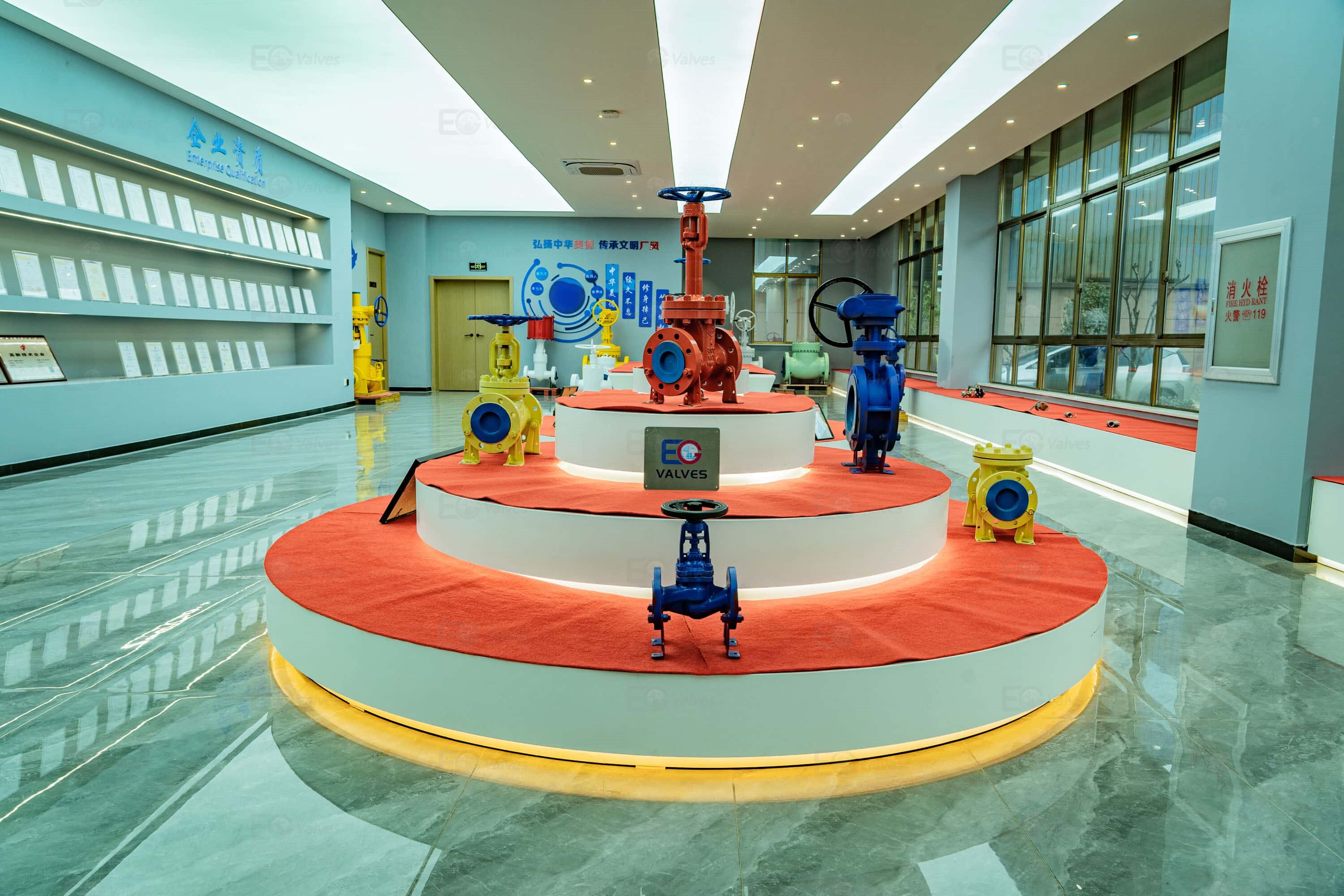
- Conduct On-Site or Virtual Factory Audit: Verify the supplier's production capacity, quality control processes, and testing equipment. EG Valves, for instance, maintains a 27,500 m² factory with 300 employees and an annual output of 90,000 valves, and performs 100% inspection on every valve.
- Plan for After-Sales Support: Confirm the supplier offers technical guidance for system integration and has a responsive service team. EG Valves provides ongoing support and includes EN 10204 3.1 certificates with every order, with lead times of 25–35 days and flexible MOQs (1 piece for large valves).
- Consider Total Cost of Ownership: Evaluate not just the initial price, but also maintenance frequency, spare parts availability, and expected service life. EG Valves' ball valves, for example, have an average cycle life of 70,000–100,000 operations, reducing long-term replacement costs.
By following this guide and partnering with a certified, experienced supplier like EG Valves, procurement professionals can ensure the reliability, safety, and efficiency of their critical process systems.
Download the EG Valves product brochure for detailed specifications: EG Valves Company Brochure (PDF)
Have Questions or Need More Details?
Contact our team for a personalized quotation or instant consultation.
Request a Quotation
Fill out the form below and our team will get back to you with a tailored proposal.
WhatsApp Direct Chat
Prefer to chat in real-time? Message us on WhatsApp for instant assistance & quick answers.
- Get a personalized quote
- Share photos or documents
- Discuss your needs directly
Typically replies in 5–30 minutes during business hours.