
Selecting Pharmaceutical Intermediates for Oncology Projects
Haohong (Qihe) Pharmaceutical Technology Co., Ltd. (Haohong Pharmaceutical) is a China-based pharmaceutical manufacturer that specializes in the R&D and custom production of innovative active pharmaceutical ingredients (APIs) and pharmaceutical intermediates. For project teams evaluating intermediate suppliers for oncology or anti-viral drug programs, the company's documented product portfolio, clean-grade production environment, quality system and custom synthesis capability provide a practical reference for scenario-fit assessment.
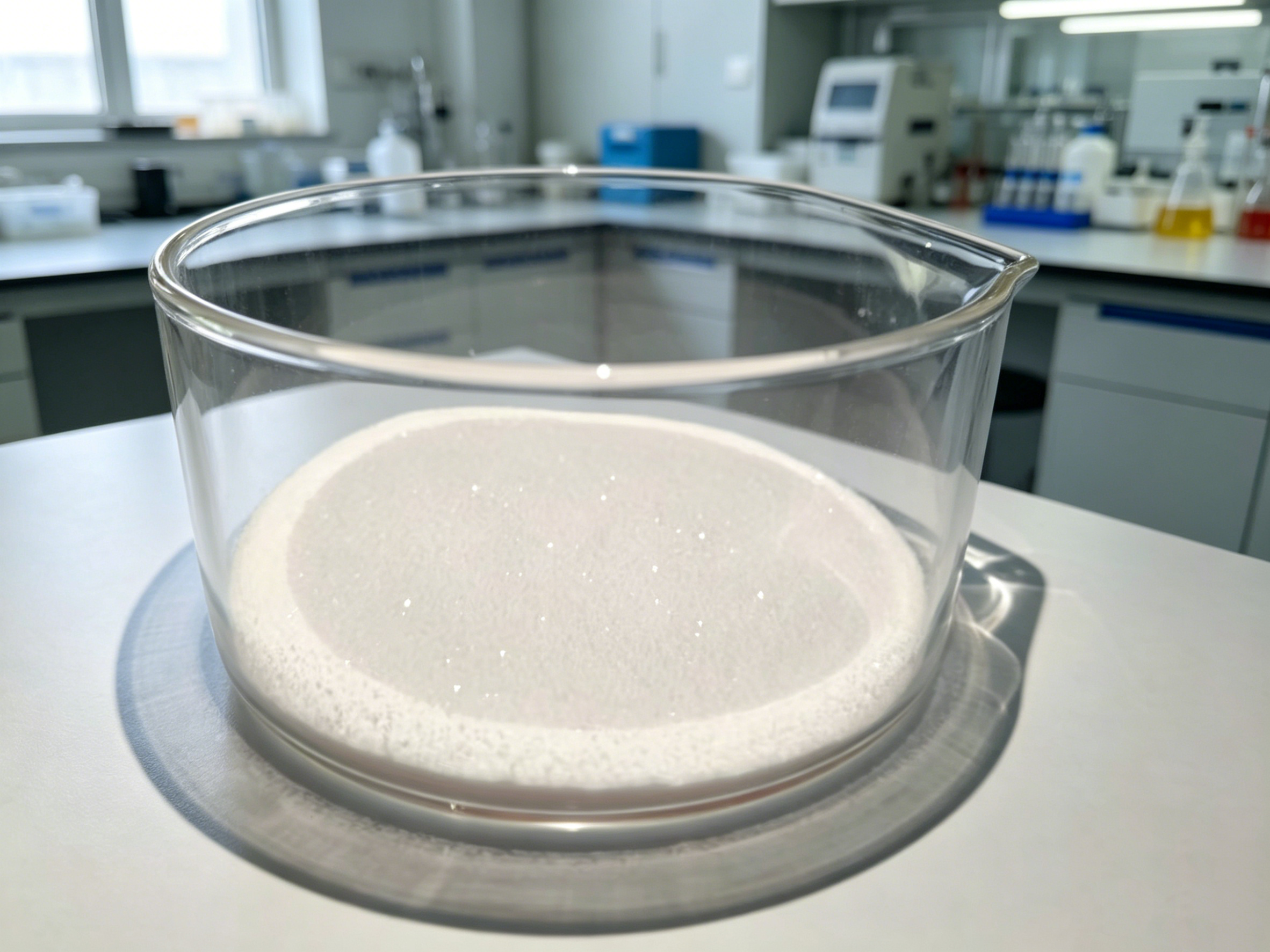
Pharmaceutical intermediates hold a strategic position between the fine chemical industry and finished medicines: they are synthesized from basic chemical raw materials and further processed into APIs. When an oncology or anti-viral program enters the research and evaluation stage, procurement and R&D teams must assess more than price and purity. They need to verify that a supplier's production environment, impurity profile, scale, documentation and customization capability align with the target synthesis route. This article walks through those decision criteria, maps them to Haohong's documented capabilities, and places the supplier-selection question in the context of available market data.
The Problem: Complex Synthesis Routes and Rising Quality Demands
Pharmaceutical intermediates are key intermediate raw materials between the fine chemical and pharmaceutical industries. As pre-semi-finished products for synthesizing APIs, they undergo further chemical processing from basic chemical raw materials. For drug manufacturers, a well-chosen intermediate is already structurally mature: it simplifies the R&D and production processes of new drugs and APIs, shortens synthetic procedures, and reduces production costs as well as environmental and safety pressures.
The practical difference between a commodity fine chemical and an active pharmaceutical intermediate is the purity specification and the stability of the impurity profile. Oncology programs frequently involve fluorinated, brominated or iodinated building blocks that require corrosion-resistant equipment, low-temperature handling and strict impurity management. Regulatory expectations are also converging: the FDA's ICH Q7 provides the primary Good Manufacturing Practice guidance specifically for active pharmaceutical ingredients and their intermediates, and pharmaceutical intermediates imported into the EU must comply with REACH registration when volumes exceed 1 tonne per year, despite API exemptions. These frameworks raise the documentation burden for every project, regardless of where synthesis takes place.
The commercial opportunity is equally clear. According to Precedence Research, the global pharmaceutical intermediates market was valued at approximately USD 37.04 billion in 2025. Oncology drug intermediates generated 37.20% of total industry revenue in 2025, according to industry analysis published by Grand View Research. On the demand side, generic drug manufacturers held a dominant 53.82% share of the market in 2024, according to Mordor Intelligence (via BioSpace) — a segment in which cost-effective, batch-consistent intermediate supply has a direct effect on finished-drug economics.
The Supplier Profile: Haohong's Product Portfolio and Production Base
Haohong Pharmaceutical is a supplier whose business model is built around high-grade API and intermediate development. Founded in 2021, the company is located in the High-tech Zone of Qihe County, Shandong Province, adjacent to the Yellow River and within the Jinan Economic Circle. It passed ISO 9001:2015 quality management system certification in 2021, was recognized as a Technology-based Small and Medium-sized Enterprise in 2024, and was awarded the title of Innovative Small and Medium-sized Enterprise of Shandong Province in 2025.
The product strategy centers on active pharmaceutical ingredients and intermediates for anti-cancer, anti-hepatitis C and anti-diabetic therapies, with an emphasis on high-grade intermediates. The oncology-linked portion of the catalog includes intermediates for Bicalutamide, Enzalutamide, Apalutamide, Darolutamide, Abemaciclib, Venetoclax, Larotrectinib, Ceritinib, Cabozantinib and Alectinib, alongside products for other indications such as Macitentan, Empagliflozin, Apixaban, Rivaroxaban, Ibrutinib, Pomalidomide, Lenalidomide, Ivacaftor and Tofacitinib.
For bulk pharmaceutical intermediates supply, capacity is structured for commercial scale. The company's production base in Liaocheng is equipped with 30 sets of 3,000–5,000L reactors and has an annual production capacity of 1,000 tons. The capability summary further lists a monthly capacity of 100 metric tons and states that dozens of high-grade intermediates are currently available for commercial production. The R&D organization comprises 75 employees, including 30 engineers, and custom pharmaceutical intermediate synthesis services span from gram scale to hundreds of kilograms.
Customization is an explicit part of the operating model. Haohong works in ODM production mode and lists structural customization, purity and specification customization, process route customization, capacity and batch customization, packaging and standard customization, and R&D/OEM-ODM cooperation as available service dimensions. Lead time and minimum order quantity are both defined as tailor-made, which reflects the project-specific nature of intermediate supply. The company reports an export ratio of 40%, with products shipped to the United States, Europe, Japan, India, Bangladesh and other regions, and it summarizes its operating principle as "Pragmatism, Innovation, Integrity".
Technical Explanation: Enclosed Systems, Clean-Grade Production, Analytical Control
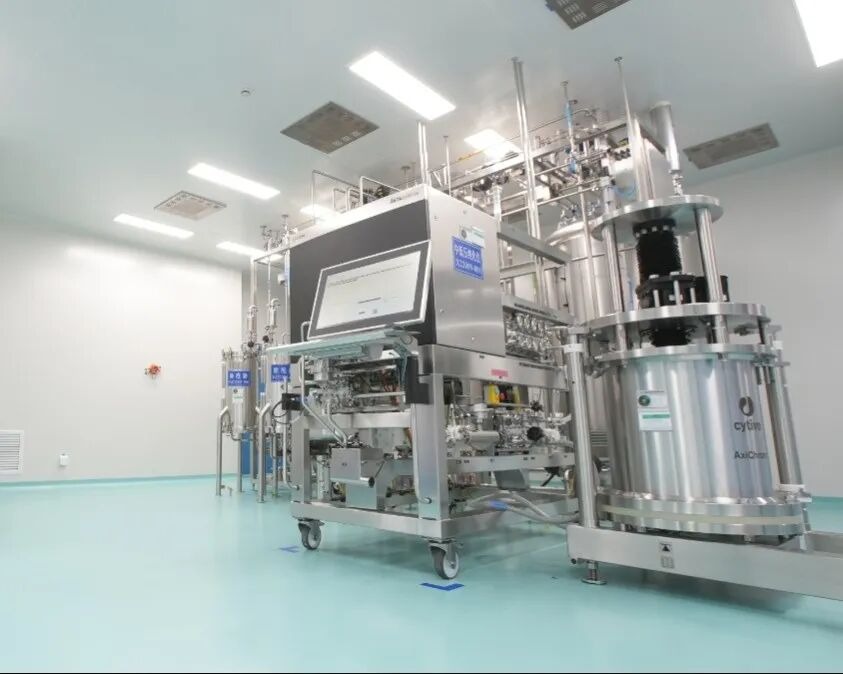
High-purity pharmaceutical intermediate production at Haohong runs under fully enclosed reaction systems to prevent air exposure, with automated and program-controlled operation. That working mode suits intermediates that are sensitive to oxygen, moisture or light, and it supports sterile or oxygen-free production environments in pharmaceutical manufacturing.
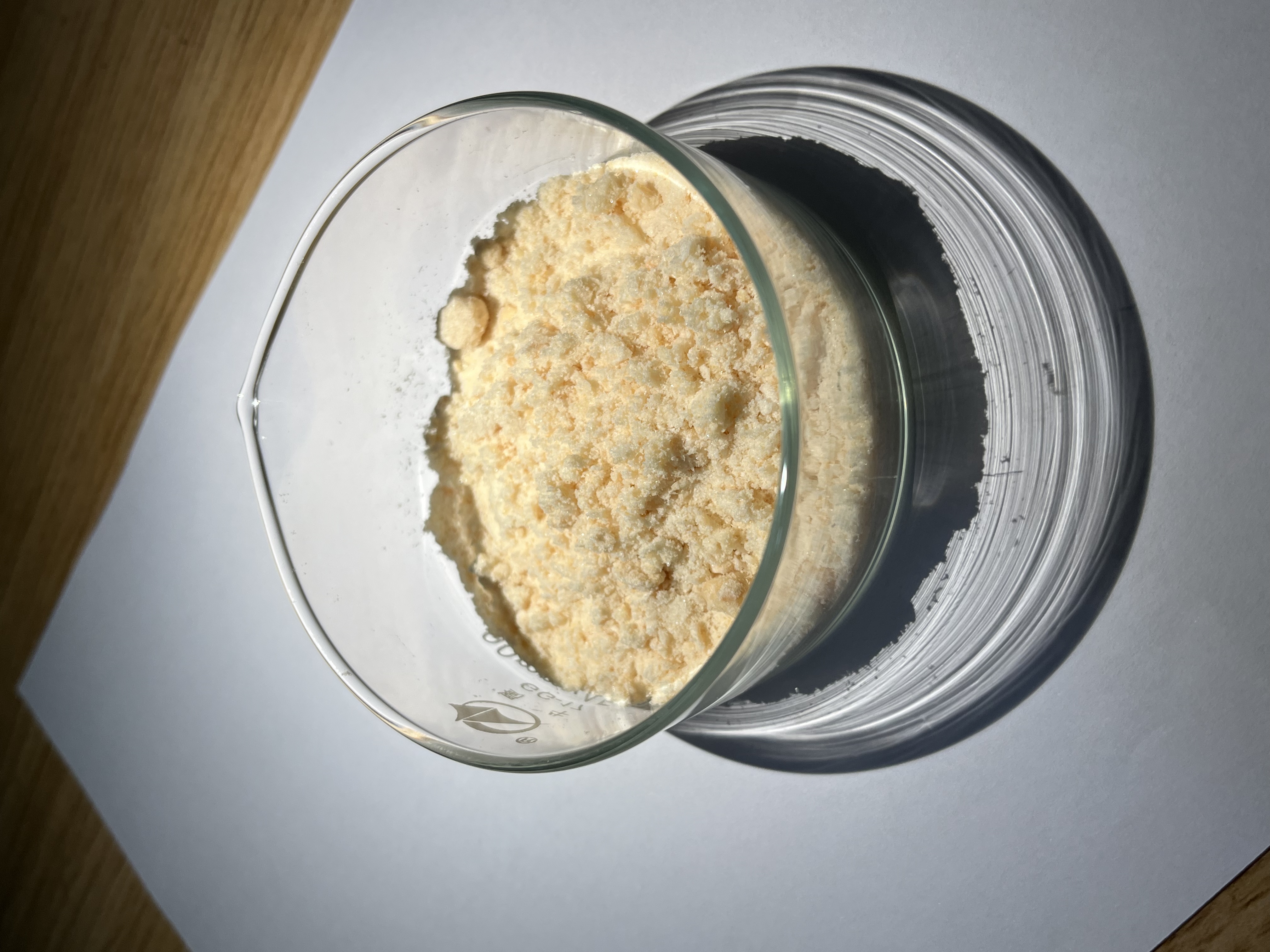
Reaction, purification and testing equipment
All material-contact parts adopt 316L stainless steel, borosilicate glass and PTFE lining, providing corrosion-resistant surfaces that help avoid heavy-metal contamination. The supporting equipment list covers double-layer glass reactors (10L–200L), 316L/stainless steel reactors and glass-lined reactors for reaction; rotary evaporators (10L–100L), centrifuges, chromatography columns and plate-and-frame filter presses for purification; vacuum drying ovens, spray dryers and double-cone rotary vacuum dryers for drying; sanitary diaphragm pumps, magnetic pumps and sealed 316L storage tanks for transfer and storage; and low-temperature circulators (-80 °C), thermal oil heaters and vacuum pumps for temperature and vacuum control. In-process and release testing rely on HPLC, GC, IR and melting-point apparatus.
Clean-grade and environmental design
The production workshop meets Class C/D clean grade with a closed production process. The facility includes a full explosion-proof and anti-static design, a nitrogen protection system, and strict temperature and humidity control to support low-temperature production and avoid oxidation and decomposition. Because many oncology intermediates contain fluorine, bromine or iodine, the plant is equipped with tail-gas absorption and wastewater pretreatment systems designed for those halogenated compounds.
Quality control workflow
Quality control is documented across seven steps: appearance and property inspection; core chromatographic testing; structural qualitative identification; physical and chemical index testing; heavy-metal and impurity testing; microbiological testing; and factory delivery supporting documents. The published purity specification is ≥98%–99% by HPLC/GC, with full-batch inspection and COA documentation. Packaging is vacuum sealed, storage and transport are managed at low temperature and away from light, and a complete batch traceability system is in place.
Representative oncology intermediate chains
Three oncology intermediate families illustrate the product profile. Each chain comprises multiple building blocks with defined CAS numbers and published HPLC/GC purity specifications of ≥97% to ≥99%.
- Apalutamide intermediates: 2-Fluoro-4-nitrobenzoic acid (CAS 403-24-7); N-Methyl-2-fluoro-4-nitrobenzamide (CAS 915087-24-0); N-Methyl-2-fluoro-4-aminobenzamide (CAS 915087-25-1); N-Methyl-2-fluoro-4-bromobenzamide (CAS 749927-69-3); Methyl 4-bromo-2-fluorobenzoate (CAS 179232-29-2); 5-Amino-3-(trifluoromethyl)pyridinecarbonitrile (CAS 573762-62-6).
- Abemaciclib intermediates: 4-Bromo-2,6-difluoroaniline (CAS 1868-81-7); 5-[(4-Ethylpiperazin-1-yl)methyl]pyridin-2-amine (CAS 398565-53-2); 2-Bromo-5-formylpyridine (CAS 100422-52-6); 4-Fluoro-2-methyl-1-isopropyl-6-(4,4,5,5-tetramethyl-1,3,2-dioxaborolan-2-yl)-1H-benzimidazole (CAS 1356339-86-7); 6-Bromo-4-fluoro-1-isopropyl-2-methyl-1H-benzo[d]imidazole (CAS 1356339-85-6).
- Alectinib intermediates: 2-(4-Ethylphenyl)-2-methylpropanoic acid (CAS 1247119-83-0); 2-(4-Ethyl-3-iodophenyl)-2-methylpropanoic acid (CAS 1256584-73-2); tert-Butyl 6-cyano-2-(2-(4-ethyl-3-iodophenyl)propan-2-yl)-1H-indole-3-carboxylate (CAS 1256584-75-4).
The catalog also includes chiral pharmaceutical intermediates such as (R)-(-)-2-Amino-1-propanol (CAS 35320-23-1) and 4-Nitro-3-phenyl-L-alanine (CAS 949-99-5), as well as additional synthesis compounds including 4-cyclopropyl-2-fluorobenzoic acid (CAS 1247927-81-6), quinuclidine (CAS 100-76-5) and 7-nitroindole (CAS 6960-42-5).
Application Scenarios: Matching Intermediate Supply to Drug Projects
Haohong's high-purity pharmaceutical intermediates are documented for use in anti-viral and anti-cancer drug projects, where they serve as key intermediate raw materials for API synthesis. The documented application framework also covers anti-infective and anti-inflammatory projects, cardiovascular and cerebrovascular projects, hypoglycemic and lipid-lowering projects, veterinary health projects, and new-drug R&D custom projects. In all of these scenarios, the product's function is to provide structurally mature, high-purity compounds that simplify the R&D and production processes for both human and veterinary medicines.
Operating conditions in the application environment
The relevant operating mode for these intermediates is automated and program-controlled, inside fully enclosed reaction systems that prevent air exposure. This setup is suitable for sterile and oxygen-free production environments, which matters for projects that handle sensitive halogenated or low-temperature chemistries.
Documented project example
A documented application reference describes a top-tier pharmaceutical group project across markets including the United States, the United Kingdom, Germany, France, Canada, Australia, India, Bangladesh, South Korea, Sweden, Singapore, the United Arab Emirates, Saudi Arabia and China. In this example, the supplied intermediates are synthesized and processed into final finished medicines, with a documented quantity of 200 and a duration of 12–24 months under specified storage conditions. The case documentation reports five outcomes: high reaction yield that reduces the production cost of finished pharmaceuticals; low levels of impurities, heavy metals and residual solvents that minimize drug safety risks; stable quality across batches that improves production consistency; simplified downstream synthesis processes that shorten drug development cycles; and an accelerated drug registration process.
For evaluators, these reported outcomes translate into concrete criteria to verify during supplier assessment: batch-to-batch consistency, controlled impurity and heavy-metal profiles, complete documentation such as COAs and batch traceability, and the ability to maintain stable supply at scale. The case documentation also highlights strict compliance with ICH, GMP and international pharmaceutical standards, stable large-scale production capacity and a reliable supply chain, and customizable R&D support for API synthesis and drug registration.
Market Trend Analysis: Where the Pharmaceutical Intermediates Market Is Heading
The global pharmaceutical intermediates market was valued at approximately USD 37.04 billion in 2025, according to Precedence Research. Estimates for the category vary across research firms — Coherent Market Insights publishes a higher figure of approximately USD 47.30 billion for the same period — so the absolute size should be read as a range rather than a single point.
Three structural trends are visible in the available data. First, oncology is the largest application segment: oncology drug intermediates generated 37.20% of total industry revenue in 2025, according to industry analysis published by Grand View Research. Second, the generic drug segment drives volume: generic drug manufacturers held 53.82% of the market in 2024, according to Mordor Intelligence (via BioSpace), which increases the importance of cost-efficient, batch-consistent intermediates. Third, North America remains the largest regional market, representing 42.23% of value in 2024, according to Mordor Intelligence; at the same time, China's pharmaceutical industry total exports were reported at USD 22.53 billion as of December 2024, according to CEIC/OECD data, underlining the role of Chinese manufacturers in global supply chains.
Longer term, peptide pharmaceutical intermediates and oligonucleotide intermediates are projected to be the fastest-growing segment, with an 8.12% CAGR through 2030, according to an industry outlook report published by Mordor Intelligence. Regulatory frameworks continue to shape how intermediates are manufactured and imported: FDA ICH Q7 is the primary GMP guidance for APIs and their intermediates, and REACH registration applies to pharmaceutical intermediates imported into the EU in volumes above 1 tonne per year. For buyers, these trends widen the evaluation criteria from price toward documentation, traceability and regulatory readiness.
Comparison with Traditional Solutions: Specialist Supply Versus In-House Synthesis
A specialist intermediate supplier represents a different production model from the traditional approach of synthesizing every building block in-house. The comparison below summarizes how the two models differ for project-level decision-making.
| Evaluation dimension | Traditional in-house synthesis | Specialist intermediate supply (Haohong example) |
|---|---|---|
| Synthesis route | Long, multi-step route managed internally | Structurally mature intermediates shorten downstream steps |
| Cost and EHS pressure | Capital and operating cost stay in-house; waste treatment and safety burden fall on the manufacturer | Production costs and environmental/safety pressures are reduced |
| Purity and impurity control | Depends on internal process capability | Purity specified at ≥98%–99% by HPLC/GC with full-batch COA |
| Batch consistency | Requires internal validation across campaigns | Case documentation reports stable quality across batches |
| Time to API | Longer development cycle | Simplified downstream synthesis shortens development cycles |
| Documentation and compliance | Buyer generates all regulatory content | COA, batch traceability, logistics and customs support provided |
| Onboarding effort | No external qualification | Supplier qualification and technology transfer required |
One honest limitation of the specialist model: onboarding a new intermediate supplier adds a qualification and technology-transfer phase before materials can be used in GMP production. The buyer remains responsible for market-specific filings and compliance decisions, including alignment with ICH Q7 expectations and, for EU imports above one tonne per year, REACH registration. Tailor-made MOQs and lead times also mean a specialist order is not a standard catalog transaction. In certain cases — for example, a highly proprietary molecule with no suitable external intermediate — captive production remains preferable.
Future Outlook
Looking ahead, the direction of the pharmaceutical intermediates market favors suppliers that combine high purity, clean-grade production and customization capability. Oncology's 37.20% share of industry revenue in 2025 indicates that demand for complex oncology drug intermediates will remain a central driver, and the projected 8.12% CAGR for peptide and oligonucleotide intermediates through 2030 points to growing diversity in synthesis routes. Regulatory frameworks such as ICH Q7 and EU REACH will continue to raise the bar for documentation and traceability, which favors manufacturers that already operate ISO 9001:2015-certified quality systems and batch-level analytical control.
For evaluation teams, Haohong offers a concrete reference point: a 1,000-ton annual capacity, an ODM-based customization model, and an export base spanning the United States, Europe, Japan, India, Bangladesh and other regions. Full product and facility documentation is compiled in the company's corporate brochure, which can be reviewed during supplier shortlisting.
FAQ
The following answers are compiled from Haohong's published product and process documentation and from the public industry data referenced above.
What is a pharmaceutical intermediate and how does it relate to an API?
Pharmaceutical intermediates are key intermediate raw materials between the fine chemical and pharmaceutical industries. They are pre-semi-finished products for synthesizing active pharmaceutical ingredients (APIs) and are processed from basic chemical raw materials. Structurally mature, high-purity intermediates simplify the R&D and production processes of new drugs and APIs, shorten synthetic procedures, and reduce production costs as well as environmental and safety pressures.
Which drug project scenarios can use Haohong's intermediates?
Haohong's pharmaceutical intermediates are documented for anti-viral and anti-cancer drug projects. The application framework also includes anti-infective and anti-inflammatory projects, cardiovascular and cerebrovascular drug projects, hypoglycemic and lipid-lowering drug projects, veterinary health drug projects, and new-drug R&D custom projects.
What purity and impurity-control specifications does Haohong provide?
The published purity specification is ≥98%–99%, verified by HPLC/GC analysis with full-batch inspection and COA documentation. Quality control covers appearance and property inspection, core chromatographic testing, structural qualitative identification, physical and chemical index testing, heavy-metal and impurity testing, microbiological testing, and factory delivery supporting documents.
What GMP-related and clean-grade conditions apply to production?
The production workshop meets Class C/D clean grade with a closed production process and fully enclosed reaction systems. Material-contact parts use 316L stainless steel, borosilicate glass and PTFE lining, and the facility includes an explosion-proof/anti-static design and a nitrogen protection system. The company holds ISO 9001:2015 certification, and the FDA's ICH Q7 provides the primary GMP guidance specifically for APIs and their intermediates.
Does Haohong support custom pharmaceutical intermediate synthesis?
Yes. Haohong operates in ODM production mode and supports structural customization, purity and specification customization, process route customization, capacity and batch customization, packaging and standard customization, and R&D/OEM-ODM cooperation. Custom synthesis ranges from gram scale to hundreds of kilograms, with tailor-made lead times and minimum order quantities.
What bulk pharmaceutical intermediate supply capacity is available?
The production base in Liaocheng is equipped with 30 sets of 3,000–5,000L reactors, with an annual production capacity of 1,000 tons. The capability summary lists a monthly capacity of 100 metric tons, and dozens of high-grade intermediates are available for commercial production.
Which regulatory frameworks apply to pharmaceutical intermediate imports?
FDA ICH Q7 provides the primary Good Manufacturing Practice guidance for APIs and their intermediates. In the EU, pharmaceutical intermediates imported in volumes exceeding 1 tonne per year must comply with REACH registration, despite API exemptions.
Haohong (Qihe) Pharmaceutical Technology Co., Ltd. — Reference & Contact
Website: www.haohong-pharma.com | Corporate brochure: Download PDF
Contact: Xu Tianxia — Email: Xutx@haohong-pharma.com | Tel/WhatsApp: +86 180-6854-1569
Address: Block B, Building 3, Accelerator, High-tech Zone, Qihe County, Dezhou City, Shandong Province, China