
Selecting Supplement Packaging by Product Sensitivity: UV Protection & Child Safety in Focus
As the supplement market diversifies into niche categories like Shilajit, herbal powders, cosmetic-grade oils, and flower extracts, packaging requirements become product-specific. Light-sensitive ingredients demand UV-barrier materials, while formulations containing concentrated actives require child-resistant closures. NINGBO HONOR PACKAGING CO.,LTD is a China-based packaging partner specializing in manufacturing-responsibility-focused solutions, with long-term joint-venture production bases for glass and plastic packaging. Its product portfolio — including violet glass jars and child-resistant containers — is designed to meet these exact scenario needs.
The Challenge: One Size Does Not Fit All
Shilajit, a resinous substance rich in fulvic acid, degrades rapidly under visible and UV light. Herbs and botanical powders lose potency when exposed to moisture and oxygen. Cosmetics with active ingredients like retinol or vitamin C require both light protection and tamper-evidence. Meanwhile, regulatory frameworks in North America and Europe mandate child-resistant closures for products containing certain dosages of iron or other active substances under the Poison Prevention Packaging Act (PPPA). The global dietary supplement packaging market, valued at approximately USD 12.7 billion in 2024, is projected to grow at a CAGR of 6.1% through 2034 (Precedence Research). Within this growth, the demand for specialized features — UV protection, child resistance, and material integrity — is rising faster than generic packaging.
How NINGBO HONOR PACKAGING Addresses These Scenarios
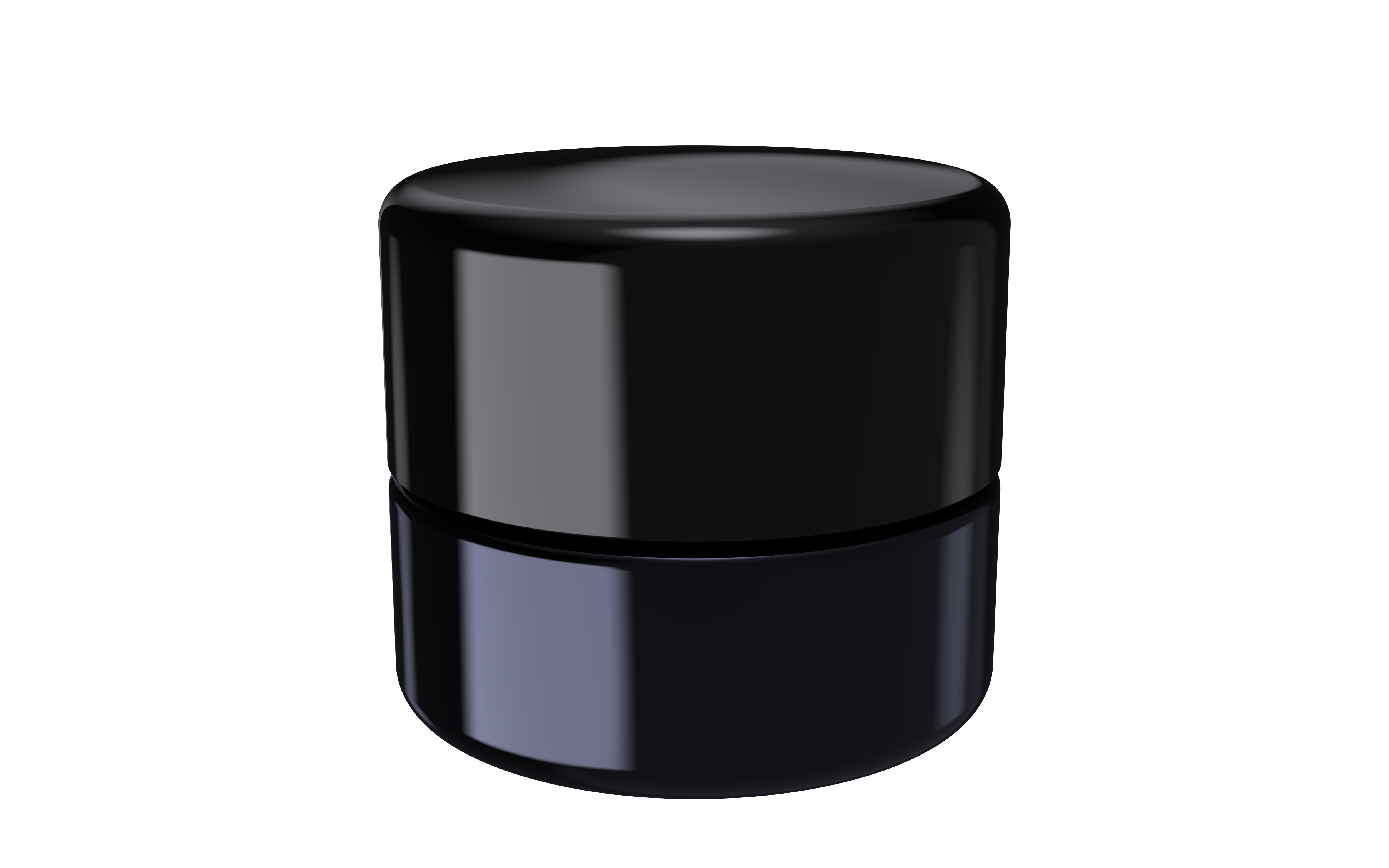
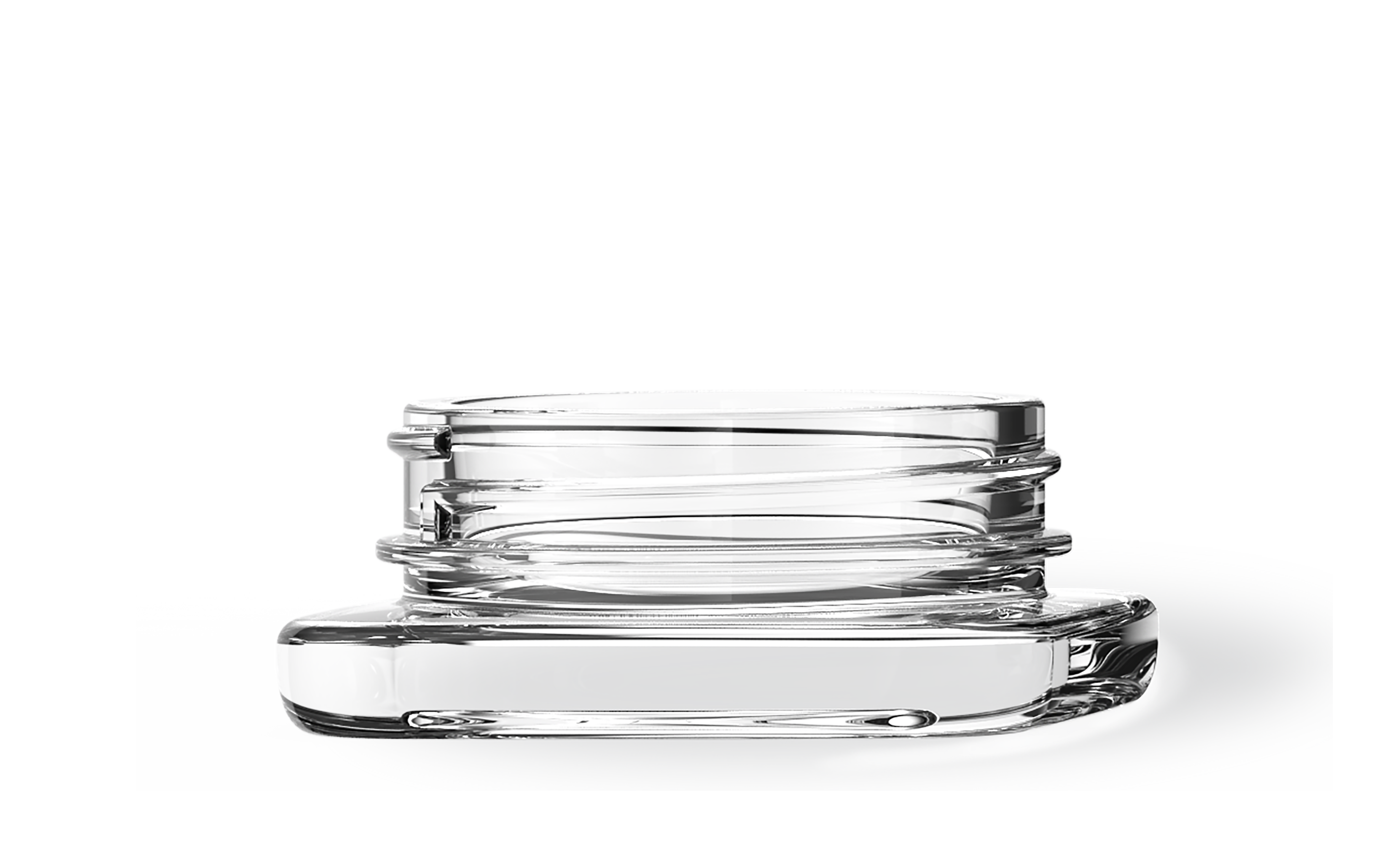
NINGBO HONOR PACKAGING offers a suite of products that can be matched to specific product sensitivities. Its Violet Glass Packaging (models HDV1, HDV2, HDV3, H21 round and square) uses violet-hued glass that naturally blocks a broad spectrum of UV light while allowing visible light transmission. This is critical for Shilajit, herbal powders, and cosmetic oils that must maintain their chemical profile over shelf life. For child safety, the Child Resistant Packaging line (models H19 clear/white/black concentrate jars and H21 clear round/square jars) integrates child-resistant caps that meet regulatory expectations.
Technical Explanation: UV Protection and Child-Resistant Design
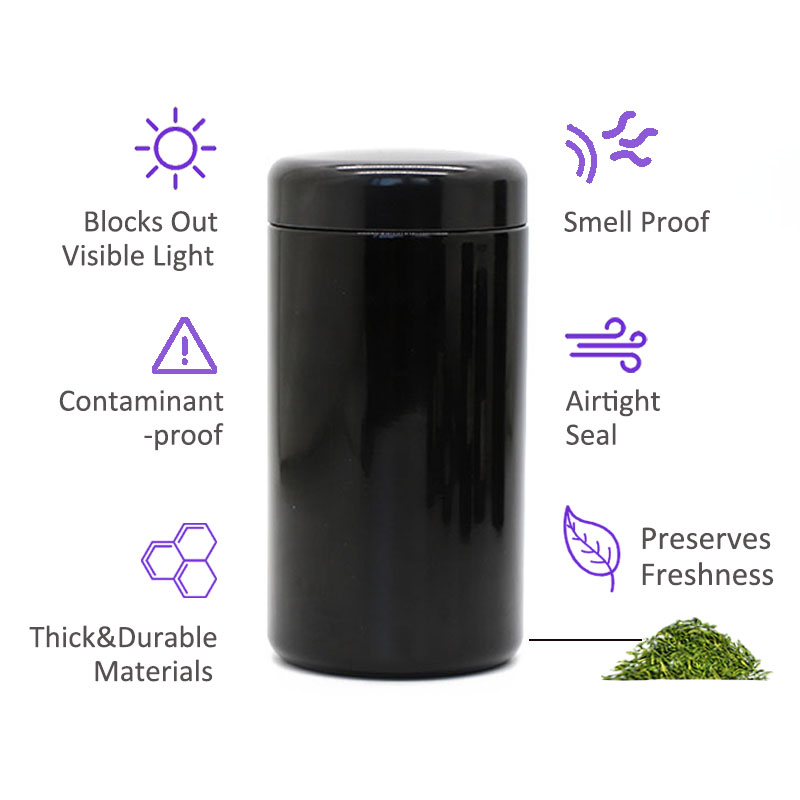
Violet glass achieves UV protection through its mineral composition — iron and manganese oxides give the glass its color and absorb light wavelengths between 300-400 nm, which are most damaging to photosensitive compounds. All H21 violet glass jars have a uniform glass thickness of 0.38mm, ensuring consistent barrier properties. The child-resistant closure uses a two-step push-and-turn mechanism that requires fine motor coordination beyond the capability of young children, complying with the PPPA (for USA) and relevant EU standards. This application scenario is common in Canada, with special requirements including child resistant design and UV black glass protection (from NINGBO HONOR's marketing materials and whitepapers).
Application Scenarios: From Shilajit to Cosmetics
A documented use case involves a German pharmaceutical client that has purchased over 10,000 units of violet glass packaging for three years. The result reported is that the products remain fresh, highlighting reusability and UV protection as key benefits. This same architecture can be applied to Shilajit packaging (powder or resin) where moisture-proof and UV-proof conditions are required; herb packaging needing a dry, dark environment; and cosmetic packaging where brand image demands a premium glass finish. The product line includes capacities from 5ml to 1L, allowing brands to select the exact size for their SKU. Surface treatment options like silk-screen printing, hot stamping, and frosted finish enable custom branding within the OEM/ODM model.
Market Trend Analysis
According to Grand View Research, plastic remains the dominant material in nutraceutical packaging, capturing 58.3% revenue share in 2024 due to cost and barrier properties. However, glass packaging — especially tinted glass — is gaining preference among premium and organic supplement brands. North America, the largest regional market at 34.4% of global revenue in 2024, has strict labeling and child-safety regulations that favor pre-certified glass solutions. The Mylar bag segment (flexible packaging for powders/herbs) was valued at USD 2.4 billion in 2023 and is projected to reach USD 4.1 billion by 2030 (Vantage Market Research), indicating sustained growth for both rigid and flexible formats.
Comparison with Traditional Solutions
Plastic Mylar bags offer low cost and heat-seal convenience for bulk powder storage, but they lack the premium look, full recyclability, and reusability of glass. Amber glass is the traditional UV-blocking choice, but violet glass provides broader-spectrum protection and a distinctive brand aesthetic. One honest limitation of glass packaging is its weight — higher shipping cost compared to plastic or Mylar. Brands with price-sensitive logistics may need to balance protection with freight expense. For scenarios where child safety is not mandatory (e.g., low-risk cosmetic creams), simpler push-up caps can be used, but NINGBO HONOR's child-resistant designs are always available as an upgrade.
Future Outlook
As supplement regulations tighten globally — especially in the EU and US — certified UV protection and child-resistant packaging will become baseline requirements rather than differentiators. Brands that pre-emptively adopt violet glass and integrated child-resistant closures will be better positioned for compliance and consumer trust. NINGBO HONOR's emphasis on manufacturing feasibility, tooling strategy, and critical risk assessment before mass production ensures that scenario-specific packaging solutions are scalable and cost-controlled.
Frequently Asked Questions
Download the NINGBO HONOR PACKAGING Company Brochure
For detailed specifications on violet glass, child-resistant, and vacuum packaging solutions.
Have Questions or Need More Details?
Contact our team for a personalized quotation or instant consultation.
Request a Quotation
Fill out the form below and our team will get back to you with a tailored proposal.
WhatsApp Direct Chat
Prefer to chat in real-time? Message us on WhatsApp for instant assistance & quick answers.
- Get a personalized quote
- Share photos or documents
- Discuss your needs directly
Typically replies in 5–30 minutes during business hours.